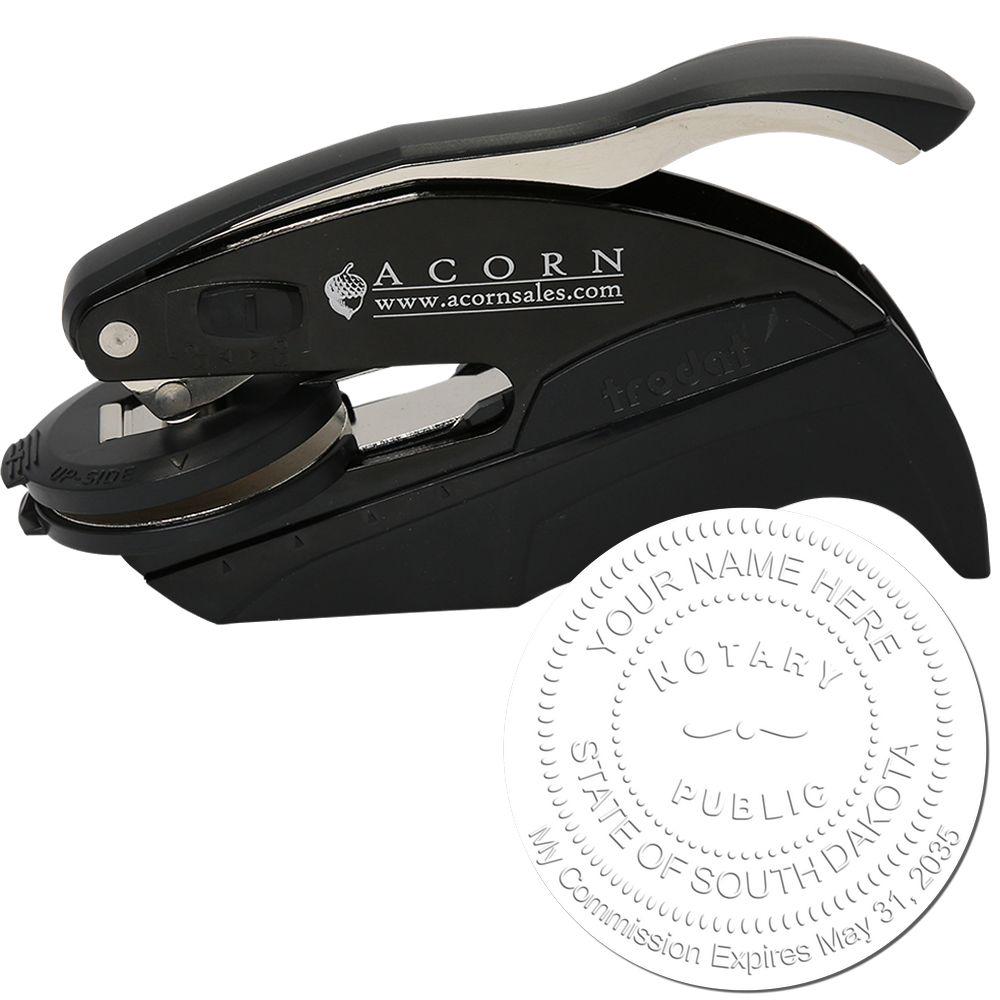
If you are a notary public in South Dakota, finding the right SD notary supplies can make a remarkable difference in the way you work. From stamps to seals, each tool plays a part in helping you validate documents swiftly and securely. With the proper equipment, you can conduct your duties more efficiently and present a professional image to your clients. Below, you will discover helpful insights on choosing and caring for your notary supplies so you can unlock your full potential in this valuable role.
Recognize the Importance of SD Notary Supplies
As a South Dakota notary public, your responsibilities carry legal weight. You are trusted to verify identities, witness signatures, and ensure that critical documents remain free from fraud. Because of that, high-quality supplies are not just conveniences, they are essentials.
- They uphold accreditation requirements. In South Dakota, you must use a notary stamp or seal that meets state guidelines for clarity and accuracy. Choosing a reliable supplier ensures you stay on top of any legal and design requirements.
- They enhance your professional image. Your notary stamp or seal is more than just ink and impressions. It symbolizes your commitment to authenticity and can foster client confidence in every transaction.
- They protect against tampering. Crisp notary impressions and clear seals reduce the risk of misunderstandings or attempts to falsify documents. You maintain control and security when your stamp or seal leaves no doubt about its legitimacy.
When you recognize how important your SD notary supplies can be, you will treat them as integral parts of your notary practice. Whether you are starting out or looking to upgrade, focusing on quality and compliance will pay dividends over time.
Choose Your South Dakota Notary Stamps
A primary item in every notary’s toolkit is a reliable stamp. You want a stamp that creates crisp, legible impressions so that every document you oversee is clearly marked. Because each state has its own rules regarding layout, wording, and dimensions, it is essential to pick a stamp that meets South Dakota’s requirements.
Types of Notary Stamps
- Pre-Inked Stamps
Typically use an ink reservoir inside the stamp. Often produce sharp, high-quality impressions. Can be re-inked multiple times, making them cost-effective over the long term.
- Self-Inking Stamps
Feature an internal ink pad that flips against the text plate after each use. Deliver consistent impressions with minimal effort. Offer an easy way to stamp documents quickly, which is handy if you regularly notarize multiple items in a single day.
- Traditional Rubber Stamps
Require a separate ink pad. Can be budget-friendly and straightforward to replace. Might demand more space and time to manage compared to self-inking or pre-inked options. When you are deciding which type to choose, consider how often you notarize documents and how mobile your notary tasks might be. For example, if your work demands frequent stamping without interruption, a self-inking or pre-inked stamp might be the ideal solution. Pay attention to re-inking procedures, storage, and how well each style meets local rules.
Key Features to Look For
- Durable construction: Since you rely on your notary stamp daily, a sturdy casing will prevent wear and tear.
- Precision in detail: Clarity of text and lines is vital to ensure the mark is always legible.
- Easy re-inking: A fuss-free re-inking process saves time and helps you get back to your tasks faster.
- Comfortable design: If you handle many documents, seek an ergonomic grip or lightweight design to reduce hand strain.
Keep in mind that the stamp must meet the legal standards set by South Dakota. It should display the required elements like your name, the words “Notary Public,” and the words “South Dakota.” Ensuring your stamp complies with these specifics will help you avoid potential legal hiccups later on.
Select the Perfect Notary Seal
Just like a notary stamp, a professional seal is often a cornerstone of your notarization process. South Dakota allows you to use either a stamp or an embosser, although some notaries choose to maintain both for added versatility.
Why a Notary Seal Matters
- Offers official verification: A raised or recessed seal impression stands out visually, conveying authenticity.
- Speaks to your professionalism: Clients notice when you take care in confirming their documents. Having a clean seal impression shows you go the extra mile to uphold notarial standards.
- Supports accurate documentation: If your role involves more official or high-value transactions, a distinctly stamped or embossed seal serves as an extra layer of assurance for all parties involved.
Deciding on an Embosser or Inked Seal
Embosser Seal:
- Uses a metal die to create a raised imprint on paper.
- Does not rely on ink, so it can be ideal for documents prone to smudging.
- Commonly used for deeds, real estate documents, and other critical papers requiring a distinctive mark.
Inked Seal (or inking your embosser):
- Involves a specialized inking pad that applies ink to your embossed impression.
- Offers greater visibility if authorities or clients need to copy or scan the document.
- May be especially helpful if your notarial work is frequently digitized.
Think about the nature of your notary assignments. If you often work with thick, sturdy documents in a setting where a raised seal is preferred, an embosser is a sound choice. If you work with more digital processes that require scanning, an inked seal can safeguard visibility and clarity.
Gather Essential Notary Accessories
Stamps and seals are fundamental, but you will likely benefit from a few additional items to perform your duties effectively. Here are some helpful accessories for your notary kit:
- Notary Journal or Record Book
Used to track notarial acts and collect signers’ details. Protects you in case questions arise about a notarial act performed weeks or even years ago.
- Ink Refills or Ink Pads
Provide consistent sharpness for each impression. Extend the life of your stamp and keep your kit ready for even the busiest days.
- Thumbprint Pad
Some notaries request a thumbprint from signers for specific high-value or sensitive documents. Adds an extra layer of security by connecting a signer’s identity to the notarized paperwork.
- Personalized Organizational Supplies
Designed pockets or pouches can keep your items safe and accessible. Label makers or sturdy folders can organize your notary documents by category or date. When you have all the right accessories on hand, you will project an image of readiness and thoroughness. This small investment in your professional setup often pays off in the form of smoother appointments and happier clients.
Protect and Organize Your Tools
Once you have chosen your SD notary supplies, you need a reliable way to store and protect them. Proper organization helps you work faster, stay compliant, and minimize the risk of fraud or tampering.
- Keep stamps and seals under lock and key. When not in use, place your notary tools in a locked drawer or safe. Doing so helps prevent misuse or unauthorized access.
- Distinguish personal items from notary supplies. Label your notary drawer or container so that supplies stay separate from everyday office materials.
- Regularly clean and maintain your stamp. Dust or ink buildup can interfere with crisp impressions. Review the cleaning instructions specific to your stamp and note how often to replace parts.
- Inspect your embosser for alignment issues. Over time, an embosser’s metal dies can lose their precise positioning. If you see misaligned edges, consult your supplier to fix the issue before it compromises your official documents.
If you travel to client sites, you might benefit from a secure carrying case. Opt for one with compartments that keep your stamp, seal, and record book organized and protected from potential wear or damage. This way, you can maintain a professional image and ensure no item goes missing between appointments.
Boost Your Practice with Acorn Stamps
Choosing the right supplier is just as important as selecting quality tools. At Acorn Stamps, you will find an extensive variety of South Dakota notary stamps and seals that meet state regulations and stand the test of time. Beyond product quality, here is what you can expect:
- Family owned and operated since 1964: With six decades of experience, Acorn Stamps understands the unique needs of a South Dakota notary public.
- Stellar customer service: Have questions? You will receive prompt assistance from experts who respect your work and want you to succeed.
- Super fast turnaround: Efficiency matters. When you order your SD notary supplies, you can count on quick production and shipping so that you can stay on schedule.
- Consistency in quality: Every stamp or seal goes through a meticulous process to ensure clarity and durability. You get a product you can use daily without worrying about poor impressions or fading ink.
Working with a trusted provider like Acorn Stamps takes a lot of guesswork out of the picture. You can be confident that the products you receive follow state guidelines. By investing in top-notch tools, you can focus on tending to your clients and offering them the best possible notary experience.
Ways to Make the Most of Your Supplies
- Order everything you need at once. Bundling your stamp, seal, journal, and accessories can save on shipping and help you coordinate your notary kit more efficiently.
- Ask for custom options. From specialized font choices to specific layout designs, many suppliers offer ways to personalize your notary tools.
- Stay ahead of renewals. Keep track of your commission expiration date. If your notary seal includes an expiration date, re-ordering supplies in advance avoids any gap in service.
When your SD notary supplies are in order and your supplier is reliable, you can spend more time refining your notarial skill set. That means better client interactions, higher accuracy, and the assurance that your notarizations will hold up under legal scrutiny.
Frequently Asked Questions (FAQs)
Below are some commonly asked questions about South Dakota notary practices and the tools you might need along the way.
What Are the Basic Requirements to Become a Notary in South Dakota?
You must be at least 18 years old, live or work in South Dakota, and be able to read and write English. Once you meet these requirements, you can apply for a notary commission through the Secretary of State.
Is It Necessary to Have Both a Notary Stamp and a Seal?
South Dakota law allows you to use either an embosser or a rubber stamp. Some professionals like to keep both on hand for a more versatile approach, but it is not a legal necessity.
How Often Should I Refill or Replace My Notary Stamp?
It depends on the frequency of use. If you notice uneven or faint impressions, it is time to re-ink or consider a replacement. Regular maintenance ensures your stamp always meets statutory clarity requirements.
Do I Need a Notary Journal Even If the State Does Not Require One?
While South Dakota does not mandate a notary journal, many notaries choose to keep one as a record of their acts. It adds a layer of security and helps you resolve any disputes or questions that may arise later.
Can I Order SD Notary Supplies with a Custom Design?
Typically, you can request a custom layout for your notary stamp or seal as long as the required elements remain visible and legible. Always verify the design complies with South Dakota regulations to avoid any legal complications.
By having the right SD notary supplies and a clear understanding of your responsibilities, you can feel confident in your everyday notarial responsibilities. Whether you are verifying signatures for real estate transactions or authenticating affidavits, professional tools will help you execute your duties accurately and effectively. If you are ready to invest in sturdy, compliant, and well-crafted notary products, consider the benefits of partnering with Acorn Stamps. You will set yourself up for uninterrupted success and give your clients the top-notch service they deserve.