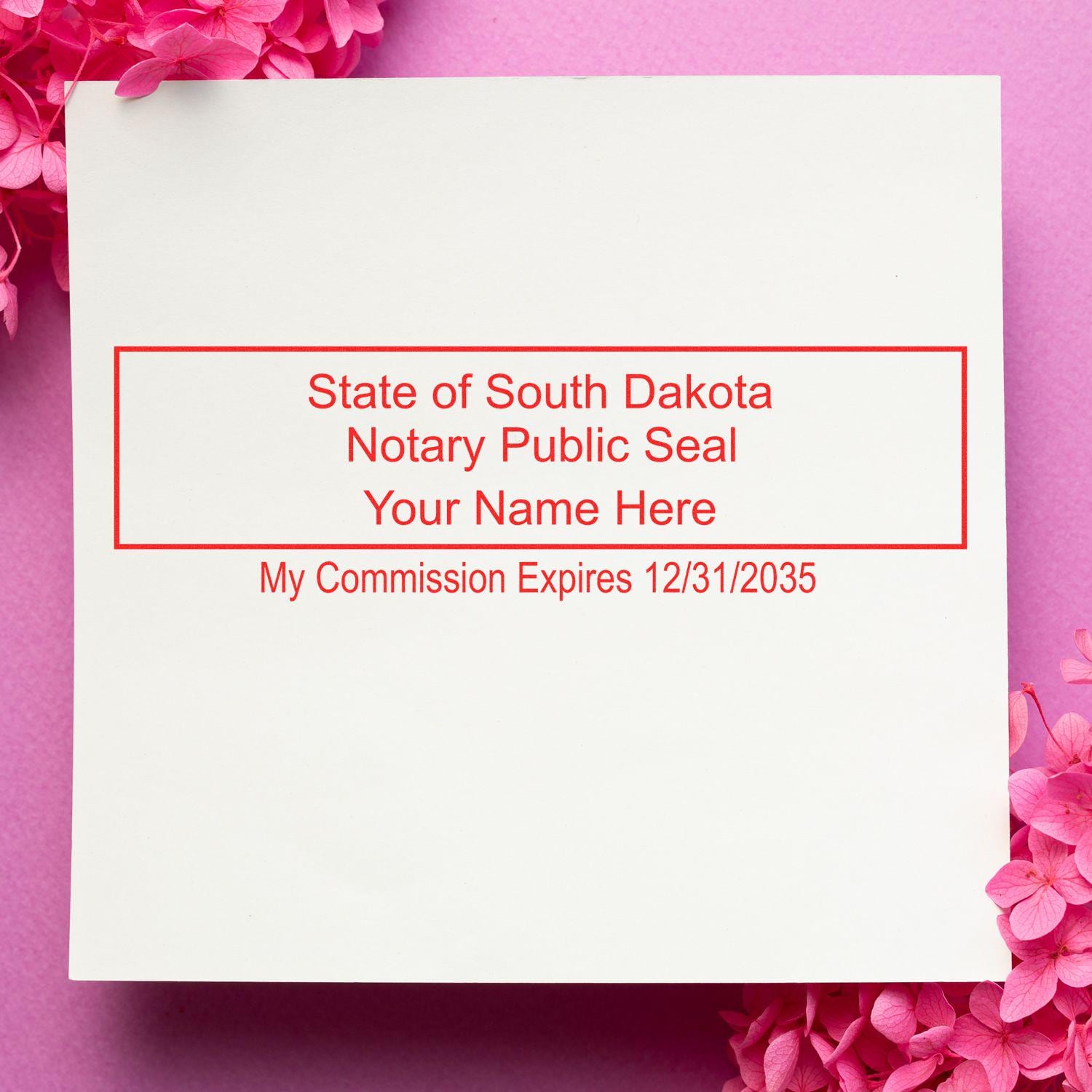
If you are a South Dakota Notary Public, your SD notary seal is more than a simple stamp or impression on paper. This small but critical tool authenticates paperwork, upholds the integrity of legal documents, and reassures clients that every notarized signature is genuinely verified. Because you shoulder the responsibility of validating everything from property deeds to affidavits, it is essential that you choose your SD notary seal with care and then maintain it properly. In this guide, you will discover useful tips, best practices, and practical insights so you feel confident about your notarial tasks.
Recognize the Importance of Your SD Notary Seal
Your notary commission is a badge of public trust, and your SD notary seal is the official symbol of your authority. Anytime you use your seal, you provide tangible proof that you have witnessed a signature and confirmed an individual’s identity according to South Dakota’s notarial laws. Although the specific guidelines around notary seals can seem routine, it is important to appreciate how much of a difference a properly executed seal makes in safeguarding legally binding documentation.
Why the SD Notary Seal Matters
- Validating Authenticity: Your seal demonstrates that you have checked identification, verified willingness, and followed state laws during the notarization process.
- Building Public Confidence: Clients and third parties trust you to maintain meticulous records and use an official form of authentication.
- Aligning With State Requirements: South Dakota law mandates that notaries use an official seal for all notarized documents. Whether you prefer a stamp or embosser, your seal ensures compliance.
Staying mindful of the responsibilities surrounding your SD notary seal safeguards the public and also protects you from potential liability. Each time you place your signature and seal on a document, you affirm that you have performed your duty according to state requirements.
Follow Requirements for South Dakota Notary Commission
Before you can fully leverage the benefits of your SD notary seal, you must hold an active and valid South Dakota notary commission. While the broad requirements are set at the state level, it is wise to confirm that you have followed each step carefully. This includes verifying eligibility, filling out the necessary paperwork, and ensuring you have the right seal in place right from the beginning of your commission.
Basic Commission Details
- Residence and Age: You must be at least 18 years old and either reside or be employed in South Dakota to qualify for a commission.
- Application Process: The state typically requires you to fill out a notary application and pay a fee. This application is submitted to the Secretary of State’s office for review.
- Bond Requirement: In many cases, you need to secure a notary bond to meet legal and financial responsibilities. This bond protects the public against errors and omissions you might make.
Once your application is approved, you can expect your commission certificate to arrive by mail. At this point, you must obtain a notary seal that checks all the boxes for shape, style, and content as required by South Dakota law.
Essential Legal Requirements
- Accuracy: Your seal must display your name as it appears on your notary commission, as well as the words “Notary Public” and “South Dakota.”
- Readability: If you use a stamp, the ink must be clear enough so the impression is legible on a variety of paper types.
- Placement: You generally want to place your seal near your signature so the notarial act is straightforward to confirm.
Abiding by these clear guidelines removes any guesswork and keeps your documents in good standing should they ever be reviewed by a court or regulatory body.
Select the Right SD Notary Seal
Choosing a seal is one of the first steps you will take once you become a notary in South Dakota. Sometimes, you may be tempted to grab the first seal you see. However, the subtle differences between an embosser and a notary stamp are more significant than you might think. Beyond the look, you want to consider how each type of seal will fit your notarial tasks and personal preference.
Stamp vs. Embosser
When deciding between a stamp and an embosser, the key differences lie in convenience and permanence:
- Stamp (Self-Inking or Pre-Inked): A notary stamp leaves a legible ink imprint that is typically faster to apply. Self-inking and pre-inked stamps offer thousands of clear, crisp notary impressions before needing a refill.
- Embosser: An embosser creates a raised impression on the document. This design is more traditional and notably difficult to tamper with or forge. However, embossers may not show up well in photocopies or scans unless you strike the embossed area with a seal inker afterward.
Many notaries opt for a stamp simply because it is more efficient in high-volume situations. If you prefer a classic look or regularly handle sensitive documents, an embosser might suit your style better. In some cases, notaries even keep both on hand.
Design and Style Choices
You will find plenty of variations in design, but each legitimate SD notary seal must follow state guidelines on required text. From there, you can choose a layout that indicates your name slightly differently (with or without a middle initial) as long as it matches your commission. Typical seal designs include:
- Round seals that read “Notary Public, South Dakota” around the perimeter
- Rectangular stamps that incorporate all necessary details in a compact layout
- Specialty handles or pocket-style stamps for easy carrying
If your notary work often takes you away from your desk, a pocket stamp or embosser could be ideal. Before you finalize the design, though, remember to confirm that the seal meets every legal requirement in terms of wording and sizing.
Choose a Reputable Supplier
After you have decided on the type of seal, you want to select an experienced, reliable supplier. Quality and compliance should top your list of priorities. Opting for a random bargain brand can lead to smudgy impressions, misaligned text, or even inaccurate stamps that require costly reprints. A reputable supplier ensures that you get a long-lasting seal that always meets legal standards.
Acorn Stamps: Family-Owned With 60 Years of Expertise
If you are looking for a trusted partner in your notarial journey, Acorn Stamps stands out as one of the top suppliers of South Dakota notary stamps and seals. Family owned and operated since 1964, they bring 60 years of service and expertise to every order. Your seal is an essential part of your professional duties, so it is crucial to collaborate with a company that takes compliance seriously and values craftsmanship.
Fast Turnaround and Stellar Customer Service
In addition to the long-standing family values behind the company, Acorn Stamps understands how important it is for you to receive your SD notary seal promptly. In many instances, you cannot legally notarize without a seal once you have been commissioned. That is why they prioritize quick production times and reliable shipping. If you have questions or need to customize your order, their support team is ready to assist so you can focus on serving your clients.
Maintain and Use Your SD Notary Seal Properly
Even a superior-quality seal can deliver poor impressions if not cared for properly. Regular maintenance ensures that every notarized document reflects the professionalism of your office. Whether you use a simple stamp or an intricate embosser, basic upkeep principles remain the same.
Proper Ink and Embossing Techniques
- Re-Ink as Needed: If you use a self-inking or pre-inked stamp, monitor your stamp’s impressions. As soon as the ink starts looking faint, add the proper refill ink to guarantee consistently crisp marks.
- Apply Steady Pressure: Stamps require a firm press on a flat surface. For embossers, align the paper carefully and press down evenly.
- Practice on Scrap Paper: If your seal is new or has recently been re-inked, do a few practice runs on spare sheets to check clarity before stamping important documents.
Consistent habits reduce the risk of blurred or partially visible seals. Clear impressions help protect you in case of disputes, since there is no ambiguity about your notarial act.
Storage and Care Tips
- Keep It Clean: Wipe away excess ink from the stamp surface or dust from the embosser’s metal plates. This straightforward maintenance routine extends your seal’s lifespan.
- Store in a Cool, Dry Place: Whenever possible, avoid prolonged exposure to extreme heat or direct sunlight to prevent ink from drying up or seals from warping.
- Protect From Unauthorized Use: You are required to keep your seal secure. Store it in a place where only you can access it, such as a locked drawer or a personal safe.
When you give your SD notary seal proper attention, you extend its working life and demonstrate a commitment to accuracy. The extra minute or two you spend on care is a small price to pay for a professional reputation and unwavering trust from your clients.
Common Mistakes to Avoid
Even the most seasoned notary can make an occasional error. Still, there are some preventable mistakes that can compromise the validity of a notarized document. Remember that your seal, name, and credibility are on the line every time you sign and stamp.
- Stamping Over Text: When documents have limited space, it becomes tempting to put the seal anywhere. However, stamping over words can obscure critical text or make the document hard to read.
- Incorrect Date: Always double-check that the date on the document matches your notarization date if required. An error here might raise questions about the legitimacy of your notarial act.
- Failing to Record Each Notarial Act: If you work in a state that mandates record-keeping, never skip logging your transactions. For many notaries, maintaining a journal is key evidence of proper procedure.
- Using an Illegible Seal: Make sure every impression is crisp. If some letters look fuzzy or faded, re-ink your stamp or adjust your embosser pressure immediately.
By staying conscious of these pitfalls, you minimize risk and keep your practice running smoothly.
Five Frequently Asked Questions
Below, you will find the answers to some of the most common questions about SD notary seals. If you ever have an unusual situation, though, it is best to refer to the official guidelines from the South Dakota Secretary of State or seek legal advice.
Do I Have To Use Both a Stamp and an Embosser?
In South Dakota, you only need one official seal to fulfill your notarial duties. Whether you choose a stamp or an embosser is a matter of personal preference, as long as you comply with state law. Some notaries prefer having both for maximum flexibility. An embosser is sometimes seen as traditional, while a stamp can be more convenient for high-volume document signing.
Can I Update My Seals If I Change My Name?
Yes, if you legally change your name after receiving your commission, you must update your notary seal so that it reflects your new legal name. Remember that any discrepancy between the seal and your commission can invalidate notarial acts. Check the latest guidelines to see if you also need to amend your commission paperwork with the Secretary of State’s office.
How Often Should I Replace My SD Notary Seal?
Your seal’s lifespan depends on the type you use and how often you notarize documents. Pre-inked and self-inking stamps eventually run out of ink but are refillable. Metal embossers can last for years as long as you keep them clean and store them properly. If you notice that the impression becomes unclear even after re-inking or adjusting, it might be time to replace your seal.
What Are the Penalties for Misusing My SD Notary Seal?
Misusing or neglecting to secure your seal can lead to serious repercussions. If someone forges a notarization using your seal, or if you accidentally notarize a document without proper identification or verification, you might face civil liabilities or suspension. Always confirm each signer’s identity, supervise signatures, and keep your seal locked away when not in use.
Do Online Notarizations Require a Physical SD Notary Seal?
While legislation around remote or online notarization is evolving, most states still require some form of official seal, whether physical or electronic, when performing a remote notarization. In South Dakota, you must typically follow the standard processes of regular notarization, which often includes using a seal. Check with the South Dakota Secretary of State’s office for the most current online notarization guidelines and electronic seal requirements.
Final Thoughts
You bear an important responsibility as a South Dakota Notary Public. Every time you apply your SD notary seal to a signature, you confirm that the person signing the document is who they claim to be. By understanding state requirements, choosing a high-quality seal, and maintaining it properly, you do your part to uphold public trust.
If you are ready to invest in a reliable notary seal, consider ordering through Acorn Stamps. Their 60 years of service and family-owned values ensure that you get a top-grade product with unmatched customer support. From short turnaround times to a wide range of customization options, they prioritize your success at every step. With the right seal and the right supplier, you can confidently notarize documents knowing you have met every legal requirement and delivered the professionalism your clients expect.
By making an informed choice about your SD notary seal and staying diligent in your day-to-day practices, you will continue safeguarding legal transactions in the state of South Dakota for years to come.