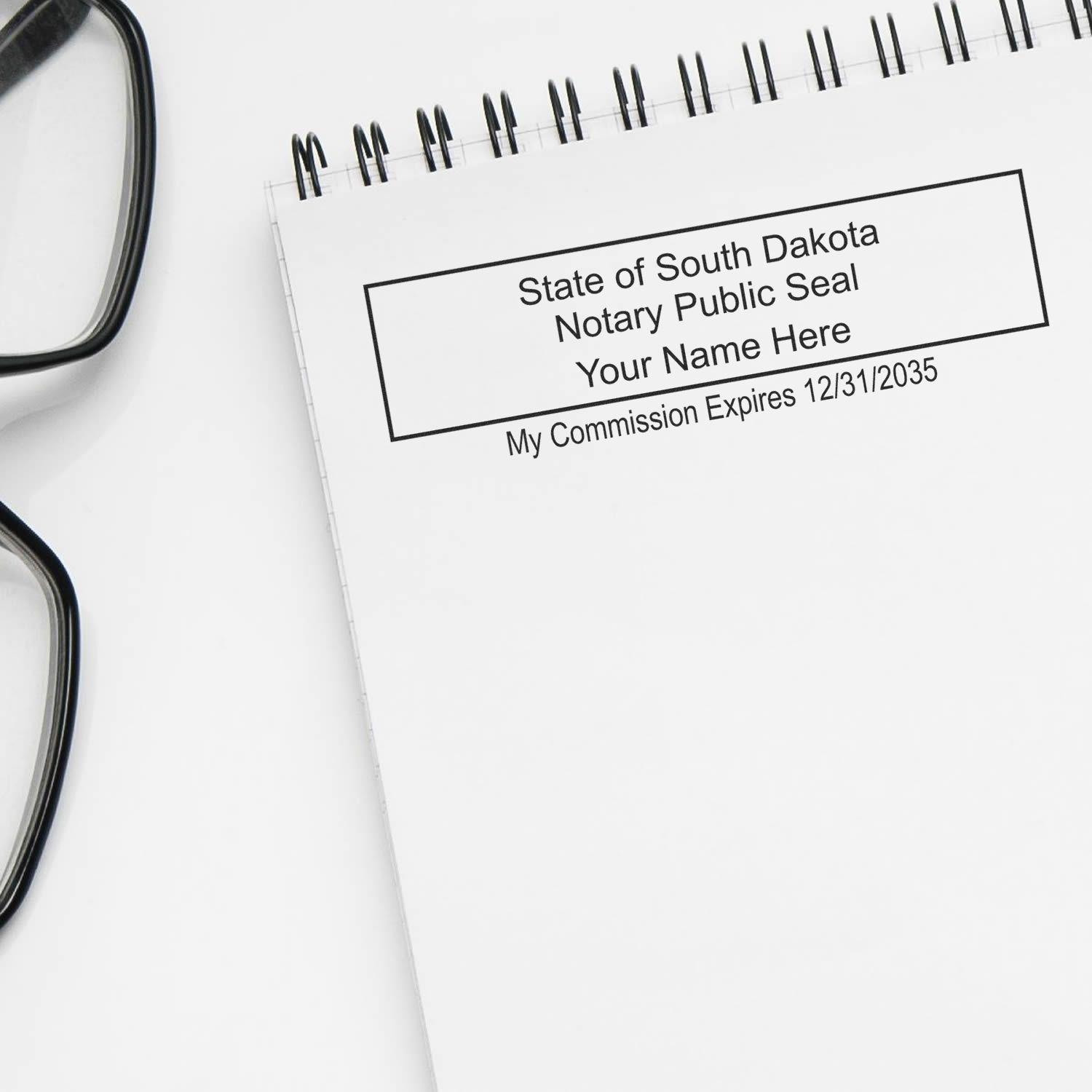
When you serve as a notary public in the Mount Rushmore State, your south dakota notary stamp is more than just another office accessory. It’s a key part of your official duties, a reflection of your professionalism, and a safeguard for the public’s trust in legal documents. Whether you’ve just recently received your commission or you’re searching for an upgrade, you want a stamp that meets state guidelines, leaves a clean impression, and endures daily use.
In this guide, you’ll learn what sets a great South Dakota notary stamp apart, how to ensure full compliance with state regulations, and why choosing a reliable supplier makes all the difference. You’ll also find practical advice to keep your stamp in top condition, plus a few insider tips from Acorn Stamps. Acorn Stamps is a top supplier of South Dakota notary stamps and seals, known for stellar customer service, super fast turnaround, and a proud history of being family owned and operated since 1964. If you’re aiming to streamline your notarial process and make your mark with confidence, read on.
Understand South Dakota Stamp Requirements
Before you buy any stamp, you need to confirm that it aligns with South Dakota’s legal requirements. While each state holds its own rules around notarial instruments, South Dakota’s guidelines help you create signatures and seals that are legitimate and recognized in courts or official proceedings.
State Guidelines
- Shape And Format
South Dakota requires a rectangular seal and a generally legible layout. Always check the exact sizing rules stated in the South Dakota Codified Laws so you know what you can and cannot do.
- Mandatory Wording
Your stamp must include the words “Notary Public” and “State of South Dakota,” along with your name and commission details. If you’re unsure about the exact wording, consult the official notary regulations via the state’s website to avoid any oversights.
- Commission Expiration
Many stamps also incorporate your commission expiration date. This is not optional in some states, so double-check whether you’re required to add it to your design.
Common Oversights
- Missing or Incorrect Information
A notary stamp missing “State of South Dakota,” for instance, will not meet the legal requirement. Always verify the spelled-out official name.
- Illegible Print
Tiny or overly stylized fonts can be tough to read. Pick a style that offers clarity over the long haul. By paying close attention to these details, you’ll sidestep potential compliance issues that might jeopardize the validity of notarized documents.
Choose the Right Notary Stamp Type
When it comes to notary stamps, there’s no one-size-fits-all solution. Each type offers a unique balance of durability, ink quality, and convenience. By understanding your options, you can choose a stamp that suits your daily routine and the volume of documents you process.
Self-Inking Stamps
A self-inking stamp houses its own ink pad. Each time you press down, the rubber or polymer face flips against the pad before stamping your document. If you handle many notarizations in a day, this quick action and reliable inking save you time. Common perks include:
- Clean, Crisp Impressions
- Faster Stamping Cycle
- Minimal Maintenance
However, if the ink runs low, you’ll need to replace or refill the ink pad. While straightforward, it’s another step to manage when your schedule is packed.
Pre-Inked Stamps
Pre-inked stamps store ink inside their rubber or polymer surface, eliminating the need for a separate pad. These stamps are often praised for their ultra-sharp impressions and can last for thousands of imprints before needing a refill. Key benefits are:
- High-Resolution Imprints
- Quiet Operation
- Compact Build
They can be a bit pricier up front, and refills may require special ink. Still, their professional imprint quality makes them a solid choice if clarity is a priority.
Traditional Rubber Stamps
Some notaries prefer classic rubber stamps used with a separate ink pad. While more old-fashioned than self-inking or pre-inked models, they have advantages:
- Long Lifespan When Properly Cared For
- Greater Control Over Ink Selection
- Often Less Expensive Initially
On the flipside, you’ll need to carry your ink pad, which can be less convenient if you travel for notarizations.
Look for High-Caliber Materials
Not all stamps are created equal. Sometimes you’ll find a product that looks appealing but wears out after a few months. As a notary public, you rely on a clean and professional impression on every document. Subpar materials or poor manufacturing can lead to smudged text and repeated purchases, costing you both time and money.
Craftsmanship Indicators
- Laser-Etched Text and Graphics
Laser-etching creates crisp edges on the text. You’ll see a clear, detailed impression without the jaggedness that cheaper production methods can cause.
- Sturdy Outer Shell
Whether it’s made from industrial-grade plastic or metal, you want a stamp body that can withstand years of use.
- Ergonomic Design
A well-designed handle or grip helps reduce fatigue, especially if you’re stamping numerous documents daily.
Acorn Stamps’ Commitment to Quality
At Acorn Stamps, you’ll find that each South Dakota notary stamp is carefully crafted with both durability and clarity in mind. The materials are weather-resistant and suitable for frequent use, and the stamp’s layout adheres to state guidelines. You can also count on quick turnaround times, perfect for when you need your official stamp ASAP.
Plan Your Stamp Layout Strategically
South Dakota law dictates which elements must appear on your notary stamp. Even so, you still have a bit of room to maneuver on font style and arrangement. A well-planned layout not only helps you look professional but also speeds up your workflow.
Legible Font Choices
Sans-serif fonts, those without the small lines at the ends of characters, are generally the easiest to read. Make sure the letters are large enough that basic information can be recognized quickly.
Consistent Line Spacing
Space your text well so it doesn’t blend together. This helps avoid confusion over expiration dates, names, and official titles. If your stamp is too crowded, consider a slightly larger body size to achieve clarity.
Personal Touch
While you want to meet official criteria, you can still incorporate small design elements. For instance, you might pick a subtle border or a slight color variation in the impression. Some notaries feel that these extras help them stand out, but be careful not to overshadow the legally required details.
Manage Your Stamp to Extend Its Life
One of the most common complaints among notaries is how their stamps fade over time or produce inconsistent results. Proper care can help you avoid smudges, incomplete ink transfers, and partially stamped text.
Daily Cleaning Habits
- Wipe Off Excess Ink
After a busy day, carefully blot or wipe your stamp to remove any build-up. This simple step makes a big difference in preserving the crispness of your imprint.
- Keep It Capped
If your stamp comes with a protective cover, use it. This prevents dust or debris from settling on the surface.
Routine Ink Maintenance
- Refill Responsibly
Whether you use a self-inking or pre-inked stamp, follow the manufacturer’s guidelines for refills. Over-inking can lead to messy results, while under-inking leaves your impression too faint to be valid.
- Store at Moderate Temperatures
Extreme heat or cold can affect the viscosity of your ink, causing patchy impressions. Try to store your stamp in a temperature-controlled space away from direct sunlight. By incorporating these best practices, you’ll protect your investment and consistently meet the state’s standards for readable, long-lasting notary marks.
Explore Seals and Embossers
In addition to a South Dakota notary stamp, some professionals like to keep an embosser or raised seal on hand. Although South Dakota typically recognizes the stamped seal, an embossed image can add a certain gravitas to your documents or be required in specific situations.
Advantages of Embossers
- Adds a Professional Touch
Embossed seals often make documents look more official, which can reassure clients or signers.
- Hard to Duplicate
An embossed seal leaves a physical impression in the paper, providing an extra layer against fraud.
What to Keep in Mind
- Ease of Use
Handheld embossers can require a decent amount of pressure, and desktop varieties might be a better solution if you emboss frequently.
- Alignment
Because an embosser doesn’t use ink, you’ll need to be precise about where you place the seal. Practice on spare sheets to get a feel for correct positioning.
Trust a Family-Owned Leader: Acorn Stamps
Your South Dakota notary stamp is more than a tool, it’s a symbol of your authority. That’s why choosing Acorn Stamps for your stamp or seal can bring you peace of mind. For nearly 60 years, Acorn Stamps has been family owned and operated, providing notaries with high-grade products and personal customer service.
Why Notaries Rely on Acorn Stamps
- Stellar Customer Service
If you have any questions, need a custom design, or want to ensure your stamp meets South Dakota legal specifications, help is just a phone call or email away. Their friendly staff knows the notary business inside and out.
- Super Fast Turnaround
As a busy notary, you can’t afford lengthy waits. Acorn Stamps works hard to complete orders quickly, ensuring your business runs smoothly even if you’re on a tight schedule.
- A Legacy of Quality
From the earliest days in 1964 to the present, they’ve remained committed to being a top supplier of notary stamps and seals. You can trust that each stamp’s imprint will hold up over time. By partnering with Acorn Stamps, you’re choosing a supplier deeply familiar with South Dakota’s requirements and the general demands of a professional notary.
Prepare for Your Notary Commission
If you haven’t yet gotten your official notary commission, it’s worth noting that your application process and your stamp order often go hand-in-hand. Acorn Stamps can help ensure you have the correct name and expiration date reflected on your new stamp, all while staying aligned with the state’s guidelines.
Steps to Finalize Your Commission
- Submit All Paperwork
Make sure your documents, references, and fees are correct and up to date.
- Await Confirmation
The state of South Dakota will issue your commission certificate if everything is in order.
- Order Your Stamp
Once your name, commission number, and expiration date are confirmed, you can finalize your stamp design.
- Register If Needed
Some counties require documentation of your stamp design. Check your local county’s clerk of court for details. By following these steps, you'll waste no time in performing your official duties once your commission is approved.
Tips for Professional Notarization
Having a top-quality South Dakota notary stamp is one piece of the puzzle. You also want to follow best practices that protect you, your clients, and the validity of each notarized document.
Maintain Accurate Records
Keep a careful log of each act you notarize. Whether you choose a physical journal or digital notary software, detailed records help confirm the authenticity of your work. Consider recording:
- Date and Time of Notarization
- Type of Document or Instrument
- Name and Contact of Signer
- Method Used to Verify Identity
Verify ID Thoroughly
Signing a document in front of a notary is a critical step, and verifying identity is paramount. Ask for a driver’s license, passport, or other government-issued ID that includes a photo and signature. You can also request additional proof if you have doubts.
Stay Current on Regulations
Notary laws can change. Make sure you stay in the loop by periodically checking for updates on the Secretary of State’s website. If you move or change your name, you’ll also need to update your commission and possibly order a new stamp.
Leverage Technology for Convenience
Even though notarization has a deeply traditional aspect, technology is playing a growing role. You may have heard of remote online notarization (RON) platforms that allow you to notarize digitally. However, South Dakota laws specify particular guidelines for online notarization, and you’ll want to be sure you adhere to them.
Digital Certificates
If you’re interested in electronic or online notarization, some states require a digital certificate that verifies your authority in an online environment. Given the state-specific nature of eNotarization, review any official rules through state resources first.
Hybrid Workflows
Some notaries find that a combination of traditional in-person stamping and occasional eNotarization suits their clients’ needs. The good news is that the fundamental requirement for official identification, a thorough understanding of local laws, and a reliable seal or stamp remains steadfast, no matter if you’re paper-based or fully digital.
Strengthen Your Professional Reputation
Your notary stamp, your demeanor, and your commitment to accurate recordkeeping all shape how others perceive your services. Being punctual, consistent, and detail-oriented helps your clients trust you, and trust is the cornerstone of any notarization.
- Extend a Friendly Greeting
South Dakota is known for its welcoming spirit, so set a comfortable tone whenever you handle someone’s documents.
- Explain the Process
Many people approach notaries with little understanding of what’s required. Offer a quick overview of the notarization steps to put them at ease.
- Keep Up Your Skills
If you sense gaps in your knowledge, look for courses or workshops that address new regulations or improved best practices. When you combine an excellent stamp from a reputable company like Acorn Stamps with professionalism and ongoing education, you’ll be well on your way to building a solid notary business.
FAQs
How Do I Know If My South Dakota Notary Stamp Is Compliant?
Make sure it includes your name, the words “Notary Public,” “State of South Dakota,” and possibly your commission expiration date if the state requires it. Always confirm the final design with your state’s notary regulations.
Should I Buy a Self-Inking or Pre-Inked Stamp?
It largely depends on your stamping volume and personal preference. Self-inking stamps can handle high-volume notarizations quickly, while pre-inked stamps produce exceptionally clear impressions and can be refilled less often.
Do I Need an Embosser as Well as a Stamp?
South Dakota typically requires a stamped seal, but some notaries keep an embosser to convey a more formal appearance or to fulfill specific client requests. Check local guidelines to see if any additional seal is required.
What If My Commission Name Changes?
If you change your legal name, you usually need to update your commission and then order a new stamp. Consult the Secretary of State’s office for the exact process to prevent any issues with your notarial acts.
Why Order from Acorn Stamps?
Acorn Stamps has delivered quality notary stamps and seals for nearly 60 years. They’re known for reliable production, fast turnaround, and family-owned customer service. By choosing Acorn Stamps, you’re working with a team that understands South Dakota’s specific needs and is ready to help you succeed.
Having a dependable South Dakota notary stamp from a trusted supplier like Acorn Stamps helps ensure that each document you notarize is crisp, consistent, and fully compliant. By caring for your stamp and continuously refining your notarial practices, you’ll safeguard your professional reputation and deliver outstanding service to the public.