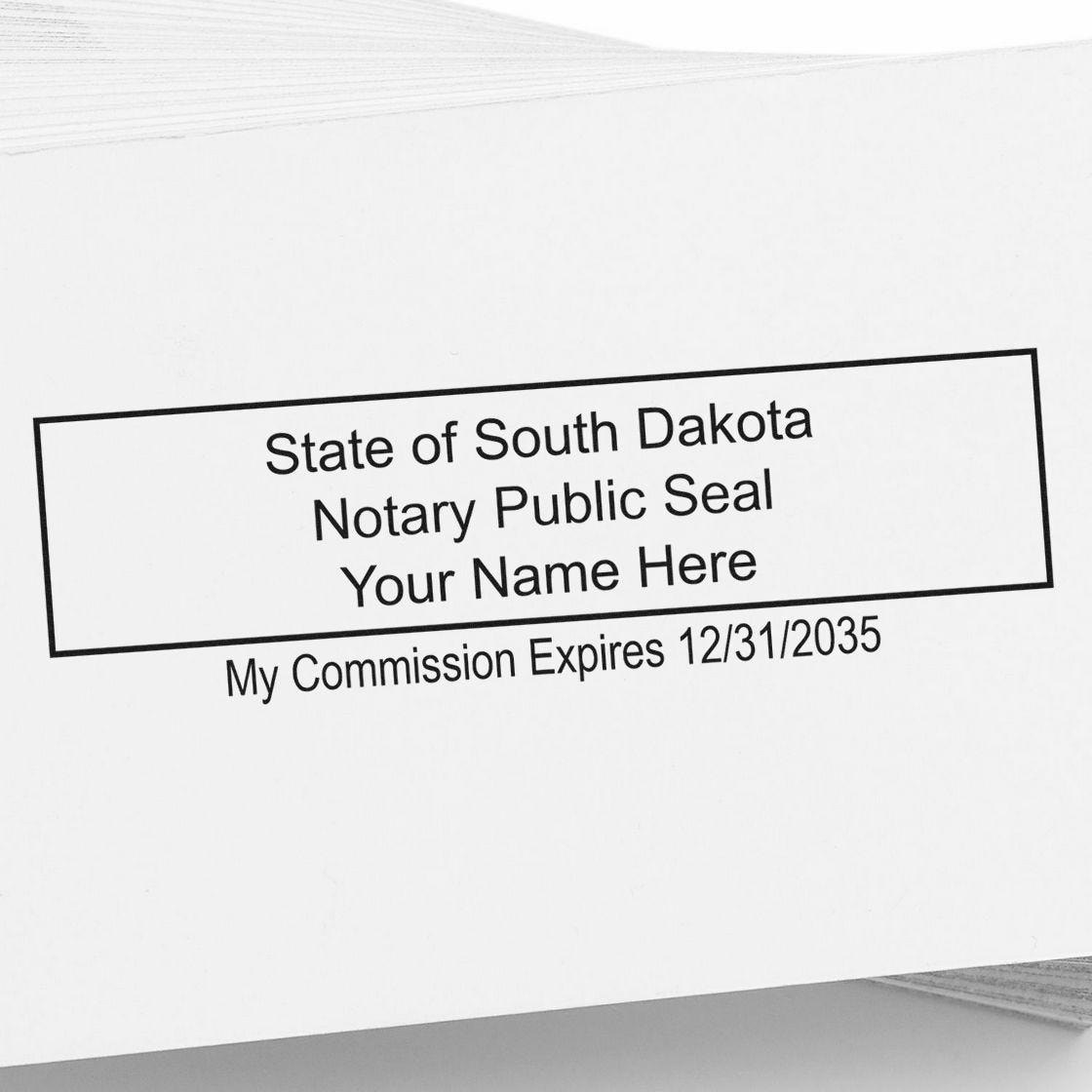
Are you ready to navigate the world of South Dakota notary seal requirements with confidence? Whether you have just started your commission or you have been stamping documents for years, it is essential to stay on top of the guidelines that keep your notarial work valid. Below, you will find practical tips and explanations to help you comply with state regulations. You will also learn about best practices for maintaining your seal and discover how to choose the perfect supplier for your South Dakota notary stamp and seal.
Know The Basic Requirements
South Dakota notary seal requirements set the framework for how your notarizations must appear. Before you place a single stamp on a document, you want to ensure that every detail on your seal aligns with state rules.
- Your Stamp’s Wording: By law, your seal must include specific elements such as your name, the words “Notary Public,” and the phrase “State of South Dakota.”
- Authorized Dimensions: You want to confirm that the seal is not excessively large or tiny. While the state does not always impose strict size constraints, you should opt for a stamp or seal that is easy to read.
- Ink Color Options: Although South Dakota does not mandate a single color, a darker shade like black or blue ensures better visibility. These colors scan and photocopy well, which can be important for official record-keeping.
Importance Of Consistency
Once you select a design for your notary seal, keep it consistent. Using multiple versions of your seal can confuse the recipients of your notarized documents or cause trouble if someone questions the seal’s authenticity. Consistency helps you avoid any potential suspicion and keeps your transactions professional.
Verifying Your Commission Details
When you first receive your notary commission from the Secretary of State’s office, double-check that your name and commission date match exactly on your stamp or embosser. Even a small spelling mistake or an incorrect expiration date could invalidate your notarized work. If you change your name or other information during your commission, you will need to update your seal accordingly.
Ensure Legibility And Format
Even if you meet all the official requirements, you will still want to guarantee that anyone looking at your notarized document can read your seal. Illegible seals lead to confusion, rejections, and wasted time.
- Choose Clear Fonts: Highly decorative or stylized fonts might look interesting, but they pose a risk of illegibility. You will want a simple and bold typeface so that your notarial details remain clear.
- Maintain Proper Spacing: Crowded text tends to become blurry. Ensure that all required elements, your name, the state, and the words “Notary Public”, have enough room on the seal to remain sharp.
Visibility In Photocopies
In many cases, your notarized documents will be photocopied or scanned. If your seal is faint or too busy, it might disappear or blur. Using a dark ink and ensuring a crisp design will help the mark remain visible in every situation.
Electronic Considerations
If you plan on handling e-notarizations in South Dakota, confirm whether the state allows an electronic seal and if the same content rules apply. In many jurisdictions, the notary’s digital seal mirrors the same text and layout required for physical stamps. While South Dakota’s requirements can sometimes change, the core principle remains: your identity as a notary should be unmistakable to both the signer and any official reviewing the document.
Follow Commission Protocols
In addition to meeting the physical requirements of your seal, you must also manage the legal protocols for your commission. Understanding these steps protects both you and the public, ensuring that every notarization you perform is valid.
- Complete Your Application: Your journey begins with applying to the South Dakota Secretary of State. You will confirm your name exactly as it should appear on your stamp. Once approved, you will receive an official commission certificate.
- Obtain A Surety Bond: In South Dakota, notaries must carry a $5,000 surety bond, guaranteeing that you can cover damages if you accidentally make a mistake or engage in misconduct. While the bond protects the public, it also underscores the trust that goes into your position.
- Record Your Commission: Some states mandate filing your commission details with a local clerk of courts. In South Dakota, be aware of any local or county-level steps that might apply. Always keep your official records up to date.
- Purchase Your Seal: After your commission is approved, you will be ready to buy a seal that meets the state’s guidelines.
Best Practices For Renewals
Your commission does not last forever. Typically, you will renew every six years in South Dakota, although it is essential to check for updates. As your expiration date approaches, start the renewal steps early:
- Revisit The Requirements: If any changes in the law have occurred during your commission, factor them into your new seal.
- Update Bond Information: You may need to renew your $5,000 surety bond or find a new provider.
- Avoid Gaps In Service: By renewing in a timely fashion, you avoid a lapse in your ability to notarize documents.
Keep Your Seal Secure
Once you have your notary seal in hand, safe storage is crucial. Your seal is your signature in stamp form, and if it falls into the wrong hands, it can lead to fraudulent documents and serious legal complications.
- Lock Up Your Seal: A locked drawer, safe, or cabinet is best. You do not want your seal to be available to anyone else, even if they are a trusted colleague.
- Monitor Access: If you work in an office, keep an eye on anyone entering your workspace, especially if you leave for lunch or attend a meeting.
- Replace Worn Stamps: Over time, rubber stamps can wear out, and embossers can become dull, reducing your seal’s clarity. If you start seeing blurred or incomplete impressions, it may be time for a replacement.
Handling Lost Or Stolen Seals
If your seal goes missing, report it immediately to state authorities. South Dakota notary seal requirements include safeguards to ensure public trust in notarizations, but those are only as strong as your vigilance. Canceling or invalidating your stamp helps prevent unauthorized use, and you will likely need to purchase a new seal to continue your notarial duties.
Buy From A Trusted Supplier
With your commission in place, you will want high-quality South Dakota notary stamps and seals that match every requirement. You also deserve a supplier who can provide stellar customer service and deliver a fast turnaround, especially when time is tight.
Why Acorn Stamps?
Acorn Stamps has been a family-owned business since 1964, celebrating 60 years of service. During that time, our team has earned a reputation for offering notaries an easy, stress-free experience. Here’s what you can expect:
- Knowledgeable Guidance: Unsure which type of seal will best serve your commission? The Acorn Stamps team stays informed on the latest South Dakota notary seal requirements and can steer you in the right direction.
- Quick Delivery: We understand that you might need your stamp fast, particularly if you just received your commission or are on the verge of renewing it. Our super-fast turnaround ensures you can begin or continue your notarial work without delays.
- Quality Materials: A high-quality stamp or embosser helps you create crisp, readable imprints. With Acorn Stamps, you get durable materials that maintain clarity across hundreds of notarizations.
- Customer Support: Stellar customer service is at the heart of our operation. If you have questions or run into challenges, you can rely on our team for prompt and helpful responses.
Choosing The Right Stamp Or Embosser
You might be wondering which notary tool to choose. Whether you go for a self-inking stamp, a pre-inked stamp, or a traditional embosser depends on how often you plan to notarize and the types of documents you handle:
- Self-Inking Stamp: Offers a swift impression and usually lasts through thousands of uses before requiring more ink.
- Pre-Inked Stamp: Produces exceptionally crisp impressions, especially useful for high-volume notaries who demand clarity.
- Embosser: Leaves a raised seal on paper, which adds a tactile element of authenticity. However, an embosser can be less visible in photocopies, so you may want to include an inked stamp along with it.
Maintain Detailed Records
Accurate record-keeping is essential for every notary. Although South Dakota does not mandate you to keep a journal, it remains one of the most recommended best practices across notary communities. Keeping a journal helps in case a document faces a legal challenge, as you can back up your memory with written proof of the transaction.
What To Record
- Date of Notarization: Always note the day, month, and year.
- Type of Document: For example, a Power of Attorney, Deed, or Affidavit.
- Signer’s Information: Note the signer’s name and contact details.
- Identification Method: Specify whether you checked a driver’s license, passport, or other approved ID.
Importance Of A Backup
Consider storing a digital backup of your notarial records if you maintain a physical journal. Scans, photos, or an electronic log can be invaluable if a fire, flood, or theft affects your workspace. By having a backup, you ensure continuity no matter the circumstances.
Avoid Common Pitfalls
Even if you have a proper seal and follow all the duties, a few oversights could jeopardize your notarial acts. Stay ahead of potential issues by remaining vigilant:
- Overstepping Your Authority: Notaries cannot offer legal advice unless they are also licensed attorneys. Refrain from advising clients on legal matters, and instead direct them to a suitable professional.
- Incorrect Venue: Make sure you list the correct county and state on every notarization, especially if you are traveling to different corners of South Dakota.
- Not Checking Signer Identity: A thorough ID check is crucial. Rushing through that step can lead to notarizing a forged or fraudulent signature, exposing you to legal trouble.
Staying Updated On Law Changes
The Secretary of State’s office may periodically revise guidelines for notaries. Make it a habit to check the official website for updates to ensure your knowledge stays fresh. Engaging with notary organizations or local professional groups can also keep you aware of any news or legislative changes that could affect your practice.
FAQs: South Dakota Notaries
Below are five frequently asked questions that can help you clarify any lingering doubts about your stamp, your duties, or general notarial work in South Dakota.
Do I Need A Specific Size For My South Dakota Notary Stamp?
There is no single mandated size, but your seal should be large enough to fit all the required elements, your name, the words “Notary Public,” and “State of South Dakota”, in a clear, legible format. Aim for a stamp that leaves an unmistakable and readable impression on paper.
How Often Do I Need To Renew My Notary Commission?
In South Dakota, your notary commission typically lasts six years. You should start the renewal process before your commission expires to avoid a lapse in your authority to perform notarizations. Failure to renew on time could mean stopping your services until you complete the updated application and receive your renewed commission.
Is It Mandatory To Use Black Ink For My Seal?
South Dakota law does not mandate a specific color, but black or blue ink is highly recommended because it is easier to read and reproduces better in photocopies. A crisp, dark hue gives you the clearest possible impression.
What Should I Do If I Move To Another County In South Dakota?
If you move to a new county within the state, you should update your address with the Secretary of State. While a move does not automatically invalidate your commission, you want to ensure that your official records reflect your current information. This step helps avoid confusion when you apply for renewal or when someone needs to verify your credentials.
Where Can I Get A Reliable South Dakota Notary Seal?
You can find multiple suppliers, but it is wise to choose one that specializes in notary supplies for your specific state. Acorn Stamps, for example, has been a family-owned business for 60 years. We stay on top of all the latest South Dakota notary seal requirements and aim to deliver the best quality products quickly. Our stellar customer service and extensive experience make us a trusted choice among notaries.By following these guidelines, you will feel more confident stamping official documents and performing your role as a South Dakota notary public. Your seal plays a vital part in validating signatures and protecting the integrity of legal transactions. With the right equipment, up-to-date knowledge, and a commitment to accuracy, you can fulfill your notarial duties without worry.Whenever you need a new notary seal or have questions about requirements, remember that you do not have to do it alone. Whether you drop by the Secretary of State’s website to stay current on changes or connect with a reputable supplier like Acorn Stamps, your thorough approach to compliance will set you up for success. By prioritizing legibility, security, and professional standards, you will ensure your stamping skills remain valuable to the individuals and communities you serve.