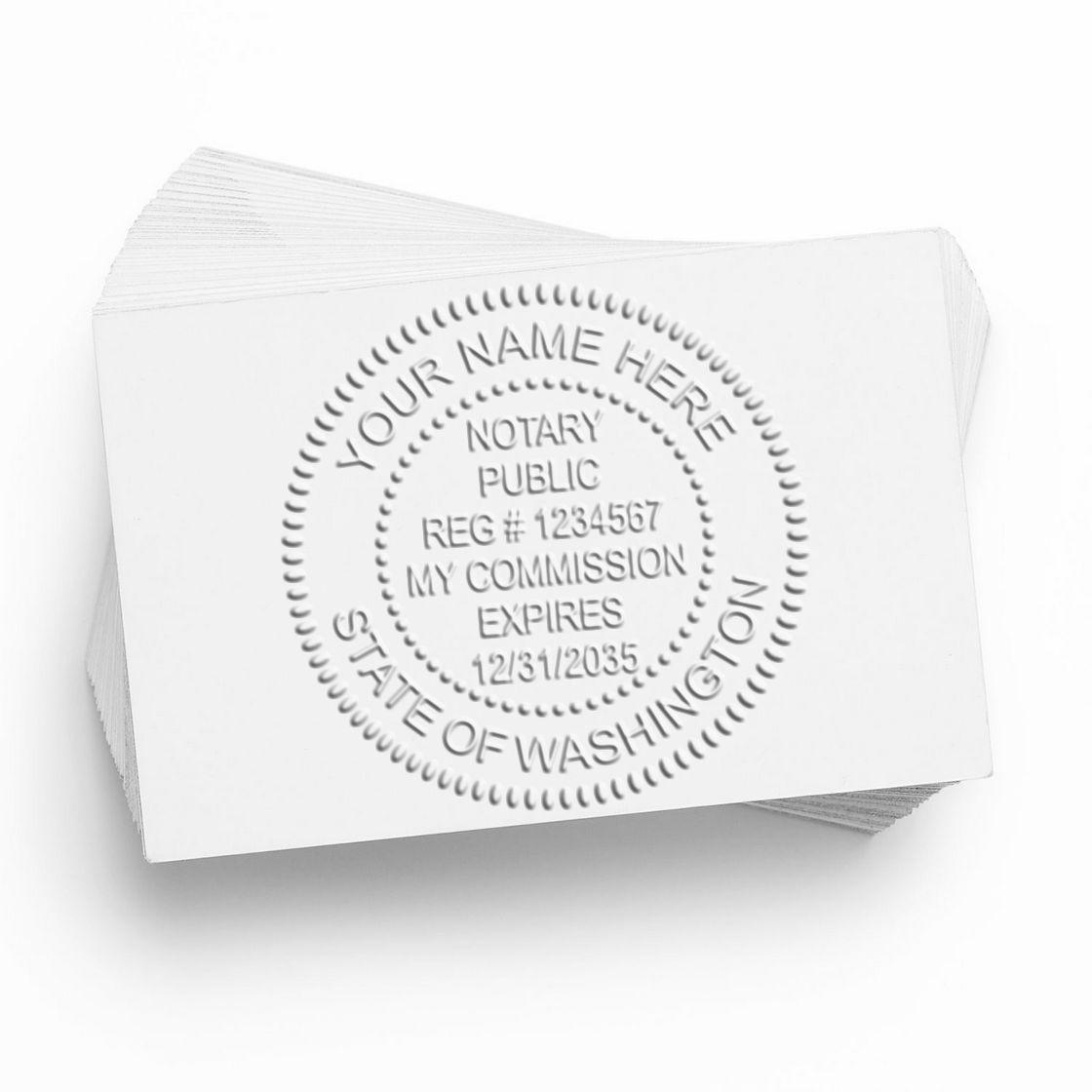
Mastering Washington notary seal requirements can feel overwhelming at first, but once you understand the basics, you will find it much easier to stay in full legal compliance. As a Washington Notary Public, you recognize how important a notary seal is for protecting the integrity of every signing you perform. By following a few essential guidelines and choosing a reliable supplier, you can ensure your notary seal is always valid, clear, and ready for each notarization.
Below, you will find an in-depth look at Washington notary seal requirements. You will learn what your seal must include, how to use it properly, and how to maintain it over time. If you are new to the notary role or need a refresher on state standards, read on for practical tips and best practices that will keep your notarial acts legally sound.
Understanding Washington Notary Seal Requirements
A notary seal is far more than just a stamp on a piece of paper. It is a visible confirmation to anyone reading the document that you are an authorized representative of the state, empowered to officially witness signatures, administer oaths, and verify identities.
Why a Notary Seal Is Essential
You might be wondering exactly why a physical or electronic impression is required for each notarized document in Washington. Because your job is to protect the public against fraud and ensure authenticity, the seal you apply:
- Acts as an official marker of your authority granted by the state.
- Confirms that the person who signed the document appeared before you.
- Supplies the public with your name and commission details in case they need to verify or question the notarization.
- Establishes a clear boundary between legitimate and questionable notarizations.
When something as simple as a seal can provide so many critical safeguards, it is easy to see why Washington notary seal requirements are taken seriously.
Key Elements to Include
Under Washington law, your notary seal design must be legible and must feature specific text. The exact wording can vary slightly depending on the seal format, but it generally includes:
- Your full name as it appears on your notary commission.
- The words “Notary Public” and “State of Washington.”
- The date your commission expires, or the term of the commission.
- A border or outline that clearly defines the seal’s shape.
These elements help ensure that anyone who views the seal can confirm the notary’s identity and the seal’s authenticity. Clear, readable text is paramount. Fading, smearing, or missing details could lead to questions about the validity of a notarization.
Meeting Legal Obligations
The state of Washington outlines specific legal obligations for placing and using your seal. Committing these rules to memory will help you avoid any issues that might invalidate your notarial acts.
Authority and Commission Details
Your authority to perform notarizations stems from your notary commission, which you receive after meeting certain state requirements. Your notary seal, in turn, showcases that authority visually. Always verify that:
- The name on your seal matches the name on your commission exactly.
- The expiration date on your seal reflects the end date of your current commission.
- You keep your commission information up to date in case of a name change or address change.
If the details on your seal do not match your legal name and commission information, you may need to order a new one promptly to maintain compliance.
Placement Guidelines and Inking
Once your seal meets the state’s design criteria, you need to place it correctly on each document. In most notarized documents, you will stamp under or near your signature. Pay attention to these tips:
- Use ink in a color that reproduces clearly when photocopied or scanned (e.g., black or dark blue).
- Avoid stamping over text, signatures, or any area where it will be difficult to read.
- Ensure the seal impression is fully visible, with all text easily read.
- Double-check local guidelines or client preferences for seal placement if needed.
Making a clean, legible impression every time is essential for upholding the law and protecting all parties involved.
Procuring Your Washington Notary Seal
Obtaining a notary seal is a critical step in your notarial journey. You want a high-quality seal that meets every requirement, holds up over repeated use, and resists faint or messy impressions.
Finding a Trusted Supplier
A top priority is to purchase from a reputable vendor that understands Washington notary seal requirements. While many suppliers offer notary products, it is worth doing a bit of research before making your final choice. Look for:
- Businesses that clearly label their existing notary seals as compliant with Washington law.
- Positive customer reviews focusing on professional craftsmanship and durability.
- Seasoned experts who can answer your questions and help you choose the right stamp style and ink color.
Acorn Stamps is a standout option that satisfies all these criteria and more. Family-owned and operated since 1964, Acorn Stamps has provided notaries with top-tier supplies for over 60 years. You will find a variety of Washington notary stamps and seals, all backed by stellar customer service and super fast turnaround times.
Ordering Essentials
When you place your order, be prepared to provide information regarding your notary commission. In most cases, the seal vendor will request:
- Your full legal name exactly as it appears on your commission.
- Your commission number, if applicable.
- Your commission expiration date.
- Additional details like your shipping address and preferred ink color.
After you receive the seal, test it on a scrap piece of paper first. Confirm all details print correctly and that the impression is crisp. If you notice any errors or fading, contact your supplier immediately for a replacement.
Maintaining Your Notary Seal
Proper care of your seal is just as important as ordering a compliant design in the first place. A worn-out or faint stamp can cause confusion, leading clients or officers to question a document’s authenticity.
Proper Storage
Storing your seal in the right environment helps preserve the stamp or embosser:
- Keep your seal in a cool, dry area away from direct sunlight.
- Store it upright or flat, depending on the seal’s instructions, to prevent ink leakage.
- Always keep it in a secure spot where unauthorized individuals cannot access it.
Protecting your seal from damage or misuse is a legal obligation. The more cautious you are, the less likely you will need a costly replacement.
Replacing Ink and Parts
All stamps and embossers will eventually require new ink or replacement parts. You will usually notice inconsistencies in your seal impression, such as uneven ink coverage or incomplete text. When this happens:
- Purchase manufacturer-recommended ink refills to avoid potential damage.
- Clean your seal gently, removing any buildup or debris.
- Inspect moving parts periodically—springs or mechanisms can wear down with frequent use.
By performing occasional tune-ups, you can extend the life of your seal and reduce the need for premature replacements.
Common Mistakes to Avoid
Even well-intentioned notaries can make errors that lead to problems later on. By being mindful of these pitfalls, you will keep your notarizations valid and professional:
- Relying on a Faded Impression: If a partial outline of your seal appears, restamp or re-ink immediately to ensure it is readable.
- Skipping Updated Seals: Failing to replace your seal after a legal name change or renewed commission is a major infraction that can invalidate notarizations.
- Using Noncompliant Accessories: Seals purchased from non-specialized vendors might not align with Washington notary standards. Always confirm a product’s compliance before buying.
- Stamping Illegible Areas: Placing the seal over a signature, date, or text can obscure critical parts of the document, causing confusion.
- Leaving the Seal Unattended: Prevent fraud by keeping your seal under lock and key. Never let others apply your seal without your direct supervision.
Review your process regularly to ensure you stay within the state’s guidelines. With a bit of caution, you can maintain a spotless notarial record.
How Acorn Stamps Supports You
If you are searching for a dependable supplier of Washington notary stamps and seals, look no further than Acorn Stamps. Here is what sets them apart:
- Top Supplier Status: With decades of experience delivering notary supplies, Acorn Stamps understands the unique requirements each state imposes, including Washington.
- Stellar Customer Service: Have questions about your notary seal design or are you not entirely sure which product to choose? The friendly customer support team will guide you step by step.
- Super Fast Turnaround: You are busy. Acorn Stamps appreciates how important a quick turnaround time is for a notary whose commission may start or renew soon. You will receive your seal fast, without compromising on quality.
- Family-Owned Legacy: With 60 years in business, Acorn Stamps prides itself on offering personalized care and top-tier products that embody a tradition of excellence.
Working with an experienced supplier simplifies your path to meeting Washington notary seal requirements. You can focus on notarizing documents confidently, knowing your seal meets every standard demanded by the state.
Frequently Asked Questions
Below are five common questions people have about Washington notary seal requirements. These concise answers will help you feel even more prepared in your role.
Do I Need a New Seal When My Commission Expires?
Yes. When you renew your commission, the seal should include your updated expiration date. Although some notaries wait until the official renewal is confirmed, placing a timely order for a new seal ensures you do not miss a single notarization.
Can I Use a Self-Inking Stamp Instead of an Embosser?
Absolutely. Washington allows various types of seals, such as pre-inked or self-inking stamps, as long as they display all required text. Choose a high-quality option you find easiest to apply consistently and legibly.
How Should I Document Seal Use in My Notary Journal?
You typically note date, time, type of document, signer’s information, ID details, and the fee charged. While you do not necessarily record details about the seal’s appearance, always confirm you are applying a proper seal impression for each entry.
Is It Possible to Share a Seal With Another Notary?
No. Each Washington notary commission is unique to the individual, and every notary requires their own seal that matches their train name and commission info. Using a shared seal violates standard rules and could lead to strict penalties.
What If My Seal Becomes Lost or Stolen?
Report it as soon as possible to the appropriate authorities and replace the seal right away. Using a lost or stolen seal can compromise the validity of your future notarizations, and immediate reporting helps protect you and the public from fraudulent acts.
By keeping these guidelines and tips in mind, you will confidently fulfill all Washington notary seal requirements. The extra care you invest in selecting, maintaining, and properly using your seal ensures every notarized document you complete stands up to scrutiny. And remember, you are not alone in this process—brands like Acorn Stamps are here to help you navigate the details, so you can focus on offering reliable notarial services in your community.