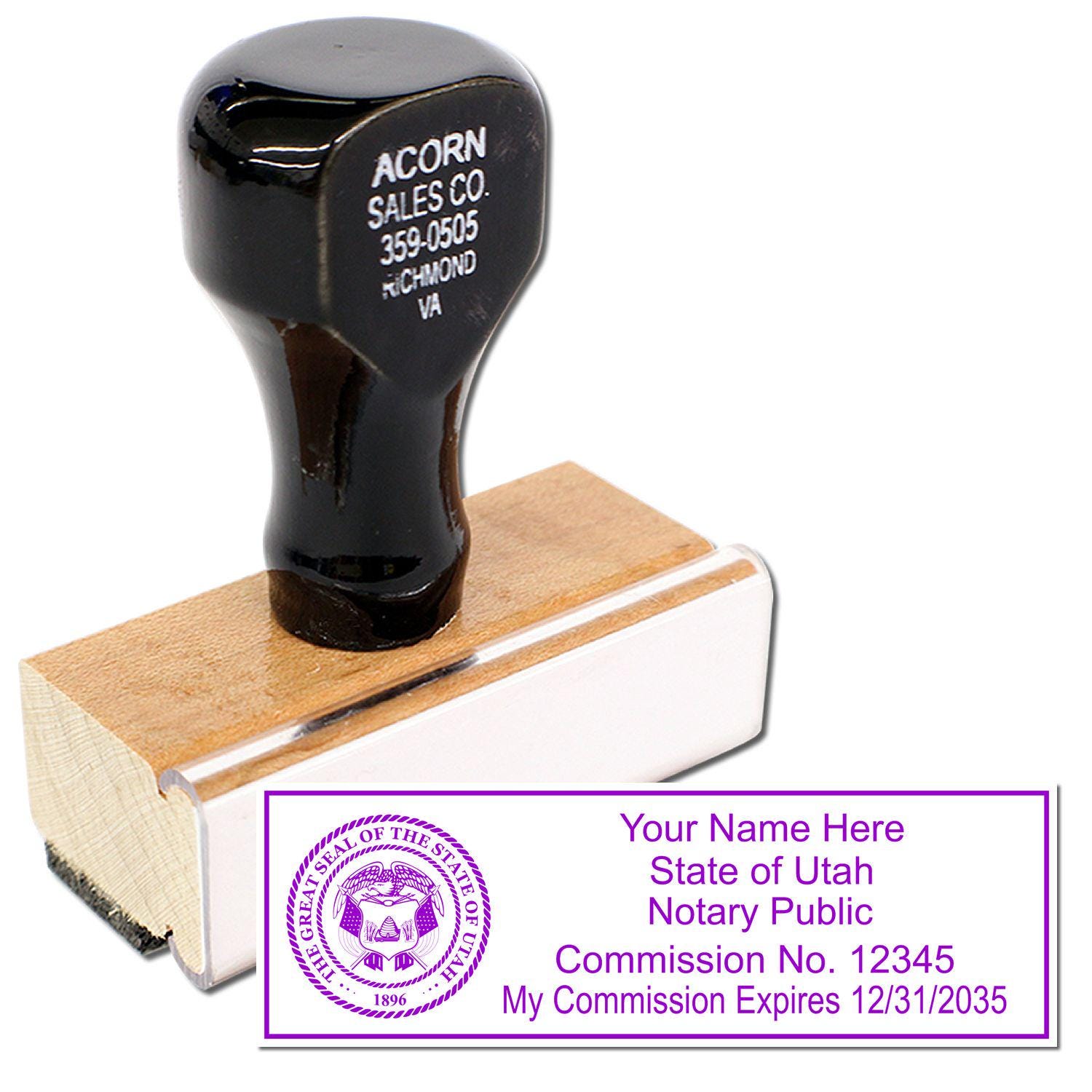
Being a notary public in Utah involves significant responsibility. You carefully verify identities, confirm the willingness of all signers, and maintain accurate records. However, one item that often goes underappreciated is your Utah notary embosser. This small yet essential tool leaves a raised, professional seal on vital documents, affirming their authenticity. Whether you are new to notarial duties or looking to upgrade your equipment, understanding how embosser tools work and what makes them effective will help you excel in your role. Below, you’ll explore every aspect of the Utah notary embosser, from its core functions to practical usage tips, so you can feel confident in every document you stamp.
Understand the Utah Notary Embosser
A Utah notary embosser is designed to create a distinctive raised impression on legal documents, certifying that the signer’s identity has been verified and the document has been notarized according to state regulations. In your position as a Utah notary public, you must meet specific guidelines set by state law, which often include the use of an official seal or stamp. While many notaries opt for an inked stamp, an embosser offers a refined, professional touch that stands out on various documents.
By pressing two metal plates together, the embosser leaves a subtle but unmistakable imprint featuring your notary information. This raised impression often includes elements such as:
- Your name and title (e.g., Notary Public, State of Utah).
- Your commission number or expiration date, if required.
- The state’s name or seal.
Having a clearly readable, well-aligned imprint is crucial because it assures the receiving party that your notarial act has complied with Utah’s legal requirements. The embossed seal also makes it more difficult for scammers to replicate or alter your seal, adding a layer of security to each notarization. Some lenders, legal entities, and government agencies even prefer an embosser’s raised seal because it can be felt by touch, signifying the document’s authenticity immediately.
Explore Key Features
When selecting a Utah notary embosser, you want to make sure it aligns with both state standards and your personal preferences. Considering the following key features can help you narrow down your choices:
- Handheld vs. Desk Models
Handheld embossers are portable and easy to travel with. They fit nicely in a bag or briefcase, making them ideal if you often provide mobile notary services. Desk models, on the other hand, tend to be larger and heavier but can deliver a more consistent impression if you typically work from one location.
- Crimping Pressure
The pressure the embosser applies when you press down the handle is known as crimping pressure. Look for an embosser with balanced tension. If it’s too flimsy, you might need to squeeze extra hard, leading to hand fatigue. Too much tension, however, could tear or distort thinner paper. An adjustable tension or a well-engineered spring mechanism ensures a clear impression on different paper stocks.
- Metal Quality and Finish
High-quality, durable metal parts are crucial for longevity. A sturdy metal frame resists bending or warping, while a reliable hinge prevents misalignment over time. You may also prefer a comfortable handle grip with a smooth finish that stays secure in your hand.
- Customization Options
Many suppliers let you customize certain elements of your embosser, such as adding your commission details or selecting a specific layout that suits your notarial needs. Just be sure your customization meets Utah’s legal guidelines, including the correct wording and accurate commission information.
- Impression Clarity
None of the other features matter if the resulting seal is difficult to read. Look for an embosser that leaves crisp, sharp letters. A well-defined seal helps official documents pass scrutiny and ensures the relevant parties can clearly see your notarial information.
Exploring these features in detail will help you find an embosser that is easy to use while delivering a clear, professional result.
Maintain Your Embosser
Routine maintenance is essential if you want to ensure your Utah notary embosser continues producing sharp, legible impressions throughout its lifespan. Although embossers are relatively low-maintenance devices, neglect can still lead to faulty seals or even accidental damage. By following a few simple steps, you can keep your tool in top working order:
- Clean the Plates Regularly
Over time, tiny bits of paper, dust, or debris can accumulate on the metal plates of your embosser. A gentle wipe with a clean, slightly damp cloth can remove most surface grime. Make sure the plates are completely dry before storing the embosser to prevent rust or spotting.
- Check Alignment Often
If you notice that your seal is starting to appear misaligned or partially cut off, stop and inspect the hinge or pivot points. These should line up properly so the plates press together evenly. Tighten any loose screws or consult the manufacturer’s instructions if you suspect a part has become crooked.
- Store It Securely
Keeping your embosser in a protected case or drawer can prevent accidental drops and shield it from moisture. Since you’re working with official notary equipment, proper storage isn’t just about protecting the device, it also prevents unauthorized use of your seal.
- Test Before Each Use
Especially if you’ve just cleaned or transported your embosser, test it on a scrap piece of paper before notarizing an official document. This practice can catch any residual debris or alignment issues before they affect a legitimate notarization.
By dedicating a few moments to routine care, you’ll avoid costly replacements and ensure your embosser imprints a clean, professional seal every time.
Find a Reliable Supplier
Picking the right supplier is equally important to selecting the perfect embosser model. You want a vendor who understands Utah’s regulations, offers quality craftsmanship, and stands behind their products. Consider factors like:
- Industry Reputation: Positive testimonials or word-of-mouth referrals can reassure you of a supplier’s reliability.
- Customer Support: Clear communication and quick response times matter, especially if you need help customizing your seal or troubleshooting an issue.
- Product Variety: A supplier with a wide range of embossers, stamps, and seals will give you more options to find exactly what you need.
For many Utah notary publics, Acorn Stamps has become a go-to resource for top-quality notary stamps and seals. Family owned and operated since 1964, Acorn Stamps has delivered more than 60 years of service with stellar customer support and super-fast turnaround times. Whether you need a desk-style Utah notary embosser, a portable handheld design, or custom engraving, you’ll find options that meet state requirements and fit your personal preferences. Their friendly team can walk you through every step, from confirming that you have the right text for your seal to ensuring your order is processed quickly.
Follow a Simple Process
Using your embosser correctly is straightforward, but taking the time to master each step ensures a neat, valid impression on every document. Here’s a simple process to guide your notarial acts:
- Prepare the Document
Before you reach for the embosser, verify the document for completeness. Look for any blank spaces or missing information. Ensure all required fields, such as signer IDs or witness signatures, have been filled in accurately.
- Position the Embosser
Determine where the raised impression should go. Utah often requires your notary seal to be placed near the signature block or in a specific spot designated by the form. Double-check that the spot you choose follows state guidelines and is easy for recipients to locate.
- Align the Paper
Open the embosser slightly and slide the document between the metal plates. Carefully align the paper so that the seal portion you want to imprint matches the center of the plates. If the document is thick, make sure the paper is inserted fully so the pressure spans the entire design.
- Apply Firm Pressure
Close the handle smoothly and apply steady downward pressure. Avoid pressing too hard at first, as you can adjust the pressure if the initial mark looks too faint or too deep. A balanced approach gives you a clean, readable imprint without damaging the page.
- Inspect the Impression
Let go of the handle and gently remove the document. Check that your name, commission details, and the state’s information are fully legible. If the impression is clear, you’re ready to finalize the notarization.
Following this process is a simple way to guarantee that your raised seal looks presentable, meets Utah’s legal standards, and instills confidence in any signers or recipients of the notarized paperwork.
Avoid Common Errors
Even with a good-quality Utah notary embosser, a few easy-to-make mistakes can lead to unclear impressions or potential legal issues. By anticipating these pitfalls, you can sidestep complications:
- Using the Wrong Alignment
Always confirm that the text on the embosser plates matches your commission details. A misaligned or incorrectly engraved seal could invalidate the document.
- Pressing Too Lightly or Too Hard
This can result in a barely visible impression or a punctured page. Practice on spare paper to find the optimal amount of force.
- Neglecting State Regulations
Different states have their own unique notary seal requirements. Double-check Utah’s official rules to confirm your design follows the proper format, especially if you recently renewed your commission.
- Forgetting to Update Commission Details
If you renew your notary certification, remember to replace or update your embosser accordingly. Outdated information can jeopardize your professional credibility.
Avoiding these common errors keeps you in compliance and maintains the professional look of your notarial acts.
Summarize Key Insights
Your Utah notary embosser is more than just a stamp of approval. It is a crucial tool that reflects your professionalism and adherence to state regulations. By choosing the right model, caring for it properly, and applying a neat impression each time, you can instill confidence in your signers. Remember to select a dependable supplier, such as Acorn Stamps, to receive the best quality and dedicated support. With a reliable embosser at your disposal, you’ll uphold the integrity of every notarial act you perform.
Frequently Asked Questions
Do I Need an Embosser if I Have a Notary Stamp?
While Utah law typically allows for a rubber stamp to serve as your official seal, many notaries prefer an embosser for its raised imprint. It is often seen as more secure and aesthetically pleasing. However, check the state’s requirements, as you may want both a notary stamp and an embosser to accommodate varied document needs.
Can I Use a Personalized Design on My Utah Notary Embosser?
You can usually customize your embosser with certain design choices, but you must respect Utah’s statutory guidelines regarding wording and layout. Adding unique flourishes beyond the mandated elements is possible, but ensure the essential text, like your name, “Notary Public,” and “State of Utah”—is clear and correctly placed.
What if My Utah Notary Embosser Leaves a Faint Impression?
First, verify that the plates are clean and aligned. If they are in proper condition, slightly increase the pressure you apply when pressing the handle. In some cases, adjusting the tension on the embosser (if possible) or testing on thicker paper may also improve clarity.
How Often Should I Replace or Update My Embosser?
The embosser itself can last for many years, provided it is well-maintained. However, anytime you renew or change your commission information, you should update your seal to reflect the correct data. If your embosser appears damaged or consistently produces poor impressions, it might be time to invest in a replacement.
What Are the Benefits of Buying From Acorn Stamps?
Acorn Stamps offers a wide selection of Utah notary embossers, tailored to meet precise state regulations. Since 1964, their family-owned approach has emphasized stellar customer service, fast turnaround times, and high-quality materials. Whether you prefer a sleek handheld embosser or a sturdy desk model, you can trust their team to help you find and customize the ideal product.
By equipping yourself with a reliable Utah notary embosser and adhering to best practices for maintenance and usage, you’ll fulfill your duties with clarity and professionalism. Your seal not only makes documents official, it also represents the dedication and care you bring to every notarized transaction.