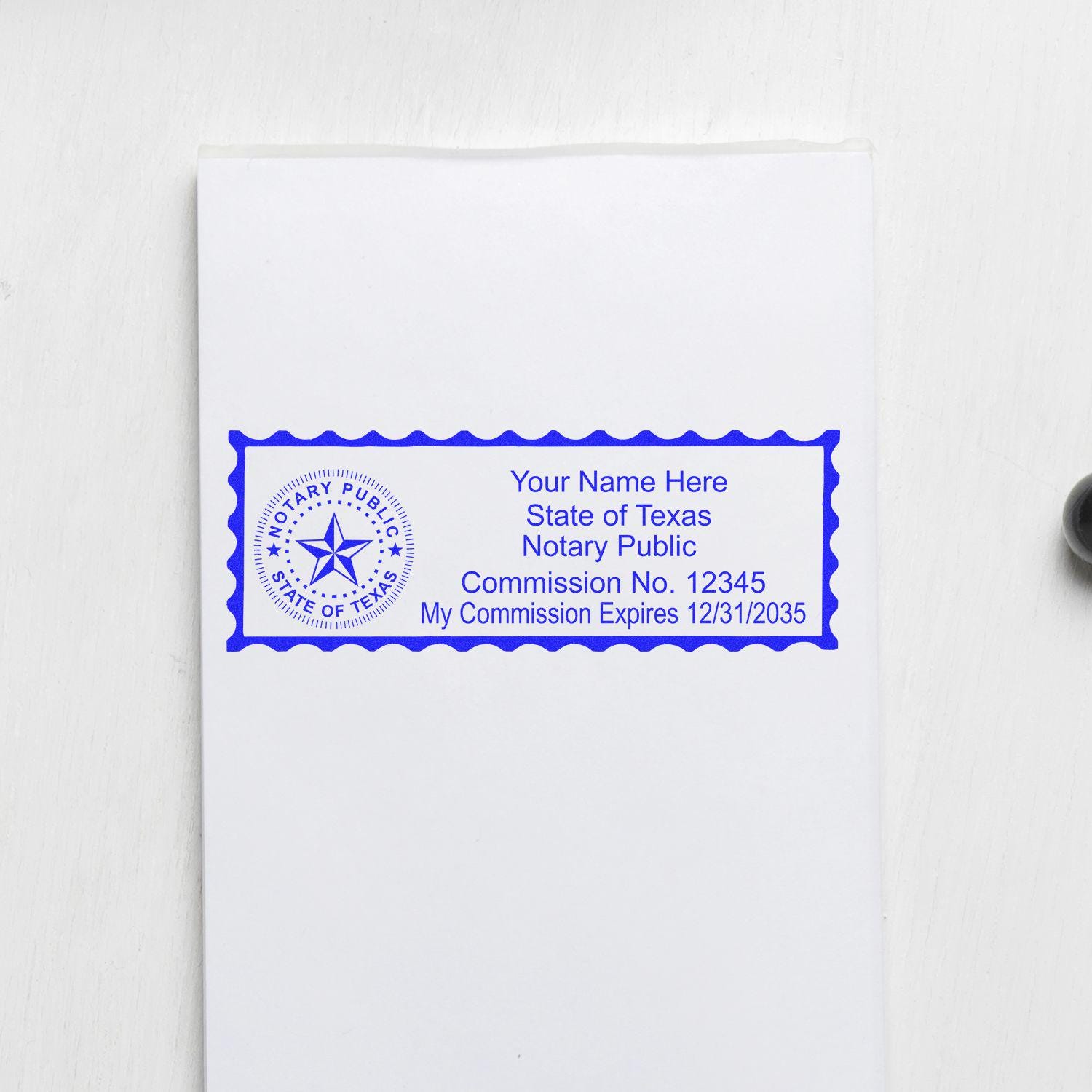
Understand the Importance of Your TX Notary Seal
Using your TX notary seal is one of the most critical responsibilities you have as a commissioned notary in Texas. Not only does it validate the documents you notarize, but it also represents your authority and commitment to upholding legal standards. By applying your seal correctly and following best practices in your day-to-day work, you can maintain the integrity of each notarized record.
You will also protect yourself against any potential challenges, since improper or inconsistent sealing can raise doubts about a document’s authenticity. This process need not feel overwhelming. With a clear understanding of Texas notary guidelines and a few practical techniques, you will handle your notarial duties efficiently and confidently.
The Purpose of a Notary Seal
Your notary seal holds an official status that signifies you have verified the identity of the signer and witnessed their signature on a document. In many ways, it is a security stamp against fraud. Whether you prefer a pre-inked stamp or an embossed device, your TX notary seal serves as tangible proof that the document is legally valid and enforceable. Every time you apply your seal, you affirm the integrity of the transaction and help ensure the document stands up to scrutiny if challenged in a court or by an opposing party. You can think of your seal as a trusted companion in guaranteeing authenticity and compliance with state law.
Texas Notary Law Requirements
In Texas, the Secretary of State requires you to have a notary seal that includes your name, the words “Notary Public,” and “State of Texas.” You may also include your commission expiration date, though it is purely optional under current regulations. When you receive your notary commission, take the time to look over the guidelines to confirm your seal meets the state’s specifications. Even the small details, such as the typeface or the shape of your seal, can influence the clarity of the impression, especially on official documents. By adhering to every rule, you help maintain trust in the notary system and reduce the possibility of rejections or disputes stemming from the appearance of your seal.
Choose the Right Notary Seal
Before you apply your notary seal to any document, you need to choose a seal style and format that best meets your professional needs. Each notary may have different preferences based on their workflow, typical document types, and personal comfort. Selecting the correct stamp or embosser from the start sets you up for convenient use and consistent impressions throughout the life of your commission.
Types of TX Notary Seals
You can select from several notary seal options in Texas. The most common choices are:
- Pre-Inked Stamp: This style contains ink within its structure, delivering a crisp imprint each time. Its clean edges ensure your notarial information is clearly legible on every page.
- Self-Inking Stamp: Similar to pre-inked, a self-inking stamp contains a built-in ink pad. Every time you press it down, the stamp re-inks itself, so you can produce numerous impressions without re-inking.
- Embosser: This device exerts pressure to create a raised impression on the paper. Many notaries appreciate embossers for delivering a classic, professional look. However, it may be harder to photocopy embossed prints.
Each type has benefits that may suit different types of documents. Since clarity is essential, especially if you notarize contracts or legal forms, be sure to pick a seal that yields sharp impressions.
Key Features to Look For
When browsing for a TX notary seal, you will want to prioritize:
- Durability: You handle your seal frequently, so opt for high-quality construction that will last.
- Storage: Certain stamps come with protective cases or caps to keep them dust-free and avoid accidental impressions.
- Ink Quality: For stamps, high-quality ink resists smudging. This is helpful if you occasionally notarize documents in a hurry or in warmer climates.
- Clear Imprint: Make sure the text, your name, and any optional design is readable once you press the seal onto a variety of paper types.
By focusing on these features, you will set yourself up for success from day one. After all, your notary seal is an extension of your professionalism.
Proper Seal Placement on Documents
Consistent seal placement is important for preventing confusion and ensuring each notarized page is easy for clerks, lawyers, and record custodians to examine. Whenever you apply your TX notary seal, aim for a spot that is clearly visible without interfering with the text or signatures on the page.
Where to Place Your Seal
Generally, you should position your seal close to your notarial certificate wording so that your credentials are immediately verifiable. In many situations, you might also consider adding your seal near the signer’s signature, but avoid overlapping lines of text or important fields. If you are notarizing forms with designated “Notary Public” sections, that area often includes instructions regarding the seal’s placement. If the notarial block is cramped, check if you can enlarge the page margins or place your seal on an attached certificate. Doing so will help guarantee that all relevant information remains neatly aligned.
Ensuring Legibility and Clarity
A blurred seal impression can lead to unnecessary delays, document rejections, or concerns about authenticity. To ensure clarity, apply even pressure when you press your stamp or embosser onto the sheet. If you are stamping multiple pages, occasionally verify your impressions are clean. Small debris, such as dust or loose fibers, can cause ink smudges or partial seals, so be sure to keep your device in good condition. Also, note the paper’s surface type. Certain glossy or heavily textured papers can make a perfect impression more difficult. In these cases, you might need to press extra firmly or use a label. With a bit of practice, you will quickly find the right technique to produce a clear seal every time.
Maintenance and Storage
Your TX notary seal is a valuable tool, both financially and in terms of your legal responsibilities. It deserves careful maintenance to ensure it remains reliable. Stock up on the right accessories, handle it gently, and store it properly to keep it in prime condition until your current commission expires (and likely beyond).
Clean and Care for Your Notary Stamp
For self-inking or pre-inked seals, clean the impression surface with a soft cloth whenever ink buildup appears or you notice faint impressions. This helps remove dust and prevents the accumulation of dried ink that might obscure letters or the official line stating “Notary Public, State of Texas.” If you use an embosser, a simple wipe with a dry cloth removes lingering paper bits and residue. Avoid harsh chemical cleaners that might damage the seal’s rubber or metal. A little soap and water on a soft cloth will usually do the trick if you require a heavier cleaning solution.
Safe Storage Practices
Between notarizing sessions, store your seal in a dry place at room temperature. Humidity can degrade ink faster, while extreme cold can stiffen the stamp’s components. If your seal includes a protective cap or carrying case, use it to prevent accidental pressing and to keep dust off the stamping surface. Not only do these simple steps extend your seal’s lifespan, but they also help in safeguarding your commission. As you may be aware, you are responsible for ensuring no one else has access to your stamp. If you keep it in an office or shared environment, lock it in a drawer or cabinet to maintain full control at all times.
Promote Trust and Professionalism
Beyond simply verifying legal documents, your TX notary seal communicates trust and reliability to your clients or signers. Your knowledge, demeanor, and the careful way you apply your seal all contribute to a sense of professionalism that can set you apart as an exceptional notary.
Tips for Presenting a Confident Image
- Greet Signers Warmly: A friendly introduction breaks the ice and puts people at ease, especially if they are new to the notarization process.
- Explain Your Role Briefly: Before you administer an oath or witness a signature, a concise explanation of your job fosters trust. Mention that you will check their ID, verify identities, and then properly seal the documents.
- Keep Your Materials Organized: Nothing conveys professionalism faster than having your notary journal, TX notary seal, and any other documents in a tidy, logical arrangement. Scrambling through your bag or rummaging through drawers can reduce confidence in your expertise.
Building Rapport With Signers
Cultivating a warm atmosphere is useful for reassuring clients unfamiliar with notarial procedures. Ensure they understand their responsibility for the content of the document and your role in verifying their signatures. If they have questions, respond patiently and clearly. While you must remain neutral with respect to the document’s content, you can provide general guidance on how to complete the notarial portion. This steady, competent presence encourages a seamless experience. You will quickly discover that word-of-mouth referrals from satisfied signers can benefit you in the long run.
Complying With State Regulations
The best way to enhance your professional image is by remaining consistent and ethical. Always adhere to state rules regarding identification, record-keeping, fees, and your seal’s use. For instance, Texas law specifies that you must inspect a current government-issued ID for every signer (unless you personally know them). If a signer is under legal capacity or lacks proper identification, it is your duty to decline or request additional documentation. By upholding these guidelines, you prove your reliability, protect your commission from challenges, and help preserve the integrity of all notarized documents within the state.
Working With Acorn Stamps
When it comes to finding the ideal TX notary seal, you have many options. However, partnering with a company that truly understands the unique needs of Texas notaries can save you time and frustration. Acorn Stamps is a family-owned and operated business that has dedicated itself to providing notary supplies for more than 60 years. Founded back in 1964, Acorn Stamps stands out for its responsive customer service, speedy turnaround times, and commitment to making your life as a notary easier.
60 Years of Service
With six decades in operation, Acorn Stamps has refined every aspect of the notary stamp and seal creation process. When you order from them, you benefit from their extensive knowledge of Texas notary regulations, so you do not have to double-check that your seal is compliant. You can trust the finished product to include all the required information and look as professional as possible.
Stellar Customer Support
Whether you are a first-time notary who needs extra guidance or a veteran who simply wants a reliable partner, Acorn Stamps has a dedicated team ready to answer any questions. Even seemingly small queries, such as how to maintain consistent ink quality—are handled with patience and expertise. This approach ensures that you feel prepared and confident every time you stamp a document.
Speedy Turnaround
As a notary, you do not want to wait indefinitely for your seal to arrive. Acorn Stamps prides itself on providing a swift, efficient ordering process. In many cases, they can produce and ship your customized TX notary seal quickly, keeping your notarial tasks on schedule. This is especially helpful if you have recently renewed your commission and need fresh supplies right away.
Common FAQs About TX Notary Seals
Can I Use an Embosser Instead of an Inked Stamp in Texas?
Yes. Texas notary law allows you to use either a stamp or an embosser, as long as the impression is clearly legible and includes the required information—your name, the words “Notary Public,” and “State of Texas.” However, many professionals prefer inked stamps because they reproduce clearly on photocopies. If you choose an embosser, be sure your raised imprint is visible even when scanned or copied.
What Should I Do If My Seal Smudges on an Important Document?
If you deliver a smudged seal, the document might be rejected by the receiving party. The best solution is to re-stamp a clean copy of the same document, if possible. If that is not feasible, you may attach a loose certificate or perform a new notarial act on a replacement page. Always ensure the statement and signature line remain intact.
Is It Mandatory to Include My Commission Expiration Date on the Seal?
The Texas Secretary of State does not require you to include your commission expiration date on your seal. However, many notaries find it helpful since it removes any confusion about the commission’s validity. Adding it is purely optional, and if current regulations change, be sure to follow any updated guidelines.
How Often Should I Replace or Re-Ink My Seal?
This depends on how frequently you notarize documents. If you use a self-inking or pre-inked stamp, you might need to re-ink every few thousand impressions. Watch for any sign of fading or incomplete impressions. An embosser typically does not need re-inking, but the seal’s metal die can wear out over time. If you notice partial or unclear embossing, it may be time to replace the die.
What Happens If I Misplace or Lose My Notary Seal?
If you cannot locate your notary seal, it is essential to take immediate action. Contact the Texas Secretary of State’s office as soon as possible. You should also document the loss in your notary journal to protect yourself if someone else manages to misuse your stamp. Once you have alerted the proper authorities, order a replacement from a reputable supplier like Acorn Stamps so you can resume your duties without delay.
Final Thoughts
Your TX notary seal is more than just a rubber stamp or neat embossing device, it is a key instrument of trust. By choosing a high-quality seal, applying it properly, and looking after it between uses, you affirm every one of your signer’s documents is done in compliance with Texas law. This not only boosts your reputation as a detail-oriented professional, but it also upholds the wider credibility of the notary system.
Try focusing on small improvements each day, like double-checking your stamping pressure or storing your seal in a secure spot. Over time, these habits will become second nature. Whether you are sealing your hundredth document or just embarking on your notary journey, the steps you take to protect and present your seal well will strengthen your standing in the community.
When you need a new stamp or want to upgrade your notary supplies, consider working with Acorn Stamps. With six decades of expertise, super fast turnaround, and stellar customer service, they have everything you need to ensure your TX notary seal remains a hallmark of professionalism. Feel free to share your own sealing tips with fellow Texas notaries, and keep leveraging your seal as a symbol of integrity every time you notarize a document.