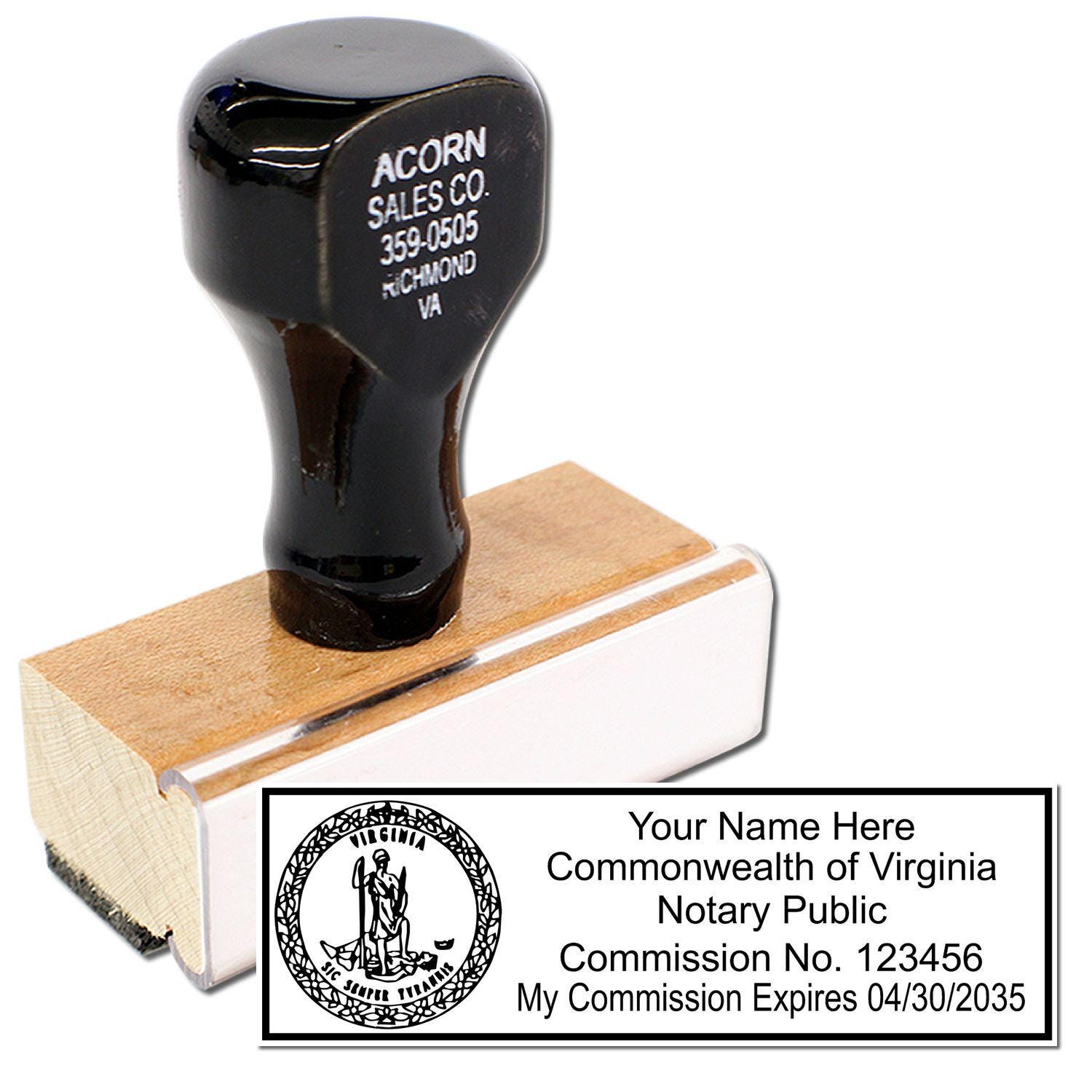
If you’re a Virginia Notary Public, knowing the Virginia notary stamp requirements is key to performing your duties correctly and maintaining compliance. Whether you’re new to notarial work or have been serving clients for years, these rules can sometimes feel confusing. At Acorn Stamps, we understand the importance of clarity and reliability when it comes to notary supplies. Our family-owned company has been in operation since 1964, delivering top-notch Virginia notary stamps and seals with stellar customer service and super-fast turnaround. Below, you’ll find a friendly, step-by-step overview of what you need to know to fulfill Virginia’s guidelines and keep your notarial work running smoothly.
Understand Virginia Notary Regulations
Virginia has specific regulations in place to promote consistent, valid notarial acts. By familiarizing yourself with these rules, you help protect the integrity of every legal document you sign and seal.
Why The State Requires Notaries
You’re entrusted with preventing fraud and verifying the identities of individuals signing important documents. Because of these responsibilities, Virginia wants to ensure you have the right training, follow lawful procedures, and affix an official seal or stamp that meets a standardized format.
Who Oversees Notary Law
In Virginia, the Secretary of the Commonwealth commissions notaries. This office outlines the procedures you must follow to qualify for your notary appointment and issues official guidelines regarding your stamp’s design. Always check that your commission is up to date and complies with the latest rules set by state officials.
Learn The Required Stamp Elements
Your notary stamp is more than a formality. It’s an essential mark that validates your professional status and provides vital details about every act you notarize.
Key Information On Your Stamp
Virginia generally requires the following details on your notary stamp or seal to ensure documents are correctly notarized:
- Your full name exactly as it appears on your commission
- The words “Notary Public”
- “Commonwealth of Virginia” or “State of Virginia”
- Your notary registration number (some notaries choose to include it even when not strictly mandated, as it helps with document tracking)
Your stamp must also be clear enough so that each letter remains readable. The clarity of these elements makes it easier for courts, recorders, and other authorities to validate the authenticity of your notarization.
Placement And Legibility
When you apply your notary stamp, position it near your signature without overlapping important text. Overlapping your seal on typed words may obscure key details. Always press down firmly and evenly, making sure the ink is dark and the impression remains sharp.
Choose The Right Stamp Format
From self-inking stamps to traditional embossers, you’ll find a range of options that comply with Virginia notary stamp requirements. Selecting the right format helps you feel confident during every notarization and keeps your process efficient.
Shapes And Sizes
Notary stamps typically come in rectangular, round, or oval shapes. Virginia law doesn’t force you to use one shape over another, as long as your seal fits all required information without crowding. Before choosing, think about how big each impression will be on a standard document. If you have limited space, an impression that’s too large could interfere with text.
A traditional embosser creates a raised impression, but some attorneys and recorders prefer an inked stamp because it reproduces better on copies and scans. Evaluate how you commonly share documents. If you frequently send copies via email, a crisp ink stamp may be the most practical way to ensure clarity at each stage.
Ink Color Suggestions
While Virginia doesn’t specify a certain ink color, you’ll notice that most notaries favor black or blue. Both colors photograph and scan well, allowing clear visibility in digital or paper copies. If you want your notary seal to stand out, you might choose a deep blue. However, avoid uncommon or neon tones that may look less professional or fail to reproduce clearly.
Follow Proper Usage Steps
Complying with Virginia notary stamp requirements isn’t just about the design of your seal. It’s also about understanding exactly when and how to apply it. By following best practices, you help safeguard the validity of each notarized document.
Stamping Procedure
- Confirm Identity: Before stamping, verify the identity of the signer by checking a valid photo ID, such as a driver’s license or passport.
- Witness The Signature: Ensure the individual signs the document in your presence, or you personally verify the signature if allowed by law.
- Complete Your Notarial Certificate: Fill in any required fields, such as the signer’s name, the date, and the location of the notarization.
- Affix Your Signature And Stamp: Place your signature in the appropriate area and add your notary seal nearby. Make sure your seal is legible and does not overlap important text.
Avoiding Common Errors
- Never backdate: Always use the actual date of notarization.
- Refuse incomplete documents: Signed documents must be fully completed before you apply your stamp.
- Keep a log: Even if not explicitly required, recording each notarization can help address any future disputes.
Maintain Your Notary Compliance
Beyond stamping documents, you’ll want to meet certain everyday responsibilities that keep you in line with Virginia law. That includes routine record-keeping, tracking your commission, and staying informed about any changes in state guidelines.
Record-Keeping Essentials
Virginia law does not require every notary to maintain a journal, but many seasoned professionals recommend it for its legal benefits. By logging each transaction, you create a record that demonstrates the fairness and accuracy of every notarization. A consistent format—whether paper or digital—makes your job easier and can come to your rescue if someone questions a notarized document down the road.Try to note:
- Date and time of notarization
- Type of document (e.g., affidavit, deed)
- Signer’s name and signature
- Type of identification provided
Simply having these details in one accessible place can give you and your signer peace of mind.
Renewal And Expiration
Your commission as a Notary Public in Virginia will have a defined expiration date. You must keep track of this date and renew your commission before it lapses if you wish to continue notarizing documents. Renewing your commission involves submitting an application to the Secretary of the Commonwealth, paying any applicable fees, and continuing to follow regulatory guidelines.
You’ll likely need to replace or update your notary stamp once you renew your commission. Don’t forget that your old seal should no longer be used once your commission expires. Always destroy, deface, or otherwise render unusable any outdated stamps to avoid confusion or misuse.
Frequently Asked Questions
Below are several common questions you might have if you’re preparing to meet Virginia notary stamp requirements or if you simply wish to refine your practice. As a leading supplier in Virginia notary stamps and seals, Acorn Stamps is always ready to help you find the right tools that fit your preferences and budget.
Do I Need Both A Stamp And An Embosser?
You are not required by Virginia law to own both. However, many notaries choose to have both an embosser and an inked stamp for versatility. An embosser creates a raised impression that’s difficult to replicate, while an inked stamp provides a clear mark on photocopies. If you often deal with official documents that must be scanned, an inked seal could be more practical.
How Should I Store My Notary Stamp?
It’s best to keep your notary stamp in a secure area, such as a locked drawer or safe, to prevent unauthorized use. Keeping your stamp out of sight also reduces the risk of accidental misuse by friends, family members, or coworkers who might not realize the legal implications of improper stamping. When traveling for mobile notary services, carry your stamp in a protective case to keep it clean and safe.
Can I Order A Custom Stamp With Extra Design Elements?
You can personalize your stamp with certain decorative touches or additional text, but be sure not to obscure the required details. Virginia requires your name, your title (Notary Public), and the state name to be legible. At Acorn Stamps, we’ll happily guide you to the right balance between personalization and clarity, so you can remain fully compliant with state regulations.
What Happens If My Stamp Impression Is Illegible?
If your stamp impression is smeared or blurred, your notarization may be called into question. Legibility is a vital part of Virginia notary stamp requirements. Inaccurate, smudged, or incomplete stamping could invalidate a document and lead to potential legal complications for you and your client. If your stamp consistently produces faint or messy impressions, consider re-inking or purchasing a replacement to maintain your professional standards.
Why Choose Acorn Stamps For Virginia Notary Supplies?
Acorn Stamps has proudly served notaries for over 60 years, offering top-quality products tailored to each state’s specifications. We’re family-owned and take pride in delivering personalized customer service. Our super-fast turnaround times ensure you’ll never be without the equipment you need. We know how important it is to feel confident about your notary seal, and our team is ready to answer any questions you may have.
By keeping these answers in mind, you’ll stay on top of your notarial responsibilities and be ready to handle any situation that comes your way.
Maintaining compliance with Virginia notary stamp requirements doesn’t have to be complicated. With a reliable supplier like Acorn Stamps in your corner, you can work confidently, serve your community effectively, and enjoy the peace of mind that comes with knowing you’re following the rules. Never hesitate to reach out with questions. You’re performing a vital public service, and understanding these regulations helps you do your job with greater ease and professionalism.