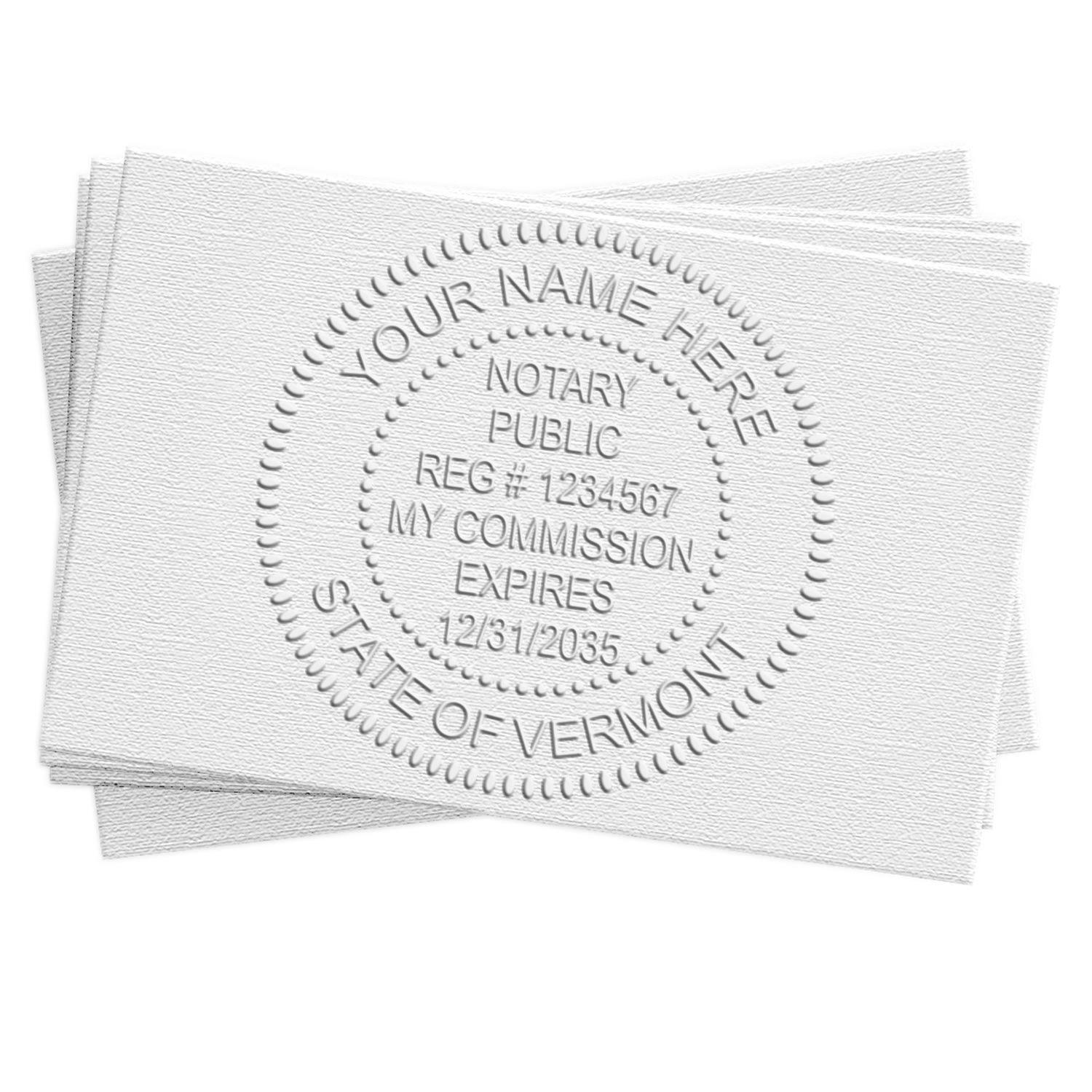
You want a Vermont notary seal that not only meets state requirements but also reflects your professionalism. Whether you’re newly commissioned or looking to upgrade your tools, understanding the variety of seal options can help you make a confident choice. Below, you’ll discover what goes into making a great Vermont notary seal, how to select the right style and materials, and why working with a trusted source like Acorn Stamps matters. By the end, you’ll know exactly what to do to secure a seal you’ll love using day in and day out.
Know the Role of a Vermont Notary Seal
Your Vermont notary seal is more than just a stamp on a page. It authenticates official signatures, protects against fraud, and underscores the legitimacy of notarized documents. Although Vermont has clear rules about what information must appear on your seal, you still have plenty of room to customize how it looks.
Why the Seal Matters
- It’s a mark of professionalism.
- It identifies you as a recognized public official.
- It helps prevent document tampering or forgery.
- It instills trust in clients who rely on your notarial acts.
In Vermont, your seal typically includes your name, the phrase “Notary Public,” and possibly your commission number. By ensuring all state-required details are displayed, you make every notarized document more secure and credible.
Explore Different Seal Types
One of the biggest decisions you’ll face as a Vermont notary public is choosing between various seal designs. Two of the most common types include embossers and self-inking stamps. You can also look into pre-inked stamps, which combine ease of use with crisp impressions.
Embosser vs. Self-Inking
Embosser:
- Creates a raised impression.
- Ideal for important or high-value documents.
- Often viewed as more traditional or formal.
- Requires more pressure and a specific area of the page to work effectively.
Self-Inking Stamp:
- Uses internal ink for quick and repeated stamping.
- Leaves a clear, consistent imprint.
- Easier for high-volume tasks.
- Typically lighter and more portable than an embosser.
If you prefer a classic, textured look, an embosser might suit you. If speed and convenience matter more, a self-inking stamp could be your best friend. Either way, it’s essential to confirm the seal meets Vermont’s official guidelines before making your final decision.
Consider Key Features
Once you narrow down whether you want an embosser or stamp, your next step is choosing how your Vermont notary seal is designed and produced. The materials, layout, and finish can affect everything from its durability to its visual appeal.
Design and Customization
With custom notary seals, you can tailor the design elements to your preferences while still conforming to Vermont notary rules. Text placement may vary, and you might opt for a round or rectangular layout. The size of the seal should be practical for the documents you handle most often. Make sure everything is easy to read and professionally arranged, as your seal represents your notarial authority.
Quality and Durability
- Metal vs. Plastic: Many notary embossers come in metal or heavy-duty plastic bodies. Metal is more durable but often heavier, so you’ll need to consider how frequently you’ll travel with your seal.
- Ink Longevity: If you pick a self-inking or pre-inked stamp, look for models that allow for easy ink replacement. A fresh ink pad keeps your impressions sharp and ensures the seal’s lettering stays crisp over time.
- Maintenance: Some seal devices allow you to swap parts if something breaks. Invest in a seal that can withstand daily use without rapid wear and tear.
Taking time to review features such as ergonomic handles, refillable ink pads, or adjustable pressure settings can pay off in a tool that’s comfortable to use and holds up well.
Benefit from Acorn Stamps
When looking for a trustworthy supplier of Vermont notary seals and stamps, Acorn Stamps is a top choice. We’ve proudly served notaries for more than 60 years, focusing on both quality and speedy service. As a family owned and operated company since 1964, our dedication to customer satisfaction sets us apart.
- Wide Selection: You get access to a comprehensive range of embossers and stamps that match Vermont’s notary requirements.
- Stellar Customer Service: If you have questions about personalization or state rules, our knowledgeable team is happy to help you through it.
- Super Fast Turnaround: Being well-stocked and equipped with efficient production methods means you can often get your order sooner than expected.
- Longevity You Can Trust: Six decades in business means we understand notary professionals and their needs at a deep level.
If you’re eager to find a Vermont notary seal that’s consistent, reliable, and visually appealing, turning to Acorn Stamps ensures you never have to sacrifice quality for speed.
Tips for Regulatory Compliance
Vermont has regulations governing what your notary seal must include and how it should be used. The state requires that you keep your commission information up to date, and the seal’s imprint or embossment must be legible on the document. You’ll want to keep a close eye on any commission expiration dates, as some states mandate an updated seal once your term renews.
- Legal Wording: Always incorporate the phrases or information specified by Vermont law, such as “State of Vermont,” “Notary Public,” and your full name.
- Placement: Place your seal on a clearly visible area of the document, avoiding signatures, text, or edges that might render it unreadable.
- Ink Color: Vermont’s laws don’t necessarily dictate specific ink colors, but dark colors like black or blue are most common for clear visibility on official papers.
- Expiration Dates: Track your notary license expiration and have your seal reissued promptly when it’s time to renew.
When your seal is properly designed and used in strict compliance with Vermont regulations, you protect all parties involved and uphold the integrity of your notarial acts.
How to Use and Maintain Your Seal
Getting comfortable with your Vermont notary seal takes just a bit of practice. After all, you want to create a clear, readable impression every time and keep your seal in peak condition.Choose Your Spot Carefully
- Decide where you’ll provide the seal imprint on the document. You usually place it near or under the signature line, ensuring it doesn’t overlap type or text.
Apply Even, Steady Pressure
- For Embossers: Grip the handles firmly, align them properly, then press down smoothly. This approach avoids any awkward tilting that might result in a partial image.
- For Self-Inking Stamps: Position the stamp flat against the paper, then press down with a consistent amount of force.
Maintain Proper Ink Levels
- If you use a self-inking or pre-inked stamp, check periodically to see if it’s time for a refill. Faint impressions are a sign that you may need fresh ink. Replacing ink promptly helps ensure your seal remains legible.
Keep It Secure
- Storage: Store your seal or stamp in a dedicated pouch or box. Keep it away from excess moisture and potential damage.
- Access: Limit who can handle your notary seal. Only you, as the commissioned notary public, should have access to it.
Clean It Regularly
- For advanced seals, wipe off any ink residue or dust.
- Gently clean embossers with a soft cloth to keep their components free from buildup.
Storage Best Practices
- Use a Protective Case: This avoids scratches and physical wear.
- Monitor Temperature: Extreme heat or cold can degrade ink or metal parts. Aim for moderate indoor conditions.
- Organize Drying Materials: If you travel with a pre-inked stamp, keep tissues or a small cloth handy in case of spills or condensation.
Proper upkeep can dramatically extend your seal’s lifespan, ensuring that every notarized document you produce meets professional standards.
FAQs About Vermont Notary Seals
Below are answers to five common questions about ordering, using, and maintaining your Vermont notary seal. If you still have additional questions, feel free to reach out to Acorn Stamps for personalized guidance.
Do I Need to Include My Commission Expiration Date on the Seal?
Vermont statute doesn’t require an expiration date on the seal itself, but certain documents may benefit from referencing it. Always verify current regulations because rules can evolve, and it’s best to stay fully compliant.
Which Is Better, A Self-Inking Stamp or an Embosser?
It depends on your personal preference and workload. If you prioritize speed and convenience, a self-inking stamp is practical. For a more traditional look or documents that require a raised seal, an embosser is a classic choice.
How Do I Know My Seal Is Legal for Vermont?
Your seal should include your name, the words “Notary Public,” and “State of Vermont.” Some notaries also add their commission number. To be sure, check Vermont’s official notary guidelines or consult a trusted provider like Acorn Stamps.
What If My Stamp Impression Fades Over Time?
If you use a self-inking or pre-inked stamp, you’ll likely need to refill or replace the ink occasionally. This is normal for stamps in frequent use. A reliable seal provider should carry compatible ink refills to simplify maintenance.
How Long Do Vermont Notary Seals Typically Last?
With proper care, a quality seal or stamp can last for years. Regular cleaning, avoiding rough handling, and storing it in a protective case go a long way in preserving functionality. When you purchase from a reputable company like Acorn Stamps, you also get the assurance that you can reorder parts or refill ink with ease.
Your Vermont notary seal is a crucial part of your official toolkit, and it’s worth taking the time to choose an option you’ll love for its performance and durability. With a clear understanding of the different designs, materials, and care tips, you can confidently make your selection and serve the public with a dependable seal. When you trust Acorn Stamps, you get high-quality products plus friendly, knowledgeable support—so you can focus on delivering first-rate notarial services every single time.