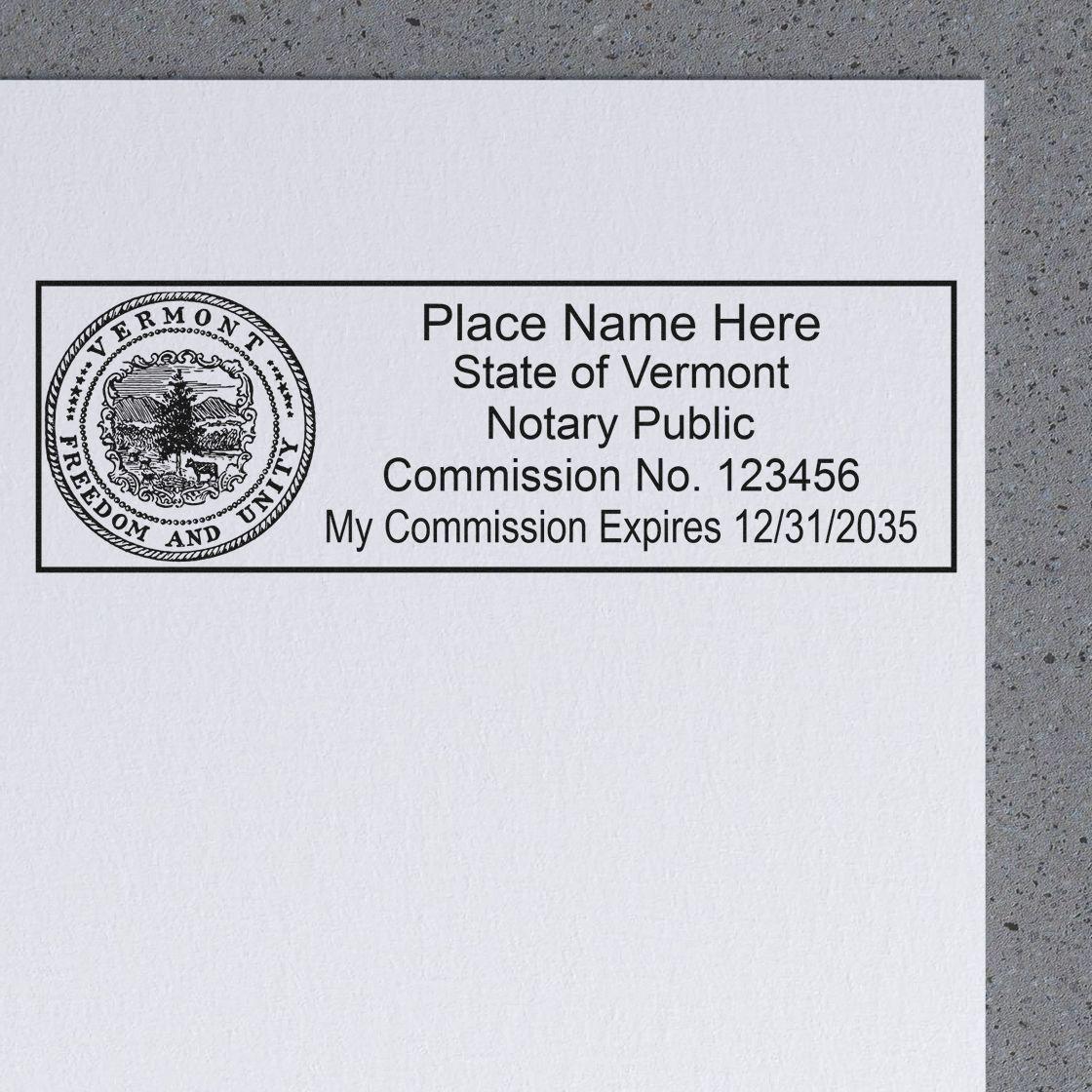
Natural, official, and designed to validate documents, a VT notary seal is an essential part of your responsibilities as a Vermont Notary Public. You need a reliable seal that meets state regulations, works smoothly day after day, and represents your professional commitment. Below, you will discover how to choose the right seal or stamp, maintain it properly, and fulfill your duties with confidence. Whether you are just starting out or renewing your commission, these insights will help you make an informed choice.
Understand the Importance of a VT Notary Seal
A Vermont notary seal is more than just a tool. It is a physical representation of your authority and credibility under state law. Every time you notarize a document, you attest to its authenticity and compliance with legal requirements. Because your seal is such a critical piece of your professional toolkit, it is important to know why it matters and how to use it correctly.
Why the Seal Matters
- Establishes Authenticity. The seal confirms that you are a recognized notary in Vermont and that the notarized document is genuine.
- Prevents Fraud. A clear imprint helps deter tampering or alteration of important papers.
- Reflects Professionalism. A crisp, legible seal mark instills trust in your clients and colleagues.
When you understand the significance of your notary seal, you can better appreciate why investing in a reliable tool is key. You also reinforce your reputation for integrity and accuracy.
Recognize the Basic Elements
Every VT notary seal must meet specific state guidelines to ensure validity. In general, your seal will show your name and title and sometimes the words “Notary Public” and “State of Vermont.” These elements confirm your commission and enable others to verify your credentials quickly.
Seal Size and Format
Vermont does not mandate an exact size for your notary seal, but it must be clear and consistent with your official commission. The impression—whether from an embosser or stamp—cannot obscure the text, and it has to be fully legible.
- Typical Diameter. Circular seals often measure around 1½ or 2 inches in diameter.
- Rectangular vs. Round. Opt for a round seal, as it is commonly associated with official notarizations. However, some notaries prefer rectangular stamps for added clarity of text.
Required Wording
Check the most current Vermont notary requirements to confirm the exact wording needed. Commonly, your official seal includes:
- Your Name as it appears on your commission
- The Title “Notary Public”
- The Words “State of Vermont”
If you want to include your commission expiration date, ensure it is permissible. Always focus on maintaining a clean, readable layout for the best impression.
Choose the Right Type
When shopping for a VT notary seal, you have several options. The best choice usually depends on how frequently you notarize documents and your personal preference for appearance and convenience.
Pre-Inked vs. Self-Inking Stamps
- Pre-Inked Stamps. These tend to produce sharp, crisp imprints that look professional. They are filled with ink internally, so re-inking is straightforward. Many notaries appreciate the consistent quality.
- Self-Inking Stamps. A built-in ink pad simplifies stamping, making them quick and easy to use. You often get thousands of impressions before needing a refill.
Both options can work well in busy environments. If you notarize multiple documents a day, a self-inking or pre-inked stamp may be a time-saver.
Embosser vs. Stamp
While a stamp uses ink to create its impression, an embosser creates a raised impression on the document. Some notaries prefer an embosser for its classic, official look.
- Stamp Benefits. Clear impressions in various colors, easy to use, more practical for multiple pages.
- Embosser Benefits. Stylish, difficult to replicate, and historically recognized as official in appearance.
Always confirm whether your state requires an ink-based stamp, an embosser, or both. Many Vermont notaries opt for a stamp for everyday notarial work due to easy visibility and time-efficient application.
Follow State Regulations
Compliance with Vermont’s notary regulations is crucial for ensuring your seal is valid and each notarization is recognized by law. Staying informed about which documents you can notarize and how to apply your seal helps you remain in good standing.
Commission Requirements
As a Vermont notary, you are authorized by the state to witness signatures, administer oaths, and perform other official tasks. Before you purchase or use a notary seal, confirm that your commission is current and that you have fulfilled all mandatory course or exam requirements.Key items to keep in mind:
- Renewal Deadlines. Vermont notary commissions usually last a certain term. Mark your calendar so you renew on time.
- Application Updates. If your address or name changes, update your information with the state as required.
Placement and Usage
When you notarize a document, you will typically:
- Verify the signer’s identity.
- Check the document for completeness.
- Witness the signer’s signature.
- Apply your notary seal near your signature and notarial certificate.
Ensure that your seal impression is clear, not smudged, and does not overwrite important text. Proper placement not only demonstrates professionalism but also helps to prevent future disputes about authenticity.
Find a Trusted Provider
Because your VT notary seal is vital to your notarial practice, it is worth finding a trusted supplier who understands the importance of accuracy and turnaround time. You want a seal that reflects well on your work and arrives promptly without any fuss.
About Acorn Stamps
Acorn Stamps has served notaries for 60 years and is proud to be family owned and operated since 1964. As a top supplier of Vermont notary stamps and Vermont notary seals, Acorn Stamps prioritizes:
- Stellar Customer Service. You deserve support through every step of the purchase process.
- Super Fast Turnaround. A quick turnaround ensures you can start or continue your notarial duties without delay.
- Attention to Detail. Each seal is carefully crafted for clarity and long-lasting performance.
Ordering Tips
- Confirm Your Commission Name. Double-check the exact spelling and capitalization you provided to Vermont’s notary authority.
- Choose a Format. Determine if you need an embosser, a stamp, or both.
- Consider Time Frames. Plan for your upcoming tasks, so you have enough buffer to receive your new seal.
Selecting a supplier with expertise in Vermont notary standards can help you avoid errors. With the right support, you will have a seal you can rely on for every signature you notarize.
Protect Your Notary Seal
A well-maintained stamp or embosser is critical for flawless document impressions. Regular care and responsible storage mean you will always be ready to notarize.
Storage
- Secure it. Keep your notary seal in a locked cabinet or drawer to prevent misuse.
- Avoid Heat and Sunlight. Excessive temperatures or prolonged sunlight can damage the rubber or ink in a stamp.
- Store Upright. If possible, store your stamp in an upright position to avoid accidental ink leakage.
Cleaning and Maintenance
- Wipe the Surface. Gently remove dust or debris from your stamp or embosser.
- Re-Ink When Needed. If impressions become faint or uneven, it is time to re-ink. Follow the instructions to avoid spills.
- Test Impressions. Periodically test your seal on scrap paper to confirm that it is crisp and consistent.
Proper care of your equipment helps prevent smudges or incomplete impressions. You will appear more professional, and your documents will hold up under scrutiny.
Frequently Asked Questions
Below are some common questions about buying and using a VT notary seal. If you still have concerns, it can help to refer back to Vermont’s official notary guidelines or speak directly with a trusted supplier like Acorn Stamps.
What Is the Difference Between a Notary Seal and a Notary Stamp?
A “notary seal” is a broader term that can encompass stamps and embossers. A notary stamp creates an inked impression, while an embosser makes a raised imprint. Both serve the same legal purpose, though stamped seals are more visible on documents and are used more frequently.
Can I Use an Embosser in Place of an Ink Stamp?
Yes. However, depending on the document recipient, an ink stamp might be preferable because it is easier to photocopy or scan. Many Vermont notaries use an embosser for more formal documents or for aesthetic appeal, then rely on an ink stamp for everyday work.
How Often Should I Replace My Notary Seal?
It depends on how heavily you use it and the type of seal you have. Self-inking and pre-inked stamps generally last for thousands of impressions before requiring re-inking. An embosser can remain functional for years. If you notice fading, incomplete impressions, or mechanical issues, it may be time for a replacement.
What If My Name or Address Changes?
If your name or address changes during your commission, you must follow Vermont’s requirements for updating your notary information. This can involve completing a form or paying a fee. Once the update is confirmed, you will need a new seal that reflects the change. Rely on a trusted provider like Acorn Stamps to produce a new seal in a timely manner.
Where Should I Order My VT Notary Seal?
When consistency, speed, and accuracy matter, look to a supplier with deep experience. Acorn Stamps is known for top-quality Vermont notary stamps, Vermont notary seals, and outstanding customer support. You can get personalized assistance and ensure you receive the correct design as required by Vermont state law.
By choosing the right VT notary seal and staying up-to-date on state rules, you can perform your duties responsibly while making a strong impression. Pay attention to the details—everything from proper seal size to correct usage—and enjoy the peace of mind that comes from having the right tools at your side. With a well-made seal you trust, you can focus on providing accurate and professional notarial services for the people who rely on you.