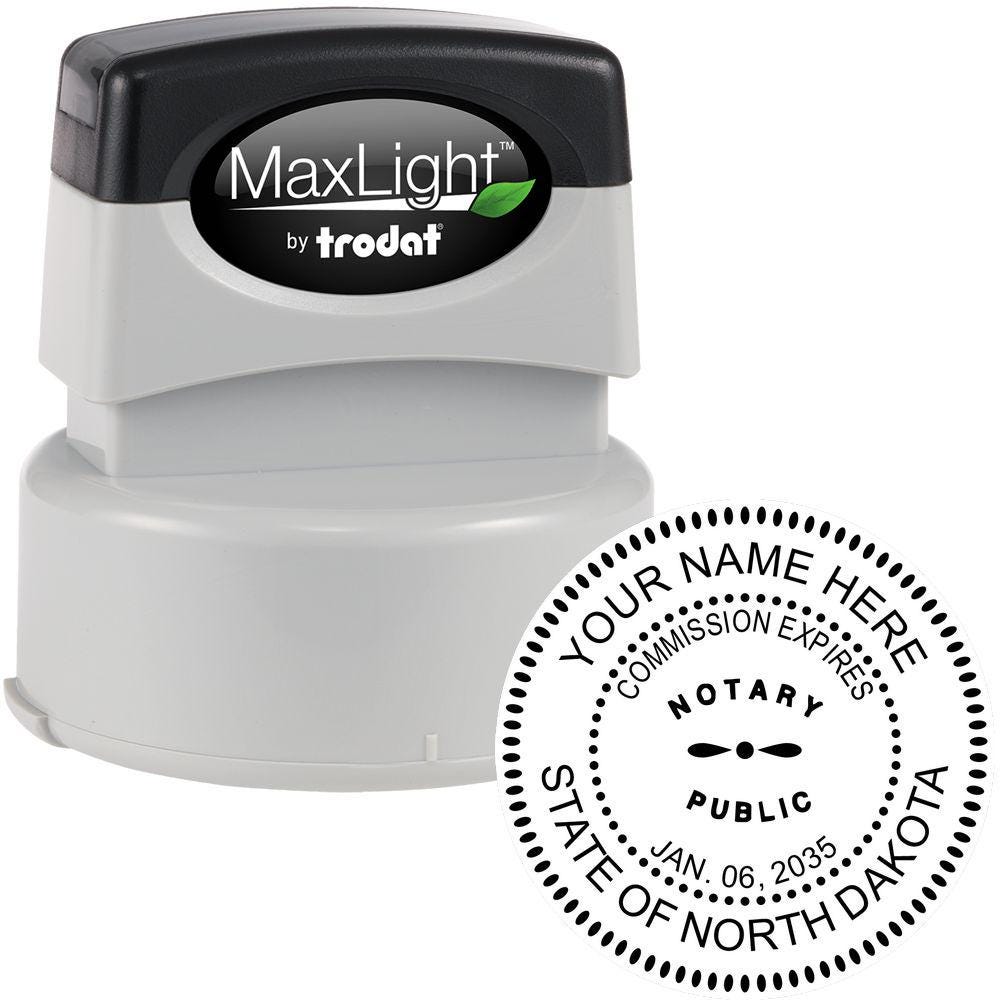
Understand North Dakota Notary Requirements
If you plan to become a notary in the Peace Garden State, it is essential to understand North Dakota notary requirements. By familiarizing yourself with the application process, responsibilities, and best practices, you can consistently provide reliable service to your community. Whether you are just starting out or are looking to renew your commission, this overview will help you navigate each step with confidence.
Why These Requirements Matter
Becoming a North Dakota notary public involves more than simply ordering a notary stamp or seal. You must meet the basic eligibility criteria, complete the application, follow your commission guidelines, and adhere to state laws that govern notarial acts. Each requirement ensures the integrity of every notarized document, helping to protect the public from fraud and ensuring legal validity.
Meet Basic Commission Criteria
Before applying for a North Dakota notary commission, you will want to confirm you meet the basic eligibility requirements. While the specifics can vary slightly over time, the following points provide a general guideline.
Core Eligibility
- You must be at least 18 years old.
- You should be an official resident of North Dakota or have a place of employment in the state.
- You must possess the ability to read and write in English.
- You should have no felony convictions that would interfere with your duties.
Always verify the most up-to-date rules by consulting official state resources, such as the North Dakota Secretary of State’s office. This step ensures you follow the current guidelines before you apply.
Apply for Your Notary Commission
Once you have confirmed that you meet the state's eligibility requirements, your next move involves completing the necessary application and filing the proper documentation. The process can be broken down into several smaller steps to keep it clear and manageable.
Step 1: Gather Required Forms
Begin by locating all the official forms needed for your notary application. These typically include an application form from the North Dakota Secretary of State’s office. Make sure you:
- Read any accompanying instructions in full.
- Prepare official identification, business address details, and any other required personal information.
- Arrange for the filing fee.
It helps to keep all your documents in a clear, easy-to-reference folder, so you can avoid misplacing any paperwork.
Step 2: Complete the Application
Filling out your application accurately is critical. If you overlook any details, you risk delaying your commission approval. Be ready to provide:
- Full legal name and date of birth.
- Residential or employment address (depending on local regulations).
- A statement affirming you meet the eligibility criteria.
Take your time and double-check spelling, addresses, and personal details. Incomplete or incorrect applications can result in administrative back-and-forth that prolongs the entire process.
Step 3: Obtain a North Dakota Notary Stamp or Seal
After submitting your application, it is important to prepare for your role as a notary by selecting the proper North Dakota notary stamp or seal. These items must meet state guidelines for layout, text, and margins so they can be used to authenticate documents. When shopping for your stamp or seal:
- Look for a reputable supplier, preferably with a history of producing official notary products.
- Confirm that the design aligns with North Dakota’s stipulations for shape, text, and official inscriptions.
- Store your stamp or seal safely, as you will frequently rely on it during notarizations.
Know Your Duties and Responsibilities
North Dakota notary requirements extend beyond obtaining your commission. You will need to conduct notarial acts responsibly in order to maintain public trust. Each notarized document carries legal weight, so understanding your duties is essential.
Acknowledgments
One of the most common notarial acts is taking acknowledgments. When someone appears before you to sign an official document, your role involves verifying that individual’s identity and ensuring they signed of their own free will. As a notary, you will:
- Check the signer's ID or other approved documentation.
- Ask questions to confirm the signer is acting willingly.
- Add your notary seal and signature to finalize the acknowledgment.
Oaths and Affirmations
You may also administer oaths or affirmations. This typically happens for affidavits or sworn statements. During this process:
- Ask the signer to raise their right hand or otherwise confirm they are speaking under oath.
- Ensure they understand the implications of lying or omitting facts.
- Record the notarization in your records (if required by law) and apply your stamp or seal.
Verifying Signatures
Verifying a signature is another key step. In some instances, you may be asked to certify that a document’s signature matches an individual’s identity. This step often includes:
- Viewing valid identification.
- Confirming that the individual signed in your presence or verifying a previously made signature.
- Applying your notary seal to demonstrate the authenticity of the signature.
Maintain Your Commission
After you obtain your commission and start performing notarial acts, you will need to keep your credentials current and stay in compliance with state regulations. This responsibility includes renewing your commission, updating personal details, and staying informed about any legal changes.
Renewal Timeline
Most North Dakota notary commissions remain valid for a specific term, often several years. Make sure you:
- Mark your calendar well before your commission expiration date.
- Submit a renewal application early to avoid any gap in your authority.
- Verify if additional training or fees are required before renewal.
Failing to renew on time can lead to a lapse in your ability to notarize documents, which could disrupt your professional responsibilities.
Recordkeeping
While not all states require notaries to keep a journal, it is still considered best practice. Even if it is not mandatory in North Dakota, you benefit from having a detailed record of notarizations. Your journal:
- Acts as evidence if a document’s authenticity is ever questioned.
- Helps you remember details more easily if you are contacted for verification later.
- Reinforces the legitimacy of your notarial acts and protects you against potential legal challenges.
If you do keep a journal, log the date, a brief document description, ID details, and the outcome of each notarial act.
Follow Practical Notarization Tips
Even after you have thoroughly learned North Dakota notary requirements, there are practical steps you can take to streamline your day-to-day tasks. These tips focus on organization, efficiency, and professionalism.
Check Identification Thoroughly
Before you use your stamp, verify the signer’s identity with an acceptable form of ID, such as a government-issued driver’s license or passport. By comparing photos and signatures carefully, you reduce the risk of fraud. If something feels off, trust your instincts. It is better to pause than to finalize a suspicious transaction.
Keep Your Tools Organized
Your notary stamp or seal is an essential part of your kit. You could also keep a small lockbox or secure pouch for transporting and storing:
- Additional ink pads or replacement cartridges if using a self-inking stamp.
- Your notarial certificate templates or forms.
- A notary journal (if you choose to keep one).
Neat organization not only saves time but also demonstrates your professionalism to clients.
Seek Continuing Education
While the state may not require ongoing training for notaries, you can voluntarily stay up to date on best practices. Workshops, webinars, or local seminars can ensure you are aware of any recent legal updates that might impact your day-to-day notarial acts. Extra education helps you:
- Reduce the likelihood of making errors on official documents.
- Field questions from clients more confidently.
- Sustain your reputation as a trustworthy notary public.
Choose the Right Supplier
Selecting a reliable supplier for your North Dakota notary stamp and seal is an important part of your notary journey. You need a product that meets state guidelines, holds up over time, and is delivered in a timely manner.
Why Choose Acorn Stamps
As a family-owned and operated company since 1964, Acorn Stamps has spent over 60 years helping notaries meet their state requirements. When you choose Acorn Stamps, you benefit from:
- Top-quality North Dakota notary stamps and seals that follow all official specifications.
- Stellar customer service, with friendly representatives ready to answer your questions.
- Super fast turnaround on orders, so you can focus on your notarial duties without delay.
Working with a reliable company simplifies your entire commission process and allows you to quickly address any supply needs that arise. With Acorn Stamps, you gain peace of mind knowing you are prepared for every notarization.
Frequently Asked Questions
Below are answers to common questions about North Dakota notary requirements. Reviewing these queries can give you more insight into any last-minute uncertainties you might have.
How Long Does a North Dakota Notary Commission Last?
A North Dakota notary commission is typically valid for a set number of years, often four. Check the official regulations when you first apply to confirm your exact commission term.
Do I Need a Surety Bond in North Dakota?
Some states mandate a surety bond to protect the public against notarial misconduct. In North Dakota, you should verify this requirement directly through the Secretary of State's office, as it may change over time.
Can I Notarize Documents for Family Members?
While it is not strictly illegal, it is generally discouraged to notarize documents for immediate family members, especially if you have a direct financial interest in the transaction. Notarizing for family can raise questions of impartiality and conflict of interest.
What Happens if My Notary Seal Is Lost or Stolen?
If your official seal is lost or stolen, you should immediately notify the proper authorities and your state’s notary-regulating agency. You may also review whether to suspend your commission temporarily until you can secure a replacement seal. Taking quick action helps prevent fraud.
Do I Need to Keep a Journal?
North Dakota law may not specifically require a notary journal, but having one is best practice for recording each notarial act. A journal offers additional protection for both you and the signer if any questions arise about the authenticity of a document or transaction.
By understanding each aspect of North Dakota notary requirements, you set yourself up for success as a trusted, responsible notary public. From knowing your eligibility criteria to renewing your commission on time, every step reinforces the reliability of your service. If you ever have questions or need a new stamp or seal, remember that Acorn Stamps is here to help with quality products, family values, and an unwavering commitment to ensuring you are prepared for every notarial act.