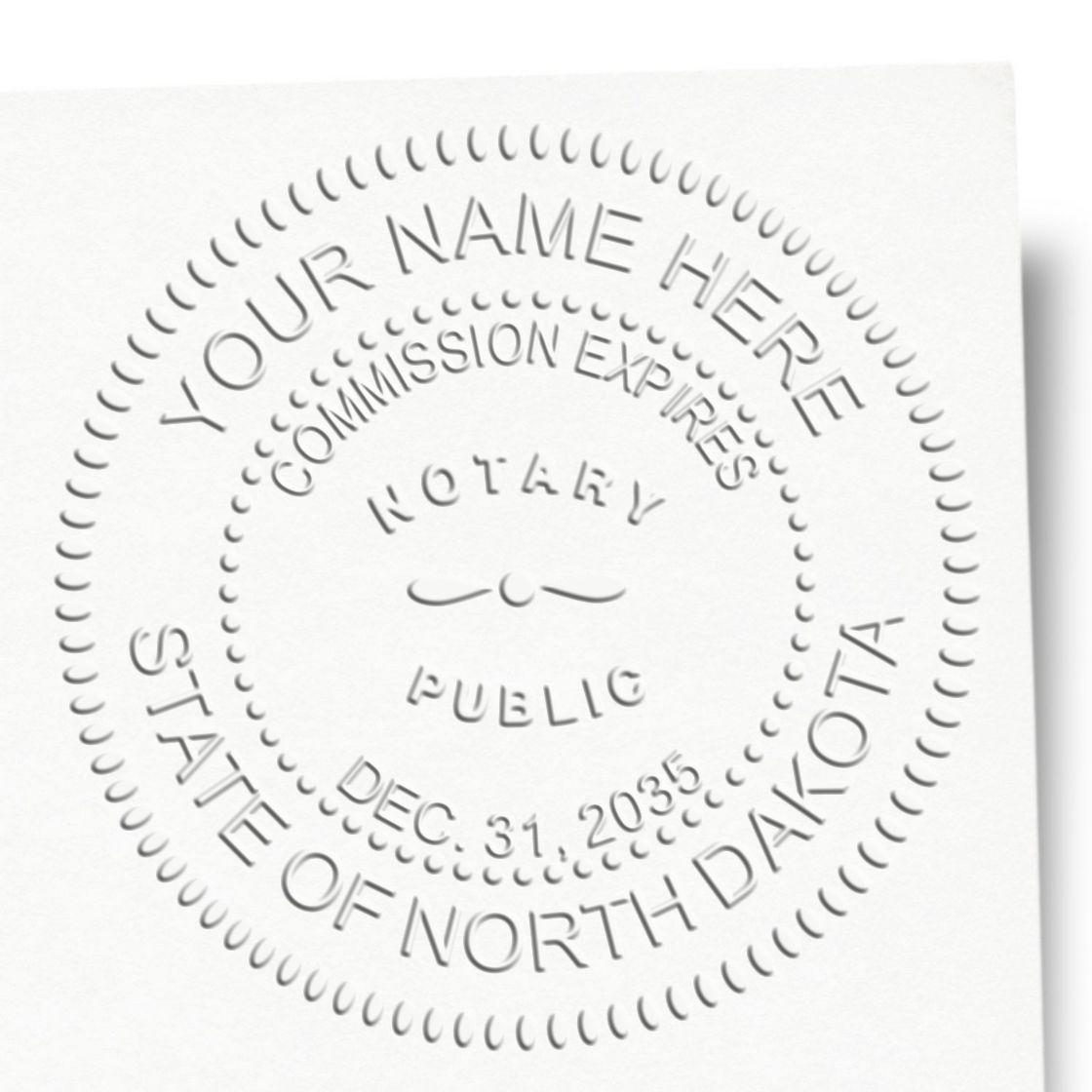
If you’re a new or veteran North Dakota Notary Public, you may have questions about North Dakota notary stamp requirements. Having the correct seal is crucial for your notarial acts to be recognized under state law. Even small details—like the placement of your name or the ink color—can determine whether documents retain their official validity. Below is a friendly, in-depth overview to help you understand all aspects of acquiring and using your notary stamp. Let’s dig in so you can serve your community with confidence.
Understand The Basics
Getting to know the role of a notary stamp in North Dakota is your first step. In general, your stamp proves that you’re authorized by the state to notarize documents and authenticates every record you handle. If your stamp is missing or incorrect, essential paperwork might be rejected, causing delays or legal complications. That outcome is stressful for everyone involved—so ensuring your stamp meets all requirements from the start is well worth your time.
Who Needs A North Dakota Notary Stamp
In North Dakota, you’re expected to use a qualified official seal if you perform any notarial acts. That means if you notarize signatures on legal documents, administer oaths, or certify copies, you need a valid stamp in good working condition. It specifically identifies you as a commissioned notary, connecting your signature and record to the notarial act you just performed.
If you’re new to the role, getting your official credential is only part of the process. Once commissioned, you must use the correct notary stamp whenever you notarize. Without it, your certificate may not be legally binding. If you’re a seasoned notary, double-checking you’re up to date with current guidelines can spare you from unintentional errors.
State Requirements For Notary Stamps
North Dakota notary stamp requirements aim to ensure clarity and traceability. Typically, your stamp must include:
- Your legal name, exactly as it appears on your Notary commission
- The words “Notary Public”
- The words “State of North Dakota”
- An indication of your commission expiration date (for example, “My Commission Expires …” followed by the exact date)
These elements help recipients verify your notary authority. The stamp’s impressions must be clear and legible. Otherwise, your notarization could be questioned or challenged.
Know The Legal Standards
Nearly every state imposes specific guidelines on notarial procedures, design of seals, and recordkeeping. In North Dakota, you have enough flexibility to choose a rectangular or round stamp, but there are also some mandatory points you must never overlook.
Proper Wording On The Stamp
To comply fully with North Dakota’s rules, the wording on your stamp must match your commission paperwork. An incorrect middle initial or a missing detail can undermine the document’s legality. If your name changes—perhaps due to marriage or any other reason—you’ll need to apply for an updated notary commission and get a new stamp that reflects your new legal name.
Round vs Rectangular Stamps
Though both shapes are acceptable, you may prefer one over the other. A rectangular stamp generally offers more space for your name and commission details, making it easier to read. A round stamp, on the other hand, can fit neatly on documents where space is limited or if you want to stand out from other notaries who use rectangular designs.
No matter which layout you choose, your top concerns should be readability and consistency. If the stamp is too small or the ink is faint, people might have difficulty confirming your official status. And if it’s too large, it can crowd the page and potentially obscure important text.
Pick The Right Stamp
Once you understand your core responsibilities, it’s time to pick the stamp that best suits your notarial workload. Notaries in North Dakota might notarize anything from property deeds to affidavits and contracts. Because your daily tasks can vary, carefully consider the design, size, and ink type of your notary stamp.
Ink Stamps vs Embossers
An ink stamp leaves a visible impression that’s easily photocopied or scanned. If you handle a high volume of documents digitally, an ink stamp is often a convenient option. Plus, it’s simple to re-ink or replace as needed. An embosser, by contrast, crimp-presses a raised seal onto the paper. It’s more traditional but can be harder to read in a digital scan or photocopy. Electronic workflows might see an embossed seal as less convenient, though some people appreciate the timeless, official look it provides. If you enjoy the aesthetic of an embosser, you could always keep both tools on hand—just confirm whether the state recognizes an embossed seal as meeting North Dakota notary stamp requirements. In some states, a raised seal alone may not be enough unless it includes an inked component or is accompanied by the official inking stamp.
Quality Matters
Your stamp’s quality directly impacts how your notarial acts are perceived. A durable stamp made with high-grade materials can provide crisp impressions that remain clear for years. Investing in an inexpensive, low-quality stamp may lead to blurring, smudges, or partial imprints that raise questions about the validity of your notarizations. If you’re looking to strike a balance between budget and long-term reliability, keep these features in mind:
- Sturdy handle and durable rubber or polymer
- High-capacity ink reservoir (for ink stamps)
- Easy re-inking process without splattering
- Clearly etched or casted seal design
Use And Maintain Properly
Having the correct stamp is only the start. You also want to make sure you’re using it correctly day after day. Proper usage, storage, and maintenance can add years to the device’s lifespan and help prevent compliance issues.
Stamping Accuracy
You’ll often place your stamp near your signature on the notarized document. Always position the stamp where it’s fully visible and doesn’t overlap with signatures or important text. A blot or partial impression could cast doubt on the document’s authenticity, forcing you or the signer to redo the entire process.Let the ink fully disperse onto the page before you move the document to avoid smudges. Gently pressing down with consistent pressure usually yields the cleanest seal impression. If you discover your stamp is producing uneven markings, it might be time to re-ink or consider replacing it.
Best Practices For Storage
Leaving your stamp in direct sunlight or extreme temperatures can cause the ink to dry out prematurely, or even warp parts of the stamp. Whenever possible:
- Store your stamp in a cool, dry location
- Keep it in a protective case if you travel frequently for notarial duties
- Inspect and test the stamp regularly, making sure the impression remains sharp
You should also protect it from unauthorized use. Remember, your notary stamp is a legal instrument. If someone else gets hold of it—even jokingly—they could misuse it and put you at risk of serious legal ramifications. Lock it away responsibly when not in use.
Prevent Common Mistakes
A notary stamp is central to your role, but it’s just one part of the bigger notarial process. Overlooking seemingly minor details can cause big problems—both for you and for the clients who rely on your services.
Keeping Your Commission Current
Always confirm the dates on your notary stamp match the validity of your notary commission. If your commission has expired, your notarizations might be null and void. It’s easy to overlook an approaching expiration date, especially when you’re busy. Mark your calendar well in advance so you can process any renewals promptly. This step ensures your stamp is always aligned with your official standing.
Avoiding Smudges And Faint Prints
If you notice your stamp is leaving faint outlines or uneven impressions, try the following fixes:
- Re-ink the pad or replace the ink cartridge
- Clean any debris from the surface of the stamp
- Use a smooth, flat surface for stamping
When your stamp doesn’t deliver a neat image, it’s safer to void that impression and produce a fresh one. You never want to take shortcuts here—readable accuracy is non-negotiable.
Ensure Long-Term Compliance
A notary commission in North Dakota represents not just your personal commitment, but also the trust the state places in you. Keeping up with your state’s regulations, staying vigilant about your stamp’s quality, and safeguarding critical documents are all part of your ongoing responsibilities.
Renewal Timeline
The state typically issues commissions for a set term. Whether it’s four years or another designated period, know your renewal timeline from the day you receive your commission. Start the renewal process in advance to avoid last-minute issues. Once your renewal is approved, you’ll need to update your stamp if any details—like the expiration date—change.
Make sure your official seal always reflects your valid commission term. Out-of-date information can undermine the legality of your notarizations and create confusion for clients and state authorities alike.
Safeguarding Confidential Documents
During your notarial acts, you handle sensitive personal and financial information. Maintaining a high level of confidentiality helps you build trust with clients. Stamping each document accurately and storing both the paperwork and your stamp in a secure location are good professional habits. When in doubt, treat notarial documents and the seal with the utmost care and privacy.
Trust Acorn Stamps
Choosing a dependable supplier for your North Dakota notary stamp can significantly simplify your journey. After all, you want a partner that prioritizes accuracy, quality, and a genuine commitment to customer satisfaction.
Our Legacy Of 60 Years
At Acorn Stamps, family owned and operated since 1964, we bring over 60 years of service to every notary stamp we craft. Our longstanding tradition of excellence means you can rely on products that meet strict state requirements, last a long time, and help you maintain a professional reputation.
Why Choose Us
We understand you need your notary supplies sooner rather than later, so we focus on a super fast turnaround. In many cases, you can have your new or replacement stamp faster than you’d expect, ensuring you’re never without the tool you need. Our friendly customer service team is always ready to chat about possible customizations, re-inking instructions, or any questions you have about North Dakota notary stamp requirements. With Acorn Stamps, you can feel at ease knowing you’ve got a trustworthy partner.
Frequently Asked Questions
Do I Need To Include My Commission Expiration Date On The Stamp?
Yes. North Dakota requires your stamp to display your commission expiration date. Without it, your stamp may be considered incomplete, potentially invalidating your notarizations.
Should I Order A Round Or Rectangular Stamp?
Either shape is acceptable under North Dakota law. What matters most is clarity and completeness of the required information. Rectangular stamps often have more space for text, while round stamps can fit neatly into tighter document layouts.
What If My Name Changes Mid-Commission?
You must update your commission with the state and secure a new stamp that reflects your new legal name. Using a stamp that lists the wrong name could invalidate your notarial acts.
Can I Keep Using My Old Stamp If My Commission Hasn’t Expired?
Yes, as long as the details still match your current commission. Once any information (like your name or commission expiration date) changes or your commission ends, you’ll need a new stamp.
Where Can I Find A Reliable Supplier For A North Dakota Notary Stamp?
You can trust Acorn Stamps for high-quality products and exceptional customer care. As a family-owned business with 60 years of experience, we prioritize accuracy, quick service, and your complete satisfaction.
By following the North Dakota notary stamp requirements and maintaining best practices for storage, usage, and commission renewals, you’ll protect yourself and those who depend on your notarial acts. A properly designed stamp validates everything you do in your capacity as a North Dakota Notary Public—it’s an investment in your professional credibility. If you ever have questions about updating your stamp or need to place a new order, don’t hesitate to reach out to us at Acorn Stamps. Here’s to many successful years of service in the Peace Garden State.