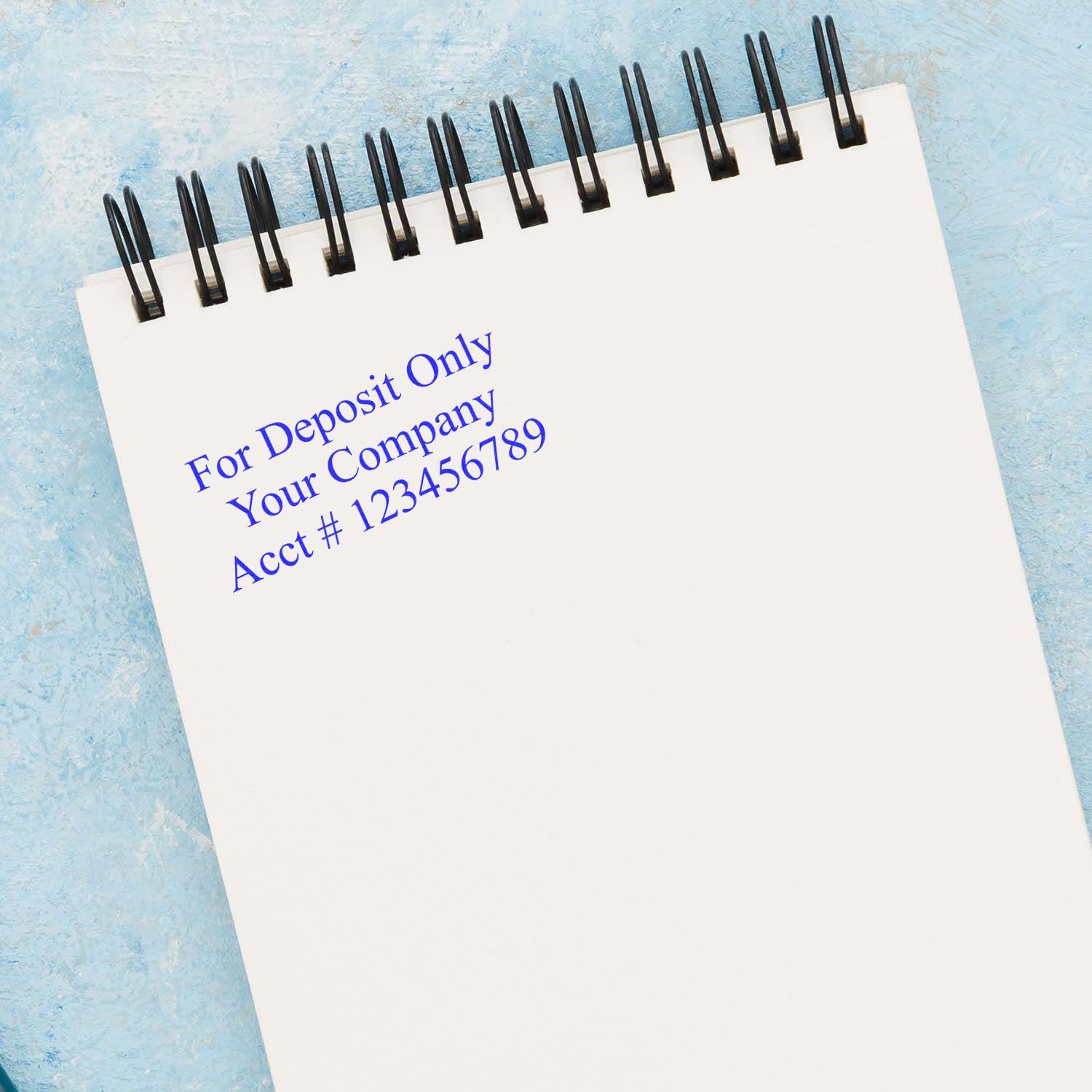
You handle checks all the time, so you already know how repetitive it can be to write out deposit details. A “for deposit only stamp” helps you speed up this process while maintaining a neat, professional look on every check you endorse. Instead of scribbling by hand, all you need is a quick press of the stamp. This convenient tool not only saves you time, it also adds an extra layer of security by clearly marking checks for deposit into a specific account. Ready to learn more? Below, you’ll discover how these stamps work, the features you should look for, and how to pick the right one for your needs.
Understand The Basics
When you rely on a “for deposit only stamp,” you’re basically ensuring that checks you receive land in the proper bank account. This phrase restricts any other potential uses, such as cashing the check on the spot. It removes the chance of someone else altering the check’s designation, because you’ve made explicitly clear that the funds go toward deposit only. It’s a simple step that goes a long way toward preventing confusion or mishandling.
A check must typically be endorsed on the back before the bank processes it. This endorsement usually includes either your name, your company’s name, and instructions on what to do with the funds. By stamping, you’re making that direction consistent and legible every time. Additionally, many banks favor the clarity that a stamp provides. It cuts back on potential misunderstandings when your check processes.
Why “For Deposit Only” Matters
- It clearly communicates that the check’s funds are meant for deposit, helping prevent fraudulent attempts to cash your check for other purposes.
- Banks appreciate legible endorsements, which can expedite processing times.
- You spend less time endorsing checks, since stamping is typically faster than writing.
- It demonstrates professionalism, especially when dealing with numerous financial transactions.
Explore Different Stamp Types
Although any “for deposit only stamp” serves the same basic purpose, not all are created alike. Various designs, inking mechanisms, and shape considerations affect your day-to-day use. Generally, you can look forward to three main categories. Understanding these can help you decide which style matches your personal or business workflow.
- Traditional Rubber Stamp: This classic style requires a separate ink pad. You simply press the stamp onto the ink pad before transferring the impression to your check. Traditional rubber stamps are light, cost-effective, and can be easy to store. However, you’ll have to make sure you keep the ink pad fresh, and occasionally replace the pad if you notice fading.
- Self-Inking Stamp: A self-inking stamp holds ink internally. When you press down, it moves against a built-in ink pad and transfers the impression without needing extra supplies. This style is fast, mess-free, and easy to refill, making it popular for busy offices. You won’t have to deal with dried-out pads or re-inking as often, since the stamp typically re-inks itself after each press.
- Pre-Inked Stamp: A pre-inked stamp features ink blended right into the rubber die itself, producing crisp, clean impressions. These stamps often last for thousands of uses before needing a refill. They’re known for sharp detail, which can help you maintain the professional look you want on your checks. One minor downside is that they may cost a bit more than other types.
Self-Inking vs Pre-Inked
Self-Inking:
- Generally more affordable
- Slightly less crisp but still neat
- Requires periodic ink-pad refills or replacements
Pre-Inked:
- Often delivers highly defined text
- Lasts for thousands of impressions
- May require specialized ink refills
If you’re not quite sure which category to go with, consider how frequently you’ll use the stamp and whether you prioritize cost or precision. Both self-inking and pre-inked stamps are convenient, but if you handle large volumes of checks, pre-inked might be worth the extra expense.
Consider Key Features
As you shop for the perfect “for deposit only stamp,” you’ll notice a variety of features that set each option apart. Here are some of the most important ones to keep in mind.
- Stamp Imprint Size: The size of the imprint can vary. Make sure it’s large enough to read but not so large it overwhelms the endorsement area on checks. A compact, clear imprint often works best.
- Font Clarity: Look for fonts and letter spacing that don’t blur together when stamped. Clean, bold lettering ensures each word stands out, preventing misunderstandings at the bank.
- Durability: A strong, well-built stamp housing holds up to repeated presses. A wobbly or flimsy body might create inconsistent impressions or break after a short period of use.
- Grip And Handling: You’ll be pressing down on the stamp regularly, so pay attention to the handle’s design. Some stamps have a comfortable grip that reduces strain, which can be especially helpful for high-volume stamping.
Stamping Materials And Durability
Most modern stamps rely on sturdy plastics or metals. The die itself may be made of a special rubber or polymer, both of which can handle repeated inking without losing shape. A durable stamp ensures every impression remains crisp over the product’s lifespan, cutting out the need for a quick replacement. Look at product descriptions for phrases like “long-lasting” or “made with tough materials,” and don’t be afraid to check reviews if they’re available.
Use The Stamp Properly
Technique matters more than you might think. Applying a “for deposit only stamp” in a rush can cause half-stamped impressions or smudges. The good news is that proper usage is straightforward, and once you get the hang of it, you’ll rarely if ever make mistakes that compromise the readability of your endorsement.
- Position Correctly: Make sure you align the stamp so the text lands neatly in the endorsement area. This is typically on the back of the check, near the top edge. Holding your check in place on a flat surface can help.
- Apply Consistent Pressure: Press down evenly, and try to avoid slanting the stamp. Moving the stamp mid-press can result in a blurred or double imprint.
- Stamp Once: Resist the temptation to press over the same spot more than once. If you’re uncertain you did it correctly, wait until the first impression is fully dry, then stamp a second time in a different spot if needed.
- Let It Dry: On most checks, the ink dries quickly, but it’s still best to avoid stacking them immediately. Give the stamp impression a few seconds to settle so it doesn’t smear or transfer to other documents.
Effective Stamping Technique
- Keep your wrist steady by resting your elbow on the table if you need more control.
- If you have a traditional rubber stamp, double-check that you’re inking it enough.
- Store your checks in a tidy pile or tray before stamping in batches so you don’t lose any or mix them with unstamped checks.
Enhance Security And Professionalism
Your “for deposit only stamp” also offers added layers of security. By marking each check clearly, you lower the risk of someone attempting to cash or use it improperly. It’s a visible signal to banks and anyone handling your checks that these funds can’t be diverted elsewhere. A neat, legible imprint also gives your business a polished image—small details like this can build trust with clients and partners.
- Protect Over Sensitive Information If you include account numbers on your stamp, you’re specifying exactly where the check goes. This can be convenient, but keep in mind that your account numbers become visible. Handle checks carefully and ensure they’re not lying around in public view.
- Keep A Record When you stamp “for deposit only,” you know you won’t accidentally cash the check. This reduces administrative errors and helps you track deposits accurately.
- Impress Clients If your clients see you stamping checks with a consistent message, it shows you’re organized. It’s a subtle detail, but it can leave a positive impression of how you handle finances.
Reduce Errors And Fraud
Stamping your checks lowers the chance of a bank employee misreading your handwritten note. It also discourages any attempts to manipulate or add to the endorsement. After all, there’s no ambiguity when the check clearly says it’s for deposit only. In the long run, this level of security can save you or your business from unnecessary headaches.
Choose A Trusted Supplier
When it comes to something as important as your financial transactions, you want to invest in a stamp from a supplier that’s established, reliable, and well-reviewed. With close to 60 years of service under our belt, Acorn Stamps remains one of the top suppliers of custom and personalized stamps. Family owned and operated since 1964, we’re proud to offer “for deposit only stamps” that reflect our commitment to stellar customer service and super fast turnaround.
- Look For Experience Companies that have been accommodating stamp orders for a long time usually understand what you care about most: swift shipping, clear instructions, and durable products.
- Prioritize Customization If you handle different types of checks, you might want custom text on your stamp. For instance, you could add your company’s official name, your bank name, or your account number. Acorn Stamps specializes in tailoring the stamp to match your exact needs.
- Rely On Great Support It’s comforting to know you can reach someone if you have any problems, whether it’s about a losing ink impression or a shipping delay. A responsive customer service team stands out more than you might realize until you need them.
Why Acorn Stamps Stands Out
Decades of industry experience: We began in 1964, so you can trust our expertise.Family owned and operated: Caring about our craft—and our customers—is baked into everything we do.
- Super fast turnaround: We understand that time is crucial. We aim to get your stamp to you quickly and reliably.
- Stellar customer service: Our support team is ready to answer your questions and guide your customizations.
Maintain And Care For Your Stamp
A well-cared-for stamp can last for many thousands of impressions. Proper maintenance ensures you’ll always get that crisp, legible imprint you expect. Luckily, keeping your “for deposit only stamp” in top condition isn’t hard. Routine refilling, storing, and cleaning can all help extend your stamp’s lifespan significantly.
- Store It Correctly Place your stamp in a dry, dust-free spot. Stamps generally come with a dust cover or can be stored upright in a small holder. The goal is to keep the stamping surface from gathering dirt or lint.
- Refill The Ink On Schedule If you see that the imprint is fading, it might be time for fresh ink. Self-inking and pre-inked stamps each have unique refill methods. Be sure you follow the instructions provided with your stamp.
- Wipe Off Excess Ink Occasionally, ink can build up around the edges of the stamp. You can gently clean these areas with a slightly damp cloth. Avoid harsh chemicals, which may break down the rubber or polymer.
Ink Refill And Storage
- Always use ink designed for your stamp type. Different stamps require different formulas to maintain clear impressions.
- Refill slowly, allowing the ink to soak in. Overfilling can lead to messy leaks.
- Keep your stamp away from extreme heat or cold, which can dry out or warp the rubber.
- If you’re switching ink colors, thoroughly clean the stamp’s surface before adding the new color.
Frequently Asked Questions
Below are five common questions people like you often ask before buying a “for deposit only stamp.” If you still have further questions, we’re happy to help you at Acorn Stamps. Reach out anytime for personalized assistance.
Will My Bank Require A “For Deposit Only Stamp”?
While it’s not mandatory at most banks, it’s highly recommended. Having a dedicated stamp prevents guesswork about your endorsement and speeds up transactions. It also lowers the risk of processing errors.
Can I Customize The Text On My Stamp?
Absolutely. Many people choose to include their bank account details or business name to make deposits even more efficient. Let us know if you have special requests, and we can tailor the stamp’s design to you.
How Often Should I Refill Or Replace The Ink?
It depends on how frequently you stamp checks. If you notice the text fading or see partial imprints, it’s a sign that you need more ink. With normal usage, self-inking stamps last several thousand impressions before a refill, and pre-inked stamps can provide even more.
What If I Make A Mistake While Stamping?
If your stamp impression smears or is unclear, it’s often best to stamp again in a different area on the back of the check. Make sure you allow the ink to dry in between impressions to avoid further smudging.
Is It Safe To Include My Full Account Number On The Stamp?
If security is a concern, you can print just the last few digits of your account number or skip adding it entirely. However, many businesses prefer the convenience of listing the full number. Just be sure you manage checks responsibly and keep them away from unauthorized individuals.
Using a “for deposit only stamp” simplifies your daily routine and adds an extra layer of security to your transactions. From choosing the right stamp type to maintaining it for long-term use, a few small steps can make a big difference in the clarity, efficiency, and integrity of every check you endorse. If you’re ready to make your business banking more seamless, consider a customized stamp from Acorn Stamps. Our family-owned approach—and 60 years of experience—ensure you’ll always get a top-quality product, friendly advice, and swift delivery. We look forward to helping you enjoy a smoother deposit process.