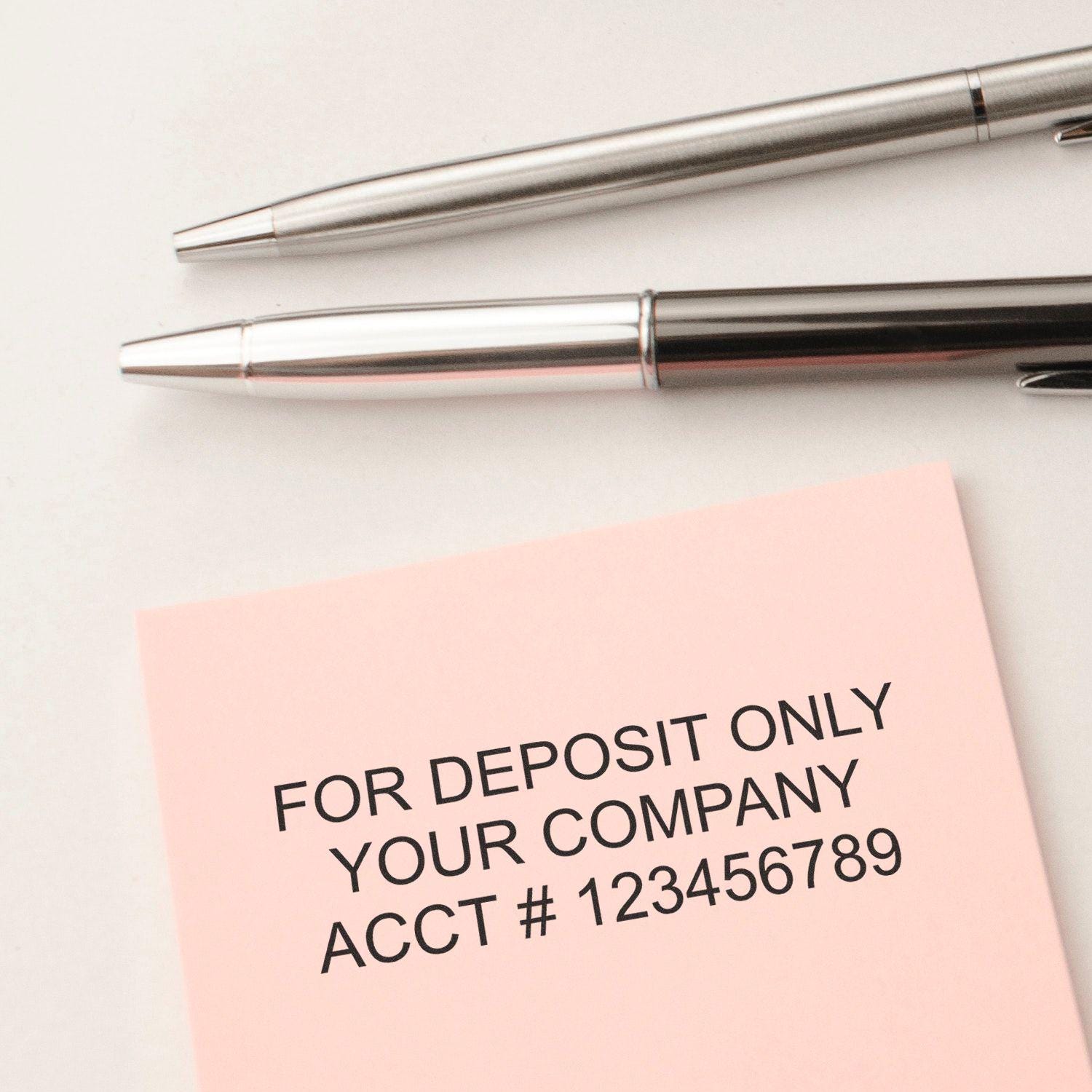
Selecting the right pay to the order of stamp can greatly simplify the way you handle checks, whether you’re managing a small family business or looking after your personal finances. By automatically printing “Pay to the Order of” and the recipient’s name on your checks, you reduce errors, improve consistency, and present a more professional face to clients and financial institutions. You also make the deposit process more secure and efficient, which is crucial for safeguarding your revenue streams. As you explore your options, you’ll discover that there’s more to these handy stamps than first meets the eye. Factors like stamp material, ink type, and customization all play a part in ensuring you get a reliable, long-lasting tool.
In this ultimate guide, you’ll learn what a pay to the order of stamp really is, how it differs from a for deposit only stamp, and why adding one to your business toolkit can streamline daily banking tasks. You’ll also find tips on selecting the perfect design, picking the right vendor, and making the most of your new stamp. Plus, if you’re looking for a trusted supplier with decades of expertise, you’ll discover how Acorn Stamps can help you create a solution tailored to your needs. From family-owned roots and stellar customer service to super-fast turnaround times, Acorn Stamps stands as a top provider of custom stamps for businesses of all sizes. By the end of this guide, you’ll have an in-depth understanding of these specialized stamps and the confidence to choose the one that’s guaranteed to make your check-handling process faster, safer, and more professional.
Understand the Purpose
Definition and Common Misconceptions
A pay to the order of stamp imprints the phrase “Pay to the Order of,” often followed by a company or individual’s name and sometimes an account number. This addition to your checks ensures banks and other financial institutions can quickly verify who should receive the funds. One misconception is that this stamp is only necessary if you process huge volumes of checks. In reality, even smaller businesses with moderate check usage can benefit by reducing human error and preventing unauthorized alterations.
When people hear “pay to the order of,” they may assume that this means a check is automatically restricted for deposit, but that isn’t always true. The key difference is that the phrase directs which party should be paid, yet it doesn’t completely lock the check for deposit in the same way a “for deposit only” endorsement might. With a pay to the order of stamp, you have a clear notation of who is authorized to receive the funds, but you can still choose how to handle the transaction. If further restrictions are needed, you can add “for deposit only” text or other endorsements for an extra layer of protection.
How It Differs From For Deposit Only
A pay to the order of stamp focuses on specifying who is entitled to receive funds. A for deposit only stamp, on the other hand, restricts exactly how the funds can be handled—the check must be deposited into the stated bank account rather than being cashed. With a for deposit only endorsement, the bank generally will not allow anyone to receive physical cash from the transaction. This added security step helps limit fraud and theft.
Combining a pay to the order of stamp with a for deposit only stamp can be a powerful approach if you want maximum clarity and security. You can direct the payment to a specific entity and ensure it’s strictly deposited. This is especially valuable for doing remote deposits or working with multiple banking institutions. Still, many businesses opt to keep their endorsements flexible, so choosing a pay to the order of stamp suffices if you often handle various payment scenarios.
Harness the Benefits
Improved Accuracy
Accuracy in financial transactions is critical. By using a pay to the order of stamp, you align every check with a standard format, cutting down on legibility issues and manual mistakes. For instance, if you write checks frequently, even a single slip-up in writing the payee’s name by hand could delay deposit processing or lead to confusion at the bank. A standardized stamp practically eliminates such errors, which means less risk of checks being rejected or misdirected. Accuracy isn’t just about correctness—it also helps your business maintain a polished reputation among clients and vendors alike.
Because the stamp is a fixed mechanism, you’re preventing most forms of smudging, stray pen marks, or inconsistent spacing. Whether you’re printing “Acorn Stamps” or a personalized name, it’s the same lettering each time, reducing the chance of refused or delayed transactions. Accuracy goes hand in hand with efficiency, saving you time that would otherwise be spent resolving deposit-related mistakes.
Enhanced Security
Financial security is a top concern for any organization, and stamping your checks can be a robust first line of defense. A noteworthy threat is check alteration—unscrupulous individuals may try to manipulate who can cash or deposit it. With a pay to the order of stamp, the rightful recipient is clearly indicated. While this step alone may not guarantee absolute prevention, it does discourage tampering by making the legitimate recipient highly visible.
In more sophisticated applications, you can add extra wording to your stamp, such as specifying your account number or “for deposit only,” to minimize risks. Over time, investing in secure check processing habits helps you avoid costly fraud incidents. It also shows clients and business partners that you take their financial interactions seriously.
Professional Appearance
In business, appearances matter. Whether you’re presenting a check to a client or printing hundreds of them for bill payments, a neat, uniform imprint signals a high level of professionalism. Handwritten payee details can look inconsistent—especially if multiple people are issuing checks. A stamp presents a polished and recognizable endorsement, reinforcing your brand’s credibility.
This level of professionalism can help you stand out. If you’re a growing business, every small detail counts. Consistent stamping also speeds up administrative tasks, so you can process more checks in less time. A neat appearance isn’t only about cosmetics—it’s about conveying that your company is trustworthy, detail-oriented, and respects a smooth transaction experience.
Compare Stamp Options
Self-Inking vs. Non-Self-Inking
One of the first distinctions you’ll encounter when choosing a pay to the order of stamp is whether to go self-inking or not. A self-inking stamp contains a built-in ink pad that re-inks the die each time you press down. This design often leads to faster stamping because you don’t have to manually apply ink from a separate pad. Self-inking stamps are especially popular in high-volume settings where speed and convenience are paramount.
Non-self-inking stamps, on the other hand, require a separate ink pad to transfer the image onto the check. You’ll press the stamp onto the pad and then onto the document. While this might seem more laborious, it can actually be beneficial if you want maximum control over ink color, coverage, or if you have specific brand colors you’d like to maintain consistently. For businesses that only stamp a few checks a day, a non-self-inking model might work perfectly while offering flexibility in ink choice.
Rubber, Pre-Inked, or Metal
Alongside the self-inking question, you also need to think about the overall construction. Traditional rubber stamps use a separate ink pad and have a rubber die attached to a handle. They are often more economical, but you still get a reliable impression. Pre-inked stamps have ink embedded within the stamp surface, yielding crisp, clear imprints and minimal chance of smudging. Metal stamps can be more heavy-duty and ideal if you’re in a high-volume setting and need a stamp that can withstand hundreds of impressions daily without wearing out.Each type offers distinct advantages no matter the size of your operation:
- Rubber: Cost-effective, easy to replace the stamp pad, straightforward.
- Pre-Inked: Crisp detail, fewer smudges, generally lasts longer before needing ink replenishment.
- Metal: Durable, built to handle repetitive stamping.
Ink Colors and Durability
Color choice can add a subtle yet impactful touch to your stamp usage. Many businesses use simple black ink thanks to its clarity and acceptance by banks. Blue is another popular option because it contrasts typical black text on checks and helps the stamp stand out. Red might be used for more specialized messages, though it can be less common for check endorsements.
Pay attention to the ink’s durability and how well it dries on different paper types. Quick-drying ink helps prevent smudges on glossy or coated checks. Some stamps also come with fade-resistant or waterproof inks, which might be useful if you often store documents for extended periods or deal with environments subject to moisture. Deciding on the right color and ink formula helps you achieve a neat, lasting mark every time.
Customize for Your Needs
Common Layouts
The text on a pay to the order of stamp typically follows a few standard patterns. One common layout might read:
Pay to the Order of [Recipient Name]
Alternatively, you might want to incorporate your account or routing number to reduce confusion at the bank. If you’re handing a check to your vendor or writing reimbursement checks, a more basic layout without extra details might be sufficient. On the other hand, if your goal is strictly deposit-related, you might add “for deposit only” to the text.
Most layouts focus on clarity, ensuring the bank teller knows precisely how to handle the check. If you want your stamp to align neatly with pre-printed lines on your checks, be sure to measure the available space and format accordingly.
Font, Size, and Spacing
Once you know what your stamp needs to say, the next step is making it look great. A legible typeface is essential, so an easy-to-read font like Arial or Times New Roman is a typical go-to. However, many businesses choose to incorporate branding by adopting a font style that matches their logo or other marketing materials, as long as it remains clear.
Size and spacing also matter. Stamps that are too small end up cramming letters close together, resulting in blurred or indistinct imprints. Conversely, overly large stamps might force you to place the endorsement in a way that covers important parts of the check. Aim for a layout that balances readability with proportion. Simple test prints on plain paper help verify that your chosen font size and spacing produce a clean impression. Make sure there’s enough space around each letter to avoid smearing ink.
Additional Text or Messaging
A pay to the order of stamp isn’t limited to just naming the payee. You can add a phone number, website, or a short brand tagline. For instance, some businesses include a short phrase like “Thank you for your business” to reinforce a friendly tone. Others add a customer service number, especially if the check is used for vendor payments. While these additions aren’t strictly necessary, they can make your checks look more personalized and professional.
Still, you’ll want to be strategic. Overcrowding your stamp can make it harder to read the key information. Always prioritize essential endorsement details first, and use additional messages sparingly so they don’t detract from the primary message: who gets paid and how.
Partner With Acorn Stamps
Family-Owned Legacy
If you value personalized service and a solid track record, Acorn Stamps offers the perfect blend. We’re a family-owned business that has proudly served customers since 1964, bringing over 60 years of experience to the custom stamp industry. Our roots mean we focus on relationships first—understanding your needs and ensuring you’re fully satisfied with the result.
Since 1964Longevity often goes hand in hand with quality, and that’s certainly true at Acorn Stamps. We’ve had decades to refine our production processes, gather customer feedback, and build expertise. From small businesses to large corporations, thousands of clients have trusted us to deliver top-quality stamps on time, every time.
Stellar Customer ServiceWhen you partner with us, you’ll notice our commitment to open communication and helpful guidance. Our knowledgeable staff can walk you through every step—from identifying the ideal dimension to choosing the best ink color for your checks. We pride ourselves on taking the guesswork out of the process so you can focus on running your business. If you have questions or need suggestions, our team is here to point you in the right direction.
Super-Fast Turnaround
Whether you’re just starting a business or replacing worn-out equipment, we recognize that you can’t afford long delays. That’s why we place a significant emphasis on quick turnaround times. By streamlining each stage of design and production, we’re able to get your pay to the order of stamp crafted and shipped rapidly—without compromising on quality. It’s part of our overall goal: to make your experience as hassle-free as possible.
Frequently Asked Questions
Are Pay to the Order of Stamps Legally Binding?
Yes, stamping a check with “Pay to the Order of” and the recipient’s name generally holds legal weight as an endorsement. The stamp clarifies who is authorized to deposit or cash the check. However, it’s still good practice to confirm any additional steps with your bank, especially if you have unique deposit procedures.
How Do I Order a Custom Stamp From Acorn Stamps?
Ordering a custom stamp is simple. You can contact us directly to discuss your specifications, including dimensions, text, and preferred materials. Once we finalize the design, our team produces the stamp using top-quality methods. In many cases, you’ll receive a preview of the stamp’s layout before we proceed with manufacturing. This ensures you’re satisfied before the stamp goes into production.
How Long Does It Take to Receive My Stamp?
We’re known for super-fast turnaround times, usually shipping orders as quickly as possible—often within just a few days. The exact timeframe can depend on factors like order volume, complexity, and shipping location. That said, we strive to ensure you’re never waiting long, making it possible for you to start using your stamp and streamlining check processes sooner rather than later.
Is a Pay to the Order of Stamp the Same as a For Deposit Only Stamp?
They serve different purposes. A pay to the order of stamp clarifies who holds the right to receive funds. By contrast, a for deposit only stamp restricts a check so it can only be deposited into a specified account. It’s entirely possible to combine these messages if you’d like to direct payment to a particular payee and specify that the funds must go into a designated account.
Can I Use This Stamp on Other Documents?
Although primarily designed for checks, you can technically use a pay to the order of stamp on similar financial instruments or documents requiring clear endorsement instructions. However, banks usually require endorsements directly on checks, so make sure to verify with your specific institution if you aren’t using it in a typical context. For the best results, stick to the standard usage where you endorse checks and ensure a smooth deposit or payment process.
Choosing the ideal pay to the order of stamp can transform the way you handle checks, reducing errors and ensuring a precise, professional imprint every time. From selecting the right stamp format to working with a reliable supplier like Acorn Stamps, every detail helps you maintain clear, streamlined transactions. You deserve a tool that blends convenience, security, and brand consistency—all while giving you the peace of mind that your finances are handled correctly. If you’re ready to customize your own pay to the order of stamp, consider turning to a family-owned team like ours for guidance, quality, and the personalized touch to meet your unique needs.