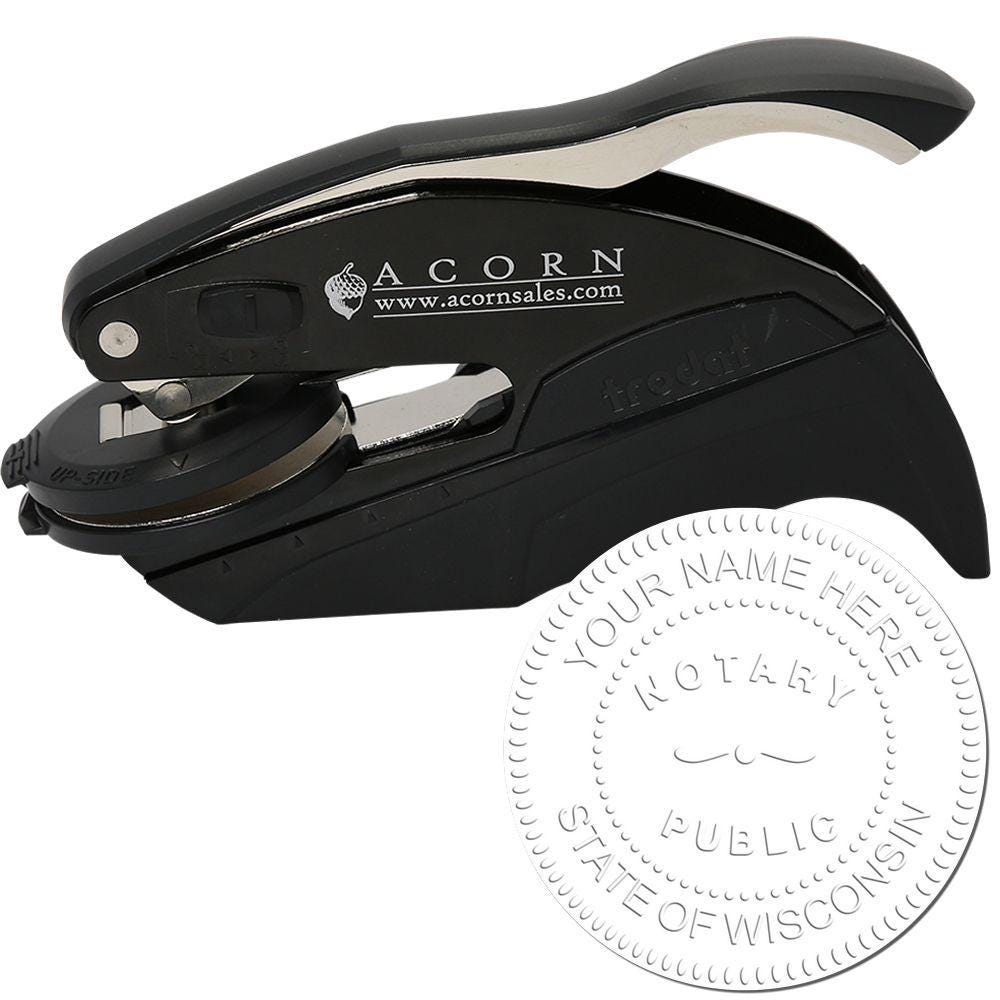
Selecting your Wisconsin notary public stamp can feel like a significant step, whether you have just received your notary commission or you have been officially notarizing documents for years. As a Wisconsin Notary Public, you rely on your stamp to mark essential paperwork correctly and legibly. Because each state has specific rules about what your stamp needs to feature, it is worthwhile to explore your options thoroughly and choose a product that meets every requirement, stands up to regular use, and offers the professional image you want to convey.
Below, you will find a handy guide on what to look for when choosing a Wisconsin notary public stamp. You will also learn which features to consider, how to maintain your stamp, and where to purchase quality supplies that meet Wisconsin’s notarial standards. Let’s dive in.
Explore State Requirements
You should start by confirming all the state-specific rules that govern your Wisconsin notary public stamp. Reviewing Wisconsin’s notary regulations ensures you pick a stamp that meets the right criteria and is suitable for the documents you will be processing.
- Confirm Required Elements: In general, your stamp must clearly show your name and the words “Notary Public” and “State of Wisconsin.” Make sure you understand each required component.
- Check for Changes: Even if you have had a notary commission for a while, it is good practice to revisit the rules for any updates. Regulations can change, and failing to comply with new guidelines could create problems when you notarize documents.
- Ask for Clarification: If a requirement seems unclear, consider reaching out to Wisconsin’s Department of Financial Institutions. A quick email or phone call can clear up confusion about lettering size, shape, or wording.
By confirming these details ahead of time, you reduce the chance of having to reorder or replace a stamp that does not align with current regulations.
Compare Stamp Types
Two primary stamp types exist for notary use: self-inking and pre-inked. Both options can satisfy state requirements, but their functionality and performance differ. Understanding how each type operates helps you choose the style that best fits your workload, schedule, and personal preference.
Self-Inking Stamps
Self-inking stamps use a built-in ink pad that re-inks the rubber die after every impression. As a result, you do not have to carry a separate ink pad. These stamps often have a sturdy plastic or metal frame, making them a popular choice for notaries who frequently travel or need to stamp lots of documents in a short time.
- Advantages: Self-inking stamps are convenient and consistent, giving you a clean impression with each use. Because the ink pad is inside the device, they are also easy to store and transport.
- Maintenance: You will eventually need to re-ink or replace the internal pad after several thousand impressions. Regularly check your impression quality—faint or patchy stamps are signs it is time for a refill.
- Suitability: If you handle frequent notarizations or share an office with colleagues who might use the same stamp design, a self-inking option can handle the volume.
Pre-Inked Stamps
Pre-inked stamps incorporate the ink into the die itself, which provides extremely crisp impressions. These devices do not rely on a separate internal pad and are known for their polished, professional look.
- Advantages: Pre-inked stamps can yield sharper impressions with minimal smudging. Since the ink is in the die, you typically get more consistent results compared to other devices.
- Maintenance: Refilling a pre-inked stamp can be a bit more involved than changing the ink pad on a self-inking model. However, you can often stamp thousands of times before refilling.
- Suitability: If you value precision and work with official documents that demand consistently clean impressions, this style might be ideal.
Ultimately, both self-inking and pre-inked stamps can serve you well as a Wisconsin Notary Public. Consider how many documents you notarize daily, where you perform your notarial acts, and whether you prioritize convenience or ultra-crisp markings.
Look For Quality Materials
No matter which stamp style you choose, the device’s construction and materials can affect the durability of your Wisconsin notary public stamp.
- Casing Material: Many stamps use plastic or metal bodies. Plastic casings are lightweight, while metal frames often withstand drops and other accidental impacts better. Decide which feature is more important to you: lighter weight or maximum durability.
- Ergonomic Design: If you notarize dozens of documents daily, a stamp with a comfortably shaped handle can reduce hand strain. Look for a design that feels natural in your grip.
- Impression Die Material: The die is the piece that contacts the paper and leaves the ink mark. High-quality rubber or polymer on the die surface improves impression clarity and longevity.
A durable stamp pays off in the long run by saving you from repairs or frequent replacements. Opt for a brand with a solid reputation, so you know your purchase will stand up to everyday use.
Choose Ink Wisely
Ink formula, color options, and refill availability all matter when you are deciding which Wisconsin notary public stamp to buy. You want an ink that produces a clear, non-smearing mark that stands up over time.
- Ink Colors: Many Wisconsin notaries opt for black ink because it contrasts well on most standard forms. Some notaries prefer blue ink to easily distinguish originals from photocopies. Confirm if the state has any color restrictions.
- Ink Refills: Check whether the stamp you plan to buy has compatible refill cartridges or bottled ink. This makes it straightforward to maintain consistent impressions and avoid having to purchase a new stamp prematurely.
- Drying Time: Quick-drying ink is essential, especially if you work in a fast-paced office. Ink that dries slowly can smudge or transfer onto other surfaces, which can delay filing or lead to redoing certain documents.
Ultimately, choosing the right ink can save you time, keep your workstation clean, and help produce professional-looking notarial seals.
Check Layout And Dimensions
While the text on your stamp is governed by Wisconsin’s notary regulations, you still have some flexibility regarding shape and layout. That said, you will want to confirm the size specifications mandated by the state.
- Round vs. Rectangular: Both shapes are generally acceptable in Wisconsin, but some notaries prefer round stamps for their classic look. Rectangular stamps often provide slightly more space for text and can produce an exceptionally crisp impression.
- Font and Text Arrangement: A clear, legible font is key for official use. Some stamps allow you to choose bold or italic lettering. Make sure to verify that the font size meets state guidelines for readability.
- Seals vs. Stamps: Depending on your needs, you might also require an embosser or raised seal in addition to your ink stamp. Wisconsin permits embossed notary seals. However, the ink stamp is often more versatile, particularly for documents that must be easily photocopied.
Creating a layout that balances clarity, adherence to regulations, and aesthetics ensures your notarial seal looks professional on every document you handle.
Rely On A Trusted Supplier
Your Wisconsin notary public stamp is essential for your official duties, so it matters where you choose to purchase it. When looking for a supplier in Wisconsin, consider their reputation, their track record of supporting public officials, and the convenience of their service.
- Family-Owned Experience: Acorn Stamps has served notaries nationwide since 1964—60 years of experience providing Wisconsin notary stamps and seals. You can trust a business that has been around for decades, continually refining its products and practices.
- Expedited Turnaround: Short on time? Aim to purchase from a supplier offering a quick turn-around so you can get your stamp in hand without delay. Acorn Stamps excels in fast shipping, so you can move forward faster with your notarial tasks.
- Stellar Customer Service: Outstanding customer support can resolve questions about customizing your stamp or clarifying the right ink color to meet Wisconsin guidelines. At Acorn Stamps, friendly staff members guide you every step of the way to ensure that you feel confident in your purchase.
- Reliability: A quality guarantee is reassuring, especially if you rely on your stamp for your livelihood. Look for suppliers whose products come with warranties or clear return policies in case anything goes wrong.
By choosing a dependable supplier that consistently meets state requirements, you can devote more attention to providing the best possible service to your notary clients.
Maintain Your Notary Stamp
After you have selected the perfect Wisconsin notary public stamp, consistent care will keep it functioning properly and producing crisp marks on documents. Follow a few simple habits and you will prolong your stamp’s lifespan and ensure ongoing reliability.
- Clean the Die: Residue or dried ink can accumulate on the die surface over time, especially if you repeatedly stamp on glossy or coated paper. Gently wipe it with a damp cloth or a rubber stamp cleaning solution.
- Avoid Extreme Temperatures: Leaving your stamp in a hot car or a freezing mailbox might damage the internal components or ink. Store it in a moderate environment to prevent warping or leakage.
- Keep a Backup: If you frequently notarize, you might consider purchasing a second stamp (or at least a spare ink pad). If one runs out of ink at an inopportune moment, you will have a backup at the ready.
Being proactive about maintenance ensures a long, cost-effective life for your notary stamp. Proper upkeep also conveys professionalism to your clients, who rely on prompt, accurate notarizations.
FAQs
Below are common questions about purchasing and using a Wisconsin notary public stamp. If you have additional questions, remember to consult official Wisconsin state resources or a trusted supplier like Acorn Stamps.
Do You Need To Register Your Stamp With The State?
Wisconsin does not generally require you to submit a copy of your notary stamp impression to any official registry. However, you must ensure your notary stamp meets the required design standards and displays legible information. Always confirm current regulations with the Wisconsin Department of Financial Institutions if you are unsure.
How Often Should You Refill Or Replace The Ink?
This depends on how frequently you use your notary stamp. Individuals who process high volumes of documents may find the ink running low more quickly, especially if they use a self-inking stamp. Watch for faded or distorted impressions. If your stamp looks unclear, refill or replace the ink cartridge (for self-inking) or re-ink the die (for pre-inked) as soon as possible to maintain professional-quality marks.
Can You Use Different Ink Colors For Notarial Acts?
Many Wisconsin notaries prefer black ink because it creates a traditionally acceptable, high-contrast seal. The state does not ban other colors, such as blue, so you can choose one that meets your preferences and highlights the authenticity of the document. However, you should confirm that the ink color follows office or agency policies if you work with an employer.
Is A Seal Embosser Required Along With A Stamp?
Although a raised seal can look official, Wisconsin does not mandate an embosser for notarial acts—an ink stamp by itself typically suffices. Some notaries still use an embosser for aesthetic reasons or upon request by clients. If you opt for both, ensure that the stamped or embossed mark remains clear and legible on any copy of the document.
How Much Information Should Appear On Each Impression?
At minimum, your name and the words “Notary Public” and “State of Wisconsin” must appear on every imprint. Some stamps also display a commission expiration date. Adding that extra detail can help remind signers when your commission is due for renewal. Verify whether including the expiration date is recommended—or required—by the Department of Financial Institutions to avoid any misalignment with Wisconsin’s guidelines.
Selecting your Wisconsin notary public stamp should be a straightforward and rewarding process when you know what to look for and how to keep it in excellent condition. By understanding state requirements, comparing stamp types, and choosing a reputable supplier like Acorn Stamps, you set yourself up for success as a Wisconsin Notary Public. With a well-maintained, properly designed stamp, you can tackle your notarial duties with confidence, knowing each document bears a clear seal that meets all official standards. Happy stamping!