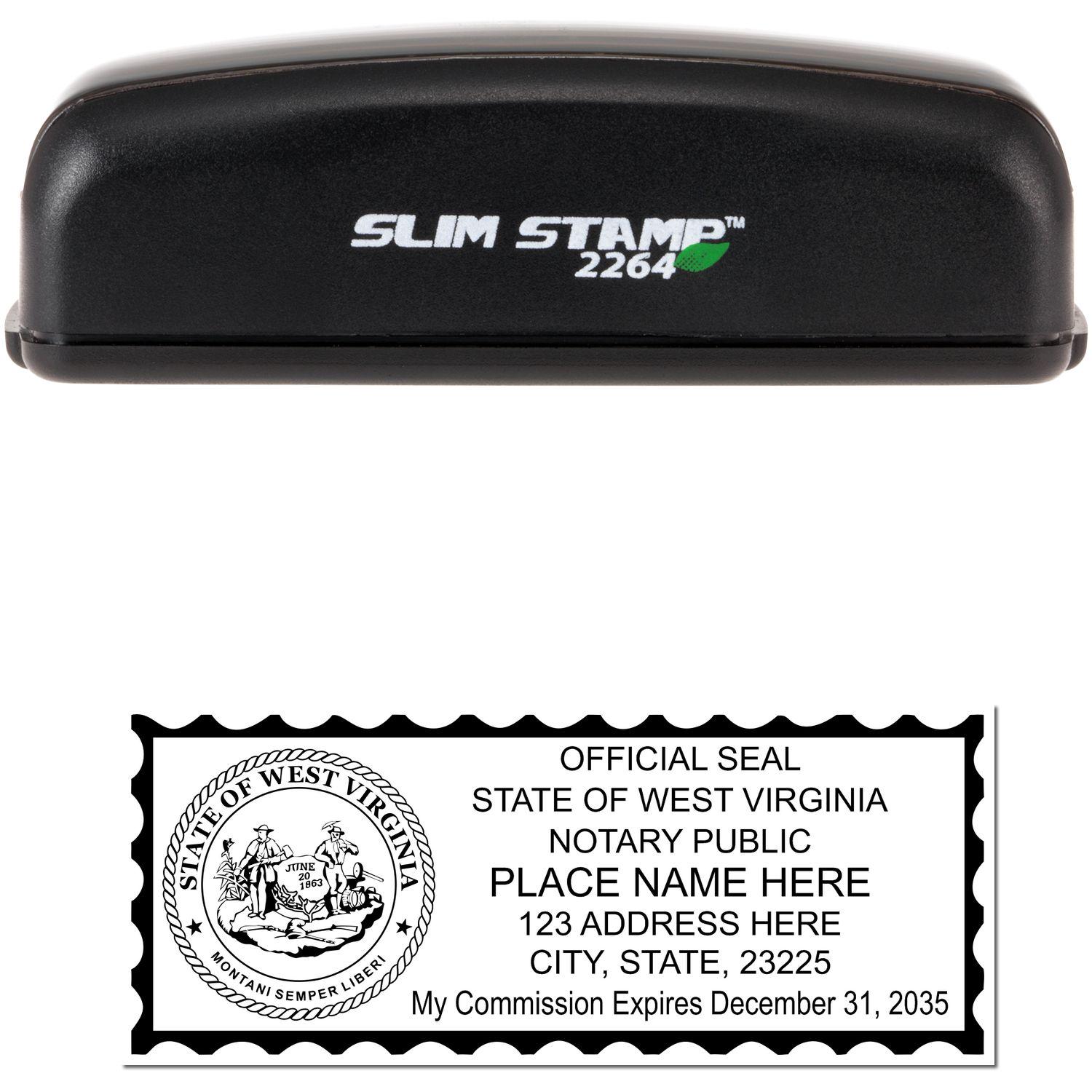
When you serve as a Notary Public in the Mountain State, having a dependable West Virginia notary kit is not just helpful—it is a must. It allows you to handle official duties with simplicity and professionalism while meeting all required guidelines. Whether you are renewing your notarial commission or starting out for the first time, your tools can make the difference between a smooth appointment and an unexpected snag. Below, you will learn why a reliable notary kit is so important, which items you will rely upon most, and how you can organize it all for maximum efficiency. Along the way, you will see why Acorn Stamps—family owned and operated since 1964—has become a trusted source for West Virginia notary supplies.
Recognize the Role of a Notary
A notary’s responsibilities revolve around verifying the identity and willingness of individuals signing crucial documents. From property deeds to sworn affidavits, your role ensures these transactions stand up to scrutiny and carry legal significance. As a West Virginia Notary Public, you accept a position of trust—one that helps prevent fraud, safeguard personal rights, and uphold the law.
Why Proper Tools Support Your Duties
Being a notary does not simply require good intentions. You are expected to bring accurate and complete record-keeping skills to every situation. That is where a dependable West Virginia notary kit proves indispensable. When your stamp, seal, and logbook are always within reach, you can confirm a document’s authenticity and maintain the records that protect both you and the public. By relying on a complete kit, you keep your workflow smooth, reduce the chance of errors, and keep every appointment consistent with state guidelines.
Collect All Essentials in Your West Virginia Notary Kit
The purpose of a West Virginia notary kit is to streamline your responsibilities. Think of it as an all-in-one package that secures your professional image. Instead of scrambling for scattered tools at the last minute, you can open your kit, grab the items you need, and complete your notarial tasks without delay. While every notary’s needs vary slightly, you can expect a few key elements to remain essential in your kit.
The Must-Have Notary Stamp
Your West Virginia notary stamp carries essential identifying information. It is designed to produce a crisp impression that includes your name, your position as “Notary Public,” and any other details required by West Virginia law. Because each notarized document relies on legibility, it is wise to choose a high-quality stamp that does not blur or fade. When working with important legal records, the last thing you need is a fuzzy or incomplete stamp.
- Look for durable materials. This ensures thousands of clean impressions without ink spillage or malfunctions.
- Pick a design that fits comfortably in your hand. Comfort makes a difference when you handle multiple documents in a day.
- Consider self-inking stamps. They save time by eliminating the need for separate ink pads.
The Protective Notary Seal
Although some states rely only on stamps, West Virginia may specify the use of a seal or embossing tool to add an official mark. This adds an extra layer of validation to certain documents. The seal itself changes paper texture, making it much harder for bad actors to forge. High-quality seals from a reliable provider, such as Acorn Stamps, are designed to allow for firm embossing without excessive pressure on your hands.
- Research your seal’s customization. Confirm it meets your state’s lettering and design specifications to avoid compliance issues.
- Choose a comfortable design with a sturdy handle. That way, using the seal repeatedly does not strain your wrist.
The Importance of a Notary Journal
While stamps and seals highlight your position, a notary journal carries the full story of each appointment. In certain situations, West Virginia law may require a notary to maintain a record book of each notarization. Even if it is not mandatory for every act, having a journal is a best practice that can protect you if questions arise down the road.
- Maintain an organized, chronological record. Jot down dates, signatures, type of notarization, and any identification details.
- Keep it secure. Whether you store your journal alongside your stamp or in a locked drawer, proper security ensures client information remains private.
- Refer to your journal to confirm past notarizations or clarify details in case of a dispute or legal inquiry.
Comply With West Virginia Requirements
While it is important to feel prepared, it is essential you adhere to the specific regulations that apply to your notary commission. West Virginia dictates certain guidelines around stamp design, seal usage, and record-keeping. By understanding these rules and equipping your West Virginia notary kit with items that meet the criteria, you minimize the chance of noncompliance.
Meeting State Regulations
Local laws dictate specifics like the font size on your stamp or the verbiage that must appear on your seal. Missteps, such as using an outdated stamp design or missing elements on your seal, could invalidate a notarization. That is why selecting a dependable supplier becomes part of your compliance strategy. For instance, Acorn Stamps follows state guidelines closely, ensuring their products meet all necessary requirements.
If you are unsure about any rules or newly passed legislation, consult official West Virginia resources. Your commission is an important role—staying up-to-date is the best way to protect yourself and those who rely on your services.
Benefit From Reliability and Professionalism
In many professions, a quick fix or budget-friendly purchase might work. For a West Virginia Notary Public, reliability holds a higher priority because your reputation is on the line each time you notarize a document. An unreliable seal could ruin important paperwork. A shoddy stamp could cause rejections. These inconveniences negatively affect both you and the people who trusted you with their legal documents.
Build Your Professional Image
When you notarize documents, you are more than a silent observer. You become part of a formal procedure, often involving sensitive matters like property titles, financial declarations, or family decisions. Appearing professional helps to reassure clients and colleagues that their documents are in safe hands.
- Dress modestly and speak clearly. These basics create a trustworthy atmosphere.
- Keep your kit in a tidy, secure case. It demonstrates that you value organization.
- Use quality stamps and seals for a polished look. A crisp, clean impression shows that you take your role seriously.
Enjoy Peace of Mind
Notarizing a high-stakes document can become stressful, especially if your equipment fails or you realize you do not have a critical supply on hand. By assembling a dedicated West Virginia notary kit, you alleviate these worries. You can head to any appointment with the knowledge you have the right items to support you. That assurance frees you up to focus on the clients in front of you, making the entire process more pleasant for everyone.
Select a Trusted Supplier for Your Kit
Anyone can search online for a cheap stamp or basic seal, but reliability and accuracy matter. To maximize your preparedness and meet all West Virginia regulations, turn to a trusted vendor known for quality, longevity, and consistency.
Why Acorn Stamps Stands Out
Acorn Stamps remains a favorite among West Virginia Notary Publics for several reasons. First, the company has been family owned and operated since 1964—providing 60 years of dedicated service. They focus on maintaining state-by-state compliance, so you can trust your West Virginia notary kit to meet local guidelines. Their customer service team is recognized for being quick, friendly, and ready to help you customize a kit that fits your exact needs. Plus, their super fast turnaround times mean one less worry when you need a new seal or fresh stamp ink on short notice.
By working with a supplier that understands your profession, you can count on well-crafted stamps, accurate embossers, and journals that stand up to everyday usage. Instead of hopping across various websites to piece together a patchwork kit, you can procure everything in one place knowing it is designed to align with West Virginia standards.
Stay Organized and Efficient
Having a good kit is not just about the items themselves. It also means keeping them in an orderly fashion so you can retrieve each component with ease. Good organization eliminates those frantic searches for a missing seal or a half-used journal that disappeared under piles of paperwork.
Practical Storage Tips
- Dedicate a specific case or pouch in which all your supplies fit neatly. If you prefer, you can use a small lockbox, offering you an extra layer of security against misuse or tampering.
- Label each item—including your stamp, seal, and journal—so you know exactly where they belong.
- Store your kit in a cool, dry environment. Excess humidity or prolonged sunlight could damage inks and adhesives over time.
- Regularly inspect your kit for wear and tear. If your stamp becomes blurry or your ink pad dries out, replace these items before you face a signing emergency.
Time-Saving Routines
Develop a simple checklist that you run through every time you use your notary kit. This might include verifying the date in your journal, checking your stamp alignment, or inspecting the seal’s clarity on a scrap piece of paper. Small habits like these keep your equipment in top shape and prevent day-of frustrations.
Secure Your Notary Commission
A West Virginia Notary Public functions best with strong foundational support. In addition to the notary kit, pay attention to the renewal process for your commission. Even a perfect kit will not help you if your notary status expires. Mark your calendar or set a digital reminder to renew your commission, update your information, and perform any mandatory training at the appropriate intervals.
- Submit renewal paperwork on time. This helps you avoid gaps in your ability to provide services.
- Check your kit components whenever you renew. Your seal or stamp may need an update if credentials or design elements have changed along the way.
- Maintain your connection to local notary networks. Seeking advice from colleagues and mentors can keep your practice aligned with new state requirements or best practices.
Prepare for Special Circumstances
Some notarial acts go beyond the basics. You might encounter unusual documents or need to work with signers who require extra assistance, such as individuals with language barriers or mobility challenges. Rather than feeling overwhelmed, a well-prepared kit gives you a foundation of stability.
Handling Non-Standard Documents
- Research the type of document before affixing your stamp. Confirm you have the correct notarial certificate text if the document does not include it already.
- Consider drafting a separate loose certificate if the pre-printed text is incomplete or inapplicable to West Virginia’s requirements.
- Record the details in your journal, paying special attention to any unique aspects or signers’ conditions.
Serving Signers with Special Needs
Occasionally, you will meet someone who needs accommodations—perhaps a signer who is bedridden and cannot easily travel, or an individual who is hearing-impaired. If your appointment takes place at a different location than usual, make sure your entire West Virginia notary kit travels with you. The same established process and organized approach will hold true, leaving you and your signer feeling confident about the outcome.
Frequently Asked Questions
Below are five of the most common questions about assembling and maintaining a West Virginia notary kit. Whether you are brand new to notarial duties or simply want a refresher, these answers can guide you toward maintaining a reliable and legally compliant practice.
What Items Should a Complete West Virginia Notary Kit Include?
A solid kit typically features a notary stamp, an embosser or seal, and a journal, along with extra ink supplies. You may also need loose certificates if you frequently handle special documents. By keeping these components in a single case, you ensure you never scramble to find what you need during appointments.
Are There Specific Design Requirements for the Stamp and Seal?
Yes. West Virginia law outlines certain details—such as the notary’s name, commission expiration date, and the words “Notary Public.” Companies like Acorn Stamps stay current with these rules to ensure your custom designs meet legal standards.
Do I Have to Keep a Notary Journal?
Even if it is not required by every notarial act, a journal helps protect you in disputes or lawsuits because it offers a complete record of the transaction. Many notaries consider it a best practice that can save time and hassle later.
Why Should I Choose Acorn Stamps Over Other Suppliers?
Acorn Stamps has served notaries for over six decades. Their expertise in state requirements, combined with stellar customer service and fast turnaround times, makes them a go-to supplier for West Virginia notary stamps and seals. Being family owned and operated since 1964, they pride themselves on quality products you can trust.
How Do I Store and Maintain My Notary Kit?
Keep all notary items in a dedicated pouch or lockable box, away from heat and moisture. Regularly check your stamp and seal for clarity by testing them on scrap paper. Replace worn-out ink pads or damaged parts as soon as you notice signs of wear.
Putting your West Virginia notary kit together is a great first step toward upholding excellence in your commissioning duties. From verifying signatures to safeguarding essential documents, you carry the responsibility of preventing fraud and ensuring critical documents stand up to legal scrutiny. With a sturdy journal, crisp stamp, and reliable seal at your side, you can face your notarial tasks confidently—knowing that every impression and every record you create meets or exceeds West Virginia’s high standards. When you pair that kind of preparation with a dependable supplier like Acorn Stamps, you have all you need for a successful, fulfilling service to your community.