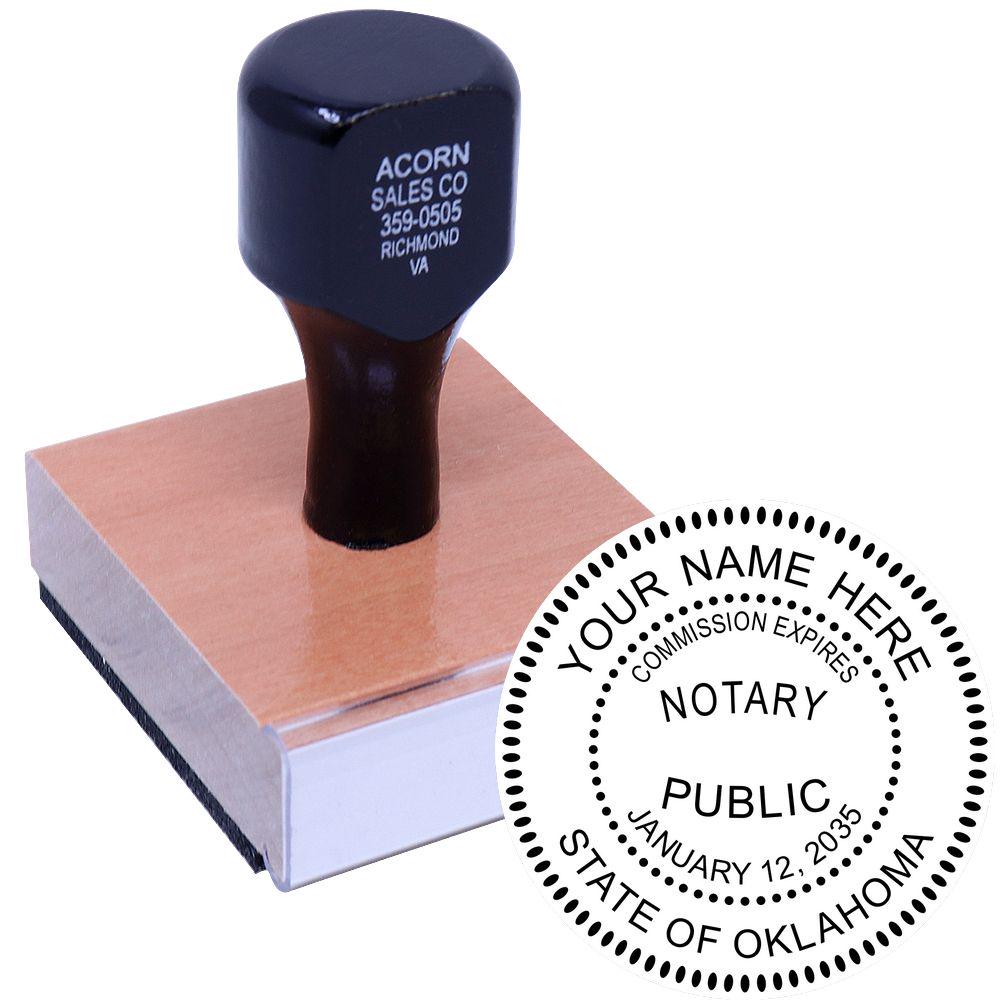
When you serve as an Oklahoma notary public, one of your most crucial tools is your Oklahoma notary stamp and seal. This pair authenticates the documents you notarize, protects against fraud, and demonstrates your professionalism. Choosing the right stamp and seal might feel overwhelming at first, but by understanding a few core principles, you can confidently select a notary set that meets both your practice needs and Oklahoma’s legal requirements. Below, you will discover how to evaluate available options, maintain your notary tools over time, and ultimately find the ideal fit for your notarial work.
Discover The Basics
Before you shop for your Oklahoma notary stamp and seal, it helps to have a clear idea of what each item does. As an official representative of the state, you use your notary stamp or seal to verify the authenticity of signatures and identities on important legal and financial documents. This stamp-and-seal combination also protects you—ensuring your notarizations are recognized as legitimate under Oklahoma law.
- Stamp vs. Seal: In many cases, the word “stamp” refers to an ink-based impression, while “seal” is sometimes used to describe an embosser. However, “stamp and seal” often appear together in reference to the notary’s official marking. Think of the phrase as a shorthand for the complete notary setup you need to perform your duties.
- Security Benefits: A properly rendered notary stamp or seal makes fraudulent alterations more difficult. The more accurately the design captures your commission number, name, and other data, the safer and more professional each notarized document becomes.
- Efficiency and Credibility: A quality impression is usually crisp and easy to read, letting you work quickly and giving your clients confidence in your service.
If you want your notarial acts to stand out for all the right reasons, selecting the best combination of stamp and seal is the first crucial step.
Clarify State Regulations
In Oklahoma, as in every other state, notaries follow specific guidelines for stamp size, layout, and required text. Before you choose an ink color or a particular style, make sure you know what regulations apply.
- Required Wording: Typically, Oklahoma notary stamps include your official name (as specified on your notary commission), your commission number, and your commission expiration date. Ensuring this information is accurate is paramount.
- Layout and Legibility: You usually have some flexibility for the stamp’s design. However, the impression must be clean and readable. Oklahoma law mandates that each piece of required text is present and clearly printed. If your notary seal is too small or uses an unusual font, it may not meet the state’s clarity requirements for legal documents.
- Renewal Considerations: Oklahoma commissions have specific renewal intervals. Your stamp must display your current commission dates, so if you’re nearing renewal, consider whether you’ll need to update the information on your stamp or seal soon.
If you have any questions about compliance or if you’re unsure which text is legally required, it is wise to review the relevant state guidelines or check the Oklahoma Secretary of State’s website. That way, you have total confidence that your stamp meets every official standard.
Compare Different Stamp Types
One major decision you will face is which type of notary stamp makes the most sense for your practice. The three primary varieties are self-inking stamps, pre-inked stamps, and traditional rubber stamps. Each type has different pros and cons related to cost, durability, and overall convenience.
Below is a quick comparison chart to help illustrate the differences: Stamp TypeProsConsBest For Self-InkingQuick application, convenientInk can dry out if unused for long periodsBusy professionalsPre-InkedCrisp impressions, minimal re-inkingTypically more expensiveHigh-volume notariesTraditional RubberAffordable, flexible with many ink colorsRequires separate ink pad, more stepsLow-volume or occasional use
Self-Inking Stamps
Self-inking stamps contain an internal ink pad that re-inks automatically each time you press down. They typically leave a clean, easy-to-read imprint and work well if you frequently need to stamp several documents in a row. You simply press the stamp head onto the page, lift it, and you are ready to move on.
- Best For: If you have a fast-paced notarial practice or often serve walk-in customers, a self-inking stamp helps you move confidently from one document to the next.
- Ink Maintenance: Keep an eye on the ink level and periodically check the impression’s clarity. A replaceable internal pad or refillable tank makes re-inking straightforward.
Pre-Inked Stamps
A pre-inked stamp relies on a special cartridge embedded in the stamp that transfers ink directly onto the page when pressed. Because this design applies ink with precision, pre-inked stamps deliver some of the cleanest, sharpest notary impressions.
- Best For: If you notarize high volumes of documents regularly, a pre-inked stamp may be the most efficient, especially when you need each impression to be crisp.
- Cost and Care: Although pre-inked stamps are generally pricier, the ink supply can last a long time. Re-inking is typically simple, though finding the exact compatible ink can take a bit more effort if you run out unexpectedly.
Traditional Rubber Stamps
A traditional rubber stamp requires a separate ink pad, which you can refresh or replace as often as needed. Although this design has existed for decades, it remains a solid choice for notaries on a tighter budget, or anyone who wants more freedom in selecting ink colors.
- Best For: If you rarely provide notarial services, the low purchase price makes this option cost-effective. And if you enjoy customizing your materials, you can use different colors of ink pads when state guidelines permit.
- Drawbacks: Because the ink pad is external, you have more items to carry. Rubber stamps also introduce an extra step when applying your seal. Carefully pressing into the pad and then onto the page can feel time-consuming if you must notarize documents in rapid succession.
Maintain Your Notary Tools
Once you have decided on a type of Oklahoma notary stamp and seal, you will want to care for them properly. Regular maintenance goes a long way toward extending product life and preserving crisp, professional impressions.
- Clean and Store Safely: Keep your stamps away from dusty or damp environments, which can degrade the rubber face or damage the internal pad over time. Store them upright in a dry, enclosed container when not in use.
- Monitor Ink Levels: Whether you use a self-inking or pre-inked stamp, periodically inspect the imprint and the ink reservoir. As soon as you notice a lighter or patchy imprint, refill or replace the ink pad. This prevents streaky or blurred results.
- Mind Your Embosser: If your seal is an embosser, store it in a pouch or small case and clear any paper debris from the crimping area. A tiny buildup of paper shreds can make your seal less precise.
- Replace Worn Components: If the rubber text plate begins to show wear (like peeling letters or tears), it is time for a new stamp. Doing so ensures you keep generating a sharp impression that meets Oklahoma’s notarial standards.
Unlike some office tools, notary stamps and seals handle constant pressure. A little routine upkeep preserves their functionality and keeps your official mark looking professional.
Choose Acorn Stamps
In your quest for high-quality Oklahoma notary stamp and seal products, you will find that Acorn Stamps stands out for several notable reasons. As a family-owned and operated business since 1964, Acorn Stamps brings more than 60 years of expertise to notary professionals like you. Here is why this brand can make a difference in your day-to-day work:
- Top Supplier of Oklahoma Notary Stamps and Seals: Acorn Stamps has a product lineup specially tailored to address the unique requirements in Oklahoma, meaning you will get exactly what you need to meet the state’s regulations. From self-inking to pre-inked designs, they offer a broad selection to fit your style and budget.
- Stellar Customer Service: Friendly support can be a game-changer if you have questions or want to confirm the correct language and dates on your stamp. Acorn Stamps reviews every order to ensure accuracy, so you can order with confidence.
- Super Fast Turnaround: When your current stamp is wearing out or when you need an urgent solution, waiting too long can disrupt your service. Rapid production and shipping means you can continue to serve your clients without worry.
- Family Owned Since 1964: With six decades of experience, the Acorn Stamps team has refined the entire process. The combination of tradition and modern technology helps keep costs down, maintain consistent quality, and ensure your specialized needs receive a personal touch.
Whether you are new to the notary field or just ready for an upgrade, selecting the best supplier can streamline your entire experience. Acorn Stamps offers the dependability you deserve and the selection you need to customize your official tools.
Review Common Questions
Below are answers to some of the most frequently asked questions about your Oklahoma notary stamp and seal. By understanding these essentials, you can make more informed decisions and practice with peace of mind.
What Size Should My Oklahoma Notary Stamp Be?
The state generally recommends an imprint that is large enough to read clearly for official recordkeeping. In practice, most rectangular stamps measure about 1 inch by 2.5 inches. Verify the minimum text size required and be sure your final design, including your name, commission number, and commission expiration date, fits neatly inside that space.
Which Type Of Ink Color Is Usually Required?
Oklahoma typically does not mandate a specific color for your notary stamp, but a dark shade such as black or blue is the most common choice. Always check current state regulations or consult the Oklahoma Secretary of State’s Office to be sure.
When Should I Replace My Stamp Or Seal?
If your stamp produces blurry or incomplete impressions, it is time to refill or replace the ink pad. For an embosser, any distortion in your raised seal could mean the die needs repairing or replacing. Generally, it is better to replace a stamp or seal sooner if you notice a lack of clarity, especially since your official mark must remain legible on important documents.
Can I Use Decorative Elements On My Stamp?
While you might want a design that stands out, be mindful that your Oklahoma notary stamp and seal must be easy for others to read. Adding embellishments could clutter the impression. Ensure your name, commission number, and expiration date remain prominent and in line with state guidelines.
Do I Need A Separate Seal If I Already Have A Stamp?
Depending on the specifics of your notarial acts, you may want a stamp for your everyday notarizations and an embosser for more formal or prestige documents. Although Oklahoma law does not always require both, having an embosser on hand can enhance the professional touch when the situation calls for it.
By paying attention to state regulations, exploring the right stamp type for your situation, and caring for your tools properly, you set yourself up for success. Whether you decide on a self-inking stamp, a pre-inked design, or prefer the familiarity of a traditional rubber stamp, the ideal Oklahoma notary stamp and seal should reflect your dedication to precision, clarity, and client trust. Having the confidence that your official markings meet the highest professional standards ensures every document you notarize is both valid and well-presented. Acorn Stamps can help you navigate this process with ease. If you keep these tips in mind, you will be ready to carry out your notarial duties smoothly and effectively for years to come.