Understand the Importance of an NJ Notary Seal
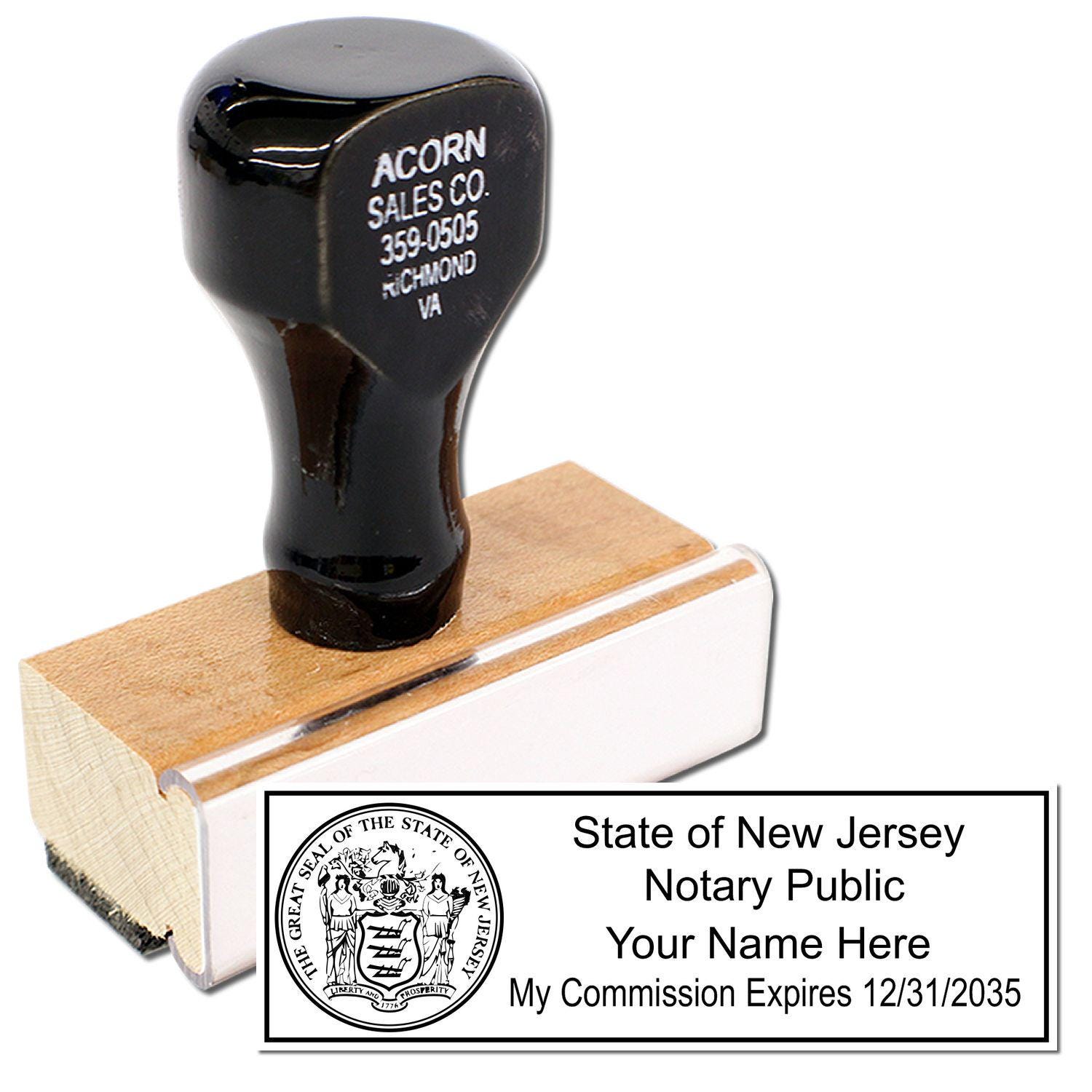
If you are a New Jersey notary public, your NJ notary seal is one of the most essential tools in your professional toolkit. Day in and day out, you use this small but mighty stamp or embosser to validate signatures, administer oaths, and complete vital transactions. Choosing a high-quality seal means more than just complying with state requirements. It also ensures clarity, professionalism, and legal security for every document you notarize.
A properly executed NJ notary seal helps all parties trust that the notarized document is legally authentic. This sense of assurance is especially important in real estate transactions, power of attorney authorizations, and legal affidavits. When a document bears your well-crafted seal impression, it instantly communicates accuracy. In other words, the seal affirms that you carried out your duties correctly and that the signers identity, willingness, and awareness were appropriately verified.
On a practical level, having the right seal can also save you time. You skip the hassles of re-stamping documents because of unclear impressions, faded ink, or poor designs. By choosing a seal suited to your needs, you can ensure consistently crisp and legible imprints, maintain your professional reputation, and simplify your overall workflow.
Key Elements of a New Jersey Notary Seal
Though you have some flexibility regarding style, your NJ notary seal typically needs to meet a set of official standards. The State of New Jersey outlines specific information that must appear on your seal to ensure legal efficacy.
- Your Name
The name on your seal must match the exact name you used when obtaining your commission. Even slight variations, such as omitting a middle initial, can create confusion during official transactions.
- Commission Title
Your seal must identify you as a Notary Public, placing the words “Notary Public” near your name. This title solidifies your role and conveys your legal authority.
- State of Commission
The seal should clearly indicate that you are commissioned in the State of New Jersey, often in the form of “State of New Jersey” or “New Jersey Notary Public.”
- Expiration Date
Some notary seals also include your commission expiration date. While not always mandatory, including expiry helps remind you and your signers of your commission’s validity period.
- Legible Fonts
Readability is crucial. If the letters or numbers on your seal are too ornate or compressed, the seal might be hard to read—potentially invalidating the notarization in a legal dispute. Staying informed about official guidelines is crucial. Requirements can change, so always consult the latest regulations or refer to professional notary associations for the most up-to-date details.
Types of Notary Seals Available
Modern technology offers you a range of notary seals, each with distinct features and benefits. While traditional seal presses still exist, you can also explore more convenient stamp options. Your choice will depend on factors such as how often you notarize, the nature of documents you work with, and your personal preferences.
Self-Inking Stamps
Self-inking stamps contain an internal ink pad. After every impression, the stamp re-inks itself, so you do not have to carry a separate ink pad. These seals are valued for their convenience and speed.
- Pros: Quick to use, clean impressions, and ink pads last for thousands of impressions.
- Cons: Pads eventually need replacement, and the spring mechanisms can wear out over time.
Pre-Inked Stamps
Pre-inked stamps use a specialized material that holds ink within the stamp’s surface, releasing ink only when pressed against a document. This design typically produces sharp, detailed impressions that last for a long time.
- Pros: Crisp, consistent prints. Often more durable and can handle repeated use.
- Cons: Slightly higher upfront cost. Refilling might require specific ink types.
Embossers
An embosser creates a raised impression on paper by applying pressure. You may recognize it by its elegant, professional appearance. Although embossers are sometimes used as a stand-alone notary tool, many notaries opt to use a rubber stamp or inked seal in conjunction with an embosser to ensure the text is clearly visible.
- Pros: Official and distinct look. Difficult to reproduce, adding extra security.
- Cons: Some documents do not replicate the raised seal well in photocopies. Pressing force is required, so it may be more cumbersome for frequent notarial acts.
How to Choose the Right NJ Notary Seal
Finding the perfect seal often begins with analyzing your day-to-day needs, legal requirements, and personal preferences. By considering a few critical aspects, you can land on the option that best reflects your notarial responsibilities and style.
Considering Daily Use
Do you notarize a high volume of documents every day or only a few a week? If your notarial work is frequent and fast-paced, a self-inking stamp provides the quickest workflow. If you occasionally notarize documents and have a bit more time, pre-inked stamps might achieve a sharper impression. Meanwhile, those who notarize in formal settings (like attorneys offices) may lean toward an embosser to convey an air of solemnity and tradition, possibly paired with a stamp for clarity.
Durability and Maintenance
Stamps and embossers inevitably wear out over time. Self-inking stamps have internal mechanisms and pads that need periodic replacement, but they can deliver thousands of quality imprints before wearing down. Pre-inked stamps may endure even more impressions, but you must follow specific refill instructions to maintain crisp prints. Embossers can last a long time, though their raised impression can diminish if the plates become misaligned from heavy use. Reflect on how much effort you want to invest in maintenance when deciding on a style.
Aesthetic Preferences
Your seal can also be a reflection of your personal brand. For instance, pre-inked stamps typically produce darker, more refined prints, which can be aesthetically pleasing on important legal documents. An embosser provides a traditional charm that some clients appreciate. If you prefer a more contemporary style, a self-inking or pre-inked stamp can match that modern look while still providing the essential legal details.
Essential Tips for Storing and Maintaining Your Seal
Your NJ notary seal is a critical legal instrument. Treating it with care and diligence not only prolongs its life but also preserves its clarity and compliance. Here are a few easy ways to keep your seal performing at its best.
Proper Storage
- Clean Environment: Keep your seal in a dry area away from moisture or extreme heat. Excess humidity or temperature fluctuations can cause ink to dry out prematurely or distort the rubber surfaces.
- Secure Spot: Store your seal where you can easily find it, but also remember that it legally represents your authority. Avoid placing it in shared spaces or unsecured drawers.
Cleaning and Reinking
- Regular Dusting: Use a soft cloth or gentle brush to remove paper fibers and debris that collect on the seal’s surface.
- Refill Promptly: If you use a self-inking or pre-inked stamp, refill the ink as soon as impressions begin to fade. Follow the manufacturer’s instructions to avoid spills or damage.
- Maintenance Check: Inspect embossers for plate alignment and ensure the raised impression remains sharp. Gently adjust the device if you notice any misalignment.
Where to Purchase a Reliable NJ Notary Seal
You have a variety of options for purchasing your notary seal. Some notaries prefer local office supply shops, while others like the choice and convenience of reputable online retailers. Regardless of where you shop, make sure the supplier meets these key criteria:
- Compliance: Ensure they offer seals that align with New Jersey’s requirements.
- Quality Materials: Look for durable stamps or embossers made from reliable components.
- Responsive Customer Service: In case of errors or customization needs, prompt support can save you time.
Why Shop with Acorn Stamps
One excellent option for acquiring your NJ notary seal is Acorn Stamps, a family owned and operated business since 1964. With over 60 years of steady service under their belt, they understand the nuances of New Jersey’s notarial regulations and produce seals tailored to meet those standards. Their product line includes self-inking stamps, pre-inked stamps, and embossers, giving you a variety of choices to match your style.
You will also benefit from their stellar customer service. Whether you have questions about customization, want help placing an order, or need a quick turnaround for an urgent notarial task, they are ready to step in. If you do high-volume notarial work, you can look into bulk purchase options or specialty stamps that speed up your workflow. Ultimately, purchasing from a trusted, family-run company ensures that your seal is not only legally compliant but also long-lasting and dependable.
Frequently Asked Questions
Do I need a notary seal for every document I notarize?
Typically, yes. Most legal forms require your notary seal to demonstrate that you have witnessed signatures and administered oaths properly. Always review New Jersey’s laws or your specific client instructions to confirm if a particular document mandates a seal.
How often should I re-ink or replace my stamp?
It depends on your volume of notarizations and the type of stamp you use. If the impression starts to look faint or incomplete, it is time to add fresh ink or replace the ink pad. As a rule of thumb, you might need to re-ink every few thousand impressions, though this varies.
What if I changed my name after becoming a notary?
In New Jersey, you typically must update your commission information if you make a name change. Check your local notary regulations to see how to process your new name. Once confirmed, you will need a new seal that reflects your updated information.
Do I have to carry my seal with me at all times?
While you are free to keep your seal with you if you perform off-site notarizations, you should store it safely to prevent misuse. If you do not frequently travel for notarial duties, keeping the seal in a secure location at home or in the office can be a good practice.
Is an embosser alone enough for my notarial duties?
An embosser alone may suffice under certain conditions, but many notaries also use an ink stamp to ensure that the notarial information is clearly visible on copies or scans. Always double check that your preferred seal method is acceptable for the types of documents you handle.
By understanding different seal types, following proper care guidelines, and selecting a reputable retailer, you can use your NJ notary seal with confidence. Whether you choose a self-inking stamp, a pre-inked stamp, or an embosser, investing in high-quality materials will protect the integrity of your notarial acts and enhance your professional reputation. Ultimately, your seal is more than just an official tool—it is a testament to your commitment to uphold New Jersey law and serve the public trust.