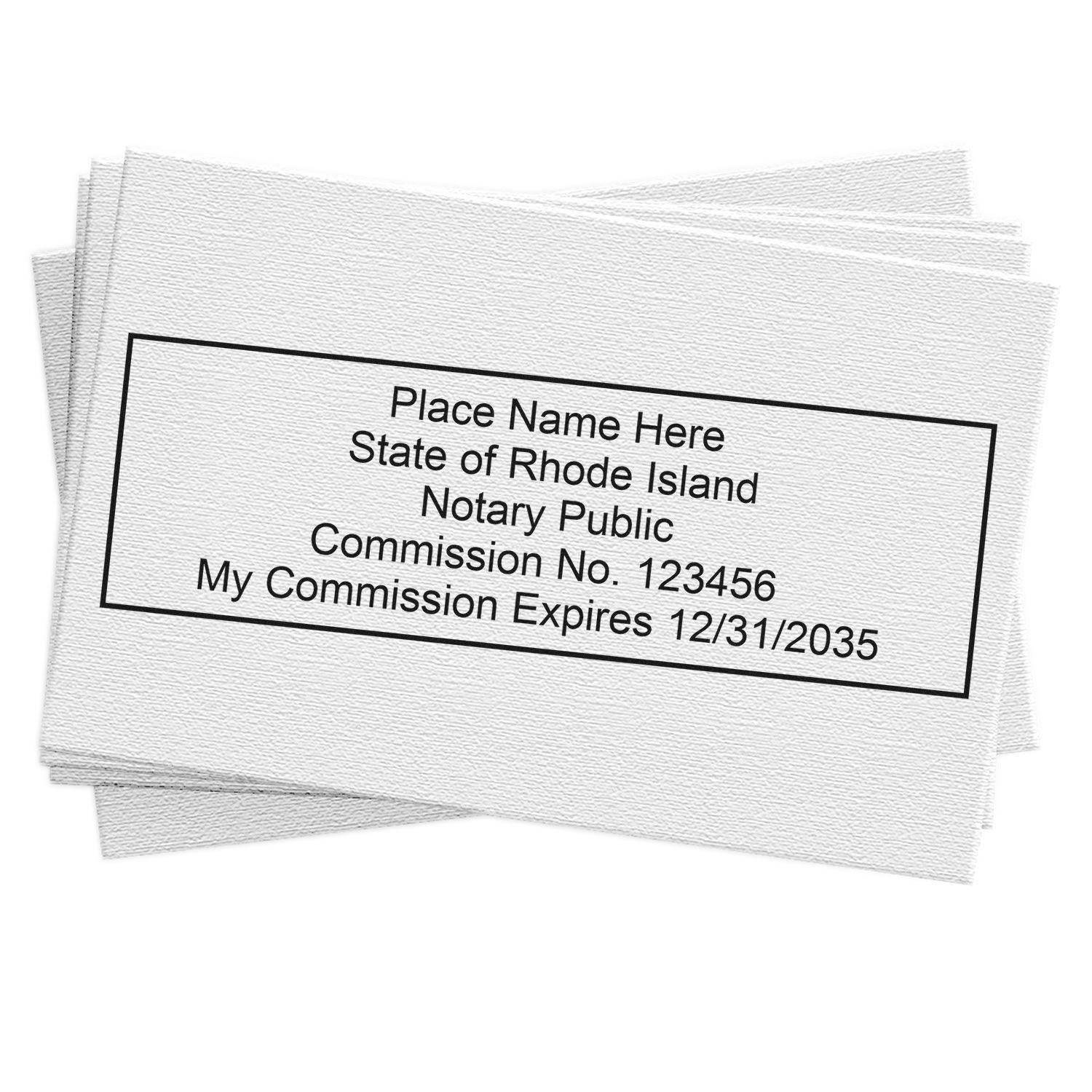
Whether you have just become a Rhode Island Notary Public or you have years of experience, finding the perfect Rhode Island notary supplies can make a real difference in your day-to-day duties. From ensuring every official document meets state requirements to projecting professionalism when you meet with clients, having the right tools at your fingertips helps you provide efficient, accurate notarial services. In this article, you will explore how to choose the ideal notary stamp, seal, and accessories so you can carry out your responsibilities with confidence.
Understanding Rhode Island Notary Supplies
Rhode Island notary supplies encompass all the necessary items that support your commission, from your official notary stamp and seal to record-keeping materials. Although the state mandates specific requirements, you also have control over certain design elements and features that reflect your personal style and preferences. Before you pick your supplies, take a moment to understand what they include, why they matter, and how to shop for them effectively.
The Importance Of Proper Notary Tools
As a notary, your responsibilities go beyond simply stamping documents. You serve as an impartial witness to the signing of legal papers, verifying the identity of signers and ensuring that they are entering agreements willingly. Since your commission carries significant legal authority, using proper tools is crucial for maintaining the integrity of each notarized document.
- Accurate documentation. Well-designed and properly inked stamps and seals leave clear, readable impressions. This reduces the risk of confusion or disputes down the line.
- Compliance and recognition. Each state has its own specifications. Meeting Rhode Island’s requirements helps clients feel confident that your notarizations will be recognized by relevant institutions.
- Professional reputation. Neat, high-quality supplies demonstrate professionalism, reassuring the people you work with that you take your role seriously.
Standard Equipment: Stamp, Seal, And More
While you may not need every piece of notary equipment on the market, there are a few items that are typically considered standard for a Rhode Island commission:
- Rhode Island Notary Stamp. The notary stamp must meet state size and layout guidelines. This is the primary way you authenticate notarized documents in many cases.
- Embosser (Notary Seal). Although a stamp is often sufficient, some notaries also keep an embosser for extra security or for preference in particular situations.
- Notary Journal. Maintaining a reliable log of each notarization is an excellent habit. Even if Rhode Island does not require it, a record book helps protect you in case of future questions.
- Ink Refill Or Replacement Pad. Over time, your stamp’s ink can run dry. Stocking up on a backup pad or refill ensures you are never caught off-guard.
- Carrying Case Or Pouch. Keeping your supplies safe and secure is good practice. A dedicated case helps protect your stamp, seal, and journal from damage or loss.
By focusing on these mainstays, you can fulfill your duties professionally while also protecting the credibility of your notarial acts.
Selecting The Right Rhode Island Notary Stamp
Choosing your notary stamp might feel like a straightforward decision at first glance, but there are several variations worth exploring. Consider font style, size, ink color, and even the type of stamp device. All these details impact how clearly and efficiently you can perform notarial tasks.
Types Of Stamps
- Self-Inking Stamps. A self-inking stamp has a built-in ink pad. You can typically press it down on a document, creating an instant, clean impression. These stamps are often favored for their portability and quick setup.
- Pre-Inked Stamps. With pre-inked stamps, the ink is in the stamp’s body instead of a pad. They often produce sharp, high-resolution imprints, though they may require a slightly longer time between impressions to distribute ink evenly.
- Traditional Rubber Stamps. Traditional rubber stamps can be a reliable choice, though you will need a separate ink pad. While slightly more cumbersome, they are budget-friendly and allow you to choose different ink pads as needed.
The right choice depends on how frequently you plan to notarize documents, your budget, and personal preference. If you handle high-volume notarizations, you might prefer a self-inking or pre-inked stamp to expedite the process.
Maintenance And Care
A well-maintained notary stamp can last for thousands of clear impressions. Here are a few tips to prolong the life of your stamp:
- Store it properly. Keep your stamp in a cool, dry place, ideally in a snug container or case where dust cannot collect on the surface.
- Clean it after use. If you notice built-up ink or debris, gently wipe the surface with a damp cloth. This helps maintain crisp impressions and prevents smudging.
- Re-ink as necessary. Over time, the ink will lighten. Most self-inking or pre-inked stamps include instructions on where and how to add ink.
- Test impressions consistently. Periodically stamping on a piece of scratch paper can confirm that your notary stamp is still aligned and in good condition.
By integrating these simple steps, you will extend the lifetime of your stamp and ensure each impression remains legally compliant.
Choosing The Ideal Rhode Island Notary Seal
Although the Rhode Island notary stamp is typically sufficient on its own, you may opt to add a notary seal (also called an embosser) for a more official look or to meet certain client or organizational requests. The raised impression from an embosser symbolizes formality, and you will sometimes see it used for notarizing deeds, certificates, or corporate documents.
- Traditional hand-held embosser. This small, clamp-like device presses your notary seal into the paper. It is relatively portable and is designed for quick, secure embossings.
- Desk embosser. Often larger and heavier, a desk model sits on a flat surface to create sharper, deeper embossings with minimal strain on your hands.
- Pocket embosser. A pocket embosser offers a compact alternative similar to a hand-held model but folds neatly for storage and transport.
All embosser styles perform the same essential function, so your choice depends on where you do most of your work and how you prefer to handle your tools. A high-volume notary who works in an office might appreciate the stability of a desk embosser, while a mobile notary who travels to clients’ homes or workplaces could favor a pocket or hand-held option.
Where To Get Your Rhode Island Notary Supplies
After you decide which items you need, you may wonder where to shop. Since notary supplies are crucial to your job, you will want a supplier you can trust for quality, quick turnaround, and reliable customer service. When searching for retailers, make sure they offer Rhode Island-compliant products and a track record of satisfied customers.
About Acorn Stamps
Acorn Stamps has been a top supplier of Rhode Island notary stamps and seals for decades, serving notaries across the state with consistent quality and stellar customer service. Family owned and operated since 1964, Acorn Stamps brings over 60 years of expertise to every product they carry. Their wide selection of styles caters to various budgets, and their super fast turnaround ensures you can start using your supplies as soon as possible.
When you purchase from Acorn Stamps, you receive:
- A variety of stamp and embosser options designed to meet Rhode Island guidelines.
- Friendly, informed customer service that welcomes your questions and concerns.
- Durable materials, whether you opt for a self-inking stamp or a hand-held embosser.
- Competitive pricing for notaries with different volumes of work.
Simply put, Acorn Stamps is dedicated to providing you with the right tools for your commission. This level of personalized attention can save you money, time, and frustration in the long run.
Tips To Enhance Your Notarial Practice
Beyond obtaining your Rhode Island notary supplies, there are simple steps you can take to ensure each notarial act is carried out smoothly. Consider adopting these techniques to protect yourself and your clients from errors, misunderstandings, or disputes.
- Create A Routine For Notarizations
Consistency breeds accuracy. Develop a checklist you follow with every client. Ask for identification, verify willingness, scan documents for completeness, and confirm that all blanks are filled in before you apply your stamp or seal. This routine helps you avoid oversights that could later invalidate a document.
- Keep A Comprehensive Notary Journal
Although Rhode Island may not require a notary journal, maintaining one is highly recommended. Record the following details:Date and time of notarizationType of document (affidavit, power of attorney, etc.)Signer details and identificationNotarial act performed (acknowledgment, jurat, etc.)Notary fee, if anyKeeping thorough notes can serve as evidence of your conscientious approach. If a question about a notarized document arises, you can easily reference your records.
- Stay Current With Rhode Island Regulations
When the state updates laws or guidelines for notaries, aim to adapt quickly. Keep an eye on official announcements and take continuing education courses to stay informed about best practices. By staying up to date, you demonstrate your commitment to professionalism and reduce the risk of unintentional breaches of compliance.
- Secure Your Supplies
Your stamp and seal are your personal signatures of authority. Store them securely in a locked drawer, safe, or another private space. Resist the urge to loan them to colleagues or friends, since you alone are accountable for every document bearing your official impression.
- Practice Quality Control
From time to time, inspect impressions from your stamp and embosser to make sure they remain crisp. Faded or incomplete markings could cast doubt on a document’s authenticity. Catching such issues early means you can reorder a new stamp or re-ink if necessary, with minimal disruption to your workflow.
- Embrace Technology Where Possible
Technological solutions can simplify your tasks. For instance, consider using digital tools to coordinate client meetings or to maintain your scheduling calendar. Some notaries even scan their journal pages for digital backup. While you must follow state guidelines on any digital transactions or notarizations, leveraging tech tools where feasible often leads to improved efficiency.
By giving attention to both your physical tools and your approach to notarial tasks, you keep your commission running smoothly. The more streamlined your process, the more time you can devote to serving clients effectively.
FAQs
Below, you will find answers to some common questions about Rhode Island notary supplies, ensuring you feel well-informed before you make any purchases or start your notarial duties.
How Do I Know My Stamp Or Seal Is Rhode Island-Compliant?
Rhode Island specifies certain layout requirements, such as the inclusion of your name, the words “Notary Public,” and your commission expiration date. When you order from a reputable supplier like Acorn Stamps, they will confirm your commission details and manufacture a product that meets the state’s requirements. If you ever have doubts, you can review official state guidelines or visit Rhode Island’s government website for up-to-date regulations.
Should I Get Both A Stamp And An Embosser, Or Is One Enough?
Many Rhode Island notaries rely on a notary stamp for its efficiency and clarity. However, some choose to add an embosser for a sense of formality or to accommodate clients who expect raised seals. Whether you use both depends on your personal preference and the nature of the documents you commonly notarize. A stamp alone is often acceptable, yet having both offers flexibility in special circumstances.
How Often Will I Need To Replace Or Re-ink My Stamp?
This varies based on how frequently you provide notarial services. If you notarize documents daily, you might need to re-ink a self-inking or pre-inked stamp every few months. If you are a less-active notary, you could go years without needing to refill. Keep an eye on your stamp impressions and re-ink once it starts to fade or lose detail. Proper storage and regular cleaning extend the life of your stamp as well.
Is A Notary Journal Required In Rhode Island?
Rhode Island does not always require you to keep a notary journal, but it is highly recommended. Recording each notarization in a journal protects you from disputes by providing a record of the transaction. This extra step adds a professional layer to your services and is widely considered a best practice.
Where Can I Order High-Quality Rhode Island Notary Supplies Quickly?
Acorn Stamps is a favorite among Rhode Island notaries, serving customers for over 60 years with dependable products and super fast turnaround. Whether you need a self-inking stamp, an embosser, or other accessories like record books and refill ink, you can find a range of affordable options that align with Rhode Island’s requirements. Their knowledgeable staff is also ready to answer any questions you might have about ordering or upkeep. By knowing the ins and outs of Rhode Island notary supplies, you will be prepared to provide seamless, reliable notarial services. Whether you already have a commission or you are just starting out, the confidence of having the right tools cannot be overstated. With an organized approach to stamping, sealing, and record-keeping, you will offer an added layer of professionalism and accountability that inspires trust in everyone you assist. Remember, your work as a notary has a tangible impact on people’s lives, from enabling property transfers to authenticating important legal documents. Investing in top-quality supplies now sets you up for a long and successful notarial career.