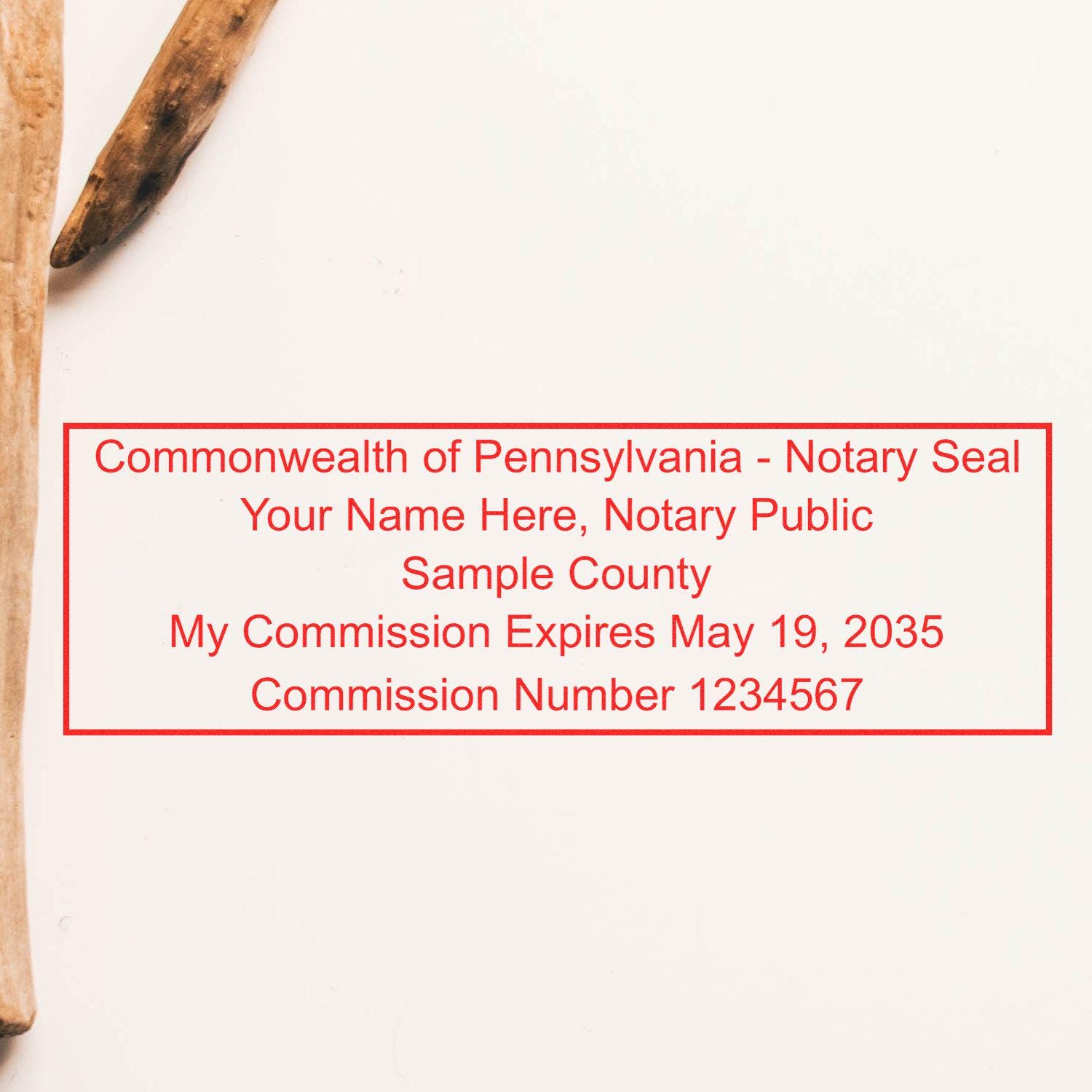
Understand the Role of a Pennsylvania Notary Stamp
A Pennsylvania notary stamp is more than just a tool. It is an official mark that validates your authority to witness signatures, administer oaths, and perform other essential duties as a notary public. When you stamp a document, you help confirm its legitimacy and protect all parties involved. By choosing a stamp that meets state regulations and reflects professional standards, you uphold public trust and strengthen your credibility in every transaction. Selecting the right Pennsylvania notary stamp involves more than merely browsing an online catalog. You need a thorough understanding of what your stamp should include, how it should be designed, and the supplier you can rely on for accurate results. From meeting state guidelines to ensuring your stamp’s ink quality, here is how you can make informed decisions that set the stage for success.
Familiarize Yourself With State Requirements
Before you shop for a Pennsylvania notary stamp, you should know the basic legal requirements set by the Pennsylvania Department of State. These rules influence the size, format, and content of your seal, so be sure you are fully aware of them before finalizing any purchase.Confirm Your Commission Name
- The name on your stamp must match the name registered with the state for your notary commission.
- Even a minor discrepancy, such as a missing initial, can create validity issues.
Include Required Wording
- Pennsylvania notary stamps generally include your name, the words “Notary Public,” “Commonwealth of Pennsylvania,” and the county where you maintain your office.
- Check for current regulations to ensure your stamp has all necessary text.
Follow Size Guidelines
- While Pennsylvania law does not always dictate exact rectangular dimensions, many notaries choose impressions that are easily legible on typical document formats.
- Make sure your chosen stamp fits comfortably on most documents without infringing on margins.
Know Renewal Timing
- Your commission lasts for a specific term (often four years). You will need a new stamp when your commission renews.
- Factor your commission dates into your buying and reordering schedule.
Because the rules can change, always visit the Pennsylvania Department of State’s website or official notary resources to stay current. The more you understand, the more likely you are to obtain a stamp that meets every requirement comfortably.
Explore the Different Stamp Types
Notary stamps come in several designs, each with unique advantages. Factors like frequency of use, convenience, and personal preference should shape your decision. Understanding these products can help you feel confident in your final choice.
Self-Inking Stamps
Self-inking stamps have a built-in ink pad that re-inks the die after each use. This design often produces thousands of impressions before you need a new pad. Advantages include:
- Speed: Quick and consistent stamping with minimal setup.
- Cleanliness: Less mess, since the ink is contained within the device.
- Convenience: Great for busier notaries who stamp documents frequently.
Pre-Inked Stamps
Pre-inked stamps use ink that is embedded into the rubber die. These stamps can last for many impressions and produce crisp, detailed markings.
- High Detail: Excellent for smaller fonts or detailed logos.
- Quiet Operation: No loud clicking sound during stamp use.
- Longevity: Often holds ink longer than self-inking options.
Traditional Wood Handle Stamps
If you prefer a classic feel, a wood handle stamp might appeal to you. Wood handle stamps require a separate ink pad, which can be replaced or refilled as needed.
- Nostalgic Appearance: Gives a timeless, professional look.
- Control: You can select from many ink pad colors or special types of ink.
- Budget-Friendly: Wood handle stamps are typically less expensive compared to self-inking or pre-inked varieties.
When choosing among these types, think about your workflow. If you need to stamp quickly and often, a self-inking or pre-inked stamp might be best. If you love the traditional style or do not stamp as frequently, a wood handle model could serve your needs well.
Identify the Key Elements of a Quality Stamp
Picking the best stamp for your notary tasks requires looking beyond aesthetics. Focus on quality features that ensure reliable performance across thousands of impressions.
- Durable Materials
Look for sturdy plastic or metal construction. Cheaply made stamps may crack or malfunction, costing you extra time and money.
- Crisp Impression
A high-resolution rubber die is crucial for producing clean, legible text and sharp edges around your commission details.
- Adequate Ink Capacity
Choose products known for extended usage. You do not want to run out of ink in the middle of a busy day.
- Comfortable Grip
If your notary work involves frequent stamping, opt for ergonomically designed stamps. A rubberized or contoured grip can reduce hand fatigue.
- Refill or Replacement Options
Self-inking and pre-inked stamps should allow easy pad swaps or fresh ink refills. If you choose a wood handle stamp, you will need a reliable supply of ink pads that work well with your stamp surface.
Products that meet these criteria typically deliver better results over the long run. By inspecting material quality and reading reviews about impression clarity, you can avoid subpar equipment and ensure your notary stamp never compromises your professional appearance.
Consider Additional Tools for Your Notary Work
While your Pennsylvania notary stamp is essential, there are other supplies that can elevate the quality and efficiency of your services.
Notary Embossers
Although Pennsylvania notarizations often rely on stamps, some notaries also choose an embosser (a handheld device that presses an image into the paper). Embossers can add a stylish, secure touch to official documents.
- Pros: Creates a raised seal that is difficult to duplicate.
- Cons: May not always be legally required or recognized in all situations without an inked stamp.
Notary Journals
Keeping meticulous records can protect you from liability. A dedicated notary journal helps you record each notarization, including date, time, and signers’ details. In some cases, a journal may be legally mandated. It also allows you to safeguard your reputation if a document is questioned in the future.
Ink Pads and Refills
If your stamp style needs a separate ink pad, make sure you purchase high-quality pads compatible with your stamp. For self-inking or pre-inked stamps, stock up on brand-specific refills to ensure your impressions remain clear over time.
Protective Cases
A compact protective case can secure your stamp, embosser, and journal. This can be especially useful if you travel to clients or need to store supplies safely at home.By combining a dependable Pennsylvania notary stamp with well-chosen accessories, you create a professional toolkit that meets your daily needs.
Choose a Trustworthy Supplier
When it comes to purchasing your Pennsylvania notary stamp, not all suppliers are created equal. Accuracy and quick delivery matter, especially if you are on a tight schedule to begin notarizing documents. Selecting a reputable supplier will help ensure that your stamp meets Pennsylvania's legal requirements, provides a clear imprint, and lasts through repeated use.
What to Look For in a Stamp Provider
- Clear Understanding of State Regulations
A supplier that specializes in notary products should already be familiar with the specifics of Pennsylvania notary guidelines.
- Fast Turnaround Times
Look into processing and shipping schedules. Reliable businesses can often deliver your stamp in just a few days.
- Stellar Customer Support
If you have questions about design, reorders, or customizations, access to prompt, helpful service can make all the difference.
- Family-Owned and Operated
Many notaries prefer to work with established, family-owned businesses because they tend to offer personalized attention and care.
- Strong Reputation
Read online reviews or seek recommendations from fellow notaries. A brand’s reputation speaks volumes about product quality.
Why Choose Acorn Stamps
Acorn Stamps has been a leading supplier of Pennsylvania notary stamps and seals since 1964, marking over 60 years of impeccable service. With a family-owned commitment to quality, Acorn Stamps places your needs at the forefront. You will benefit from:
- Expert Guidance: Their team understands Pennsylvania regulations inside and out, so you can trust them to guide you toward compliant designs.
- Stellar Customer Service: Friendly and knowledgeable staff are ready to assist with questions or last-minute changes.
- Super Fast Turnaround: You can expect quick processing and shipping, ensuring you do not wait long before you can start stamping.
- High-Quality Craftsmanship: Products are designed with longevity in mind, meaning your notary stamp will provide clean, crisp impressions for the entirety of your commission.
Acorn Stamps does more than simply provide a product. They work to ensure you receive exactly what you need for your notary duties. This level of reliable, personalized service helps you focus on your responsibilities with full confidence.
Tips to Maintain and Store Your Stamp
Once you have invested in a Pennsylvania notary stamp, it is critical to keep it in top condition. Consistent maintenance prolongs the life of your stamp, ensures clear impressions, and helps protect sensitive tools from damage.
- Clean the Stamp Surface
If you notice faint or blurry impressions, gently wipe the die with a damp cloth to remove dust or dried ink. Avoid harsh cleaning products that can degrade the rubber.
- Store in a Cool, Dry Place
Leaving your stamp in direct sunlight or extreme heat may cause ink to dry out prematurely. Aim for a moderate environment.
- Keep Ink Pads Fresh
For a wood handle stamp, replace ink pads when impressions start to lighten. If you own a self-inking or pre-inked stamp, follow the manufacturer’s directions for refilling.
- Transport With Care
If you travel for mobile notarizations, use a carrying case to prevent scuffs or accidental impressions. This also helps maintain the integrity of your stamp’s surface.
- Prevent Unauthorized Use
Keep your stamp secure to avoid potential fraud. Because your notary stamp is tied to your personal commission, you are responsible for every impression made.
Following these best practices can help you get the most out of your equipment and keep your notary work running smoothly.
Frequently Asked Questions
How do I know if my stamp is official enough for Pennsylvania?
You should verify that your stamp meets all state guidelines—your exact name as commissioned, the words “Notary Public,” “Commonwealth of Pennsylvania,” and your county. Double-check the regulations before ordering so you can apply that information to your stamp design.
When should I replace my old stamp with a new one?
Generally, you will need a new stamp each time you renew your notary commission. If your impression becomes unclear, the ink pad dries out completely, or your name changes, it may be wise to order a new stamp as well.
Can I use both a notary stamp and an embosser for a single notarization?
Yes. While an embosser alone may not suffice, you can enhance documents by adding an embossed seal as a decorative or supplementary measure. However, Pennsylvania typically requires an inked impression for official notarizations, so always use your ink stamp.
Is it mandatory to keep a notary journal in Pennsylvania?
Pennsylvania strongly recommends it, although requirements can vary. Keeping a journal is a good practice. It not only provides you with a record of your notarizations but can also protect you legally if a document is later disputed.
Where is the best place to purchase my Pennsylvania notary stamp?
You have many options, but it is important to choose a reputable supplier with experience in Pennsylvania regulations. Acorn Stamps has been family-owned and operated since 1964 and offers expert assistance, consistently reliable products, and a quick turnaround equipped to fit your timeline.
By understanding Pennsylvania’s regulations, exploring your stamp options, and partnering with a trusted supplier like Acorn Stamps, you can confidently choose a Pennsylvania notary stamp that reflects your professionalism. Thorough research and a small investment in quality notary tools will help you perform your duties with accuracy and integrity every time you affix that official impression.