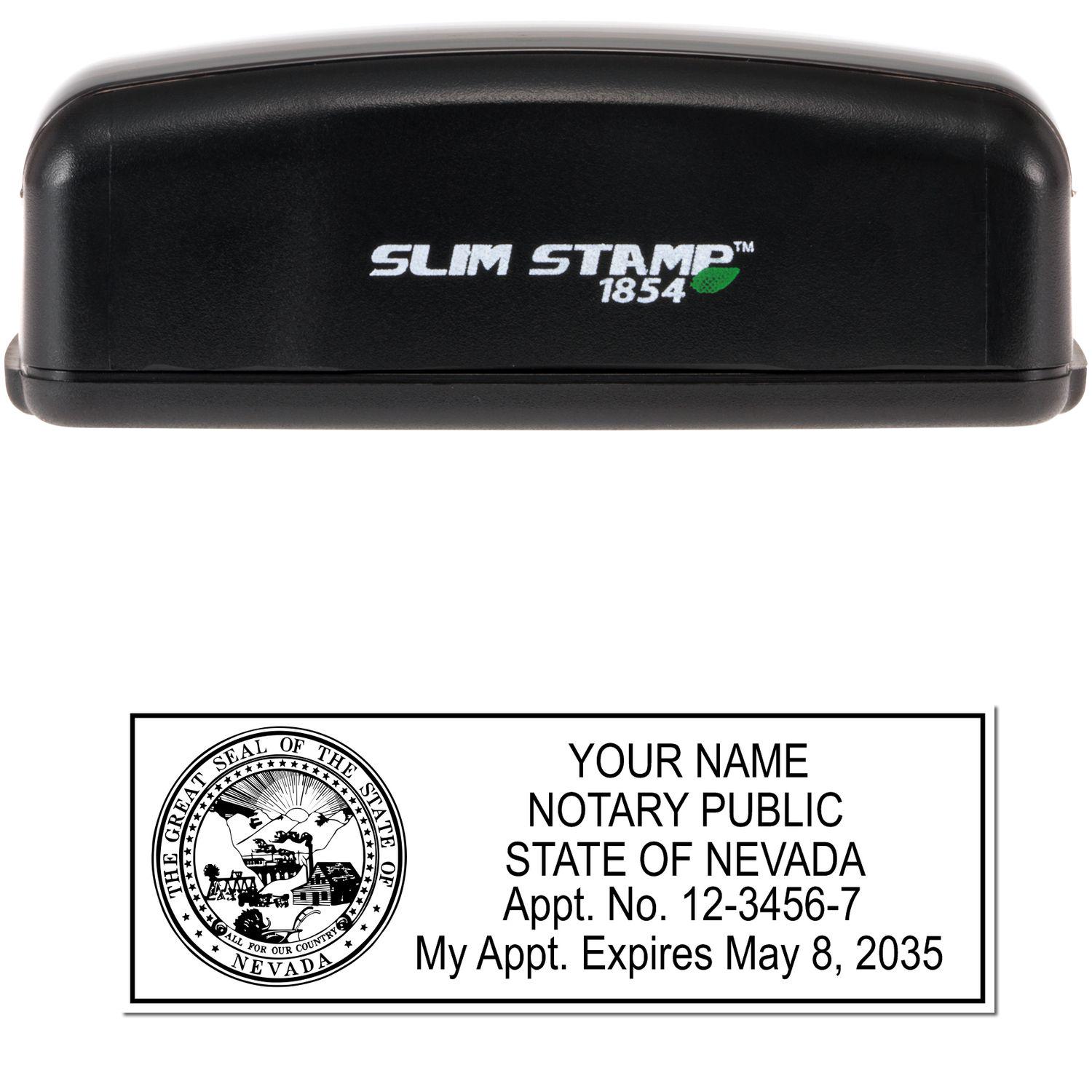
If you plan to become a notary in the Silver State or you’re already commissioned and want to stay current with Nevada notary requirements, you’ve come to the right place. Understanding each step of the process helps you perform your duties confidently and remain legally compliant. In this friendly guide, you’ll learn the fundamentals, from making sure you meet state qualifications to choosing the right notary stamp and seal. By the end, you’ll know exactly how to keep your commission in good standing and where to find reliable notary supplies, including from Acorn Stamps, a family-owned business that’s been serving notaries for over 60 years.
Understand Nevada Notary Requirements
Nevada notaries play an important role in verifying documents, administering oaths, and preventing fraud. Before you start applying to become a notary, it’s helpful to get a clear overview of what the state expects from you.
Why They Matter
Nevada notary requirements keep everyone on the same page and make sure each notarial act remains secure and valid. Your role includes:
- Confirming the identity of the signer
- Witnessing the signer’s signature
- Applying your seal or stamp in compliance with state rules
When you fulfill these tasks correctly, you uphold the legality of vital transactions, from property transfers to sworn affidavits.
Key Responsibilities
As a Nevada notary, you promise to:
- Act as a neutral witness who follows all applicable laws
- Keep clear records of your activities, often in a notary journal
- Adhere to the maximum fees allowed for notarial acts
Nevada enforces these responsibilities to protect both the notary and the public, so be sure to follow the state’s guidelines to the letter.
Meet Basic Qualifications
Qualifying to become a Nevada notary starts with a few foundational requirements. Although the specifics may differ slightly based on legislative updates, this section covers the most common baseline criteria.
Age and Residency
Nevada typically requires you to:
- Be at least 18 years old
- Hold either Nevada residency or maintain a physical job location within the state if you work in Nevada
You’ll also need a valid state-issued ID or another accepted form of identification to prove who you are. Confirm with the Nevada Secretary of State’s office to ensure you meet the residency criteria before proceeding with your application.
Character and Training
You must demonstrate good moral character. Although this term may seem broad, it usually means no serious criminal history. Additionally, Nevada might request you to complete a notary training course or pass an exam. This setup guarantees that you fully understand state laws and your notarial duties.
- Review available training options. Some may be self-paced online modules.
- Check for study guides on topics such as document verification and the use of electronic notarization tools.
Staying informed about standard notarial practices sets you up for fewer headaches once you start notarizing documents.
Complete The Application
Once you confirm you meet the baseline requirements, you’ll move on to the formal application. Even though the process can look intimidating at first, breaking it down into steps makes it much more manageable.
Gathering Documentation
Your application usually calls for:
- A completed notary application form
- Proof of identity and residency
- Possible evidence of completing a training course
Take your time to make sure each form is filled out accurately. An error could result in unnecessary delays. If you must submit a paper application, ensure your handwriting is neat. For online applications, enter all requested information carefully to avoid typos.
Fees and Background Checks
You’ll typically pay a state application fee, which covers administrative processing. Some counties or jurisdictions might also collect additional charges. Depending on the state’s current laws, you may need to pass a background check before you can secure your notary commission. Be ready to:
- Provide fingerprints, if requested
- Pay any associated fees for screenings
Once you submit everything, expect a waiting period while the state reviews your documents. If you’ve met all the Nevada notary requirements, you should receive a commission certificate, which officially authorizes you to serve as a notary public.
Choose Your Notary Tools
Having the proper tools helps you do your job effectively. Here in Nevada, that typically means a well-crafted notary stamp or seal and possibly a recordkeeping journal. Plus, investing in the right supplies prevents costly missteps.
Nevada Stamps And Seals
A good notary stamp and seal leave a clear impression that verifies your commission. Nevada state law often dictates specific details, such as:
- The exact wording needed on the seal
- Acceptable shape or design of the stamp
- Whether an embosser can be used instead
Clarity is paramount. Your stamping device should produce a legible imprint of your name and commission details. Always confirm you’re using the correct layout for Nevada.
Working With Acorn Stamps
If you’re looking for high-quality supplies, consider Acorn Stamps. Our brand is dedicated to helping notaries meet Nevada notary requirements with ease. We provide:
- Nevada notary stamps and seals that comply with current regulations
- Stellar customer service and personalized guidance
- Super fast turnaround times to get you started quickly
We’re proud to be family owned and operated since 1964, meaning we’ve offered reliable service for more than 60 years. When you work with a reputable supplier, you’ll feel confident each time you add your seal of approval to a document.
Follow Proper Procedures
Once you have the right tools, you’ll want to perform each notarial act confidently. Following standard procedures builds trust with your clients and helps you avoid legal challenges down the line. Here are steps you should keep top of mind.
Conducting a Notarial Act
When a client visits you:
- Verify their identity with a government-issued photo ID.
- Check that the person is signing willingly and is fully aware of the document’s contents.
- Complete the notarial certificate by including the correct date, your signature, and your stamp or seal.
Double-check for any corrections or incomplete fields before you apply your stamp. Mistakes can invalidate the notarization, so never rush through the process. If something seems off, don’t hesitate to pause, your role is to protect everyone involved.
Keeping Records And Logs
Nevada usually requires you to maintain a notary journal. This journal can be a bound paper book or an electronic format, but it should be tamper-proof. In it, you’ll log:
- The date and type of each notarial act
- The name of the signer and details about their ID
- Signer’s signature as proof they appeared before you
Accurate, detailed records are essential if a notarial act is questioned in court. By keeping thorough logs, you show you’ve followed the letter of the law.
Renew Your Commission
Nevada notary commissions expire after a set period, typically a few years. Keeping up with renewals in a timely manner ensures no gaps in your authority to perform notarizations.
Ongoing Education
While you practice as a notary, you may want to refresh your knowledge by:
- Taking online or in-person workshops
- Reviewing updated state regulations
Continuous learning keeps you prepared for changes, like new tactics to prevent fraud or revised fee schedules. Remember that your notary duties involve safeguarding important transactions, so it pays to keep your knowledge current.
Updating Your Details
When your commission is close to expiring, the renewal process generally includes:
- A renewal form submitted to the Secretary of State’s office
- Payment of renewal fees
- Possibly a new background check or training module
Make sure your name, signature, and address on file remain accurate throughout your term. If you move to a different county or legally change your name, you’ll likely need to update your commission details. By staying on top of these obligations, you ensure your commission remains valid and recognized.
Frequently Asked Questions
Below, you’ll find answers to some common questions people have regarding Nevada notary requirements and daily notary practice. If you don’t see your specific question, you can always reach out to the Secretary of State’s office or consult expert resources for additional clarity.
What If I Move To Another County In Nevada?
If you relocate within the state, you’ll need to update your address with the Secretary of State as soon as possible. Depending on state guidelines, you might submit a form or letter detailing your new address. Make sure to keep your contact details correct, so you won’t miss any crucial updates about your commission.
How Do I Handle A Name Change?
A legal name change—perhaps due to marriage or divorce—usually requires you to file an official notice with the Secretary of State. You may also have to update your stamp or seal to reflect your new name. This step ensures that all future notarizations match the name associated with your commission.
What Is The Difference Between A Stamp And A Seal?
A stamp typically uses ink to imprint your notary credentials, while a seal often embosses or raises the paper. Some notaries use both, but most of the time, you only need a single device if it meets Nevada’s statutory criteria. Make sure your chosen stamp or seal follows state guidelines regarding design and text.
What Happens If I Lose My Stamp?
If your notary stamp or seal is lost or stolen, report it immediately. You may need to notify the Secretary of State, law enforcement, or both. Once reported, follow any additional directives from the state to avoid fraudulent use of your lost notary tools.
Can I Refuse To Notarize A Document?
Yes, if you suspect wrongdoing or cannot verify the signer’s identity, you have the right to refuse. You’re expected to remain impartial and protect the integrity of the notarization process. Common reasons for refusal include incomplete documents, lack of proper ID, or signs of coercion.
By keeping these questions in mind, you can handle everyday notarial scenarios with clarity and professionalism. Being prepared is key to a long, successful career as a Nevada notary.Remember, your commission is a privilege that comes with serious responsibilities. When you fulfill your duties diligently, you protect both yourself and the public. If you’re ever in doubt, consult official resources or talk to experienced colleagues to stay current with Nevada notary requirements. And if you need dependable Nevada notary stamps or seals, consider Acorn Stamps for quality products, stellar customer service, and a trustworthy legacy built over 60 years of helping notaries like you.