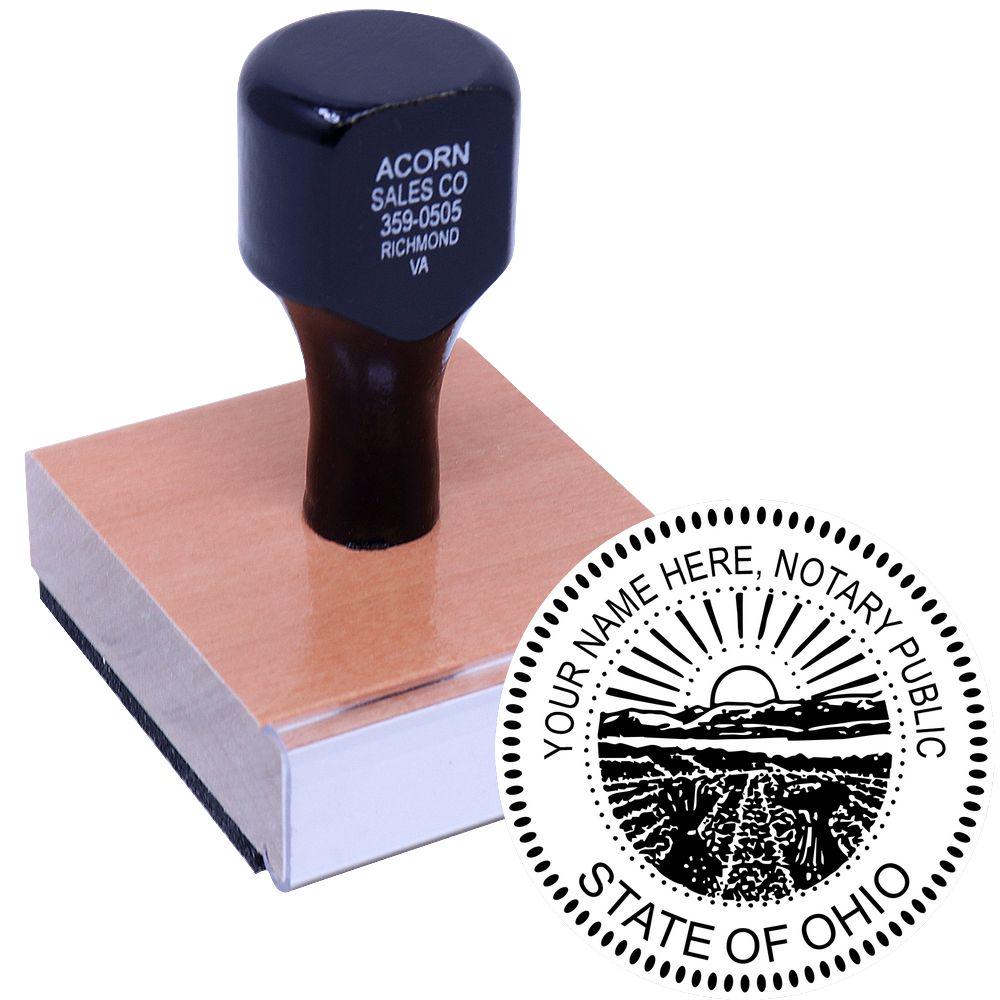
Ohio notary stamp requirements might sound a bit intimidating at first, but once you understand the regulations and your role, you can fulfill your notarial duties with confidence. Whether you’re brand-new to the world of notarization or you’re refreshing your knowledge, this guide will break down everything you need to know about acquiring and using an Ohio notary stamp and seal. You’ll also discover valuable insights on choosing the right supplier, maintaining compliance, and avoiding common missteps along the way.
Understand Why Ohio Requires a Notary Stamp
As an Ohio notary public, you hold a position of trust. Your role is to help prevent fraud, authenticate signatures, and ensure that legal documents are properly executed. The stamp or seal you use is a visual confirmation of your authority, providing tangible evidence for anyone reviewing the notarized document.
- Official Confirmation: The presence of the stamp indicates that you are officially appointed by the state of Ohio to perform notarial acts.
- Prevention of Fraud: A clear, consistent stamp discourages fraudulent attempts to alter or reproduce a notary mark.
- Uniform Practice: Ohio’s regulations ensure that every notary public follows the same baseline requirements, promoting consistency across all notarized documents.
By using a properly designed stamp that meets Ohio notary stamp requirements, you reinforce trust and remain compliant with the state’s guidelines. This way, both you and the individuals relying on your services can feel confident in every notarized transaction.
Explore the Required Elements
While the layout of your Ohio notary stamp might vary slightly among different designs, the state has clear minimum requirements. Ohio law stipulates certain essential details you must include:
- Your Name: The stamp must display the exact name under which you hold your notary commission.
- The Words “Notary Public”: This feature identifies your professional title.
- The Words “State of Ohio”: Including the state name ensures clarity about your jurisdiction.
- Expiration Date: The date your commission expires signifies your current authorization to notarize documents.
Double-Check for Accuracy
It’s a good idea to thoroughly check the details you provide to the stamp manufacturer. Here are a few tips:
- Confirm the spelling of your full legal name.
- Provide the correct expiration date of your notary commission.
- Ensure that you’ve included any middle initials if they appear on your notary license or commission documents.
Accuracy is everything. A small typo on your stamp could lead to delays or even rejection of notarized documents. By making sure each element is correct from the start, you’ll save yourself hassle and possible replacement costs in the future.
Comply With the Commissioning Process
Before you can officially use your notary stamp, you must secure your notary commission. If you’re in the process of becoming a notary public in Ohio or renewing your commission, here’s an overview:
1. Verify Eligibility
To qualify for an Ohio notary commission, you must:
- Be 18 years of age or older.
- Be a legal resident of Ohio or an attorney admitted to the practice of law in Ohio who practices law in the state.
- Have no disqualifying criminal convictions or professional discipline issues that would prevent you from serving as a notary.
2. Complete Required Education or Testing
Depending on the county and changes in state law, you might need to take a course or pass an exam to demonstrate your understanding of notarial duties. While requirements can vary, the goal is to ensure that you thoroughly understand Ohio law and your obligations.
3. Submit an Application
Typically, you’ll fill out an application form through the appropriate state agency or an approved notary program. Expect to provide:
- Proof of your name and address.
- Background check documentation in some cases.
- Confirmation that you’ve passed any necessary tests or training.
4. Receive Your Commission
Once your application is approved, you’ll get an official commission certificate showing your notary status and the expiration date of your authority. This is the date you’ll include on your stamp so everyone knows your commission is current.After completing these steps, you’re ready to add the final piece to your notary toolkit: a compliant stamp or seal.
Acquire Your Stamp From a Trusted Supplier
When you’re ready to buy your notary supplies, it helps to choose a reliable source that understands Ohio notary stamp requirements inside and out. That’s where Acorn Stamps can make your life simpler.
Why Acorn Stamps?
- Family Owned and Operated Since 1964: With over 60 years of experience in the stamping and seals business, Acorn Stamps has the know-how to guide you in completing your notary-centric tasks.
- Stellar Customer Service: Questions or concerns about your stamp? You’ll find friendly, informative staff ready to help.
- Super Fast Turnaround: Once you place your order, you can expect quick production. This is especially important if you’re pressed for time to begin your duties.
By partnering with a reputable supplier, you avoid subpar stamps that might wear out quickly or fail to comply with Ohio requirements. Plus, you’ll receive a product designed to deliver clear impressions on your documents—a critical factor in presenting a professional image.
Proper Stamp Usage and Best Practices
After investing in a compliant notary stamp, you’ll want to maintain proper procedures every time you notarize a document. Let’s look at a few best practices:
Confirm Signer Identity
Before reaching for your stamp, confirm that the individual signing the document is who they claim to be. Always ask to see an acceptable form of photo ID—like a driver’s license or passport—so you can be sure you’re dealing with the right person.
Check Document Completeness
Never place your stamp on a partially filled-out document or a page with blank spaces where additional text could be added later. The signer should complete all fields before you notarize. This simple step protects everyone involved and maintains the integrity of the notarized record.
Follow Sequential Steps
Typically, your notary process flows like this:
- Review the document for any obvious errors or incomplete sections.
- Confirm the signer’s identity.
- Administer an oath or take their acknowledgment, as required by the document type.
- Have them sign the document.
- Apply your notary stamp and official signature.
Sticking to this order reduces the chance of missing any key requirements and helps you conduct each notarization consistently.
Keep a Notary Journal
Ohio doesn’t mandate a notary journal for every notary, but many professionals opt to keep one. A journal is a dedicated record of each act you perform. Tracking details of the notarization, like the document type and relevant ID used, can be invaluable if any legal questions arise later. Maintaining a journal also demonstrates that you take your responsibilities seriously and approach each task with care.
Mistakes to Avoid
The last thing you want is to lose your notary commission or face legal troubles. Fortunately, you can prevent problems by steering clear of a few common mistakes:
- Using an Expired Stamp
Keep an eye on your commission expiration date. If you notarize with an expired stamp, that notarization is invalid. Renew early and confirm that your stamp is updated.
- Not Updating Your Name
If you legally change your name—due to marriage or any other reason—you need a new stamp. Failing to update your stamp might invalidate future notarizations or result in confusion.
- Notarizing Outside Ohio
Your Ohio notary authority only extends within state borders. Notarizing in another state, or for documents meant exclusively for other jurisdictions, can lead to serious legal issues unless explicitly allowed.
- Failing to Keep Up With Law Changes
State regulations can shift, and you’re responsible for staying aware of any updates. Make it part of your routine to check official notifications or industry resources so that you remain compliant.
- Overlooking Document Requirements
Some documents require special wording, witness signatures, or additional forms. Always read instructions thoroughly. If you’re unsure whether a certain document format meets Ohio’s guidelines, consult updated notary guidelines or contact your notary commission office for clarity.
Keep Your Commission in Good Standing
Holding onto your Ohio notary commission is all about consistent professionalism and a willingness to stay informed. To remain in good standing, focus on these areas:
Renew on Time
Ohio notary commissions last for five years in many instances, though this period can vary based on changes in the law. Mark your calendar a few months before your commission expires to start the renewal process. This usually involves an updated application, a possible background check, and a renewal fee. By beginning early, you won’t risk a lapse that delays your ability to perform notarizations.
Update Your Information
If you move, change your legal name, or undergo any other life event that could affect your notary details, be proactive. Update your information with the appropriate state agency or notary oversight department immediately. Keeping your records current helps you avoid any confusion regarding your authority to notarize.
Complete Ongoing Education
Even if not strictly required, enrolling in continuing education or refresher courses can be incredibly useful. Laws change, technology advances, and best practices evolve. By brushing up on the latest guidelines, you’ll provide top-quality service and reduce vulnerabilities.
Maintain a Professional Image
The way you present yourself sets the tone. Through each transaction:
- Show clarity and patience when explaining notarial duties to signers.
- Use courteous language.
- Handle sensitive documents with care and confidentiality.
A notary who combines thorough legal compliance with a professional approach builds a solid reputation in the community and beyond.
FAQs
Below, you’ll find answers to some common questions about Ohio notary stamp requirements and best practices. Reviewing them may help resolve any lingering uncertainties you have.
Do I need a notary seal if I already have a notary stamp?
In Ohio, “stamp” often refers to a self-inking or pre-inked device that places your commission details onto the page. Some notaries use an embossing seal in addition to their ink stamp for a more traditional look. However, the ink stamp that meets Ohio’s legal requirements is enough to validate the notarization.
What happens if my stamp displays outdated or incorrect information?
You should order a new stamp immediately. Notarizing with incorrect commission details can invalidate documents and open you up to legal issues. Always confirm your stamp reflects your current name, commission information, and expiration date.
Can I notarize for family members or friends?
While it’s not outright forbidden in Ohio, you must be extremely cautious. If you stand to benefit from the document in any way, or if there is a conflict of interest, it’s best to decline. Always ensure full impartiality to uphold your credibility as a notary.
Do I need to keep a notary journal if Ohio doesn’t require it?
Retaining a journal is a wise move, even if the state doesn’t mandate it. This record can protect you if a notarized document is questioned down the road. The journal provides evidence of the steps you took and the identity verification you performed.
Where can I buy an Ohio notary stamp quickly?
Look no further than Acorn Stamps. You’ll find high-quality stamps designed to meet Ohio’s requirements, plus stellar customer support if you need help ordering. With over six decades of experience, you’ll get a durable, compliant stamp that’s ready to work as hard as you do.
Meeting Ohio notary stamp requirements is simpler than it seems, especially when you take each step in an organized manner. From verifying your eligibility to choosing the right supplier, you're building a steady foundation for a successful notary practice. As you continue to learn, adapt, and grow in your role, remember that your attention to detail and commitment to integrity not only keep you in good standing—they also earn the respect and trust of those who rely on your important work.