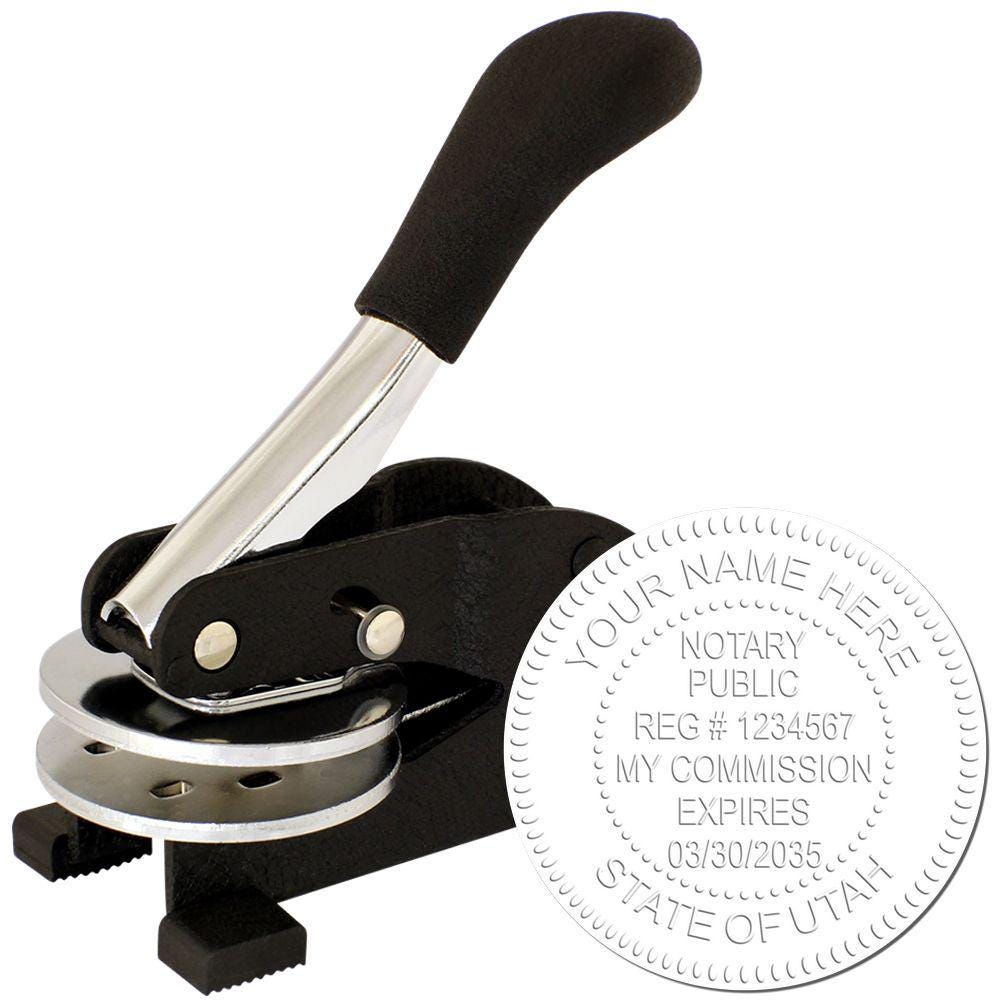
As a Utah notary public, choosing the right UT notary stamp and seal is a critical step in authenticating signatures and ensuring the validity of important documents. From verifying property deeds to completing loan applications, your stamp and seal serve as tangible proof of your commission. Yet if you are exploring options for the first time, or simply want to upgrade your notary supplies, it can be confusing to pick the best design, shape, or ink color. Below, you will find a step-by-step guide that walks you through everything you need to know to select a notary stamp and seal that are both compliant and convenient.
Understand Your Basic Requirements
A notary stamp and seal set is more than a formality. In Utah, notary public laws state that you must use an ink stamp to officiate documents. Additionally, you may wish to include an embossed seal for certain situations. Before shopping, be sure to consult current state guidelines on size, information layout, and allowable colors to confirm your options. These guidelines are designed to protect the integrity of your official work and maintain uniformity across notarial acts.
Key Utah Standards
- You need a clear, readable ink stamp that includes your name, title, commission number, and your state.
- An embossed seal might be optional, but it adds an extra layer of security and professionalism.
- Information on your stamp or seal must not obscure or overlap document text.
Staying familiar with these rules prevents legal complications and ensures that every document you notarize is legally valid. If you are not entirely sure about new changes or details, consider double-checking the official Utah notary resources or your county office.
Know the Difference Between Stamps and Seals
While it might be tempting to think both items do the same job, there is a practical distinction between a UT notary stamp and seal. The ink stamp is the primary indicator of your identity and authority, while an embossing seal creates a raised impression on the paper.
How Ink Stamps Work
- They use an inked rubber plate to quickly imprint your notarial details.
- You can choose self-inking or pre-inked mechanisms, depending on how frequently you plan to notarize.
- They often come in a variety of ink colors (commonly black or blue) that comply with Utah standards.
How Seals (Embossers) Work
- They physically press or crimp the paper to leave a raised impression.
- They can look more formal but might require extra hand pressure to imprint clearly.
- Some notaries prefer adding an embossed seal for a polished finish, especially on high-value documents.
Combining the Two
Although the ink stamp is often the main requirement, combining it with an embossed seal can enhance security. You might decide to use both on certain documents for an added layer of authenticity, especially if a client specifically requests it.
Consider the Varieties of Ink Stamps
When you embark on your search for a UT notary stamp, you will quickly discover various styles. Each offers its own benefits, so you want to weigh considerations like speed, frequency of use, and cost.
Self-Inking Stamps
- Come with an internal ink pad that re-inks automatically.
- Provide dozens or even hundreds of impressions before needing a pad replacement.
- Ideal if you require quick stamping for a high volume of documents each day.
Pre-Inked Stamps
- Have the ink embedded in the stamp’s interior.
- Create crisp, clean impressions with minimal smudging.
- Typically cost a bit more initially, but last for thousands of impressions.
Traditional Rubber Stamps
- Require a separate ink pad for each use.
- Might be more budget-friendly, though less convenient than self-inking or pre-inked options.
- Potentially suitable if you notarize fewer documents or want a classic approach.
Before you decide on a stamp, think about your average notary workload. If you see high demand for notarial acts, a low-maintenance option such as a self-inking or pre-inked stamp might save you time and hassle in the long run. If you are just starting or only handle occasional notarial tasks, a more traditional rubber stamp could serve your needs at a lower cost.
Examine Embosser Designs and Ergonomics
An embossed seal often features a handheld press that crimps the paper, leaving a raised design. While their look is highly professional, the ergonomics matter more than you might expect. If you use the embosser excessively or on thicker documents, an easy-grip design can reduce hand strain.
Tabletop vs Handheld Models
- Tabletop designs are bulkier but can handle frequent embossing with less effort.
- Handheld embossers are portable and lightweight, though they might require stronger hand pressure.
- Some notaries keep a heavier tabletop model in the office and a smaller handheld version for travel.
Positioning the Impression
- Ensure the seal’s design is centered on your name and title.
- The highlight of the raised impression is clarity, so practice on scrap paper to master placement.
- Keep additional inserts or adaptors on hand if you frequently emboss multiple page thicknesses.
Though an embossing seal is not always mandatory, it can add polish to your notarial services. Whether clients appreciate the official feel or you want to stand out as highly professional, investing in a quality embosser can pay off in the long run.
Choose a Trustworthy Supplier
Because your UT notary stamp and seal represent your official capacity, you want products that are built to last. Look for a trusted brand with a strong track record, engaged customer support, and a solid return policy. This ensures you receive accurate, durable supplies you can rely on for years.
Why Acorn Stamps
At Acorn Stamps, you get the benefit of a top supplier of Utah notary stamps and Utah notary seals. We have served notaries nationwide for 60 years as a Family Owned and Operated business since 1964. Over these decades, we have built a reputation for:
- Stellar Customer Service: We prioritize straightforward, friendly support to keep your ordering and reordering hassle-free.
- Super Fast Turnaround: We know you might need your notary stamp urgently, so our team focuses on efficiency without sacrificing quality.
- Quality Craftsmanship: From self-inking stamps to heavy-duty embossers, our products are made with precision and attention to detail.
When you choose a reliable supplier, you minimize the risk of mechanical failures, misaligned text, or subpar ink coverage. Remember that poorly produced stamps or seals could lead to delayed document processing or even invalid notarizations. So, it is worth investing in top-notch materials.
Confirm State Compliance
Even the best notary tools will not help if they do not meet Utah’s commission guidelines. Double-check that every detail on your stamp or seal is consistent with your commission certificate. Watch for any potential errors in spelling, spacing, or numbering. Ensuring your official name matches exactly is especially critical.
Steps to Verify Compliance
- Review your commission certificate thoroughly.
- Compare it to the text that will appear on your stamp or seal.
- Confirm the correct arrangement of name, commission number, and the words “Notary Public,” “State of Utah,” or similar required phrases.
- Check your ink color choice aligns with local regulations, if specified.
Making these verifications now saves you the time and cost of reordering. If your notary name changes (for instance, due to marriage) or you renew your notary commission, be prepared to replace your stamp and seal promptly.
Store and Maintain Your Tools
Once you have your UT notary stamp and seal in hand, commit to proper maintenance. After all, your reputation depends on clear, consistent impressions. Simple care routines keep your tools in top shape and extend their lifespan.
Prolonging Stamp Life
- Keep self-inking pads capped or retracted when not in use.
- Refill pre-inked stamps with the manufacturer’s recommended ink.
- Wipe away ink specks or dust with a soft cloth to prevent uneven stamping.
Caring for Embossers
- Check the plates periodically to ensure they are not bent or wearing down.
- If the handle feels loose, tighten any screws according to the manufacturer’s instructions.
- Keep the surface free of dirt to avoid scratching or marring the impression.
Proper storage also includes preventing unauthorized access. Your stamp and seal are official items that must stay secure at all times. By locking them in a drawer or cabinet, you safeguard against misuse.
Stay Updated with Renewals
Your UT notary stamp and seal are tied to your commission’s validity. Remember that your commission has an expiration date. Once your renewal is approved, you may need to order a new stamp reflecting the new expiration. Failing to update your stamp can invalidate notarizations and create confusion.
Tips for Smooth Renewal
- Start your renewal process well in advance to allow time for new supplies.
- If your commission details have changed, verify them carefully before ordering a new stamp or seal.
- Consider scheduling your new order once you receive the updated documentation, so everything matches exactly.
Staying proactive about renewals is an easy way to avoid interruption in your services. You do not want to find yourself without a valid stamp just when an important client meeting is scheduled.
FAQs About UT Notary Stamp and Seal
Below are five common questions you may have as a Utah notary public.
Do I Need Both a Stamp and an Embosser?
In Utah, the primary requirement is an ink stamp that includes your registered information. An embossed seal is optional, but many notaries use both for a polished look and added security.
What Ink Color Should I Choose?
Most notaries use black or blue ink for clarity. Check current Utah regulations or your notary handbook to confirm if any restrictions apply to your commission. Black ink is often the most common and widely accepted.
How Long Does a Notary Stamp Last?
This depends on the type. Self-inking or pre-inked stamps can last for thousands of impressions before needing a refill or replacement pad. High-quality stamps from reliable providers, such as Acorn Stamps, offer great durability.
Is There a Required Size for the Imprint?
Utah guidelines generally specify that the stamp be legible and contain required information. The size cannot be so large that it obscures important text, and it must fit neatly in the designated space on your documents. Always confirm with your official handbook.
How Quickly Can I Get a New Stamp?
With Acorn Stamps, you can usually expect a super fast turnaround due to our streamlined production and shipping process. We understand that your notary duties cannot wait, so we prioritize speed without compromising on quality.
Whether you are new to the world of notarial work or a long-standing pro, picking the best UT notary stamp and seal is essential for your success. By focusing on quality, checking state compliance, and maintaining your tools carefully, you ensure a professional impression every single time. Remember that you are not committing to a simple office supply. You are investing in your credibility, your notary commission, and the trust your clients place in you. If you have any lingering questions, do not hesitate to consult the official Utah notary guidelines or reach out to a reputable supplier like Acorn Stamps for personalized guidance.