When you work as a Utah notary public, convenience and accuracy matter. That is why a well-prepared Utah notary kit can be your best ally for every appointment you handle. Your kit ensures that you have all the essential notary supplies close at hand, including your stamp or seal, notarial certificate wording, and any accessories you might need on short notice. By organizing these tools effectively, you help eliminate errors, reduce stress, and maintain professionalism. Below, you will learn why a complete kit is so vital, what it should contain, and how to use it to satisfy Utah’s regulations.
Discover The Utah Notary Kit
Before diving into the items your Utah notary kit should include, it helps to understand precisely what a kit accomplishes. A well-rounded kit is more than just a box of supplies. It is a system that helps you stay consistent and compliant.
- Ensures swift notarization. You avoid scrambling for supplies or pausing a signing to search for critical items.
- Promotes quality of work. By having straightforward instructions, a dedicated journal, and a clearly labeled seal or stamp, you minimize the chance of errors.
- Reduces stress. When everything is in one place, you can focus on verifying each signer’s identity and preparing documents correctly.
Many notaries in Utah appreciate how a complete kit offers reassurance that they are always ready to handle even last-minute signings. If you ever find yourself in the thick of a busy day, your kit will keep you on track while preserving a calm and professional atmosphere.
Recognize Key Kit Components
Your Utah notary kit is only as effective as the parts inside it. By having every tool properly labeled, stored, and ready to use, you will prevent confusion and uphold best practices.
The Notary Stamp
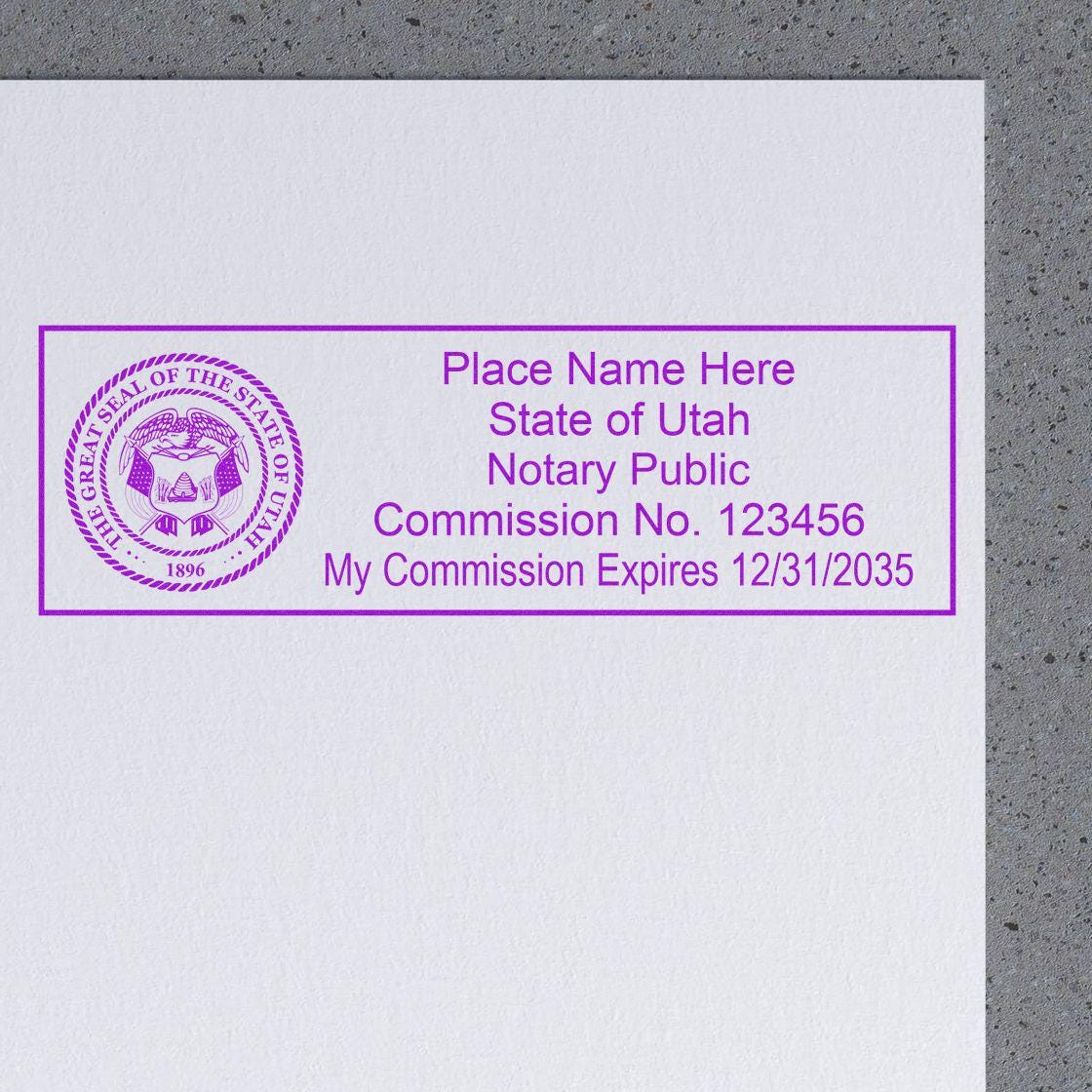
For a Utah notary public, a distinct notary stamp is essential. It includes your notary name, commission number (if applicable), and the words “Notary Public” along with “State of Utah.” In many cases, the stamp is a self-inking device that leaves a clear and consistent impression. Here is what to keep in mind:
- Ensure details are spelled correctly and match your commissioning name.
- Use only dark ink that is clearly legible, such as black or blue, in keeping with regulatory guidelines.
- Check that every stamping surface is flat and free from wrinkles to avoid smudges or partial impressions.
The Notary Seal (Embosser)
Some Utah notaries invest in an embosser in addition to, or instead of, a traditional ink stamp. Though the state typically requires an ink stamp impression, the embosser can be useful for certain official documents or for decorative touch. If you use a seal:
- Keep a sturdy, well-built embosser that presses the paper evenly.
- Store it in a protective bag or case so it stays clean and free from any dirt or debris.
- Maintain alignment by regularly checking the text to be certain the impression is crisp and readable.
Notary Journal
While Utah does not require notaries to keep a journal in every circumstance, recording each transaction can protect you in case of questions or legal disputes down the road. A dedicated notary journal, stored in your kit, is an excellent way to document:
- Date and time of each notarization.
- Type of document notarized.
- Name and signature of each signer.
- Form of identification used.
The habit of maintaining a journal can streamline your entire notarial process. It helps you prove you acted diligently, which is especially important if any issue arises, such as a signer contesting authenticity.
Additional Supplies And Accessories
Your Utah notary kit may include extra items that support notarial work. For instance:
- Ink refills or replacement pads for your stamp.
- Self-adhesive notarial certificates or loose certificate pages.
- Rectangular sticky notes to mark signature lines or important sections for signers.
- A pouch or bag that keeps the contents secure, whether you are working from home, traveling to a signing, or meeting clients in an office.
Implement Proper Notarization Steps
Having your Utah notary kit organized is only half the battle. You also want to apply a reliable process each time you perform a notarization. By walking through consistent steps, you boost both compliance and confidence.
- Confirm the signer’s identity. Ask for valid photo identification and compare the details carefully to your records. Make sure the name on the document matches the ID information as closely as possible.
- Check willingness and awareness. Always confirm that the signer understands the document and is signing by choice, free of coercion.
- Review the document. Look for blank spaces or unclear sections. A well-prepared document will limit any confusion about the signing requirements.
- Complete your notarial certificate. If the document already includes the correct notarial wording, review it. Otherwise, attach a compliant loose certificate.
- Stamp or emboss. Place your notary stamp (or seal) neatly on the designated area. Make sure each impression is readable and does not obscure essential text.
- Record the transaction (optional but recommended). Input key details into your journal, including any relevant ID information.
By following a consistent process, you build a reputation as a meticulous, dependable notary public.
Fulfill Utah’s Legal Requirements
Because each state has its own notary guidelines, it is critical for you to keep up with Utah’s specific regulations. Fortunately, your Utah notary kit goes a long way toward making sure you remain compliant. Here are a few highlights of Utah notary law that you should remember:
- You must apply for or renew your commission with the proper state authority.
- The official stamp must display the exact details specified by the state, such as “State of Utah” and “Notary Public.”
- Always verify the identity of the signer. Rely on approved identification documents like a driver’s license or passport.
- Update your name or business address with the appropriate state office if they change during the term of your commission.
When your kit is complete with your stamp, seal, and other helpful resources, you are far less likely to overlook an important step. If you ever get stuck or are unsure of a particular regulation, consult the official website of the Utah Lieutenant Governor or seek professional guidance. Accuracy matters, and double-checking your process saves hassle and protects the integrity of each notarization.
Benefit From Acorn Stamps
If you want to equip yourself with the best possible Utah notary kit, look for a supplier with a strong track record and a commitment to quality. Acorn Stamps has been a trusted name for Utah notary stamps and Utah notary seals. Here is why you might consider Acorn Stamps for your supplies:
- Stellar customer service. It is helpful to know that questions or concerns will be addressed promptly. Ensuring you have the correct design and details on your stamp is crucial for compliance.
- Super fast turnaround. When your commission is approved and you need a kit right away, short shipping times can help you start working without delay.
- Family owned and operated since 1964. With more than 60 years of service, you benefit from generations of expertise and commitment to customer satisfaction.
Whether you are brand-new or a seasoned notary, having the highest quality supplies prevents notary errors. Each impression should be crisp, legible, and long-lasting. Purchasing from a reputable provider can save you time and money in the long run.
Apply Practical Tips Daily
Even with a comprehensive Utah notary kit, there are small ways to elevate your practice. These tips will ensure you make the most of your tools and consistently serve clients with integrity.
Keep Everything Portable
If you travel to meet clients, a portable carrying case or bag makes your life easier. Aim for a case that has:
- Separate compartments or pockets to store your stamp, seal, journal, and ID-checking tools.
- A durable exterior to protect against accidental spills or weather issues.
- A simple strap or handle for ease of transport.
Stay Updated On Laws
Notary regulations can change, so keep your kit and knowledge base current. You might take a quick refresher course each year or review any legislative updates on the state’s notary website. Regular check-ins also help you spot if your stamp details need to be refreshed, for example a revised commission date.
Backup Your Journal
If you prefer a paper journal, consider scanning or photographing your entries periodically. Doing so can come in handy if you ever lose your journal or need to verify a past notarization. For digital note-keeping, be sure to:
- Encrypt any files and store them in a secure location.
- Keep a reliable backup either on a physical drive or in a secure cloud system.
Organize Loose Certificates
Loose certificates are used when the document you are notarizing lacks the proper wording. Having them in your kit saves you from turning clients away or missing vital elements of the notarial act. A folder or small binder can keep blank certificates crisp and accessible. Consider:
- Labeling each type of certificate (for acknowledgments or jurats) for quick reference.
- Double-checking that the certificate language meets Utah’s requirements.
Maintain Professional Presentation
Your notary kit can also hold business cards, brochures, or any helpful documents about your notarial services. Presenting a polished image builds trust and shows clients that you take your role seriously. You might:
- Keep a small set of professional business cards in a protective case to hand out when introducing yourself.
- Include a short reference sheet with typical notarization steps. If a signer is unfamiliar with the process, you can quickly walk them through it.
Explore Common FAQs
Below are five frequently asked questions about using a Utah notary kit and performing notarial acts. Each response aims to clarify potential uncertainties so you can handle notarizations with greater confidence.
Do I need both a notary stamp and a seal in my Utah notary kit?
Utah law generally requires a visible ink stamp impression. An embosser is optional, though some notaries like to use it for added security or style. If you choose to use an embosser, make sure the ink stamp is also readily available so you meet state requirements.
Can I share my notary kit with another notary?
No. Each Utah notary public should have a personalized stamp or seal containing unique details. Sharing any part of your kit could lead to confusion or legal complications, since each stamp is tied to a specific commission.
What if my Utah notary stamp impressions start to fade?
Keep extra ink refills or replacement pads. If you notice your impressions are becoming unclear, replace the ink or pad immediately. Clear visibility of each stamp impression is necessary for authenticity and compliance.
Is a notary journal mandatory in Utah?
Utah does not demand a journal in all cases, but maintaining one is strongly recommended. Keeping a journal provides valuable records of each notarization, protects you from potential disputes, and fosters trust with clients.
How often should I review state notary guidelines?
You should check for updates periodically, at least once or twice a year. New regulations, including changes in required wording or forms, can arise. Staying updated prevents legal missteps and preserves your credibility.
When you take these FAQs into consideration and stock your Utah notary kit with the right supplies, you are setting yourself up for a long and successful notarial career. Maintaining accuracy, organization, and professionalism should come naturally with a well-prepared kit by your side. Whether you are renewing an existing commission or just starting out, having a thorough, reliable kit will help you serve the public more efficiently. Stock your kit with all the essentials described above and select a quality partner like Acorn Stamps so you can notarize documents with confidence. By consistently refining your practices and staying up to date with Utah’s regulations, you will look forward to every notarial appointment knowing you are fully prepared.