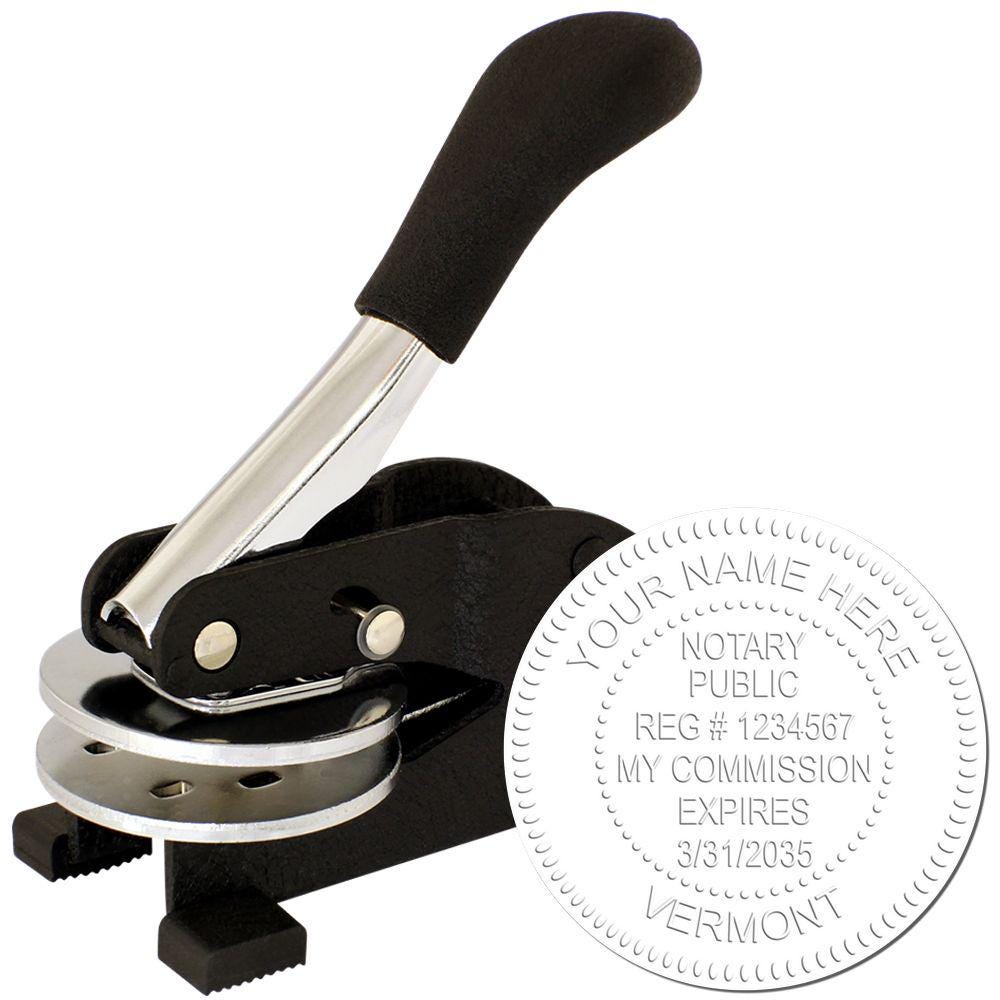
Whether you have recently become a Vermont Notary Public or you have years of experience under your belt, choosing the right self-inking Vermont notary stamp can streamline your daily tasks. A well-crafted, self-inking stamp makes it easier for you to produce clean, consistent impressions on documents that require official verification. In this guide, you will discover how a self-inking Vermont notary stamp helps you maintain professional standards, what features matter most when selecting one, and how to ensure you get the most life out of your stamp. By the end, you will feel confident in your choice and prepared to perform your notarial duties more efficiently.
Explore the Importance of a Self-Inking Vermont Notary Stamp
When you handle important legal documents day in and day out, efficiency and professionalism go hand-in-hand. You want a notary stamp that delivers a crisp impression, helps you keep track of your notarial responsibilities, and meets Vermont’s guidelines. That is exactly what a self-inking stamp brings to the table. Unlike traditional rubber stamps, a self-inking stamp includes an internal ink pad. When you press down, the die automatically contacts the ink pad before leaving the impression on the paper. This design reduces the chance of smudges or uneven ink distribution and removes the need for a separate ink pad. That means fewer loose items on your desk and less time spent re-inking between notarizations.
Key Benefits of Self-Inking Stamps
- Quick and clean impressions.
- No need to juggle separate pads or refill ink repeatedly.
- More compact setup for easy transport and on-the-go service.
- Consistent ink delivery for a professional look.
By adopting a self-inking Vermont notary stamp, you eliminate extra steps and demonstrate that you value precision. After all, your clients seek assurance that their legal documents are being handled with care, and a neat, clear seal contributes to that trust.
Understand Vermont Notary Requirements
Before you dive into the world of self-inking stamps, it is helpful to recall the fundamental requirements you must fulfill as a Vermont notary. This includes knowing where and how to place your notary seal, as well as ensuring it contains the information mandated by state law.
Meet Legal Standards
You are required to include specific identifying details on your seal, such as your name and the words “Notary Public.” Vermont historically has not mandated embossed seals for notarial acts, though you should confirm the exact requirements through official state resources or any updates to notary laws. In most cases:
- Your legal name (as affiliated with your notary commission) must appear.
- The words “Notary Public” or language that clearly identifies you as a notary.
- Any additional text mandated by state statute, such as your commission number or the state name.
Always ensure that the impression is legible. A self-inking stamp can be your greatest ally in making sure that these details stand out every time you stamp a document.
Stay Professional and Efficient
Since Vermont notaries often handle a wide range of documents—affidavits, real estate deeds, acknowledgments, and more—your stamp becomes an extension of your professional identity. Clear, sharp seal impressions reflect your commitment to upholding notarial standards. Inconsistent stamping can lead to confusion or document rejection, so it is worth selecting a stamp designed to handle repetitive use without degrading in quality.
Consider the Design and Ink Quality
Not all self-inking designs are created equal. Some stamps allow you to see exactly where you should place your notarial seal, while others may have an open base so you can line up your seal more accurately. Meanwhile, the type of ink you use can influence how your stamp impressions dry and appear on various types of paper.
Select the Right Ink Formulation
When evaluating ink, you want something that dries quickly to avoid smudges. Quick-drying ink also helps maintain a professional appearance across all your notarized documents. Archival-quality or permanent ink can be advantageous if you expect the documents to be stored long-term or used in official settings.Other factors to consider include:
- Minimum recommended dryness time.
- Whether the ink is oil-based or water-based.
- Overall lifespan of the ink pad or reservoir.
Compatible ink refills that are easy to source can also save you time and money in the long run. Knowing you can replenish your stamp reliably means you will never be left scrambling for new ink at the last minute.
Choose a Clear Layout
Beyond the ink, the layout of your seal matters just as much. This includes text size, spacing, and any custom elements you want to include. Make sure you incorporate all the mandatory details while maintaining a clean design that leaves no room for ambiguity.
- Decide where to place your name, commission number (if applicable), and “Notary Public” text in a balanced manner.
- Test-read your layout to confirm no letters get truncated or run together.
- Ask a colleague or friend to check legibility from a normal reading distance.
A high-quality, self-inking Vermont notary stamp will blend thoughtful design with premium materials so you get dependable use day after day.
Maintain Your Self-Inking Stamp
Once you find the perfect stamp, the next step is making it last. Proper care keeps your impressions crisp and helps you avoid mid-day ink mishaps. Thankfully, self-inking stamps require minimal upkeep, but developing a few good habits will go a long way.
Store Your Stamp Appropriately
You can store your self-inking stamp standing upright or in a carrying case if you often travel to meet clients. Steer clear of leaving it in direct sunlight, as excessive heat or light can dry out the ink pad prematurely. Keep it away from dusty or wet areas to prevent debris from clogging the mechanism or ink from bleeding.
Refill and Replace Ink Pads on Time
Self-inking stamps are designed for thousands of impressions before re-inking or replacing the internal pad. However, your stamping volume will determine how often you should check ink levels. If you notice the stamp impression becoming light or patchy, it is usually an indicator that it is time to replenish with a compatible refill ink or replace the pad. Always follow the specific instructions provided by your stamp’s manufacturer to avoid overfilling or damaging the internal mechanisms.
Quick Maintenance Tips
- Test your stamp on scrap paper before applying it to any official paperwork.
- Clean the die with a soft cloth if you see any ink residue building up.
- Replace or refill your ink pad as soon as you detect a decline in the clarity of your seal impression.
- Keep the cover or handle clean, as excess dust or residue can interfere with the stamping motion.
With just a bit of diligence, your self-inking Vermont notary stamp will remain in top shape over the course of your tenure as a notary.
Count on Acorn Stamps for Your Vermont Notary Needs
When it comes to acquiring a reliable self-inking Vermont notary stamp, you deserve a partner that understands your profession and respects the nuances of Vermont regulations. That is where Acorn Stamps comes in. As a family-owned and operated business since 1964, Acorn Stamps brings over 60 years of experience creating high-quality notary stamps and seals that meet stringent state guidelines.
Why Choose Acorn Stamps
- Stellar Customer Service: You can rely on the friendly support team to help you pick the right stamp, walk you through customization options, and answer any questions about notary regulations or usage.
- Super Fast Turnaround: Time matters, especially if you handle a steady flow of documents. You can count on prompt production and shipping so you never miss a beat.
- Top Supplier of Vermont Notary Stamps and Seals: Thanks to decades of experience, Acorn Stamps crafts products that live up to Vermont’s specific notarial requirements. You get a lasting seal impression that includes precisely the information you need.
- Family Legacy: A family-owned tradition is reflected in the care and attention to detail that goes into every order. This longstanding history builds trust and confidence in the final product.
When you are looking for a self-inking Vermont notary stamp that pairs quality and convenience, Acorn Stamps stands out as a dependable choice for professionals who need reliable tools.
Enhance Your Notarial Efficiency
While having the right stamp is an excellent foundation, you may also want to explore other ways to enhance your notarial workflow. Improving your process does more than save you time. It also reassures your clients that you operate with maximum precision and reliability.
Develop a Consistent Signing Routine
A structured procedure can reduce errors and keep you organized. For instance, you might:
- Verify the identity of the signer and clarify the purpose of the document.
- Confirm all required details on the document are correct and complete.
- Present the document to the signer for their signature, if applicable.
- Apply your self-inking Vermont notary stamp in the designated area.
- Record the act in your notary journal or log, including relevant details.
Following the same steps every time leaves little room for oversight and ensures each notarization is valid.
Keep Your Workspace Organized
Even with a single stamp, you handle a fair amount of supplies—pens, embossers, logs, reference materials, and so forth. Storing everything in a consistent place prevents frantic searches for missing items. This approach:
- Helps maintain a professional environment for your clients.
- Reduces the chance of losing critical tools like your notary journal or seal.
- Streamlines your day-to-day tasks, letting you focus on providing top-notch service.
A well-organized desk and quick procedures go hand-in-hand with a smooth notary practice.
Stay Updated on Regulatory Changes
Vermont’s notary regulations can evolve over time to meet new legal standards. Keeping up with any amendments, or verifying them with a professional association, ensures that you:
- Continue to place the correct information on your seal.
- Adhere to the latest guidelines for acknowledging documents.
- Protect your notary commission from unintended violations.
When you invest in a self-inking stamp at the outset of your commission term, you want it to remain compliant throughout. Checking in on official updates once or twice a year helps you stay ahead of any changes that may affect your work.
Frequently Asked Questions
Below, you will find answers to some common inquiries about selecting and maintaining your self-inking Vermont notary stamp. These can guide you in making the best decisions for your notarial duties and help you avoid potential pitfalls.
How Long Does a Self-Inking Vermont Notary Stamp Last?
It depends on factors such as usage frequency, ink pad quality, and how well you care for your stamp. Many self-inking stamps deliver thousands of impressions before needing a refill or replacement pad. Proper storage and timely re-inking also extend the life of your stamp.
Can I Customize the Layout on My Stamp?
Yes, you can. In Vermont, you usually must include your name, the phrase “Notary Public,” and any other state-required text. Beyond those essentials, you can typically choose the font, layout, and any additional design elements that remain clear and easy to read. Always double-check any local requirements before finalizing your design.
What Ink Colors Are Acceptable for Vermont Notarial Acts?
Vermont does not typically specify a particular ink color, but black and blue are most common for official documents. Consider quick-drying, fade-resistant inks for maximum clarity and longevity. If you perform notarizations on specialized paper, you might want to verify that the ink works well on that material to avoid smudging.
Is There a Specific Size My Notary Stamp Must Be?
Vermont notary statutes do not strictly define a universal size. However, your seal should be large enough to remain legible. Most self-inking Vermont notary stamps fit comfortably in a space of about one to two inches in diameter or width. Confirm your design meets any local guidelines, and consider leaving extra space on your documents for the seal to be clearly visible.
Why Choose Acorn Stamps Over Other Suppliers?
Acorn Stamps is a family-owned business with six decades of experience serving both new and seasoned Vermont notaries. The difference shines through in their dedication to precision, quick turnaround times, and outstanding customer support. Whether you have questions about ink types or state regulations, you can trust that Acorn Stamps will help you navigate the selection and customization process so you can focus on your notarial responsibilities.
A self-inking Vermont notary stamp can transform the way you work, reducing the time you spend fussing with separate pads and ensuring each seal appears sharp. By learning about the stamp’s design, maintenance, and Vermont’s notarial requirements, you set yourself up for success. From checking your ink formulation to finalizing the layout of your seal, every step matters in delivering a professional result that builds trust with your clients.
When you are ready to invest in a high-quality stamp, remember that Acorn Stamps has been a trusted ally to Vermont notaries since 1964. Their long history of customer satisfaction, combined with a keen understanding of official standards, makes them an excellent choice. Explore your options today so you can confidently notarize documents with clarity and ease—knowing you are using a stamp designed to meet your needs and exceed your expectations.