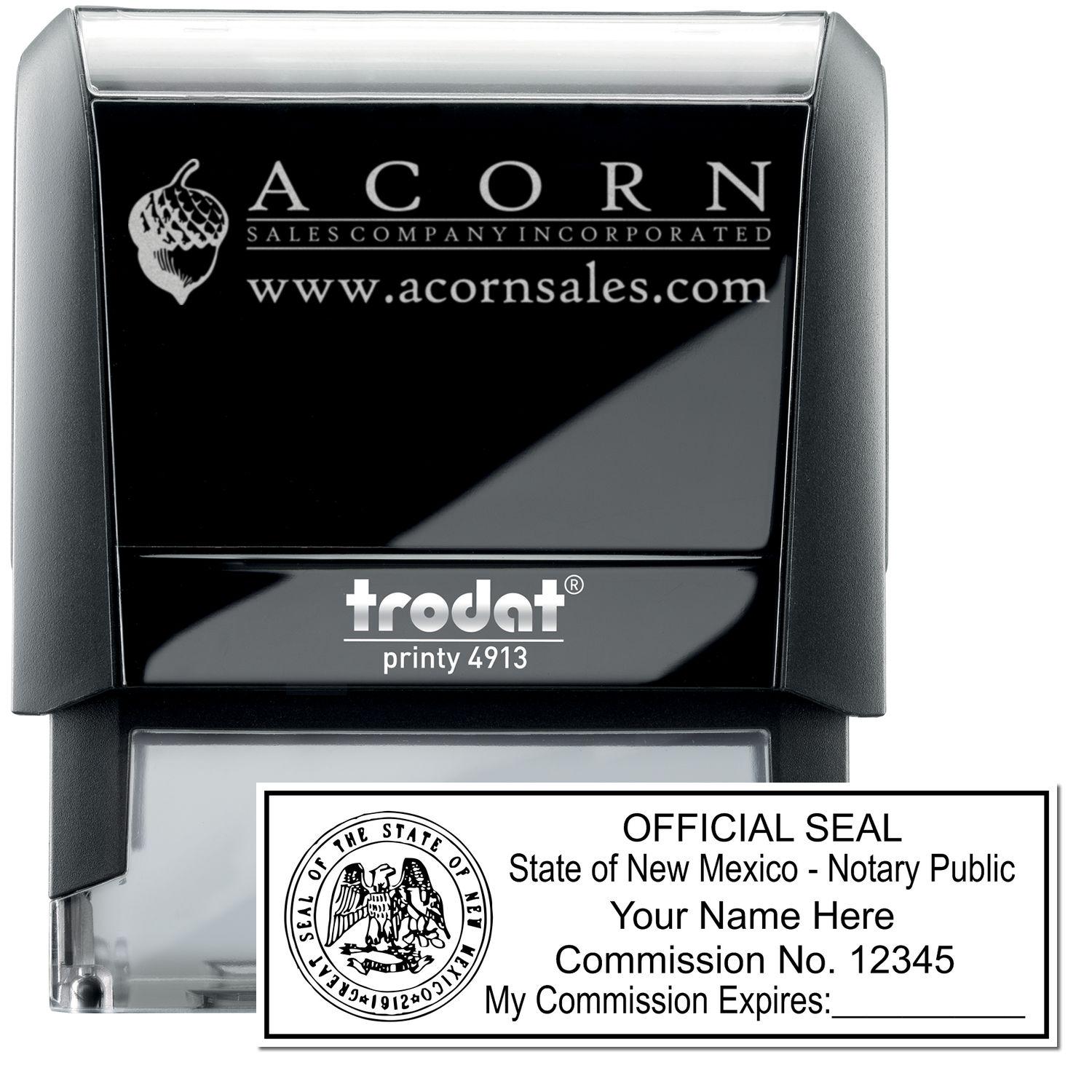
If you are preparing to become or already serve as a New Mexico Notary Public, chances are you have wondered about New Mexico notary seal requirements. Understanding these requirements helps you carry out your notarial duties with confidence and ensures that each document you notarize meets state standards. Below is a friendly guide to everything you need to know about ordering, using, and caring for your New Mexico notary seal.
Discover The Legal Framework
Before diving into the specifics of your notary seal, it helps to understand how notary laws work in New Mexico. The state has its own rules and regulations to protect the integrity of notarial acts. By familiarizing yourself with these guidelines, you establish a solid foundation for responsible notarization.
- The New Mexico Secretary of State oversees notarial appointments and the laws that govern commissions.
- Once you apply and are approved, you receive a notary commission certificate, which serves as official proof of your authority.
- The law also clarifies which records you must maintain, including documentation of each notarial act.
A clear sense of the legal structure behind your position helps you appreciate the importance of meeting New Mexico notary seal requirements. Remaining compliant prevents potential legal complications and preserves the trust that signers place in you as a notarial officer.
Why Compliance Matters
Being compliant with the rules around notary seals protects you from legal disputes in the event a notarized document is challenged. For instance, if someone questions the authenticity of a signed contract, you can demonstrate that your seal meets state regulations. This compliance also reflects positively on your credibility, reinforcing the fact that your notarizations are valid under the law.
Acquire Your Notary Seal
Once you understand state mandates, it is time to secure the physical items needed for your notarial duties. Chief among these items is your official notary seal, also referred to as your notary stamp. Unlike some other states, New Mexico requires a specific seal impression on the documents you notarize, so having the correct stamp is essential.
Where To Begin
Start by reviewing the details included in your notary application materials, as they often outline design preferences and permissible content for your seal. Most of the time, you will see instructions indicating that your seal must be a clear, legible stamp containing the following details:
- Your name exactly as it appears on your notary commission certificate.
- The words “Notary Public” and “State of New Mexico.”
- Your notary identification number if required.
Once you confirm these requirements, choose a reputable supplier that knows how to construct a seal with all the mandated components.
Recommended Suppliers
If this is your first time purchasing a notary seal, you should look for a trustworthy provider that specializes in notary products. Acorn Stamps is a top supplier of New Mexico notary stamps and New Mexico notary seals, well known for stellar customer service and super fast turnaround. Family owned and operated since 1964, Acorn Stamps has over 60 years of experience supporting notaries with high-quality seals, stamps, and related supplies.
Know The Design Requirements
Your notary seal is not just a decorative tool, it directly affects the validity of each notarized document. New Mexico notary seal requirements dictate the seal’s physical layout, text, and clarity of impression. By following these rules, you ensure every notarized item you sign is beyond reproach.
Text And Layout
The most important step is making sure all text is accurate and that the layout satisfies state standards. The seal must be legible to anyone who reviews the notarized document. Generally, that means selecting a stamp style, ink color, and font size that deliver clear impressions on paper.
- Use a simple, professional font that does not smudge easily.
- Opt for darker ink, such as black or blue, for maximum contrast against white paper.
- Inspect your stamp regularly to confirm each letter and number is visible.
Ensuring Readability
When your seal impression is faint or partially off the page, try repositioning the document on a flat surface with firm backing. You might also replace your ink pad regularly or switch to a self-inking stamp if you notice inconsistent performance. By practicing good stamping habits, you ensure your seal meets every requirement and prevents confusion or rejection of important legal paperwork.
Learn How To Use Your Seal
Getting the right seal is only half the battle, you also need to learn the correct techniques to wield it. Proper stamping protocol helps your documents remain both professional and dependable.
Placement Matters
In general, you affix your notary seal near your signature and notarization wording. Leave a little space to avoid overlapping your own handwriting or any text. Overlapping can obscure important details, making it harder for someone to verify the authenticity of your seal.
- Position your seal below your signature if space allows.
- Keep the seal upright and fully on the page for clarity.
- Avoid sealing over any critical text in the document.
In What Order To Sign And Stamp
When you notarize a document, your typical sequence is:
- Verify the identity of the signer.
- Record the act in your notarial journal if the law requires a record.
- Ask the signer to sign the document in your presence.
- Complete any notarial wording or certificate.
- Sign as the notary and stamp with your official seal.
Following this order minimizes mistakes. Each step builds on the last, and you are less likely to forget an essential element, such as stamping the document.
Maintain Professional Best Practices
In addition to meeting New Mexico notary seal requirements, simple best practices help ensure your notary services run smoothly. These habits help you deliver a positive experience for signers and safeguard your legal exposure.
Handle Your Stamp Responsibly
Keep your stamp in a locked drawer or bag if you travel for your notary duties. Consider it as personal as your driver’s license or employee ID. If your stamp goes missing, you risk someone else using it without authorization. Printing your stamp only on legitimate documents is critical for upholding the credibility of your notarial acts.
Create A Consistent Routine
Developing a consistent process for each notarization can reduce confusion, speed up your workflow, and prevent errors. Rely on a checklist:
- Confirm your commission is current.
- Check signers’ identification documents.
- Make your entry in the notarial journal (if you maintain one).
- Observe the signer as they sign.
- Verify the correct notarial certificate and place your seal.
- Confirm that all dates, names, and addresses match.
When you follow consistent steps, your notarial tasks become second nature.
Rely On Trusted Suppliers
The quality of your notary seal comes down to the capabilities of the supplier you choose. While the requirements are set by the state, it is up to you to ensure the supplier meets and exceeds these standards. Ordering from an unreliable source may result in an illegible or incomplete seal, putting your commission at risk.
Why Acorn Stamps Stands Out
Acorn Stamps has been a leading supplier of notary products for 60 years, making it easy to get a personalized, compliant seal in record time. You can expect:
- Expert advice on design features that fulfill New Mexico notary seal requirements.
- Premium materials that last through frequent use.
- Family owned and operated culture that values your satisfaction.
- Quick turnaround to help you start using your new seal right away.
By choosing a supplier like Acorn Stamps, you set yourself up for success. A high-quality seal not only meets the necessary legal standards but also creates crisp, consistent impressions that stand up to close scrutiny.
Common Mistakes To Avoid
Even seasoned notaries sometimes slip up on minor details. The good news is that most notary mistakes are entirely avoidable once you know what to watch for. Below is a quick overview of typical pitfalls and how you can steer clear of them.
- Using An Outdated Commission Date
Modernize your seal with your current expiration date or notary ID. Using an expired stamp can invalidate notarized documents.
- Missing Essential Wording
Double-check if your stamp contains your name, the words “Notary Public,” and “State of New Mexico.” Some notaries forget to review the seal’s text once they receive their commission.
- Allowing A Fade-Out Stamp
If your seal ink is too light, you risk making the document hard to authenticate. Keep a close eye on your ink levels and replace your pad or stamp when necessary.
- Overlapping The Notary Seal With Text
Let the document have enough space around the notarial block. Overlapping text happens more often when you work rapidly, so take a moment to verify your placement before stamping.
- Storing The Seal Carelessly
Keep it in a secure location to prevent theft or damage. If you suspect unauthorized use, contact the New Mexico Secretary of State’s office to learn your reporting obligations.
By taking proactive steps to avoid these errors, you uphold the professionalism and legal validity of your notarial acts.
FAQs About New Mexico Notary Seal Requirements
Below are some of the questions people frequently ask when learning about notarial rules in New Mexico. Reviewing the answers can help clarify any lingering doubts you may have.
Do I Need A New Seal If I Move To A Different County?
Yes, if you change your name or physical address in a way that affects the information on your seal, you must update the details with the New Mexico Secretary of State. While simply relocating to a different county might not require a brand-new seal, you should confirm any address or name changes. If your seal references old information, it can cause confusion. Always ensure the data on your seal accurately reflects your current credentials.
How Often Do I Replace My Notary Seal?
You only replace your seal if it becomes damaged, the text is no longer readable, or your commission information changes. Regular use eventually wears down any stamp, so it is a good idea to inspect yours periodically. If any details on the impression are fading or missing, replace it right away to avoid invalid notarial acts.
Can I Use An Embosser Instead Of An Inked Stamp?
In some states, an embosser is accepted, while in others, an inked stamp is mandatory. In New Mexico, a stamp that leaves a clear inked impression is generally required. If you prefer an embosser for certain clients or personal style, confirm whether it meets New Mexico’s specificity on clarity and readability. For maximum clarity, an inked stamp is typically the best choice.
What Should I Do If My Seal Is Stolen?
If your seal is lost or stolen, notify local law enforcement as well as the Secretary of State’s office immediately. You may be required to provide specific documentation explaining the circumstances. After filing a report, you can order a replacement seal from a trusted supplier like Acorn Stamps. Taking these steps lowers the risk of someone misusing your seal to commit fraud.
Can I Let Someone Else Borrow My Seal Temporarily?
No, your seal should never be borrowed or loaned to another person for any reason. Only you, the commissioned notary, can legally use your seal. Letting someone else use it, even for a short period, compromises the validity of the notarized document and can result in disciplinary action against your notary commission.
When you follow the specific New Mexico notary seal requirements, you safeguard each notarized document and reflect positively on the office of the notary public. A clear, consistent seal impression is a direct sign of your professionalism and competence. By investing in a reliable seal from Acorn Stamps, you reduce your risk of errors and uphold your responsibilities as a notary in the State of New Mexico.
Take a little time now to update or upgrade your notary seal. Carefully place each impression, and you will notice how easily you can maintain both your notarial integrity and the trust of your clients. By keeping track of evolving regulations and avoiding common pitfalls, you ensure your services remain valued and sought after throughout your entire commission.