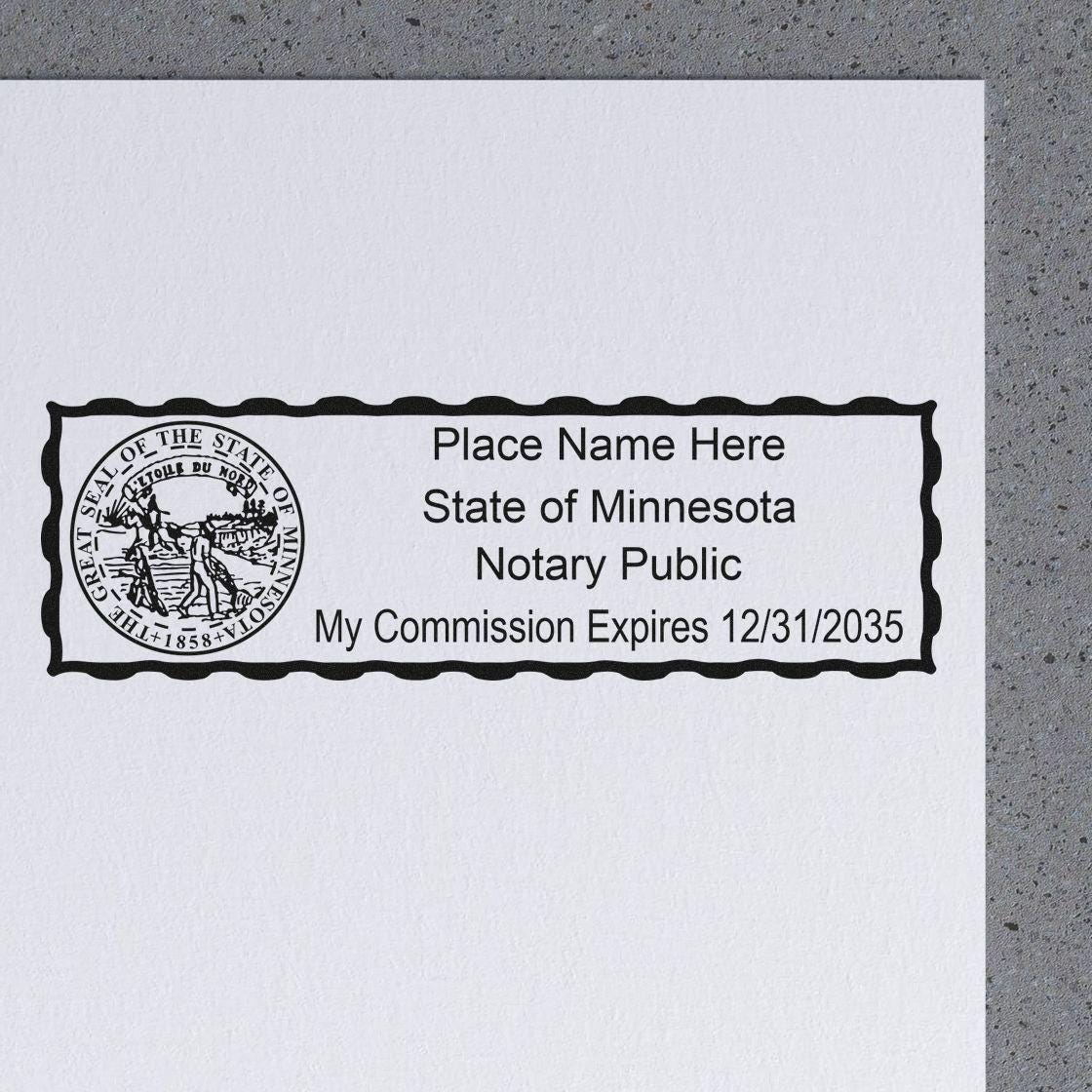
Explore The Importance Of The MN Notary Seal
If you live or work in Minnesota and have earned your notary commission, one crucial item you need is the MN notary seal. This small yet powerful tool ensures that official documents carry your mark of authority and legitimacy. When you apply your notary seal, you are confirming the authenticity of a signature, verifying the identity of those who sign, and safeguarding essential transactions. In other words, your notary seal helps maintain trust and order in legal, financial, and personal matters across the state.
Understand The Core Purpose
Before you start using your MN notary seal, it is important to recognize why it exists. Public confidence in notaries hinges on their ability to ensure that each notarized document is legitimate and protected from fraud. The seal or stamp indicates that you have verified the signer’s identity, confirmed their willingness to sign, and followed Minnesota regulations in performing your duties. In practical terms, the seal symbolizes that your role carries the weight of state recognition.
Recognize Its Authority
Notaries in Minnesota serve as impartial witnesses in various legal contexts, from mortgage signings to affidavits and beyond. With your commission, you have earned the legal right to place your seal on important documents. This official act substantiates signatures and solidifies the binding nature of an agreement. In many cases, recipients, clients, and government bodies look for that impression or stamp, considering it a vital signal that a transaction has been executed with integrity.
Know Minnesota's Notary Requirements
Because every state has nuances regarding notarial practices, it is a good idea to familiarize yourself with Minnesota-specific guidelines. From the kind of information you must include on notarized documents to the format of your notary commission, attention to these details keeps you in compliance with state law.
Confirm Your Commission Details
Your signature and commission particulars must appear on every notarized document. In Minnesota, you typically need to include your name, the words “Notary Public,” and the name of the state. Depending on the document, you could add your commission expiration date. Having this information properly displayed alongside your MN notary seal can be a legal requirement, so double-check the exact formatting rules in your jurisdiction.
Know The Validity Period
In Minnesota, your commission is valid for a specific duration. You have certain responsibilities tied to your commission’s active period, which includes renewing on time. If you fail to renew your commission, you can no longer notarize documents, even if you still have a functioning MN notary seal. Mark the expiry date on your calendar, set reminders, and stay proactive in renewing so you never have to turn down a client or delay a last-minute document signing.
Choose The Right Seal Type
There are several types of notary seals on the market. Each style offers distinct benefits in terms of readability, portability, and longevity. Selecting the one that fits your day-to-day tasks will ensure you provide clear, professional markings on every notarized material.
Embosser Seals
An embosser uses pressure to crimp the paper, leaving a raised impression. Many notaries appreciate the traditional look of embossed seals. However, some offices may prefer stamped or inked seals because embossed marks are not always easy to reproduce in copies or scans. If you frequently handle original paper documents that need a visible and tactile mark of authenticity, an embosser can be an elegant choice.
Self-Inking And Pre-Inked Stamps
A self-inking stamp contains an internal ink pad. Every time you press the stamp onto paper, the stamp face re-inks automatically. Pre-inked stamps, on the other hand, contain ink directly in the die. Both versions deliver crisp impressions, are quick to use, and are easy to carry around. If you want speed and consistent clarity, a stamped option typically does the job well.
Rubber Hand Stamps
Traditional rubber hand stamps require you to use a separate ink pad but allow for more customization. Some notaries still prefer this method if they have specialized stamp needs or if they like controlling the type of ink they use. However, it can be less convenient to lug around an extra ink pad, and oversaturation of ink can sometimes result in smudging.
Look For Quality And Durability
Whether you choose a self-inking stamp or an embosser, make sure the build quality meets professional standards. After all, you might need to notarize multiple documents on a given day. A cheaply made seal might break down or deliver faint impressions that can leave clients dissatisfied. If you are constantly around official paperwork, you should expect your seal to keep up.
Material Considerations
- Metal frames on embossers are typically sturdier than plastic versions.
- High-quality stamps are built to minimize leaks or frequent re-inking.
- Clear impressions prevent confusion and are easier for recordkeeping.
Ensuring Legibility
A faded or partially printed mark can render a document invalid or questionable. Even if your seal reads correctly half the time, that single unreadable seal can cause serious delays for clients. When you start noticing unclear impressions, it may be time to clean or re-ink your stamp. If you have an embosser, confirm the crimps are sharp and properly aligned.
Order Your MN Notary Seal
Once you decide on the style, buying a reliable MN notary seal becomes the next step. You want a supplier that delivers quality products quickly and accurately. At Acorn Stamps, we are proud to be a top supplier of Minnesota notary stamps and Minnesota notary seals. We focus on stellar customer service, offering super fast turnaround times for busy professionals like you. As a family owned and operated company since 1964, we have 60 years of experience in crafting dependable seals for notaries across the state. Our goal is to help you find the right seal so you can notarize with confidence, whether you prefer a classic embosser or a convenient self-inking option.
How To Place Your Order
Placing your order should be a smooth process. With Acorn Stamps, you can:
- Choose your desired seal type (embosser, self-inking, or pre-inked).
- Provide the exact wording and details required for your commission.
- Confirm font style and layout for a professional finish.
- Receive your proof or final product quickly so you can begin using it right away.
We understand that your time is important, and we strive to ensure each order is accurate the first time. If you have questions or unique requests, our friendly customer service team is here to support you.
Store And Maintain Your Seal
After purchasing your notary seal, be sure to keep it stored in a secure location. Stamps and embossers are small enough that they can be misplaced or fall into the wrong hands. Since your seal holds legal weight, treat it with caution and care.
Simple Maintenance Tips
- Keep your seal away from heat sources, which can cause ink to dry out or plastic parts to warp.
- If you use an ink-based stamp, store it upright to avoid accidental ink leakage.
- Regularly check the rubber or die face for wear or residue buildup.
- Should you need to re-ink, follow the manufacturer’s guidelines for the correct ink type.
Protect Confidentiality
Documents requiring notarization often contain sensitive or confidential information. While the seal itself will not hold any personal data, you should always store it in a locked drawer or cabinet so that no one can misuse it. If you suspect someone has forged your seal, contact the appropriate authorities or the state notary commission board immediately. Your diligence protects you and your clients alike.
Follow Proper Usage Guidelines
Using the MN notary seal aligns with a specific set of best practices, outlined by Minnesota state law, to ensure that notarized documents are valid and enforceable. When you place your seal on a document, you are attesting that you performed every necessary notarial act properly. Before stamping or embossing, verify the identity of the signer, confirm their willingness to sign, and make sure the document meets your state’s legal criteria.
Verify Before Sealing
In Minnesota, it is your responsibility to identify the signer correctly. Whether you rely on a driver’s license, passport, or another form of government-issued identification, always ensure the individual’s appearance matches the identification provided. A thorough verification process helps prevent fraud and upholds the integrity of your work.
Keep A Notary Journal
Though specific recordkeeping requirements can vary, many notaries keep a journal of every notarization they perform. Each entry typically includes the date, type of document, signer’s details, and any relevant ID information. Your notary seal and your signature will then match the corresponding line item in the journal, creating a comprehensive account of your responsibilities.
Common Mistakes To Avoid
Even seasoned notaries can slip up if they rush or overlook certain legal steps. Spotting these areas beforehand can save you from potential liability and keep your reputation intact.
- Incorrect Placement: Align your seal in a clear space on the document, avoiding text or borders.
- Missing Required Details: Always include or note any required elements like your commission expiration date and name.
- Stamp Overload: If you restamp the same area multiple times, it can lead to smudges or overlapped text.
- Relying On Expired Commission: Even if you physically have a working seal, an expired commission invalidates your authority to notarize.
Staying alert to these pitfalls ensures that your notarizations meet Minnesota’s standards and retain their legal standing.
Frequently Asked Questions
How Do I Know Which MN Notary Seal Is Right For Me?
You will want to select one that best fits your workflow. If you handle large volumes of notarizations and need speed, a self-inking stamp may be most convenient. If you prefer a traditional look, an embosser could be ideal. Many notaries keep both on hand, especially if they work in multiple settings.
Can I Reuse My Existing Notary Stamp If I Move From Another State To Minnesota?
Generally, no. If you relocate and apply for a Minnesota commission, you will need a new seal with all the correct details, such as “Notary Public” and the state’s name. Make sure your seal matches your updated commission information.
What Happens If My MN Notary Seal Stops Making Clear Impressions?
You can try cleaning the die or re-inking, depending on the type of stamp. If the embossing mechanism is worn out, repairs might be possible but often it is more efficient to replace the seal for consistency. A faint or distorted seal can raise questions about the validity of your notarization.
Is There A Specific Time When I Must Update My Seal’s Expiration Date?
Yes. In Minnesota, you are required to include or attach information regarding your commission’s expiration date on notarized documents. If your current seal includes your expiration date, you should replace the seal once you renew your commission. This ensures proper date accuracy and compliance.
Where Can I Get My MN Notary Seal Quickly and Affordably?
Acorn Stamps specializes in Minnesota notary stamps and seals, with a wide range of options to match your preferences. We are family owned and operated since 1964, and we pride ourselves on stellar customer service and super fast turnaround times. Whether you need an embosser or a self-inking option, we are dedicated to helping you find the perfect fit.
Feel free to reach out with any additional questions or concerns about your MN notary seal. When you work with the right notary seal in hand, you uphold Minnesota’s standards for authenticity and protect the interests of every client who depends on you for a valid notarization. By choosing a quality seal, following state requirements, and maintaining thorough documentation, you will handle your responsibilities smoothly and make your mark as a trusted Minnesota notary.