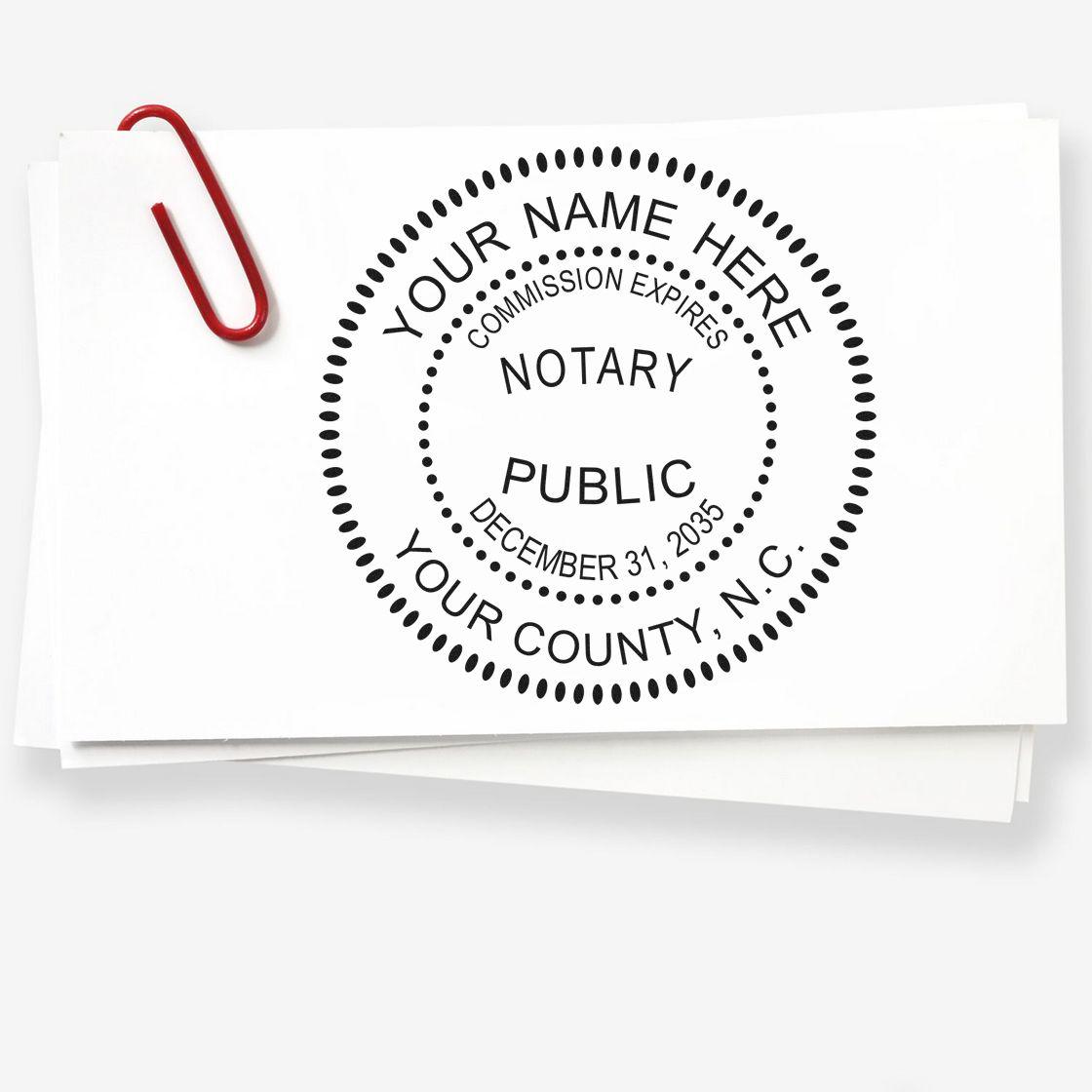
North Carolina notary seal requirements can sometimes feel confusing, especially if you have just embarked on your journey as a notary public. You may ask yourself: Which design is correct? How large should the seal be? What are the real guidelines you need to follow? In this friendly overview, you will discover everything you need to know about meeting these official requirements. By understanding the rules, exploring common mistakes, and learning handy tips, you can keep your notary commission in good standing and carry out your duties with confidence.
Embrace The Importance Of Your Notary Seal
As a notary public, you serve a vital role in verifying the authenticity of signatures, administering oaths, and preventing fraud. Your notary seal is central to these responsibilities. It is not just a rubber stamp or embossed emblem. It is an official mark that validates and confirms the authenticity of the documents you notarize. It may seem like a small item, but your seal carries legal weight. In many instances, a notarized document lacks validity if it does not have a properly applied seal. The seal indicates that you, as an impartial witness, have confirmed the signer’s identity and watched them sign or acknowledge the document. This prevents legal disputes and helps ensure all parties are protected. When you apply your seal correctly, you are upholding the trust placed in you by the state of North Carolina.
Understanding the gravity of your seal also helps you avoid careless mistakes. A faint seal impression or an unclear ink stamp could lead to questioned documents, rejections from clerks or recorders, and possibly even disciplinary action against you. By knowing the significance of a well-maintained and accurate seal, you will be more inclined to handle it with the care and respect it deserves.
Understand North Carolina Notary Seal Requirements
In North Carolina, the notary seal is more than a personal choice. It must meet specific statutory requirements. The Secretary of State provides guidelines to ensure consistency, clarity, and professionalism across all notarial acts in the state. When you become a North Carolina notary, you promise to abide by these rules. Checking that your seal follows them is essential to maintain compliance.
Below are the core aspects of the North Carolina notary seal requirements that you should keep in mind:
- The seal must clearly display your name exactly as it appears on your notary commission.
- It should contain the words “Notary Public.”
- It must include the state name, “North Carolina,” often in a circular or rectangular format.
- It must be legible and reproducible on typical paper documents.
- If you choose an inked stamp seal, the imprint should not blur or fade.
- If you choose an embosser, it should leave a raised impression that stays clearly visible.
Every detail counts. You could run into problems if your seal lacks a single required element or if the letters are so small that clerks cannot read it. When your seal is precise and aligned with these stipulations, you ensure smooth acceptance of notarized documents.
Explore Key Design And Format Guidelines
Although the Secretary of State gives room for variation in how your seal looks, maintaining a professional, easily recognizable design is crucial. Here are some design and format considerations you will want to remember:
Pick The Right Shape
In North Carolina, you will often see circular or rectangular notary seals. Circular seals are common for embossers, while rectangular seals are a favorite for ink stamps. The state does not require one specific shape over the other, so pick what feels comfortable. A circular seal fits neatly around the text, whereas a rectangle can be compact and straightforward. Whichever shape you select, be sure it accommodates all required text without crowding or shrinking letters.
Choose A Legible Font
A fancy script might look appealing, but clarity is your primary goal. A traditional serif or sans-serif font in an easily readable size is your best bet. Avoid elaborate flourishes or compressed lettering that might become illegible when stamped. Because your seal represents a formal and legal distinction, simple, professional typography is best.
Stick To The Correct Wording
To comply with North Carolina notary seal requirements, your seal wording usually includes:
- Your exact name as commissioned.
- The state name: “North Carolina.”
- The title: “Notary Public.”
It is important to match the spelling and spacing exactly as shown on your notary certificate. Any deviation could result in official documents being questioned by county offices or other recipients.
Consider Ink Color
Traditionally, ink stamps come in black or blue ink. A deep blue or black imprint is easiest to read and photocopy. Light or unusual colors can make it harder for recipients to confirm authenticity, which might lead to rejections or repeated notarizations. While bright inks look eye-catching, they often are not as reproducible or widely accepted. Think about legibility first.
Maintain Quality For Embossers
If you choose an embosser rather than an ink stamp, seek one that leaves a sharply raised impression. Over time, an inferior embosser may become misaligned or worn out. You want to ensure every page you notarize has an unmistakable mark of authenticity that is easily felt and seen if someone runs a finger over it or holds it at an angle to the light.
Know Where To Get Your Official Seal
Securing a compliant and professional seal is an important step in your notarial journey. You want a seal that will last for the duration of your commission, produce consistent imprints, and reflect your role accurately. At some point, you may wonder where to turn for a reliable provider.
This is where Acorn Stamps comes in. As a family-owned and operated business since 1964, with 60 years of service, Acorn Stamps understands the importance of delivering high-quality North Carolina notary stamps and notary seals. They have a reputation for stellar customer service and super-fast turnaround, crucial when you need your new or replacement seal quickly. Whether you prefer an inked stamp or an embosser, Acorn Stamps can guide you through the process so you receive a seal that matches every requirement. Working with a specialized provider ensures better quality control, too. Since notary seals and stamps are their expertise, you are more likely to get an item that abides by the North Carolina Secretary of State’s guidelines. If you ever question your seal’s design or want to confirm everything is correct, a reputable supplier can help you fine-tune each detail. This prevents last-minute stress when you need to notarize critical documents.
Protect And Maintain Your NC Notary Seal
Owning a notary seal involves more than ordering it one time and tossing it into a desk drawer. Proper storage and maintenance practices will help you prevent damage, ensure clear imprints, and uphold your reputation as a professional notary public.
- Keep It Secure: You are solely responsible for your seal’s use. Never let others borrow it or keep it in an easy-to-access spot. A locked cabinet or drawer is often the safest storage location. If you share office space, stay vigilant.
- Clean The Surface: If you use an ink stamp, check the stamping surface regularly for dried ink or debris. Wipe it gently with a soft cloth to maintain good ink distribution. An embosser might accumulate tiny flecks of paper. Brush them away so every impression is crisp.
- Re-Ink As Necessary: Stamps can dry out over time, leading to faint imprints. Follow the manufacturer’s instructions for refilling ink. Avoid pouring random ink brands onto the stamp, as mismatched ink formulations might clog or distort the text.
- Watch For Wear: Even high-quality embossers can slip out of alignment after repeated use. If you begin to see uneven or partial impressions, get the embosser serviced or replaced. Proper maintenance preserves the uniform look you need.
- Check Expiration: Remember that your commission has an expiration date. If you renew your notary appointment with a slightly altered name, new expiration date, or any other detail, you will need a revised seal. Mark your calendar for when to reorder.
By implementing these simple maintenance steps, you prolong the life of your seal and prevent mishaps like missed letters or ink blotches. A well-maintained seal is your badge of professionalism, signifying that you are serious about your notarial responsibilities.
Avoid Common Pitfalls And Mistakes
Even with a thorough understanding of the rules, everyday challenges can lead to errors. Being proactive about prevention is far easier than dealing with rejections or penalties later on. Here are some common pitfalls you should steer clear of:
Using An Illegible Seal
Over time, repeated stamping can wear down the letters in an ink stamp. If the text starts bleeding together or is too light, your seal loses credibility. Check occasional imprints on scrap paper to confirm clarity. When you spot issues, address them immediately.
Not Matching Your Commissioned Name
Your official commissioned name is set once you receive your certificate from the state. If you recently changed your name due to marriage, divorce, or a legal name change, you must update your notary public credentials and obtain a new seal. Using a seal with a name that no longer matches your official records is a major compliance oversight.
Forgetting The Required Text
Sometimes notaries mistakenly add extraneous or decorative phrases like “Licensed and Bonded” or “Honorable Notary.” In North Carolina, your seal’s main text should be your name, “Notary Public,” and “North Carolina.” Extra text can lead to confusion, and your seal should never omit the fundamental elements.
Stamping Over Signatures
When you apply the seal to a document, avoid placing it directly on top of a signature or overlapping essential text. The seal must be entirely readable, and so should the signature and any important wording. If your seal covers up part of the signer’s name, the document may be harder to authenticate.
Neglecting Records Of Notarial Acts
Although keeping a journal is not mandatory for all notarial acts in North Carolina, many notaries do so to protect themselves. You protect your seal by ensuring you have a record of each time and place you used it. This reduces the chance of unauthorized or fraudulent use in your name.
Stay Up To Date With Guidelines
Notary laws can evolve. Even though the fundamentals of the notary seal have remained consistent for some time in North Carolina, you want to remain aware of any changes to the notary code or administrative rules. If new requirements emerge, it is your responsibility to adjust your seal and practices accordingly.
You might receive newsletters or updates from the North Carolina Secretary of State. These bulletins can highlight changes in design guidelines, official wording, or even acceptance of electronic seals. The notary community often shares updates, too, so connecting with local professional groups can keep you informed. Remember that your notary commission is valid for a limited term. When you renew, the Secretary of State’s guidance may have changed since the last time you ordered a seal. Mark your calendar to review current regulations before you reorder. If you are unsure, a reputable supplier like Acorn Stamps can coach you through any new specifications. Staying current on the rules does more than keep you compliant, it also shows clients that you are dedicated to performing your duties with integrity. People rely on you to authenticate their documents. Demonstrating that you follow every requirement, old and new, reinforces trust in your role.
5 FAQs About North Carolina Notary Seals
Is It A Requirement To Use Both A Stamp And An Embosser?
In North Carolina, you can choose either a stamping device (ink stamp) or an embossing seal. You do not need both. Each type is perfectly valid as long as it meets the state’s guidelines. Some notaries opt for both, using the embosser for tradition and the stamp for clarity, but that is a personal preference rather than a legal mandate.
What Happens If My Stamp Or Embosser Wears Out Mid-Commission?
If your notary seal starts leaving faint or distorted imprints, it is time to replace or repair it. You do not want to risk invalidating documents with an unreadable seal. Reach out to a trusted seal supplier as soon as you notice any reduction in quality. This keeps your work consistent and prevents potential challenges.
Can I Decorate My Seal With Additional Artwork?
While a bit of personalization might look appealing, your seal must remain highly legible, reproducible, and within the scope of state requirements. Adding extra designs or elaborate elements could reduce clarity and risk noncompliance. The simpler and cleaner the seal, the more confidently it will be accepted.
When Should I Order A Replacement Notary Seal?
If your commission information has changed, you have legally updated your name, or your seal is no longer in good working condition, you should order a replacement right away. Also, if your commission is up for renewal, confirm that your existing seal still matches every legal detail. It is generally wise to reorder a fresh seal at the start of each new commission term to ensure accuracy.
Where Can I Find A Trustworthy Supplier For A North Carolina Seal?
A reputable notary supply company helps you meet precise state guidelines and offers products that last. Acorn Stamps stands out as a top provider of notary stamps and seals for North Carolina. They have been family-owned and operated since 1964, providing 60 years of quality products, stellar customer support, and super-fast turnaround. Working with an experienced supplier gives you peace of mind that your seal is correct from day one.
By following North Carolina notary seal requirements and keeping your seal in top shape, you uphold the legal integrity of every document you notarize. Your seal reflects your dedication to serving the public with honesty and skill. When you remain compliant, you foster trust and confidence among the individuals and organizations who rely on you.
In your role as a North Carolina notary public, you hold a position of responsibility and respect. By paying attention to detail, choosing the best seal for your commission, and staying alert to any regulatory updates, you protect yourself and the public you serve. With the right seal in hand and a thorough understanding of the rules, you will be ready to perform notarial acts proudly and professionally every single day.