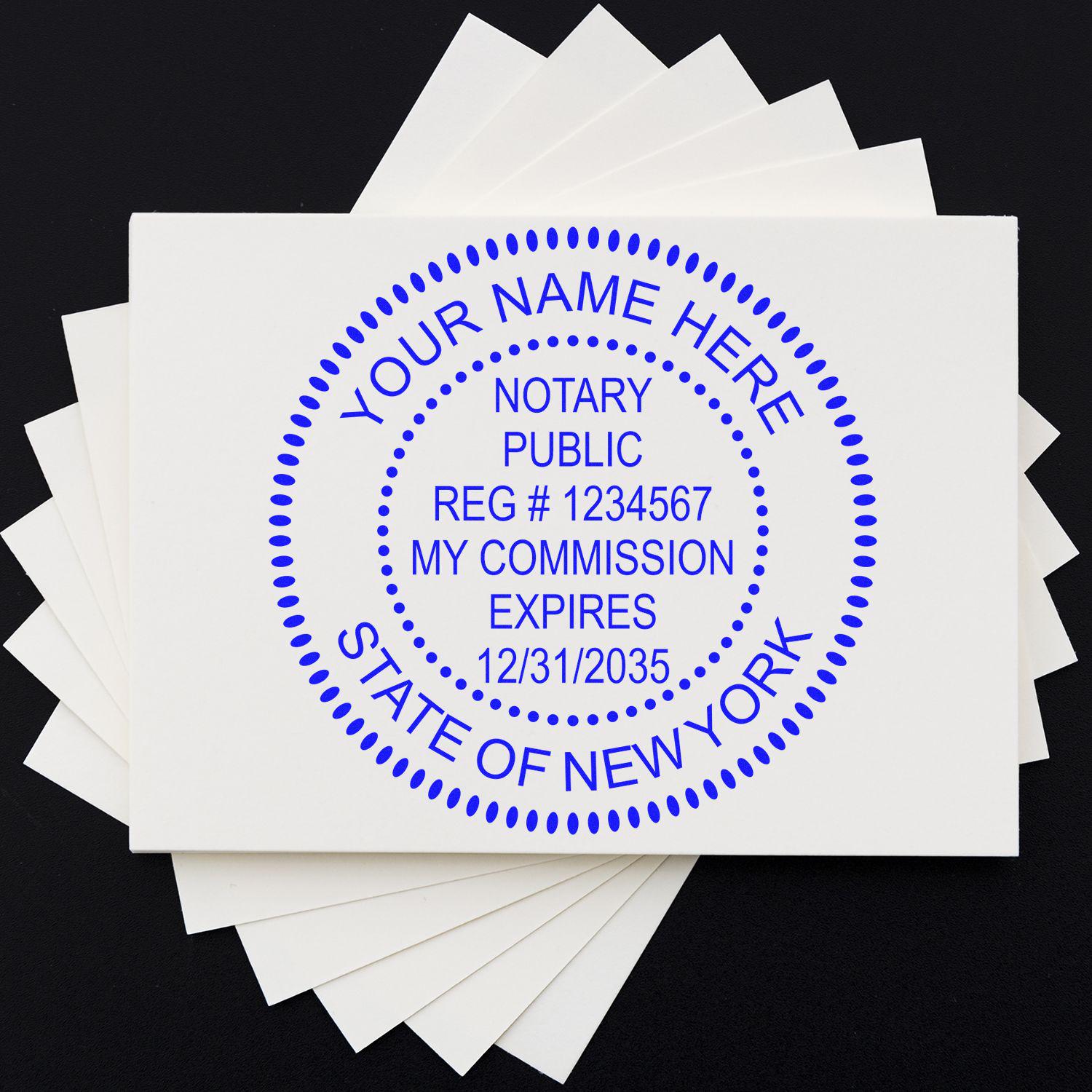
Finding the perfect New York notary seal can feel overwhelming at first. With so many styles, shapes, and customization options out there, you want to make sure you pick the ideal seal to reflect your professionalism and meet all legal standards. Whether you are just starting out as a New York Notary Public or looking to update your current seal, understanding the different requirements and available products is the best first step. Here, you will discover important details about choosing, designing, and caring for a New York notary seal that helps you do your job confidently.
From the wording on your imprint to the materials used in its construction, each factor impacts how smoothly your day-to-day notarial tasks go. You will also learn how you can conveniently shop for your seal, what to look for when comparing vendors, and why Acorn Stamps may be the perfect place to purchase your next New York notary seal and other related supplies. By the end, you will be equipped with clear tips on customizing your seal so it works optimally with your documents and holds up over time.
Understand New York Notary Seal Basics
A notary seal is more than just a decorative piece. Legally, it symbolizes your authority as a commissioned notary public. In New York, every official notarization generally includes your signature, the date, and your notary stamp or embosser. This impression or stamp authenticates the document and reassures anyone reading or requiring the record that your license is active and valid.When someone sees your New York notary seal, it should provide these key details:
- Your name as commissioned.
- The words “Notary Public” and “State of New York.”
- Your commission expiration date, if you choose to include that.
In many cases, your seal is also an indirect form of branding, reflecting your attention to detail. A well-crafted seal with crisp text and a durable design ensures each notarization is professional. Given this level of importance, it makes sense to research your options. You want a tool that stands the test of time, leaves a clear impression, and is easy to use day after day.
Know Standard Requirements
As you explore options for your New York notary seal, it is beneficial to familiarize yourself with existing rules that apply to the state. Although the official guidelines do not require a seal to be used in all situations, it is highly recommended. Here are a few rules and considerations to keep in mind:
- Identification Clarity
Your seal should clearly indicate that you are a notary public. The text needs to be legible, so it is easy to interpret when you stamp or emboss a document. Any inaccurate information on your seal (such as a misspelling) could call your notarization into question.
- Legal Compliance
Some states specify the shape and size of the seal, as well as wording. New York does not currently dictate the exact design (round, rectangular, or embossed), but you should ensure any optional features do not obscure the required text.
- Sample Impressions
Notaries often keep a sample stamp or imprint on file. You may want to practice stamping so you are familiar with how much pressure is required for a crisp impression—whether you use an inked stamp or embosser.By understanding these basic requirements, you can focus on picking a seal that is fully compliant while reflecting your personal preferences.
Select the Right Seal Type
One of the biggest decisions you face is selecting the type of seal that best suits your working style. You will typically have three main options:
Traditional Rubber Stamps vs. Self-Inking Seals
A traditional rubber stamp typically requires a separate ink pad. You press the stamp onto the pad, then apply it to your document. This option is often cost-effective and can easily be replaced if it wears out. However, you need to keep track of your ink pad, make sure it is not dried out, and store it properly so it does not stain other items in your workspace.
Self-inking seals provide a more streamlined experience. The stamp mechanism is built with an internal ink pad that re-inks the die after each impression. This means you do not have to handle a separate pad or worry about accidental ink smudges on your desk. Self-inking seals are simple to use, create consistent imprints, and are typically easier to transport.
If you handle a high volume of notarizations each day, a self-inking seal might save you time in the long run. On the other hand, if you only notarize occasionally and do not mind fussing with an ink pad, a traditional stamp could be perfectly adequate.
Considering Embossers
Embossers physically crimp the paper, creating a raised impression that you can feel. Many notaries enjoy the timeless look of an embossed seal, especially for formal occasions like real estate documents or corporate paperwork. Embossers come in handheld or desk models. Handheld versions are usually smaller and more portable, while desk embossers can offer better leverage for crisp, deep impressions.
Though embossers are elegant and long-lasting, they can be more challenging to read if the paper is thin or the lighting is poor. Some notaries choose to use an inked embosser insert or apply a bit of stamping ink if the raised seal must be photocopied or scanned. If you value tradition and a tactile finish, an embosser might be the best choice. Just remember that adding an embossed stamp can require more effort and may not always be as visible on digital copies.
Consider Design and Customization
Your New York notary seal can be a reflection of your style and attention to detail. While there are standard texts and formats you must include, you may choose different design elements or layouts within legal guidelines. Here are key points to consider:
Seal Layout Essentials
The physical imprint of your seal is usually circular or rectangular. Some find a circular seal to be more traditional, while others prefer the clean lines of a rectangular stamp. Whichever shape you choose, you want a design that centers key information so none of the text is cramped or cut off. If possible, preview a digital mockup of your seal before you finalize your purchase.
Text and Font Choices
Make sure the font is professional and easy to read. Script fonts or intricate typefaces may look artistic, but they sometimes result in illegible impressions. Also be mindful of font size, because the final impression should be large enough to read without overshadowing your own signature on a document.
You might also want to include your commission expiration date. While not strictly mandatory, this detail can be convenient for the parties involved, letting them see at a glance that you are actively commissioned. Including the county where you are commissioned can also help anyone further verify your credentials.
Shop with Confidence
Once you know what kind of seal you want and how you would like it customized, the next step is shopping. Here are a few factors to consider when browsing different suppliers:
- Reputation and Reviews
Look for a seller known for producing high-quality New York notary seals that meet all legal requirements. You may also want to read reviews from other notaries who have purchased stamps or embossers so you can see how the products hold up over time.
- Product Variety
Whether you lean toward self-inking stamps, traditional stamps, or embossers, you will find it more convenient if the supplier offers a variety of options in one place. This way, you can compare product details without bouncing from one store to another.
- Turnaround Time
Many new notaries are eager to start working quickly, so you probably want your seal in hand sooner rather than later. If the supplier has a long processing or shipping window, that could delay your ability to perform critical notarial acts.
- Customer Service
You want clear, prompt communication if you have questions about your seal’s custom design. A helpful customer service team can answer your questions, offer suggestions, or expedite shipping if you need your seal urgently.
- Return and Replacement Policy
Mistakes sometimes happen. Maybe you discover a spelling error or you prefer a different size after using your stamp. Make sure your supplier has a fair return policy or is open to making corrections. With these points in mind, you will be well-positioned to shop confidently and pick a seal that suits your style, budget, and expected workflow.
Why Choose Acorn Stamps
When it comes to finding a top supplier of New York notary stamps and New York notary seals, Acorn Stamps is a standout choice. Family owned and operated since 1964, the company brings over 60 years of experience in providing quality stamps, embossers, and other notary essentials. You will discover a wide range of design options, from traditional handles to sleek self-inking mechanisms, all carefully crafted to align with New York’s requirements.Acorn Stamps is also known for:
- Stellar Customer Service
Attentive, friendly, and responsive. You can reach out with questions or special requests, and you will get the support you need.
- Super Fast Turnaround
The speed of production and shipping ensures you do not have to wait weeks to receive your seal. This is especially important when you have immediate notarial responsibilities.
- Commitment to Quality
The materials, ink quality, and overall construction reflect the company’s dedication to making products that last.
- Customization Options
From choosing the style of your stamp or embosser to finalizing text placement, you can personalize your seal so it reflects your name, position, and expiration date accurately.
By choosing Acorn Stamps, you get the satisfaction of supporting a long-standing family business that genuinely cares about helping New York notaries perform their official duties with confidence and professionalism.
FAQs
Below are five common questions that come up when you shop for a New York notary seal. Reviewing these can help you make an informed decision when selecting your next stamp or embosser.
How Soon Should I Replace My Notary Seal?
You can continue using your seal as long as the impression remains crisp, legible, and up to date. When you renew your notary commission, it is a good idea to either replace or update your seal if the text includes your old expiration date. Also, if your stamp stops producing clear impressions, or you change your name, purchase a new seal promptly.
Can I Use a Digital Notary Seal in New York?
Electronic notarization is permissible in many scenarios, but not all. New York has introduced policies allowing for remote online notarization, but you still need a physical seal for traditional in-person notarizations. Before you decide to go fully digital, be sure you are aware of the latest regulations regarding remote and electronic notarizations.
What Ink Color Is Required for My Notary Stamp?
New York does not require a specific ink color, but black or blue ink is most common because it is easily recognizable on official documents. Some notaries opt for more unique colors if the legal venire allows, though it is typically safer to stick with a professional ink color that is commonly accepted.
Which Is Better: An Embosser or a Rubber Stamp?
The choice between an embosser and a rubber stamp is mostly personal preference. Embossers give a classic, raised impression, but they can be harder to read on photocopies. Ink stamps are clearly visible, fast to use, and easily legible on copies or scans. Many notaries opt to have both on hand so they can cover all scenarios.
Is There a Filing Requirement for My New York Notary Seal?
In most cases, you do not need to file your seal impression with a county clerk’s office in New York. However, retaining a sample of your stamp or embosser is helpful for your own records. Always keep in mind that rules can change, so you may want to confirm with the Secretary of State or your county clerk for the most accurate, up-to-date information.
Picking out the perfect seal is part of your commitment to professionalism as a commissioned notary public. Whether you prefer a self-inking stamp or a classic embosser, you should feel proud of how your seal performs. With a bit of planning, an eye for quality, and a vendor you trust, you will secure a reliable tool that officially represents you on every notarized document.