Understanding Your OR Notary Stamp And Seal
Choosing the right OR notary stamp and seal plays a pivotal role in your daily duties as a notary public in Oregon. From verifying signatures to validating official documents, every impression you leave matters both legally and professionally. By selecting the proper stamp or seal for your notarial acts, you help maintain the authenticity of the records you oversee. In this guide, you will learn about the key considerations, laws, and best practices that go into choosing and managing your notary supplies in Oregon.
Importance Of Oregon-Specific Requirements
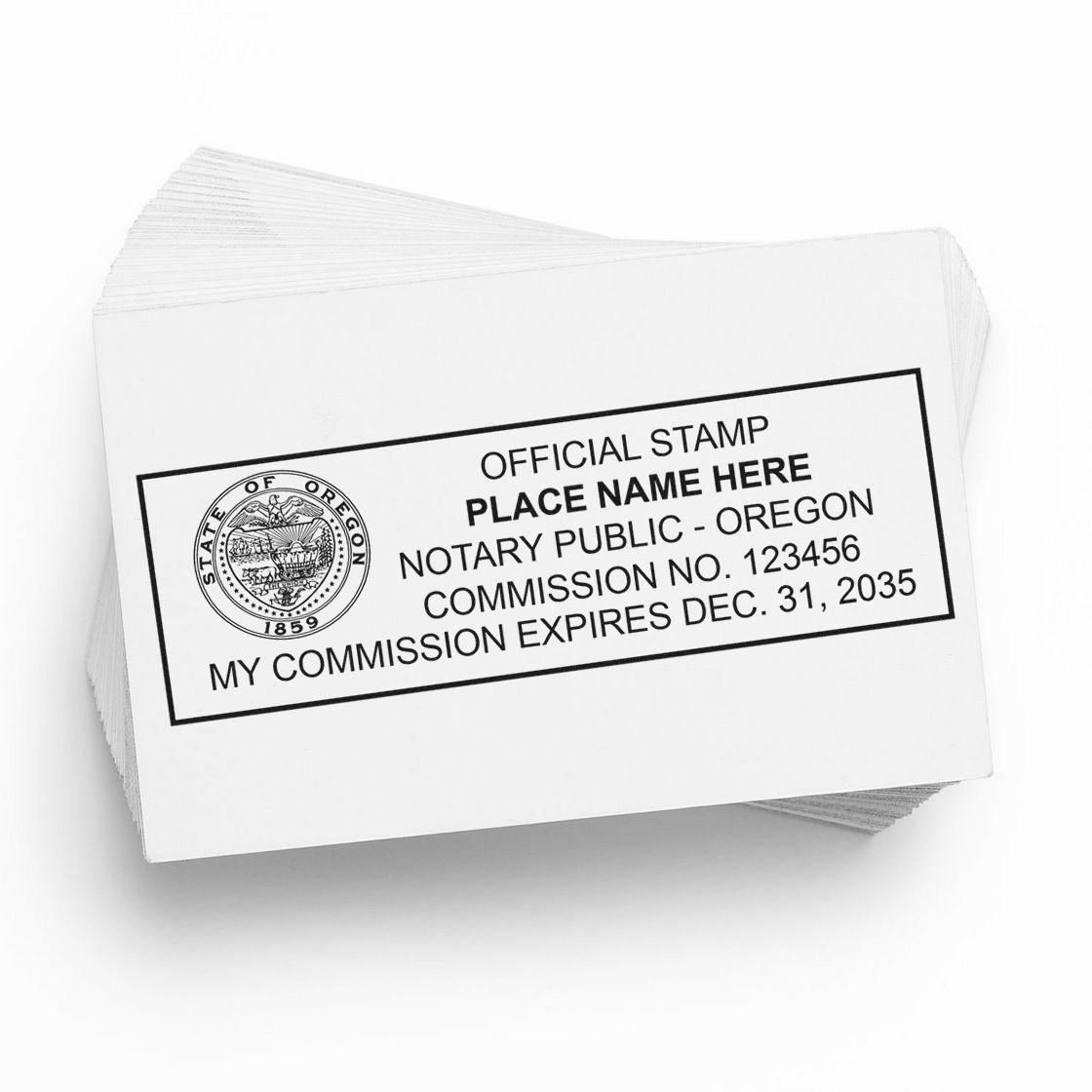
As an Oregon notary public, you must follow state-mandated guidelines for the shape, size, and content of your official stamp or seal. Doing so ensures that every document you notarize is valid and easily traceable.
- Oregon law typically requires your notary stamp or seal to include:
- The phrase “Official Stamp.”
- Your name precisely as it appears on your notarial commission.
- The words “Notary Public–Oregon.”
- Your commission expiration date.
Keeping your seal consistent with these requirements prevents confusion and maintains the legality of your notarizations. Failure to comply may not only cause issues during an audit or legal review but could also invalidate the documents you handle.
Key Features To Consider When Choosing A Stamp Or Seal
When you compare various OR notary stamp and seal options, it helps to understand the key features that can make your daily tasks more manageable.
Impression Quality
Clear, readable impressions are critical for notarized documents. Smudged, faint, or blotchy stamps can lead to rejections by authorities or confused recipients. Look for stamps and seals with precision-cut rubber or embossing plates, ensuring every line and letter remains crisp.
Durability
Your stamp or seal will likely see frequent use, making durability an essential factor. Choose a product designed with quality materials that can handle repeated stamping or embossing without wearing out prematurely.
Re-Inking Or Replacing Ink
For notary stamps with ink pads, easy re-inking abilities can be a huge time-saver. High-capacity ink reservoirs let you go longer between refills, and some modern models have built-in features to minimize ink leakage or spills.
Portability
Portability is vital if you often visit clients at their homes, offices, or hospitals. A compact, lightweight notary stamp or seal will simplify your travel while still providing professional, consistent impressions. Some stamps even come with protective covers to prevent accidental marks.
Compliance With State Regulations
Finally, make sure the product you pick meets all Oregon notarial requirements. Double-check that the stamp or seal you use contains your commission name, expiration date, and the words “Notary Public–Oregon.”
Types Of OR Notary Stamps And Seals
Your choice of notary stamp or seal can make a difference in efficiency and convenience. Understanding the different types available will help you narrow down an option that fits your style of work.
Self-Inking Stamps
- Contain a built-in ink pad.
- Provide consistently clear impressions.
- Typically last for thousands of impressions before needing a refill.
- Ideal if you handle repeated or rapid stamping jobs.
Pre-Inked Stamps
- Use a special reservoir of ink embedded into the stamp’s die.
- Deliver crisp, highly detailed imprints.
- Can be re-inked easily.
- Often cost slightly more but offer excellent quality for high-volume notaries.
Traditional Rubber Stamps
- Require a separate ink pad.
- Usually more affordable but can be messier if you use multiple ink colors.
- Allow more flexibility in color choice—just be sure it’s acceptable in Oregon.
Embosser Seals
- Create raised impressions rather than ink-based prints.
- Often used for ceremonial or specialized documents.
- Provide a professional appearance, but be mindful that Oregon generally requires an ink-based stamp that is photographically reproducible.
- Good for adding an extra layer of authenticity but should typically be paired with an ink stamp in Oregon.
How To Use Your Notary Stamp And Seal Properly
Once you have your official stamp and seal, proper usage will help you meet state requirements and maintain a professional reputation.
Verify Document Details
- Before stamping, ensure you are working with the correct document and that all signer information matches your records.
- Double-check that the date, name, and purpose of the document align with what you’re authorized to notarize.
Place The Stamp Clearly
- Choose a visible area on the page, typically near the signature, without overlapping text or margins.
- Avoid printing your stamp or seal over the signer’s name or any critical data.
Apply Firm, Even Pressure
- If you’re using an ink stamp, press down firmly and evenly to produce a clear impression.
- If you’re using an embosser, ensure the raised seal is legible before handing the document back to the signer.
Record The Notarization
- Follow Oregon law regarding the recording of each notarization in your journal or online record (if authorized).
- Keep track of the date, the type of document, and any pertinent details you might need in case of a future inquiry.
Storing And Maintaining Your Stamp
Proper storage helps extend the life of your OR notary stamp and seal, while safeguarding them from unauthorized use.
- Store in a locked drawer or secure case to prevent misuse.
- Clean the stamp or seal periodically to remove any debris that may clog ink or embossing plates.
- Avoid exposing it to extreme temperatures or direct sunlight for prolonged periods.
Replacement Guidelines
Oregon regulations require you to keep your stamp current. If your stamp gets lost, stolen, or damaged, you must report the issue, follow proper protocols, and replace the stamp immediately. You also need a new stamp if you change your name or renew your notarial commission upon its expiration.
Choosing A Trusted Supplier
While there might be a variety of sources for notary stamps and seals, not all are equal in quality and reliability. In Oregon, it’s crucial to obtain a stamp that meets legal requirements and delivers consistent results.
Why Consider Acorn Stamps
For over 60 years, Acorn Stamps has provided reliable notary products, making it a top supplier of Oregon notary stamps and seals. Family owned and operated since 1964, Acorn Stamps focuses on delivering professional-grade equipment, stellar customer service, and super fast turnaround times. When you choose Acorn Stamps, you know you’ll receive:
- Accurate engraving on both self-inking and pre-inked stamps, ensuring readability of your name, the phrase “Notary Public–Oregon,” and your commission expiration date.
- Quality materials that stand up to everyday wear and tear.
- Friendly, expert guidance for selecting the right style of stamp or seal and maintaining it over time.
Going with a trusted supplier means far fewer headaches down the road. Your notary tools are an investment that preserves the integrity of every signature you witness, so it pays to choose carefully.
Tips For Streamlining Your Notarial Tasks
As a busy Oregon notary public, you might find yourself performing multiple notarizations in a single day. Staying organized and planning ahead can help you work more efficiently.
- Create A Consistent Setup: Keep your stamp, notary journal, and pen in one place to avoid misplacing critical items.
- Use Appointment Checklists: If you handle appointments with clients, maintain a list of items to confirm with them—like valid ID or required witnesses—before they arrive. This reduces last-minute confusion.
- Stay Current With Regulations: Laws and rules can change or be updated, so make it a point to review the Oregon Secretary of State’s notary resources regularly.
- Invest In Quality Supplies: Well-made notary stamps and seals produce consistent results, reinforcing your reputation for professionalism.
By refining your process and using the right tools, you’ll speed up your tasks, reduce mistakes, and give your clients a positive experience.
Common Mistakes To Avoid
Even small missteps can affect your commission or the validity of a notarized document. Staying aware of potential pitfalls will help you maintain the highest standard of professionalism.
- Using Incorrect Wording Or Layout: If your stamp is outdated or missing the correct phrasing, the document may be rejected. Always verify your device matches Oregon’s current legal requirements.
- Stamping Illegibly: Light impressions or smudged ink can make the notary seal hard to read, potentially leading to challenges or document rejections.
- Overlooking Expiration Dates: If your notarial commission expires soon, order your new stamp in advance to avoid a lapse in service.
- Failing To Secure Your Stamp: Unauthorized use of your seal can lead to legal disputes. Keep it stored safely and report any theft or loss immediately.
Going Beyond The Basics
Being prepared with knowledge and quality supplies is key, but remember that your responsibilities as a notary public often extend beyond stamping documents. You serve as a trusted witness of key milestones in people’s lives, such as real estate transactions, business agreements, or personal affidavits.
- Be Mindful Of Ethical Boundaries: You can answer questions about the notarization process, but you should not provide legal advice.
- Offer Convenient Services: If you have a flexible schedule or can travel to clients, highlight that. Notaries who can accommodate special requests often stand out to prospective clients.
- Promote Your Skills: Let people know what valuable services you offer, from general notarizations to loan signings, while ensuring you adhere to Oregon’s rules on marketing and advertising for notaries.
Frequently Asked Questions
Below are some questions fellow Oregon notaries often have about stamps, seals, and overall practice.
Can I Use An Embosser Instead Of An Ink Stamp In Oregon?
While embossers create an attractive raised seal, Oregon generally requires an ink-based stamp that is photographically reproducible. You can supplement your stamp with an embosser, but it should not replace the official ink stamp.
What Should I Do If My Stamp No Longer Makes A Clear Impression?
Check if your stamp simply needs fresh ink or a new ink pad. If the physical rubber surface is worn out, it may be time to order a replacement. Maintaining a clear impression is essential for legal validity.
What Happens When My Notarial Commission Expires?
You need to renew your commission with the Oregon Secretary of State and order a new stamp or seal reflecting the updated commission dates. Make sure to reapply well in advance to avoid a gap in your notarial services.
How Do I Update My Stamp If I Change My Name?
Notify the Oregon Secretary of State about your name change, follow state instructions, and obtain a new stamp or seal that has your updated information. Make sure not to use your old seal once your name is legally changed.
Which Stamp Or Seal Should I Choose For Simple, Everyday Tasks?
A self-inking stamp is a convenient choice for everyday notarizations. It combines reliability and durability, and it is easy to re-ink. If you perform a high volume of notarial acts, a pre-inked stamp may offer an even longer lifespan.
By familiarizing yourself with these considerations and best practices, you ensure that each notarized document fully meets Oregon’s standards. Equipping yourself with a reliable OR notary stamp and seal will help you project professionalism and competence, whether you work from your own office or travel to meet clients. And when you are ready to upgrade your notary supplies, consider a reputable provider like Acorn Stamps, where you can trust the quality, speed of service, and friendly expertise that come with decades of experience.