Uncover New Hampshire Notary Basics
If you are ready to become a notary in New Hampshire, you have likely encountered various rules, regulations, and questions about the process. Meeting these New Hampshire notary requirements is essential for serving your community and upholding the state’s legal system. As a notary, you will verify identities, witness document signings, and ensure that legal documents carry genuine signatures. Understanding your responsibilities, knowing how to maintain your commission, and gathering the proper tools will put you on the right path toward a successful notarial career.
Most importantly, you must meet the state’s eligibility criteria, complete the application steps, and make sure that you comply with the day-to-day requirements of a commissioned notary public. In the sections below, you will discover the ins and outs of becoming and staying a notary in New Hampshire. From the initial application to the best ways to maintain clear records, each tip is designed to help you navigate the notary landscape with confidence.
Check Eligibility Criteria
Before you dive too deeply into the notary application process, it is wise to confirm that you meet the New Hampshire notary requirements. If you are aware of these basic prerequisites, you can save yourself time and effort. While the details might vary slightly over time, here are the eligibility standards you will generally need to meet:
- You must be at least 18 years old.
- You must be a resident of New Hampshire or have a place of employment or practice within the state.
- You need to demonstrate good moral character (e.g., no major criminal convictions).
- You must be able to read, write, and speak English.
Once you have confirmed that you fulfill these core requirements, the next step will be to gather the documentation you need and submit your application to the appropriate authorities.
Double-Check for Changes
The notary field is governed by state law, so it can change over time. You will want to stay informed about any legislative updates or administrative rule changes that might affect your qualifications. Keeping a close eye on these changes helps you avoid unpleasant surprises. Whenever possible, consult the official New Hampshire Secretary of State’s website or other state resources for any updates about eligibility, fees, or guidelines.
Complete Application Steps
Applying for a New Hampshire notary commission typically includes a few important steps. Although the specific forms and requirements can vary slightly, here is the general process to guide you:
- Fill Out the Application
Obtain an official notary application from the New Hampshire Secretary of State’s office. Make sure to read the form thoroughly before you begin filling it out. You will likely need to provide personal information, including your full legal name, address, and proof of residency or employment within the state.
- Obtain Endorsements
In many cases, you are required to secure endorsements or references from reputable individuals who can vouch for your character. This might include community leaders or coworkers who can attest to your integrity and professionalism.
- Submit Fees and Paperwork
Once your application is complete, submit any required paperwork and pay any applicable fees. The fees typically cover the cost of applying for and receiving your commission. Keep your receipts and payment confirmations for your personal records.
- Await Confirmation
After the state reviews your application, it will notify you of the status of your commission. If approved, you will receive your notary commission certificate, which officially grants you the authority to notarize documents in New Hampshire.
- Take the Oath
Depending on your county or municipality, you may be required to take an oath of office. This is your pledge to fulfill your duties responsibly and ethically. Make sure to follow any instructions provided about the venue or administrator for the oath.
Gather Essential Notary Tools
Obtaining the right supplies not only fulfills key New Hampshire notary requirements but also helps you work more efficiently. While you might be tempted to skimp on quality, investing in reliable tools will make your job much smoother. These items generally include:
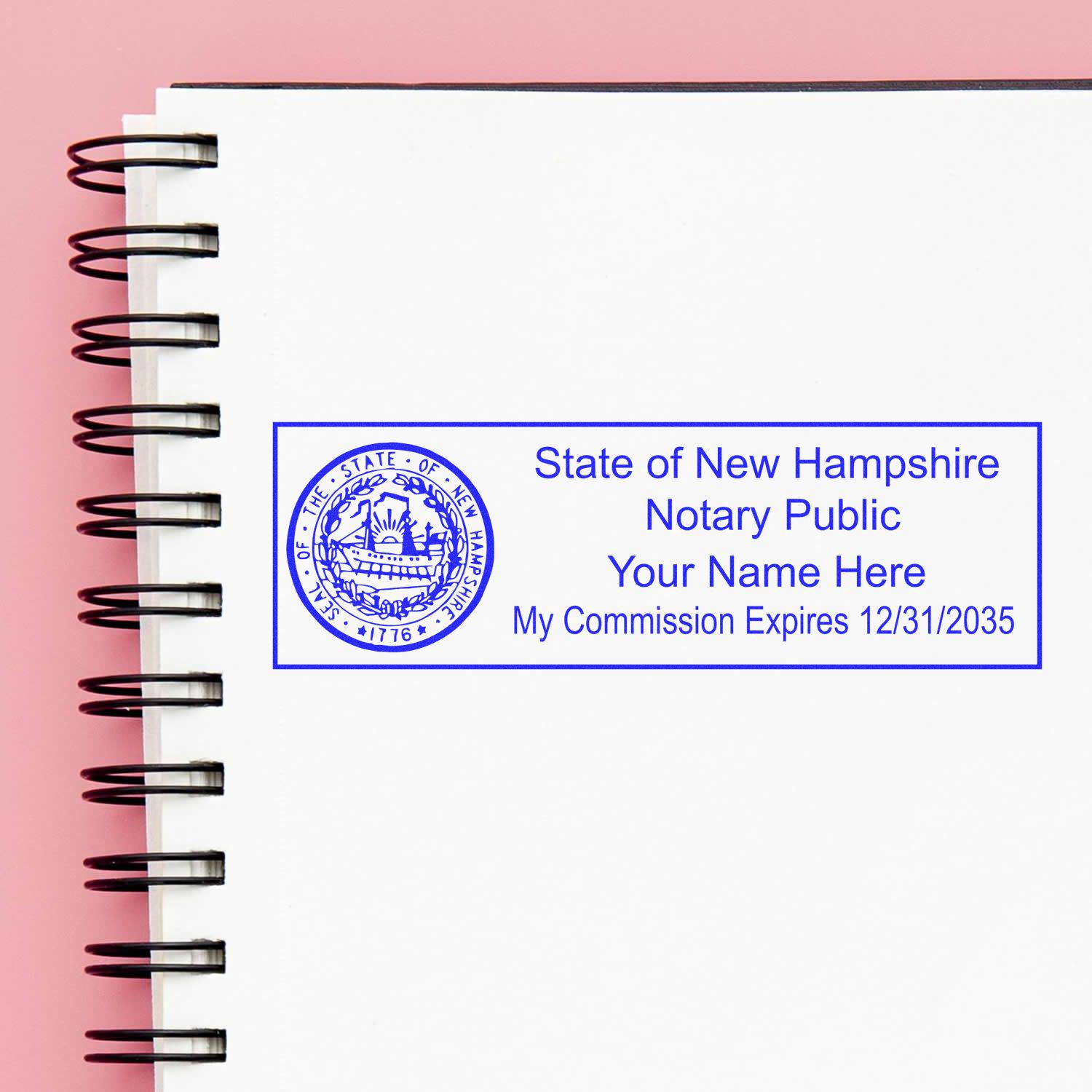
- New Hampshire Notary Stamp: This stamp should comply with state regulations, including any size and layout requirements. It must clearly display your name, the words “Notary Public” or similar text required by the state, and the expiration date of your commission (if applicable).
- New Hampshire Notary Seal: Some documents require an embossed seal. Although an ink stamp is typically sufficient, it is often recommended to have an embosser if you handle documents that specifically call for embossed certification.
- Notary Journal: Maintaining accurate records of your notarial acts is a must. A sturdy, well-organized journal helps you keep track of dates, signatures, and other relevant details. This protects you and the signer if any disputes arise in the future.
Purchasing From a Trusted Source
When you are ready to purchase your supplies, consider working with a reputable vendor that understands all of the requirements for New Hampshire notaries. For example, Acorn Stamps is a top supplier of new hampshire notary stamps and new hampshire notary seals, known for stellar customer service and super fast turnaround. Family owned and operated since 1964, Acorn Stamps has 60 years of experience in helping notaries like you find exactly what they need. Opting for a trusted supplier ensures that your stamp and seal comply with state regulations and provide reliable impressions for years to come.
Fulfill Your Notary Duties
Once commissioned, your duties as a New Hampshire notary public extend beyond simply stamping documents. Your primary responsibility is to act as an impartial witness to official transactions, but you may oversee a wide variety of tasks, such as:
- Acknowledgments: Verifying that signers understand the document they are signing and are doing so willingly.
- Oaths and Affirmations: Administering legally binding promises, such as sworn statements, affidavits, or depositions.
- Jurat Certifications: Confirming that the signer appeared before you in person and confirmed that they signed under penalty of perjury.
- Copy Certifications: In some states, notaries can certify that a copy of a document is a true and accurate representation of the original. (Always double-check whether New Hampshire specifically allows the notarization of certified copies.)
Maintaining Impartiality
In addition to enabling official transactions, serving as a notary public involves abiding by ethical standards. One of the most crucial standards is impartiality. You must not show favoritism or allow personal interests to interfere with your official acts. For instance, avoid notarizing any documents when you have a direct financial or personal interest in the transaction or if you are related to the signer (unless state guidelines allow it).
Keep Accurate Notary Records
Keeping a journal or record book of your notarial acts is not only a good idea, it is often required by law and is a key aspect of New Hampshire notary requirements. By meticulously logging each notarization, you protect yourself against potential legal challenges. If a signer later questions whether you followed the correct procedure, your journal entries can provide crucial details. When maintaining a notary journal, include:
- The date and time of the notarization.
- The type of document being signed.
- The name and address of the signer.
- The type of identification the signer provided.
- The date your commission expires.
- Any pertinent notes that clarify unusual circumstances or relevant details about the transaction.
Safeguarding Confidential Information
Confidentiality is a cornerstone of your professional duties. While you must record the necessary details about each notarial act, remain cautious about sharing or displaying private information. The journal should be stored in a secure, locked place, and you should never give others unauthorized access to it. This approach preserves trust in the notarial process and keeps your clients’ sensitive details protected.
Renew Your Commission Promptly
A notary commission in New Hampshire does not last forever. Typically, each commission is valid for a set number of years. You must apply for renewal before your current term expires to ensure uninterrupted service. The renewal process often mirrors the initial application, though it might be simplified in certain aspects. Here is what to keep in mind:
- Track Your Expiration: Mark your calendar well in advance of your commission’s expiration date. Many notaries find it helpful to set at least two reminders, such as three months prior and one month prior, to avoid lapses.
- Complete Necessary Forms: Check if the state has updated renewal forms. If so, fill them out carefully, ensuring that all information is accurate and up to date.
- Pay Applicable Fees: Renewal fees generally apply, so budget ahead for these expenses. Paying these dues on time helps you sidestep unnecessary delays.
- Update Your Supplies: Once you have renewed, confirm if you need to purchase a new stamp or seal that reflects your updated commission expiration date.
Avoiding Commission Lapses
If you fail to renew your commission before it expires, you lose your notarial authority, meaning you cannot perform any notarial acts until you renew or reapply. This lapse can result in costly delays if not managed properly. Keeping track of your expiration timeline will help you avoid disruptions.
Avoid Common Notary Pitfalls
Even experienced notaries can run into trouble if they overlook basic precautions. To maintain credibility and ensure you continually meet New Hampshire notary requirements, watch out for these common pitfalls:
- Not Checking ID Properly: Failing to verify a signer’s identity can invalidate the notarization and expose you to legal risk.
- Using Expired or Incorrect Supplies: An expired commission stamp or seal might render the notarization invalid. Always ensure your tools are up to date and meet state guidelines.
- Not Keeping a Journal: Inadequate recordkeeping can cause problems if a notarization is disputed. Keep thorough, timely records in a dedicated journal.
- Exceeding Your Authority: Offering legal advice or drafting legal documents oversteps your role. If someone needs legal guidance, direct them to a licensed attorney.
- Ignoring State Law Changes: Regulations around notarization can evolve. Staying informed about the latest updates helps you keep your practices current.
Taking the time to avoid these errors will strengthen your integrity and credibility as a notary public. By carefully adhering to the rules, you not only safeguard your commission, but also enhance trust with your clients and community.
Choose Acorn Stamps
When you are ready to purchase your New Hampshire notary supplies or renew your existing toolkit, you will want a provider that knows the ins and outs of the notary world. Acorn Stamps has spent 60 years earning the trust of notaries throughout the country. Family owned and operated since 1964, the team at Acorn Stamps is proud to offer:
- New Hampshire-Compliant Products: From stamps to embossers, you can be confident that your supplies meet official requirements.
- Stellar Customer Service: Whether you have a question about your order or need advice on choosing the right seal, the experts at Acorn Stamps are always ready to help.
- Super Fast Turnaround: In the notary business, every day counts. Acorn Stamps focuses on minimizing delivery times so you can start using your new or updated tools as soon as possible.
- Quality Craftsmanship: Your stamp and seal need to be durable enough to withstand frequent use. With Acorn Stamps, you can expect consistent, professional impressions every time.
Choosing reliable, high-quality supplies is a vital step in safeguarding your reputation as a notary. After all, blurry stamps or incomplete seal impressions can call your credibility into question. With Acorn Stamps, you will have well-made tools that deliver clear, compliant markings on every document.
Frequently Asked Questions
Below are answers to some of the most common questions about New Hampshire notary requirements. These quick clarifications can shed light on many of the concerns you might have as you move forward in your notarial career.
How Long Does a New Hampshire Notary Commission Last?
A notary commission in New Hampshire typically remains valid for five years. You should begin the renewal process before your expiration date to ensure that there is no gap in your notarial authority.
Are Online Notarizations Allowed in New Hampshire?
The state has guidelines that allow for remote notarizations under certain conditions. Always verify the latest information from the New Hampshire Secretary of State’s office, as policies on electronic or remote notarization can vary and may be subject to change.
Why Do I Need a Notary Seal and a Stamp?
Certain documents might specifically require a seal, while others accept either a stamp or a seal. Having both gives you maximum flexibility and ensures that you can notarize any document that meets all the other criteria.
Do I Need to Retain Copies of Documents I Notarize?
Typically, you do not have to keep a copy of the signed documents themselves. However, you must keep a detailed record of each notarization, usually in a journal, which includes pertinent details like date, type of document, and signer’s identification.
What If I Make a Mistake on a Notarized Document?
If it is an error on the certificate, you may be able to correct or reissue the notarial certificate if the signer is still available and the issuing authority allows it. For more complicated errors, you might need to contact the Secretary of State's office for guidance. Keeping a meticulous record helps resolve such issues efficiently.
By keeping these frequently asked questions in mind, you will have a solid resource to turn to whenever uncertainties arise. If you still find yourself stuck or unsure, always defer to the latest state guidelines or consult with a legal professional.Mastering the ins and outs of New Hampshire notary requirements can seem daunting at first, but a little preparation goes a long way. Begin with confirming your eligibility, submit your application meticulously, and secure high-quality tools like a well-designed notary stamp, seal, and a reliable journal. With a commitment to ethical standards and a willingness to stay current with evolving regulations, you will be ready to serve your community as a trusted notary public.
Remember that your role accepts a significant responsibility: ensuring that individuals’ signatures and intentions are validated within the legal system. You play a key part in preventing fraud, protecting personal information, and allowing critical documents to carry the weight of law. By following the guidelines presented here, and choosing dependable vendors, such as Acorn Stamps for your notary supplies, you can perform your duties effectively and confidently.