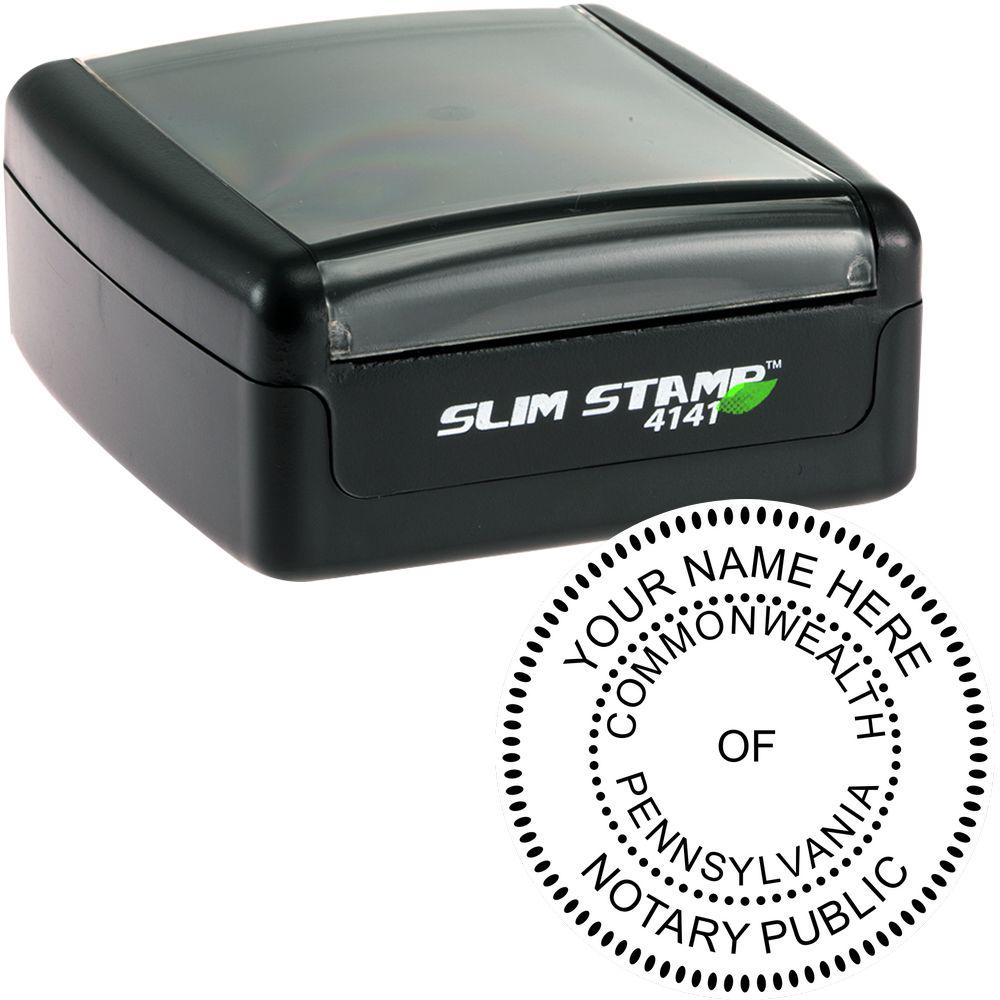
If you’re a Rhode Island Notary Public, you already know how important your Rhode Island notary seal is to your everyday work. Your seal isn’t just a formality, it’s a vital tool that authenticates signatures, finalizes documents, and ensures your professional authority is properly recognized. From embossing seals to self-inking stamps, there are several ways to make your impression official. In this guide, you’ll learn everything you need to find the perfect Rhode Island notary seal for your needs, along with tips on how to select the best supplier, care for your seal, and keep your notary work running smoothly.
Understand Rhode Island Notary Seals
Before you buy your Rhode Island notary seal, it helps to know exactly what you’re working with. Your seal functions as a physical or inked impression that confirms you’re authorized to notarize documents within the state. In Rhode Island, this quick, clear mark is legally essential for verifying many contracts, affidavits, and other critical paperwork.
What a Notary Seal Does
- Serves as proof of your commission
- Confirms a document’s authenticity and validity
- Ensures the signature you witness is legitimate and properly notarized
Key Components
- Your name as it appears on your notary commission
- The words “Notary Public”
- The state of Rhode Island
- Your commission expiration date (often included but may vary based on design or personal preference)
These elements come together to form your seal’s layout, typically in a circular or rectangular shape. Each is deliberately placed to make it easy for anyone reading the notarized document to see that you’re recognized by Rhode Island law to perform notarial acts.
Explore the Different Seal Types
There is no one-size-fits-all approach when it comes to choosing a Rhode Island notary seal. Every notary has unique needs, and your preferred work style might influence which type of seal or stamp you invest in.
Embossing Seal
If you love a classic, professional feel, an embossing seal might be your go-to. This device creates a raised impression in the paper. Here’s what to keep in mind:
- Highly professional appearance, often seen as traditional
- No ink required, so you’ll never deal with bleeding or smudging
- Must apply firm pressure for the best imprint
- More challenging to photocopy or scan, as raised impressions can sometimes be less visible in digital formats
Pre-Inked or Self-Inking Stamp
Modern notarial work often calls for faster processing and clear, scannable results. That’s where an ink-based stamp comes in handy.
- Offers crisp, easily readable impressions
- Great for high-volume notarial tasks
- Typically more portable and convenient
- Some prefer pre-inked designs for their strong inks and long lifespan, while self-inking versions re-ink the stamp after each use
The Significance of a Proper Seal
Having the right Rhode Island notary seal isn’t just about checking a box, it’s about upholding integrity in every transaction you validate. Using a reliable seal makes it clear that you’ve completed your due diligence as a notary, and it reassures your clients that their documents are handled professionally.
Why Quality Matters
- Ensures accurate impressions that can’t be easily tampered with
- Lasts over time, even with repeated daily use
- Offers clear, sharp prints to avoid confusion or rejections
A faded stamp or unclear embossing can raise doubts about your credentials, slow down document processing, and cause unnecessary headaches for you and your clients. By investing in a high-quality seal right from the start, you’ll help preserve your professional image.
How to Choose Your Rhode Island Notary Seal
Selecting the right seal involves a thoughtful evaluation of your workflow, personal preferences, and legal requirements. As you look for the perfect Rhode Island notary seal, focus on a few core criteria:
- Impression Quality
Make sure your chosen type, whether embossing or ink-based, produces a consistently crisp and legible imprint.
- Ease of Use
Ask yourself how often you notarize documents each day. If you’re on the move, a lightweight, compact stamp might suit you better than a heavy embosser.
- Durability
You don’t want to constantly replace parts or deal with breakdowns. Check for materials and construction that can handle frequent use over the long term.
- Portability
If you conduct a lot of off-site notarizations, look for a seal that fits easily in a bag or briefcase without adding too much weight.
- Compliance
Ensure you’re meeting Rhode Island’s legal guidelines. Always verify your final stamp layout is consistent with state regulations.
Here’s where a trusted supplier makes a real difference. A reputable company can help you navigate these choices, answer questions, and guarantee your seal meets every detail of Rhode Island’s notary rules.
Tips for Using and Handling Your Seal
Even the highest-quality seal can run into problems if you’re not using it correctly or storing it properly. Practices that help maintain your seal’s good condition also strengthen your professional reputation.
Proper Impression Techniques
- Apply Even Pressure
If you’re using an embosser, press firmly and evenly. For ink stamps, be sure the stamp’s surface is flat against the page.
- Use A Test Sheet
Before stamping an official document, do a quick impression on scrap paper to make sure your seal prints correctly.
Storage Suggestions
- Protect From Heat and Moisture
Ink can dry out in extreme heat, while metals in embossers might rust in overly damp areas. Store your equipment in a moderate environment with minimal humidity.
- Secure Your Seal
Treat your seal with care and keep it where only you can access it. Stamps and embossers can be misused if they fall into the wrong hands.
Caring for Your Rhode Island Notary Seal
Routine maintenance goes a long way toward extending the life of your seal. A few simple steps ensure consistent, clear impressions every time.
Cleaning an Embossing Seal
- Wipe With a Soft Cloth
Remove dust or paper fragments from the die or the base.
- Avoid Harsh Chemicals
Water or a mild cleaning solution is usually enough to keep things sanitary.
Maintaining an Ink Stamp
- Refill Ink Promptly
Don’t wait until your stamp runs completely dry, or you risk faint impressions that might get rejected.
- Inspect the Rubber
Check the rubber surface often. If you spot any tears or signs of wear, replace it to maintain clear details.
Your Partner in Notary Supplies: Acorn Stamps
When you’re ready to purchase or upgrade your Rhode Island notary seal, partnering with a trusted supplier is crucial. That’s why Acorn Stamps stands out as a top choice among Rhode Island Notary Public professionals. Here’s what sets them apart:
- Expert Guidance
Whether you’re new to notary work or a seasoned pro, you can rely on Acorn Stamps for recommendations tailored to your exact needs.
- Super Fast Turnaround
Time is precious when you’re notarizing multiple documents a day. Acorn Stamps offers quick production times so you can get to work ASAP.
- Stellar Customer Service
Have a question or concern? A friendly support team is ready to help you troubleshoot or guide you through any seal-related decisions.
- Decades of Experience
Family owned and operated since 1964, Acorn Stamps has over 60 years of industry know-how. You can trust their track record of delivering quality notary stamps and seals.
By choosing a reliable supplier, you’re making an investment in your professional reputation. That reliability not only builds confidence in your day-to-day notary operations but also reassures clients that their vital documents are protected.
Frequently Asked Questions
Below, you’ll find some commonly asked questions about Rhode Island notary seals to help you make an informed decision. If you have additional concerns, it’s always wise to consult an experienced provider like Acorn Stamps or refer to the state’s official guidelines.
Is an Embossed Seal Mandatory in Rhode Island?
Rhode Island doesn’t strictly require an embossed seal over an ink stamp. However, many notaries choose an embosser for its traditional appearance. Whichever you pick, confirm that it meets Rhode Island’s legal requirement to include your official commission information.
How Often Should I Replace My Seal?
There isn’t a fixed timeline. Generally, replace or refill your stamp when impressions become unclear, or parts show wear. An embosser may last for many years with proper care, while ink-based stamps might need refills or occasional rubber replacements.
What Happens If My Seal Is Stolen or Lost?
Immediately report the loss or theft to the appropriate authorities and follow Rhode Island’s guidelines for replacing your notary seal. Avoid using a damaged or unaccounted-for seal, as doing so can jeopardize the integrity of your notarial acts.
Can I Use My Seal for Documents Outside Rhode Island?
As a Rhode Island Notary Public, you’re chiefly authorized to notarize documents within the state. For out-of-state or international tasks, check local regulations. Often, documents destined for other states or countries can still be notarized in Rhode Island if the signer is present, but laws may vary.
Is It Acceptable to Use a Self-Inking Stamp for Official Documents?
Absolutely. Self-inking stamps are widely accepted and leave a clear, smudge-free impression. Just remember to refill the ink as needed, so your seal remains bold and legible.
Choosing the right Rhode Island notary seal is about finding a tool that works seamlessly with your day-to-day routine. By considering factors like impression style, durability, and ease of use, you’ll be well on your way to selecting a seal that supports your professional standards. If you’re in the market for a reliable seal or stamp, you can trust Acorn Stamps for all your notary supply needs. With the right seal in hand, you’ll be ready to provide secure, efficient, and trustworthy notarizations every time.