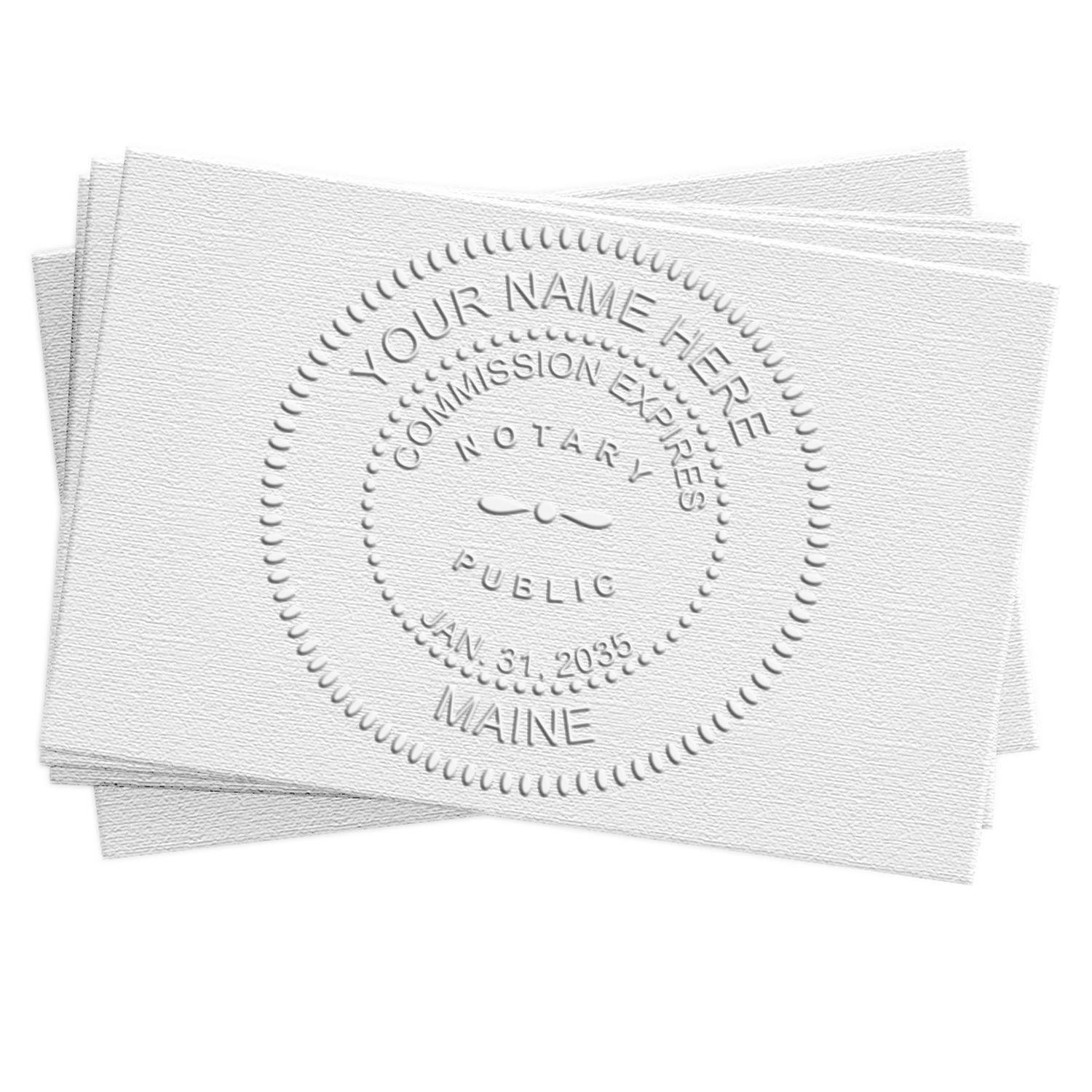
Maine notary supplies are more than just ink stamps and embossers. They represent the foundation of your credibility, enabling you to fulfill your official responsibilities with precision and confidence. Whether you’re just getting started or you’ve been a Maine Notary Public for years, having the right tools will keep you efficient, organized, and legally compliant. Below, you’ll find an in-depth look at the essentials you can’t live without, along with best practices for using them effectively.
Embrace The Importance Of Maine Notary Supplies
Your role as a notary in Maine involves authenticating documents, administering oaths, and preventing fraud. This responsibility demands that you rely on high-quality supplies that meet state requirements. From your stamp to your record-keeping methods, each item contributes to the trust clients place in you.
- Recognition: A sharp, legible stamp or seal instantly shows that you are fulfilling a formal duty recognized by Maine law.
- Professionalism: Uniform and consistent notary tools convey that you take your role seriously, giving clients peace of mind.
- Compliance: Maine’s regulations set specific standards, especially for stamping devices. Having supplies that meet these standards is not optional, it’s a must.
Without the right supplies, you run the risk of producing improperly notarized documents, which can lead to unnecessary complications or even legal challenges. By equipping yourself with essential Maine notary supplies from the start, you’ll save time, maintain consistent standards, and project the professionalism your clients expect.
Know The Different Stamp Formats
Maine notaries commonly use one or both of these methods to authenticate documents: an inked stamp or an embosser. While each format can satisfy state requirements, knowing the differences will help you decide which option suits your workflow best.
Inked Rubber Stamp
- Quick Application: Using an inked rubber stamp is usually faster than applying an embosser.
- Clarity: Ink stamps produce a highly readable imprint, which is often important when scanned or photocopied.
- Maintenance: You’ll likely have to re-ink your stamp occasionally, and ensuring it stays free of dirt or lint will keep those impressions neat.
Metal Embosser
- Classic Appearance: Created by pressure, this raised imprint has a traditional, formal look.
- Security: An embossed seal is more difficult to tamper with because it physically alters the page.
- Pressure Matters: It can be challenging to get the perfect impression, especially on certain paper types. Practice is key to mastering an embosser.
Some notaries opt to keep both on hand to accommodate different client preferences or requirements. An inked stamp excels at creating crisp, visible marks, while an embosser can add an element of security and prestige. Whichever format you choose, be sure it meets Maine’s guidelines for wording, design, and overall legibility.
Assemble Your Must-Have Tools
Beyond stamps and embossers, you’ll benefit from several other essentials that streamline your work. Each tool contributes to making your role smoother and more organized, so you can focus on serving clients rather than hunting down missing items.
Notary Journal Or Record Book
Keeping an accurate record of all notarizations is fundamental to your role. While Maine may not always require you to keep a journal, maintaining one is still wise for tracking transactions and safeguarding against disputes.
- Consistency Counts: Log every detail, from the document type to the date, to ensure clear records.
- Security: Store your journal in a safe, locked location when not in use.
- Easy Reference: If any question arises about a past notarization, having a neat and thorough log is invaluable.
Thumbprint Pad
In certain circumstances, you might need to collect a signer’s thumbprint, although Maine may not mandate it. This practice is more common in states like California, but it’s still a thoughtful precaution if you regularly work with high-stakes documents. It can help deter identity fraud, adding an extra layer of protection for you and the signer.
Notarial Certificates
In addition to your stamp, you sometimes need a loose certificate to attach to documents that have no notarial wording present. Having these pre-printed and ready to go:
- Maintains Legality: Correct wording ensures the certificate meets state requirements.
- Saves Time: You won’t scramble for the right language mid-appointment.
- Adds Consistency: Each notarization will reflect the same standardized content.
Ink Refills Or Pads
If you rely on an inked rubber stamp, last-minute ink shortages can halt your workflow. Keep an extra bottle of ink or replacement pad. That way, you’ll never have to reschedule an appointment due to a faded impression.
Seals And Embossers With Sturdy Handles
For embossers in particular, a well-crafted handle helps you apply consistent pressure. Look for grips that reduce hand strain, especially if you notarize multiple documents each day.When you keep these tools well-stocked and in good condition, you’ll always be prepared for whatever a client needs. Being proactive about your supplies is part of delivering a hassle-free notary experience.
Keep Track Of Every Transaction
Although Maine may not require a journal in all cases, thorough documentation is one of your best defenses against legal complications or misunderstandings. Maintaining detailed records and storing them securely demonstrates that you prioritize accuracy and adherence to the rules.
- Signer’s Identity: Record each signer’s name, type of ID used, and the date of notarization.
- Document Type: Jot down whether it’s a deed, living will, affidavit, or another legally significant paper.
- Notes Or Observations: Did anything unusual happen, like an expired ID or a pressing time constraint? Note it down.
By creating a habit of thorough record-keeping, you’ll find it easier to respond to questions from signers, attorneys, or state regulatory boards. Your journal can make or break a case if the validity of a notarized document is ever challenged.
Ensure Proper Security Measures
As a Maine Notary Public, you often handle sensitive or confidential information. From personal data on driver’s licenses to the content of legal forms, it’s your responsibility to keep that information private and safe.
Secure Storage
Designate a locked filing cabinet or safe to store your journal, seal, and any signed documents before you return them to the appropriate parties. Letting your notarial tools lie around or mixing them with unrelated items can put them at risk of unauthorized access.
Reduce Fraud Risks
- Keep Your Stamp Close: Never leave your seal or stamp unattended, even momentarily.
- Maintain Embosser Pressure: If your embosser loosens, someone might replicate an impression improperly. Check it periodically.
- Shred Unnecessary Copies: If you produce sample impressions or test stamps, be sure to dispose of them securely rather than tossing them in an open trash bin.
Digital Security
Many documents are now sent electronically before you apply an inked stamp to the physical copy. Be mindful of how you store digital files or scans of personal identification. Secure passwords, encrypted storage options, and limiting device access can help reduce cyber risks.
Choose A Reliable Supplier
Notary supplies are central to your day-to-day activities, so it’s vital to purchase them from a supplier you can trust. Reliability here means not just product quality, but also customer service, order consistency, and prompt delivery times.
Importance Of A Good Supplier
- Guaranteed Quality: Stamps or embossers that wear out quickly can interfere with your business and result in subpar impressions.
- Regulatory Compliance: Reputable suppliers stay current with Maine’s notary laws and guidelines, so their products meet official requirements.
- Troubleshooting Help: If something goes wrong or you need a quick reorder, dependable suppliers address your concerns right away.
Why Acorn Stamps
If you’re searching for a supplier with a proven track record, look no further than Acorn Stamps. Family owned and operated since 1964, they’re backed by over 60 years of dedicated service, delivering Maine notary stamps and seals with stellar customer service and super-fast turnaround. Whether you need a simple inked stamp or a customized embosser, they offer a range of options to fit your professional style. With a focus on quality craftsmanship and quick shipping, they make sure you have the tools you need to fulfill your notary duties without interruption.
By establishing a relationship with a trustworthy vendor, you can rest easy knowing your notary supplies will always be up to par, no matter how often you use them or how quickly you need them replaced.
Frequently Asked Questions
Am I Required To Keep A Notary Journal In Maine?
Maine laws do not explicitly require you to keep a notary journal in all circumstances, but it is highly recommended. Maintaining a record book provides a valuable safeguard if disputes arise. By documenting transactions thoroughly, you can protect yourself and your clients.
Should I Use An Inked Stamp Or An Embosser?
You have the freedom to use either or even both. Inked stamps are quick and produce clear marks, especially on copies or scans. Embossers create a traditional raised imprint and can be more difficult to tamper with. Many notaries find it helpful to keep both options available, so they can adapt to a wide range of documents.
How Often Should I Order Replacements For My Supplies?
It depends on how frequently you notarize documents. If you rely heavily on your stamp, you may need to re-ink or replace it once you spend most of the ink or it begins producing uneven impressions. Embossers can last longer, but keep an eye on any wear and tear. Ordering from a reputable supplier like Acorn Stamps ensures you’ll receive high-quality products that last.
What If My Stamp Or Seal Gets Lost Or Stolen?
Notify Maine’s Secretary of State or appropriate regulatory authority immediately. You should also replace the lost or stolen device as soon as possible to prevent any unauthorized use. In your personal notes, document what happened and the steps you took to remedy the situation.
Can I Use My Maine Notary Stamp In Other States?
Your appointment and commissioned power are specific to Maine. While you can physically stamp a document anywhere, it may not be legally binding outside of your jurisdiction. If you move to another state or want to notarize documents there, you’d need to follow that state’s process for notaries.Having the necessary Maine notary supplies at your fingertips is vital to your role as a notary public. Each item, from your stamp to your record book, helps you maintain consistent, lawful standards of practice. By keeping track of every transaction, ensuring proper security measures, and partnering with a reliable supplier, you reinforce the trust that clients place in you.
Whether you’re verifying signatures on simple agreements or overseeing major legal transactions, well-chosen notary tools keep your workflow smooth and your professional image strong. Consider taking an inventory of your kit today. Ensure your stamps, seals, and supporting materials are all up-to-date and fully compliant with Maine’s requirements. In doing so, you’ll be better prepared to handle any client request confidently and securely.