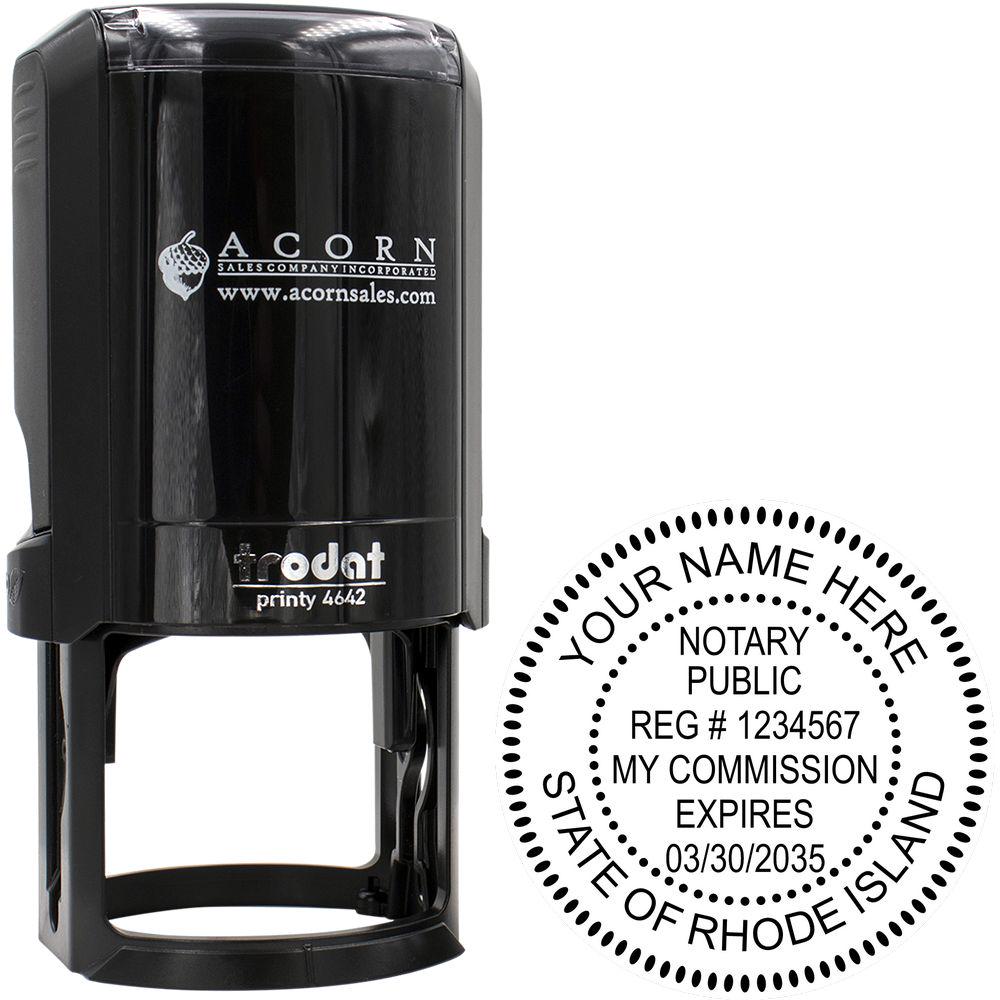
Recognize The Value Of A Rhode Island Notary Stamp
Your Rhode Island notary stamp is the cornerstone of your notarial duties. By stamping documents, you confirm their authenticity and reinforce their legal standing. Whether you’re brand-new to the notary field or simply updating your supplies, understanding each aspect of your stamp can help you perform your responsibilities with confidence.
By law, Rhode Island requires notaries to use a specific seal on official documents, but there’s more to it than that. You need to consider the format of the seal, your preferred stamp design, and how you’ll store and maintain your tools over time. In this guide, you’ll learn how to fulfill each requirement and even discover some essential tips for seamless notarization in every scenario.
Fulfill Basic Rhode Island Requirements
As a Rhode Island notary public, you agree to responsibilities that help protect the public interest. Before ordering your notary stamp, you should make sure you’re meeting these fundamental requirements:
- Be at least 18 years of age.
- Reside or have a place of employment within Rhode Island.
- Pass any state-mandated tests or background checks (if required).
Once you’ve satisfied all legal criteria and received your notary commission, you can move on to selecting the stamp that best serves your needs.
Choose The Right Stamp Type
When you’re ready to invest in a Rhode Island notary stamp, it’s important to know that not all stamps are created equal. Different options bring their own advantages, whether you’re notarizing documents in a bustling office or managing your notary duties on the go.
Pre-Inked Stamps
Pre-inked stamps come with a reservoir of ink embedded within the stamp itself. Every time you press down to make an impression, the ink seeps through the stamp face, creating a crisp mark. These stamps typically:
- Offer exceptionally sharp impressions.
- Provide less chance of ink smudges.
- Include a longer lifespan before you need a refill.
Pre-inked stamps are great if you value precision and don’t want to worry about re-inking frequently. However, keep in mind that they can be slightly pricier than other options.
Self-Inking Stamps
Self-inking stamps feature an internal ink pad that re-inks the die after each use. These stamps are popular with notaries who handle a high volume of documents each day. You might prefer a self-inking stamp if you want:
- Speedy stamping for consecutive documents.
- A wide range of color choices for the ink pad.
- An easy way to replace or refill the ink pad without fuss.
Self-inking stamps can produce slightly thicker impressions than pre-inked varieties, but many Rhode Island notaries find them more convenient for back-to-back notarizations.
Traditional Rubber Stamps
Some notaries still opt for a traditional rubber stamp with a separate ink pad. Although it’s somewhat old-school and can be less convenient for rapid document stamping, it remains a reliable option. Traditional rubber stamps:
- Tend to have a lower initial cost.
- Let you choose your own ink pads, possibly saving on refill expenses.
- Encourage deliberate stamping, so fewer accidents occur.
If you perform occasional notarizations or prefer a simple, hands-on process, a traditional rubber stamp might be right for you.
Follow The Ordering Process
After choosing your stamp type, it’s time to place your order. Many notaries find it easiest to purchase from reputable suppliers specializing in notary-specific products.
- Gather State Specifications
Before placing your order, confirm your legal name, commission details, and any mandatory text required by Rhode Island law. Having that information ready ensures your stamp will meet official guidelines.
- Enter Accurate Information
Double-check the spelling of your name, your commission number (if applicable), and your commission expiration date. Any detail that’s off could require ordering a whole new stamp, so it’s worth taking an extra moment to ensure accuracy.
- Select Ink Color And Style
Choose the ink color and style that best suit your profession and environment. Black or blue inks are most common, but some notaries prefer red or green to make the impression really stand out.
- Confirm Production And Shipping Times
Scrutinize how long it takes to produce and ship the stamp. If you have urgent deadlines or frequently need to notarize, you’ll want a company known for quick turnaround.
Use Your Stamp Properly
Owning a Rhode Island notary stamp is only one part of your responsibility. You also need to know how to use it correctly. Proper use safeguards your notarial acts and keeps you in compliance with state law.
- Position Your Stamp In The Designated Space
Always look for a specific area on the document labeled for your seal. This might be near your signature line or in a margin. Ensure you have enough room to create a clear, legible imprint.
- Press Firmly And Evenly
When stamping, apply steady pressure without rocking or tilting the stamp. This helps distribute ink evenly so you don’t end up with broken lines or incomplete text in the seal impression.
- Verify Visibility
Check that all information (your name, state, and commission details) are clearly visible when you lift the stamp. If anything is unclear or missing, stamp again on a fresh copy.
- Stay Current With Expiration Dates
Regularly review the expiration date on your notary commission. If it’s close to expiring, it’s worth reordering a new stamp with updated information to avoid any unintentional violations.
Store And Maintain For Longevity
Preserving your notary stamp goes beyond preventing ink smears. If you take the right steps to store and maintain it, you’ll likely save both time and money in the long run.
Organized Storage Tips
- Keep It In A Secure Place
Your notary stamp is an official legal tool, so avoid leaving it out on desks or counters where unauthorized individuals could use it. Store it in a locked drawer or cabinet whenever possible.
- Shield It From Heat And Sunlight
Extreme conditions can dry out your ink more quickly or warp your stamp materials. Try to keep stamps away from direct sunlight or heating vents.
- Use A Protective Case
If you travel for your notarial duties, a small protective case can protect the stamp face from dust and damage when it’s bouncing around in your bag.
Maintenance Checks
- Refill Ink Promptly
If you’re using a self-inking or pre-inked stamp, you’ll want to refill before the impression fades for best results. Low-ink stamps can lead to incomplete, barely readable imprints.
- Clean The Stamp Face
Over time, debris or dried ink may collect on the stamp surface, causing inconsistent marks. A quick wipe with a soft cloth helps keep the impression crisp.
- Monitor Wear And Tear
While stamps are built to last, the die or rubber can wear out, affecting the clarity of your seal. If you notice visible cracking, missing letters, or inconsistent lines, consider getting a replacement.
Avoid Common Mistakes
Even if you take care to follow Rhode Island’s regulations, small errors can still creep into your notarial work. Here are some slip-ups you can steer clear of:
- Using Expired Information
Failing to update your stamp after commission renewal can result in an invalid imprint.Always confirm your commission details and expiration date are current.
- Forgetting To Date The Document
Some documents require the date of notarization next to your seal and signature.Double-check every document so you never overlook a required detail.
- Misplacing The Stamp
It’s not just about losing an expensive tool. A misplaced stamp could be misused by someone else, potentially leading to legal complications. Keep it secure at all times.
- Over-Stamping Or Double-Imprinting
If your first stamp is crooked or partially clear, it’s tempting to stamp again in the same spot. But ghosted or doubled text can look unprofessional and might raise legal concerns. If your imprint isn’t fully legible, opt to re-stamp a fresh copy.
Why Choose Acorn Stamps
When you’re ready to order your Rhode Island notary stamp, you want a reliable supplier who understands the importance of accuracy, speed, and customer care. Acorn Stamps stands out as a top provider of Rhode Island notary stamps and seals, offering:
- Stellar Customer Service
Get knowledgeable support from experts who know Rhode Island regulations inside and out.
- Super Fast Turnaround
Don’t let unexpected notarial requests catch you off guard. Acorn Stamps strives to deliver your custom stamp quickly so you can get back to what you do best.
- Family Owned And Operated Since 1964
With over 60 years of experience, Acorn Stamps has a time-tested commitment to ensuring notaries like you have the highest-quality products at your fingertips.
- Emphasis On Quality
From pre-inked to self-inking stamps, each option is made with materials designed to create sharp, professional impressions every time.
When your notary mission involves maintaining public trust, settling for less than the best shouldn’t be an option. Acorn Stamps provides the reliability and personal attention that can make a real difference in your day-to-day notary practice.
Frequently Asked Questions
Below you’ll find answers to some common concerns about obtaining and using a Rhode Island notary stamp:
What Should I Do If My Stamp Impression Is Faint?
Try re-inking your stamp or replacing the ink pad if you use a self-inking style. If it’s still faint, a thorough cleaning can help remove any dried ink or debris on the stamp face. In cases where the die is worn out, ordering a replacement stamp might be necessary.
Can I Use A Colored Ink Other Than Black Or Blue?
Rhode Island doesn’t explicitly forbid alternative ink colors, but black and blue are the most widely accepted. It’s best to use highly legible ink colors that leave a crisp impression. Confirm any suggested preferences with the receiving entity if you’re unsure.
Do I Need A Separate Embosser?
Some notaries like to pair their stamp with an embosser for added security, although Rhode Island generally requires only an official stamp or seal. If you prefer the classic look and feel of an embossed seal, you can certainly use one in addition to your stamp, just make sure your documents remain easy to read and that your stamp imprint is fully visible.
How Often Do I Need To Replace My Notary Stamp?
The lifespan depends on how frequently you use it and how diligently you care for it. If you’re stamping multiple documents daily, you might need to replace or re-ink more often than someone who notarizes once a week. Always check for signs of wear and faded impressions.
Can I Use The Same Stamp If I Change My Legal Name?
No. If your legal name changes, you’ll typically need to register the new name with the state and order an updated stamp that reflects your correct information. Using a stamp with a name that doesn’t match official records can invalidate notarized documents and lead to legal complications.
By understanding your Rhode Island notary stamp from top to bottom, you set yourself up for a smoother, more confident notarial experience. Whether you’re finalizing real estate documents or certifying affidavits, your officially compliant and well-maintained stamp helps establish trust in the documents you oversee. With a focus on diligent care, accurate stamping, and ongoing compliance, you’ll be prepared to fulfill your notarial duties without stress or hesitation. And when it’s time to order or replace your stamp, remember that Acorn Stamps has your back with top-quality products, fast turnaround, and six decades of tried-and-true expertise.