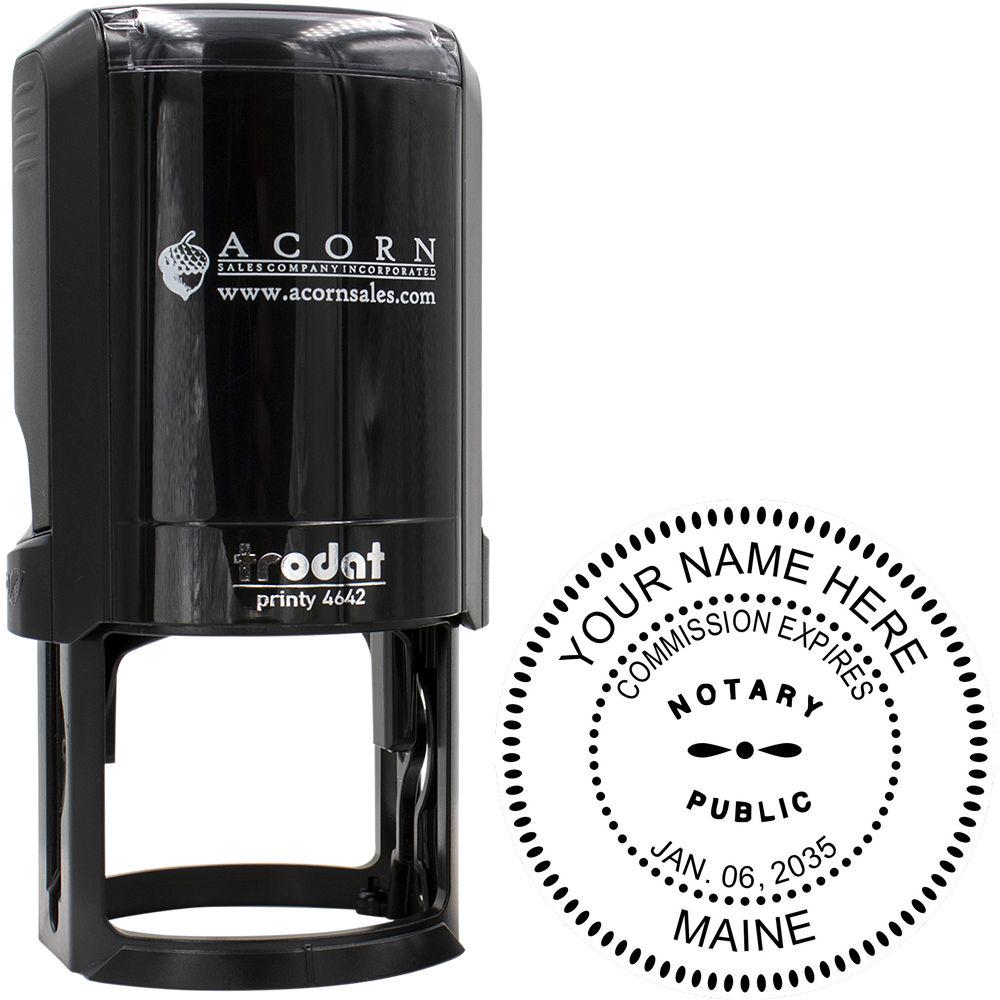
If you serve as a Maine Notary Public, keeping a dependable ME notary stamp and seal at your side is essential. These simple-yet-powerful tools confirm the authenticity of your notarial acts, giving peace of mind to everyone who relies on your services. Whether you are just starting or you have been notarizing documents for years, understanding why every Maine notary needs a reliable stamp and seal can help you maintain professional standards, comply with state regulations, and deliver a seamless experience to your clients. In what follows, you will learn how these tools support your notarial responsibilities, strengthen your professional image, and keep your important documents secure.
Understand the Importance of a Stamp and Seal
To fulfill your role as a Maine Notary Public, you need more than just a signed certificate. Your ME notary stamp and seal represent an official mark that validates the signatures, dates, and facts stated in the document you notarize. Clients expect you to provide clear, legible, and consistent notarial impressions, and you can only accomplish that with high-quality stamping equipment. A reliable stamp or embosser ensures that your notarial statements are easily recognized, reducing disputes about authenticity. In the eyes of your clients, these impressions demonstrate that you pay attention to detail and follow proper procedures. Without a proper stamp or seal, it is challenging to meet Maine’s legal notch, and you may even risk invalidating the documents you notarize.
Why Precision Matters
- Accurate impressions: Smudged or faint images can lead to confusion. Investing in a crisp, precisely engineered stamp and seal produces a clear, consistent imprint.
- Speed and efficiency: A reliable stamping mechanism allows you to notarize documents quickly without fuss, helping you handle multiple appointments or tasks in less time.
- Professional reputation: Word spreads quickly if your clients trust your work. An easy-to-read stamp or seal reassures them that you adhere to high standards.
Satisfy Maine’s Legal Requirements
Maine law requires you to certify that certain details—like your name, commission expiration date, and the words “Notary Public”—appear on the notarial certificate. Your ME notary stamp and seal make it easy to comply with these rules. When you use a properly crafted stamp or embosser, you can be sure all vital information appears consistently, minimizing errors and omissions. This consistency matters greatly when you are called on to notarize documents for the court system, legal offices, or financial institutions.
Key Elements Your Stamp Should Include
- Your official name: Use the exact name on your notary commission.
- The words “Notary Public” and “Maine” (or “ME”): This identifies your jurisdiction.
- Your commission expiration date: Ensure it is always up to date so that documents remain valid.
Double-check your equipment regularly to confirm it aligns with any updates to Maine’s notary statutes. If your commission details change or if new legislation passes, you may need to adjust or replace your stamp and seal.
Boost Your Professional Image
Your clients trust you with critical legal, financial, and personal documents, so presenting yourself as a professional is crucial. A high-quality ME notary stamp and seal elevate your service by making every document you sign look polished and official. The visual impression of a well-made stamp is far more convincing than a simple handwritten note or a computer printout.
Ways to Present a Professional Image
- Keep your notarial toolkit organized: Have a dedicated pouch or bag for your stamp, seal, and notary journal.
- Use clear, concise language: When you speak with clients about the notarial process, explain the purpose of your stamp or seal in plain terms.
- Dress appropriately: While you do not need formal attire at all times, a neat and professional look—whether in an office or at a client’s home—builds trust.
You never know when a business executive or personal client might need documentation for a significant transaction. Maintaining a thorough approach, paired with a clearly stamped notarial certificate, speaks volumes about your dedication to getting the job done right.
Stay Organized and Efficient
Reliable notary supplies help you remain approachable yet efficient. If you handle multiple appointments a day, you may need to notarize property deeds, power-of-attorney forms, or other vital papers—in an environment where each client expects you to act quickly. A dependable ME notary stamp and seal allow you to glide through appointments, leaving each stamper impression behind with minimal fuss.
Tips for Streamlining Your Process
- Arrange your workspace: Keep your stamp and seal within easy reach. Have extra ink pads or refills if you use a self-inking stamp.
- Follow a checklist: Know which documents must be notarized and where each signature and seal should appear.
- Double-check names and dates: Confirm that each detail in the notarial wording matches the information in your stamp or seal.
An organized setup prevents mistakes such as placing the seal on the wrong page or failing to fill in required details. It also allows you to handle each task gracefully, from welcoming clients to finalizing their paperwork.
Maintain Document Security
As a notary, you are partially responsible for safeguarding the integrity of the documents under your care. Your ME notary stamp and seal do more than show that a signature is legitimate. They also make it exceedingly difficult for fraudsters to alter the document later, as any tampering can invalidate the notarial seal.
When you have a consistent, traceable stamping routine, you increase your clients’ confidence. They know exactly how their documents were verified, how the imprint should look, and what details you recorded in your notary journal. Securely storing your stamp and seal when not in use minimizes the risk of unauthorized usage. By managing these details diligently, you build a reputation for reliability and thoroughness.
Best Practices for Security
- Lock away your stamp: Store it in a locked drawer or safe.
- Password-protect digital files: If you digitize your notary journal or share scanned documents, keep it secure with proper encryption.
- Track each use: Record the date, time, and nature of the document notarized for easy reference later.
Choose the Right Stamp and Seal
Not all stamps and seals are created equal. Different products vary in terms of ink quality, lifespan, and the clarity of the impression. Some prefer self-inking stamps because they are fast and simple. Others opt for stamp pads out of tradition or convenience, while still others favor an embosser for a raised official seal.
Factors to Consider
Durability
- Look for sturdy materials that can handle repeated, daily use.
- Check product reviews or consult fellow notaries for recommendations.
Ink Type
- Self-inking stamps often use water-based ink that can dry out if not stored properly.
- Pre-inked stamps may hold their ink longer but can be more expensive initially.
Portability
- If you travel often, a compact, lightweight design helps you notarize documents on the go.
- An embosser may be bulkier but adds a tactile feel that some clients appreciate.
By weighing these factors, you will find a stamp or seal that aligns with your professional style. The goal is to provide consistent, crisp impressions every time.
Proper Care and Storage
Once you invest in a reliable ME notary stamp and seal, you want to maximize its lifespan. Proper care involves minimal time or effort, yet it can help you avoid inconvenient ink spills or noisy, worn-down parts.
Maintenance Guidelines
- Clean regularly: Wipe your stamp or seal to remove any dust or residue that might affect the impression.
- Keep refill supplies handy: If you use a separate ink pad, store it in an airtight container. Pre-inked or self-inking stamps need occasional re-inking over time.
- Store in a cool area: Heat or sunlight can warp plastics, dry out ink, or damage the delicate parts of some seals.
A well-maintained stamp performs consistently under demanding conditions. You will impress your clients when you can produce a perfect imprint with minimal fuss, no matter where or when you show up to notarize.
Explore Options With Acorn Stamps
Choosing the right supplier matters just as much as selecting the correct notary tools. At Acorn Stamps, you will find specialized Maine notary stamps and Maine notary seals designed with precision and built to last. Family owned and operated since 1964, Acorn Stamps has provided notaries like you with reliable equipment for 60 years. Whether you prefer a self-inking model for speed, a pre-inked version for crisp impressions, or a traditional embosser for a classic raised seal, you can find products suitable for your unique style. Beyond offering comprehensive product options, Acorn Stamps prioritizes stellar customer service and a super-fast turnaround. If you are unsure which stamp or seal type is best for you, the friendly team can help you choose the product that meets Maine’s notarial standards while also fitting your personal preferences. You can feel confident that your order is handled with care and speed, allowing you to focus on what you do best—serving your clients.
What Sets Acorn Stamps Apart
- Decades of expertise: 60 years in business means tried-and-true quality in every product.
- Personal attention: A family-owned approach that treats you as a valued customer, not just another order.
- Consistent performance: Each stamp or seal is designed for legibility and durability, even with daily use.
When you are ready to upgrade or replace your ME notary stamp and seal, Acorn Stamps is committed to helping you find the perfect fit for your needs.
Frequently Asked Questions
What Happens If My Commission Information Changes?
You will need a new stamp or seal that reflects any updated details. That could include a change in your name or an extended commission expiration date. Be sure to verify all required information with Maine’s notary office before reordering your equipment.
Can I Use an Embosser Instead of a Stamp?
Yes. Maine law often allows the use of an embosser in place of a stamp, provided it includes the required information. However, some documents might need specific formatting. Check state guidelines or consult legal counsel if you are unsure.
How Can I Make My Notarization Process Smoother for Clients?
Start by preparing your workspace with essential supplies—like your notary journal, an extra ink pad, and any backup pens. Provide clear instructions about what forms need to be signed and where the seal goes. Friendly communication reduces confusion and saves everyone time.
Is a Self-Inking Stamp Better Than a Traditional Stamp Pad?
Neither option is universally superior. Self-inking stamps are quick and mess-free, making them popular if you handle high volumes. Traditional stamp pads let you choose various ink colors and refill pads independently. It comes down to personal preference and how often you plan to stamp.
How Do I Keep My Stamp or Seal Secure After Hours?
Lock it up in a secure drawer or safe. That prevents unauthorized use and discourages tampering. Even if you trust your household or office environment, keeping your stamp and seal locked away protects you and anyone who depends on your notarial acts.
By understanding the roles and responsibilities of a Maine Notary Public, you can see how crucial it is to have a reliable ME notary stamp and seal. From meeting legal requirements to projecting a professional image, your notarial tools play a central part in assuring clients that the documents you handle are authenticated properly. And when you pair a carefully chosen stamp or seal with a reputable supplier—like Acorn Stamps—you can tackle your notary duties with confidence, efficiency, and peace of mind.