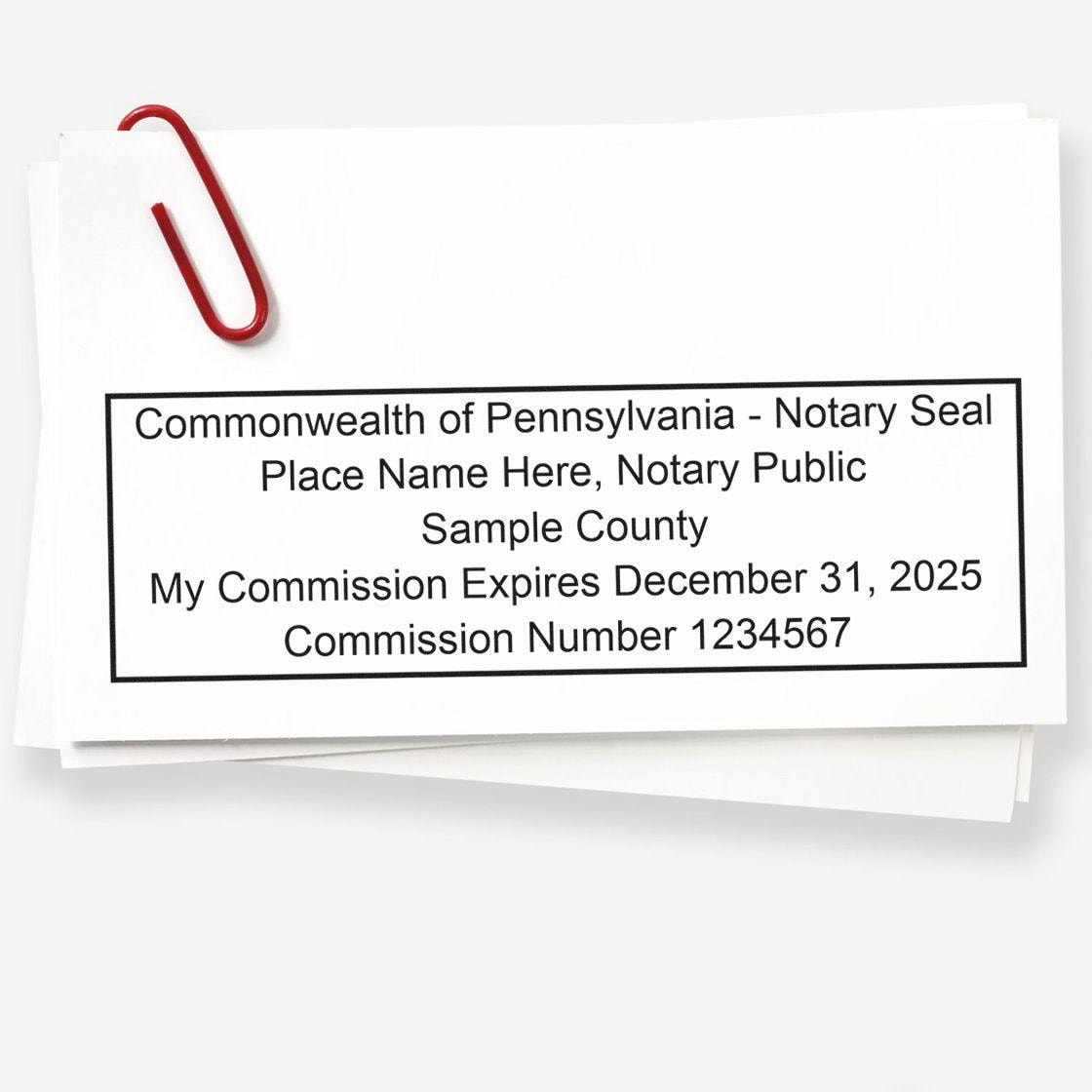
You want your Pennsylvania notary seal embosser to be reliable, durable, and easy to use, because it’s an essential tool for every Pennsylvania Notary Public. But how do you figure out which embosser matches your specific needs? By learning how notary embossers work, understanding Pennsylvania’s requirements, and picking a product from a reputable supplier, you can equip yourself confidently. Here’s an in-depth look at what to consider so you can choose the perfect seal embosser that stands up to everyday notarial duties.
Understand The Role Of A Pennsylvania Notary Seal Embosser
A Pennsylvania notary seal embosser creates a raised imprint on official documents, confirming that you have witnessed and verified signatures according to state guidelines. This raised impression typically includes your name, the words “Notary Public,” “Commonwealth of Pennsylvania,” and elements specified by the Pennsylvania Department of State. While ink stamps are also accepted in Pennsylvania, an embosser provides added security and a more professional finish.
Why Embossing Matters
- Embossed text is harder to tamper with or replicate.
- The tactile impression offers a unique texture that’s instantly recognizable.
- Some documents still require or strongly prefer an embossed seal, making it a versatile tool.
Key Features Of A Valid Seal
- Include your full name as it appears on your notary commission.
- Incorporate the circle or rectangular outline mandated by Pennsylvania regulations.
- Check that the seal design mentions “Notary Public” and “Commonwealth of Pennsylvania.”
- Keep your official commission expiration date handy, as it may be required on certain documents.
Compare Handheld, Pocket, And Desktop Embossers
Pennsylvania notary seal embossers come in a few main styles. Each style is useful in different situations, so it helps to compare how they work before deciding on one.
Handheld Embossers
Handheld embossers are crafted to fit comfortably in your hand, making them easy to squeeze and press onto the document. They’re great if you perform notarizations while traveling or if you often encounter tight spaces on documents.Advantages:
- Portable and easy to carry from one appointment to another.
- Lightweight, which is helpful if you’re on the go.
Drawbacks:
- Less leverage than larger models, so the impression may not be as deep if not pressed thoroughly.
- May require more hand strength if embossing multiple documents in a row.
Pocket Embossers
Pocket embossers are essentially a smaller, more compact version of handheld styles. They’re designed to fit into a pouch or case so you can slip them into a briefcase or bag. This style is all about convenience and minimal weight.Advantages:
- Extremely convenient for traveling notaries or those with off-site appointments.
- Includes carry cases for extra protection.
Drawbacks:
- Tight designs sometimes have smaller handles, which can be uncomfortable for larger hands.
- May not produce as robust an imprint if not used correctly.
Desktop Embossers
Desktop embossers sit securely on your desk and provide solid leverage for a crisp impression. They’re a popular choice for office-based notaries who notarize high volumes of documents.Advantages:
- Offer a stable base and consistent depth of impression.
- Usually easier if you regularly process multiple documents.
Drawbacks:
- Bulkier design, so not practical for mobile notaries.
- Typically more expensive than portable options.
Match The Seal Requirements And Sizing
Pennsylvania law outlines certain requirements for notary seals, which can influence the style and size of your embosser. While size specifications can vary, you’ll want to confirm that your seal is up to date with state standards.
Confirm State Regulations
- Look for Pennsylvania-specific wording, as required by the Department of State.
- Your name must appear exactly as on your notary commission certificate.
- The seal may need to display the county where you’re commissioned. Always verify what’s mandated during your notary appointment timeframe.
Seal Diameter
Typical notary seals range from about 1.5 inches to 2 inches in diameter. If your main use is general office tasks, a common 1.75-inch seal is often sufficient. However, depending on your preference, you might pick an embosser with a slightly larger diameter for a sharper, more noticeable imprint.
Choose The Right Materials And Durability
An embosser should be built to handle repeated use. From the handheld pocket style to the desktop powerhouse, consider what materials go into the equipment and how durable these parts are.
Metal Construction
High-quality embossers often feature metal components that stand up to regular stamping tasks. Stainless steel handles and metal die clips can help keep the imprint consistent over time. If you’re noticing plastic components, double-check that they are reinforced to withstand the repetitive pressing motions.
Rubber Ergonomic Grip
For handheld or pocket embossers, a rubber ergonomic grip can make a huge difference in comfort, especially during long signing sessions. You’ll want a style that reduces slipping and doesn’t strain your fingers or wrist.
Maintaining Imprint Consistency
Regular maintenance helps preserve the clarity of your notary seal. When you frequently apply the embosser, the metal dies and alignment can shift slightly, so take the time to clean and check it. If you ever see a blurry or incomplete imprint, consult your supplier to ensure you can realign or replace the metal plates as needed.
Personalize Your Embosser
Once you confirm that your embosser meets Pennsylvania’s legal requirements, see if you can personalize it. Personalization can make your notary seal look more polished and professional, reflecting your identity as a trusted public official.
Embosser Dies And Design
- Some suppliers let you choose from different border styles around the seal, which can enhance the final appearance.
- Ask about custom text or design elements, but be sure everything still meets the Pennsylvania Department of State’s guidelines.
Include Your Commission Expiration Date
While some notaries rely on a separate accessory stamp to display the commission expiration date, others prefer an embosser that includes it. Depending on Pennsylvania’s regulations at the time of your commission, you might need to have your expiration date present on your seal. Double-check the rules to see if this is an option for your personalized embosser.
Shop With Trusted Providers
Even the best embosser styles won’t do you any good if they come from a questionable source or fail within a few weeks. As a Pennsylvania Notary Public, you should purchase your embosser from a reputable supplier experienced in meeting Pennsylvania’s notary specifications.
Vet Your Supplier
- Look for reviews from other Pennsylvania notaries to gauge product quality and consistency.
- Ask about guarantees or warranties that protect against defects or misalignments.
Consider Acorn Stamps
One standout option is Acorn Stamps, a top supplier of Pennsylvania notary stamps and Pennsylvania notary seals. They’ve spent 60 years, since 1964, serving notaries with stellar customer service and super-fast turnaround times. Because Acorn Stamps is family-owned and operated, they understand the importance of reliability, personal attention, and maintaining professional standards. You can expect well-crafted embossers made specifically for Pennsylvania regulations.
Maintain Your Embosser For Long-Term Use
Even a high-quality Pennsylvania notary seal embosser needs occasional care to remain effective year after year. Simple upkeep can preserve the clarity of your raised imprint and extend the device’s life span.
Storage Best Practices
- Keep your embosser in a dry spot where it won’t be exposed to extreme humidity or temperature changes.
- If you rely on a portable embosser, store it in a protective case to prevent dust or debris from affecting the metal plates.
Periodic Cleaning
- Gently wipe the embosser’s metal contact points with a soft, lint-free cloth.
- Inspect for bent or misaligned plates, especially if you drop or bump the unit.
- If the impression becomes faint, you may need to adjust the tension screws or consult your supplier for guidance.
Timely Replacement
An embosser should typically last for many years, but once you notice the dies wearing out, it’s probably time for a replacement. Be mindful of your commission’s renewal timeline too — if your name changes, you move counties, or you renew your notary commission, you’ll need to update your seal. Planning ahead ensures continuous compliance without service interruptions.
FAQs
Below are five common questions about choosing and using a Pennsylvania notary seal embosser.
Do I Need An Embosser If I Already Have A Notary Stamp?
While both stamps and embossers are valid in Pennsylvania, using both can add an extra layer of authenticity. Some documents might specifically require an embossment, so having an embosser on hand ensures you meet every situation comfortably.
Are All Embossers Legal In Pennsylvania?
No, they must meet Pennsylvania’s specific design requirements, including correct wording and your name exactly as it appears on your commission. It’s wise to purchase from a supplier who specializes in Pennsylvania seals and understands these legal standards.
How Can I Keep My Embosser’s Impression Clear And Crisp?
Regular cleaning is key. Wipe down the metal plates to remove any dust or ink residue, and store the embosser in a protective case if you transport it often. If you see the impression start to fade or look off-center, adjust the tension or contact your supplier for guidance.
What If My Commission Information Changes?
Whenever your commission is renewed, your name changes, or your county of commission changes, you’ll need an updated seal. It’s best to order your new embosser well before your expiration date so you can avoid any gaps in service.
Where Can I Get A Quality Embosser Quickly?
Consider a family-owned supplier like Acorn Stamps. They’ve been helping Pennsylvania notaries for 60 years with fast production times, and they offer customization to ensure your embosser precisely follows state rules.
This embosser is more than just a tool. It represents your professional commitment to upholding legal standards and serving the public effectively. By researching the right style, focusing on quality materials, and trusting a reputable provider, you can pick a Pennsylvania notary seal embosser that operates smoothly and gives you a crisp seal impression every time. If you’re ready to invest, remember the value of experienced suppliers like Acorn Stamps. With proper care, you’ll rely on this essential notary item for many years to come.