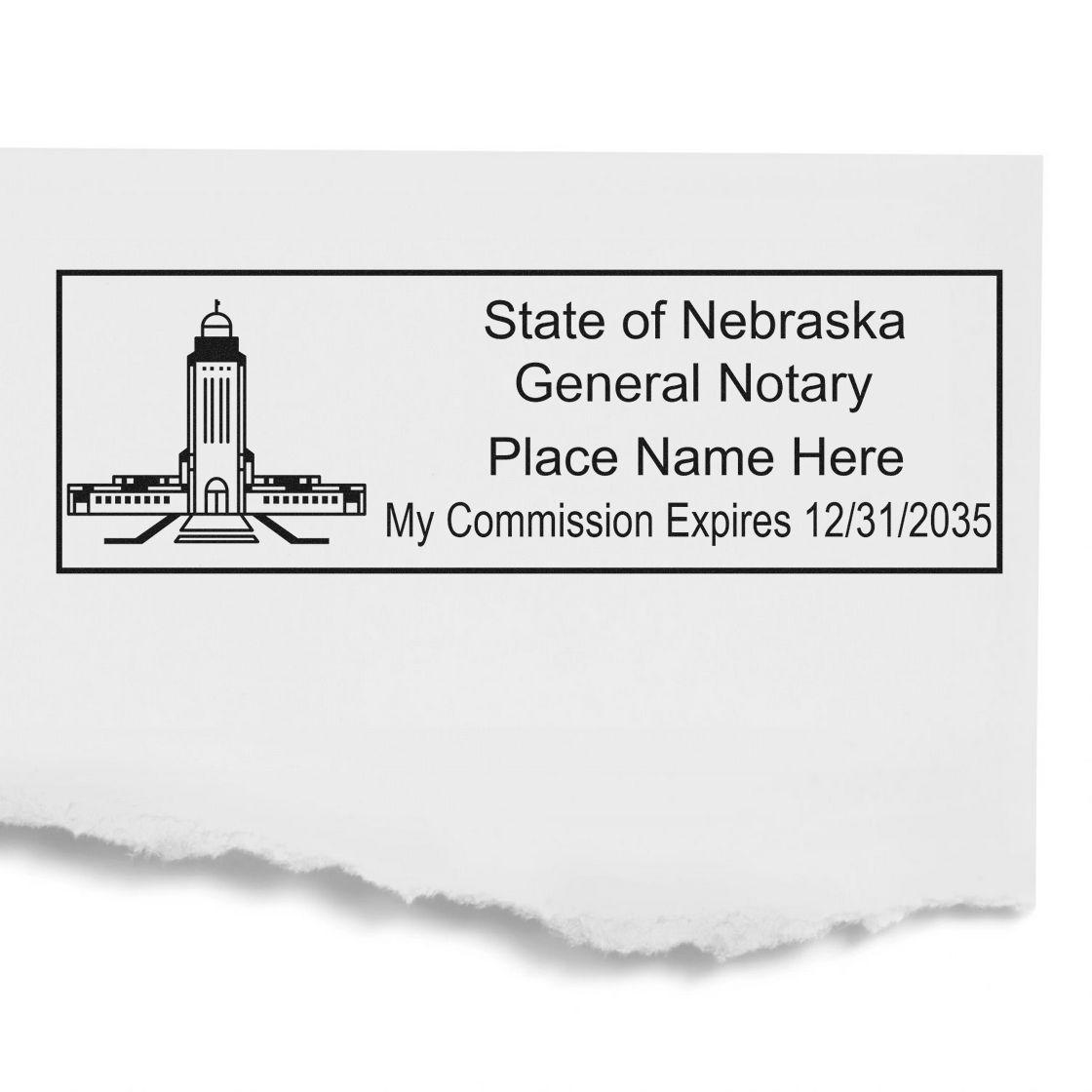
Complying with Nebraska notary seal requirements is an essential part of your responsibilities as a notary public. Your seal is more than just a mark on a piece of paper. It validates transactions, helps prevent fraud, and assures anyone reading the document that it has been properly notarized under Nebraska law. Taking the time to understand and follow these requirements can protect you from liability and strengthen the trust in every notarized document you produce. Whether you’re brand new to notarial work or simply looking to confirm you’re meeting current guidelines, you’ll find everything you need right here.
Understand The Purpose Of Your Nebraska Notary Seal
Every time you affix your seal, you’re guaranteeing that the document is authentic, that you confirmed the signer’s identity, and that you followed Nebraska state regulations. This seal acts as a silent witness to your diligence and accuracy.
Why Your Seal Matters
- It signals that you performed all required notarial actions properly.
- It assures that the document meets Nebraska’s legal standards.
- It helps discourage fraud by confirming the legitimacy of a signature or oath.
- It sets clear accountability; your notary information is right there for anyone to see.
Protecting Public Trust
When you use your seal correctly, you foster trust among the parties relying on your notarized documents. A clear and distinct seal impression lets signers, recipients, and other officials know you took the time to verify identities and uphold state laws. This trust is foundational to the role you play and to the system that rewards honest, validated transactions.
Know Your State’s Guidelines
Nebraska issues specific guidelines about what must appear on your notary seal, from the wording around the edges to the format of your commissioned name. While requirements can change over time, understanding the core elements helps you maintain compliance and reduce the risk of document rejection or legal misunderstandings.
Mandatory Elements
The seal should include:
- Your name exactly as it appears on your notary commission.
- The words “Notary Public.”
- The word “Nebraska” (or the abbreviation “NE” if allowed by current regulations).
- Any other commission identifiers as required by the Nebraska Secretary of State.
Nebraska law may mandate that your commission expiration date appear on the seal, or you may be allowed to write it in by hand. Double-check with the latest Nebraska notary handbook or Secretary of State’s website for any updates to these standards. Inconsistent or incomplete information can void the usefulness of your seal impression.
Authorized Format
Nebraska typically allows notaries to choose between ink stamps and embossers. However, you still need to confirm that your seal layout follows official parameters. For instance:
- If you opt for an ink stamp, it usually must be round or rectangular in specific proportions so the text is legible.
- If you choose an embosser, be sure the raised impression is clearly readable on your documents. Consider going over the seal with ink or a seal inker if required.
The finished impression should be easy to read and resist tampering. You want to ensure no part of your seal’s text is smudged or blurred, since illegible seals can lead to rejected documents or confusion among recipients.
Verify Design And Layout Essentials
Once you confirm the basic elements, it’s important to pay attention to design details. Nebraska notary seal requirements aren’t only about what’s on your seal, but also about how it appears on the page.
Legibility And Ink Color
When using a stamp, choose an ink color that contrasts with ordinary pen ink. Black or blue is common, but be sure it stands out on white paper. Squint and see if every word on the impression is readable. If your seal features your commission number or expiration date, each tiny letter and number must be crisp and clear.
Handling Changes To Your Name Or Commission
If you legally change your name or renew your commission, you’ll likely need a new seal that matches your updated credentials. Reusing an old seal that conflicts with the details on your new certificate can create legal risks. Don’t attempt to modify an existing stamp, as the tampering can invalidate your seal and confuse signers.
Ensuring Consistency
Maintain a consistent seal impression on every document you notarize. Variations in your seal design or text might raise red flags, especially for documents that lawyers or other professionals scrutinize. Keep an eye out for wear and tear on your stamp or embosser. If you notice any deterioration that causes parts of your seal to go missing or become unreadable, it’s time for a replacement.
Follow Proper Usage Steps
Once you know your seal’s design is legit, the next step involves using it correctly. No matter how perfect your seal looks, if you don’t follow appropriate steps when notarizing, you risk claims of invalidation or misconduct.
Step 1: Confirm Signer Identity
Always ask to see a valid government-issued photo ID. You also want to verify the signer’s name on the document matches the name on the ID. If required by Nebraska law, keep a notary journal where you record details of each notarization, including the type of ID shown.
Step 2: Administer The Oath Or Confirmation (If Needed)
Some documents, such as affidavits or sworn statements, require you to administer an oath or affirmation. Make sure you understand the difference between an acknowledgment (the signer confirms the document) and a jurat (the signer swears/affirms the content is truthful). Each notarial act should be handled properly according to Nebraska statutes.
Step 3: Check Document Completeness
Look over the document for all key sections, such as signature lines, dates, and any references to attachments. If the document has blanks or missing pages, note whether it’s permissible to notarize with incomplete sections. Nebraska does not typically allow you to notarize blank documents. Clarify any confusion about missing information with the signer before proceeding.
Step 4: Make Your Seal Impression
Place your seal near the notarial certificate. Avoid stamping over text or signatures, and ensure there’s enough space for a clean impression that’s easy to read and photocopy. For embossers, apply firm pressure to create a well-defined raised impression. With an ink stamp, press down evenly so the imprint is clear. If something looks off, consider adding a note or making a second impression in a designated space, just do not stamp on top of your original seal.
Step 5: Sign And Date
After stamping, sign your name exactly as it appears on your notary commission. If legally required, write your commission’s expiration date within the notarial certificate if it isn’t included on your seal. The final signed, sealed, and dated document is now officially notarized.
Maintain And Replace Your Seal
Your notary seal will wear out over time, so proper maintenance ensures longevity. Having a reliable seal at the ready means you won’t have to worry about partial impressions or blurred edges.
Cleaning Tips
- For an ink stamp, wipe any excess ink from the surface using a soft cloth.
- For an embosser, occasionally inspect the metal plates for debris or rust.
- Store your seal in a protective case, especially when traveling, to prevent dust accumulation.
Proper Storage
Always keep your seal in a secure place. You never want to risk unauthorized use of your commission. In Nebraska, you’re accountable if someone else uses your seal improperly. A locked drawer or cabinet is a good choice, especially if you share an office with others. Just as you guard your government-issued ID, protect the tool that proves authenticity on legal documents.
Ordering A New Seal
If your seal is no longer providing a clear impression or you’ve updated your name or commission details, you’ll need a replacement. Contact a reputable provider that understands Nebraska notary seal requirements. Double-check the new seal design in a test impression before you resume notarizing official documents.
Find A Trusted Supplier
When hunting for a new notary seal, you want an experienced supplier who can navigate Nebraska’s rules. Look for strong customer support, speedy turnaround times, and products designed with clarity in mind.
Acorn Stamps: Your Go-To Resource
Acorn Stamps has been a top supplier of Nebraska notary stamps and seals for over 60 years. As a family-owned and operated business since 1964, we take pride in delivering stellar customer service and super-fast turnaround times. We understand the nuances of Nebraska law and know how to craft a seal that’s both legal and durable. Whether you prefer an ink stamp, a sturdy embosser, or a convenient self-inking design, you can count on us to get it right the first time.
Getting The Most Out Of Your Order
- Ask for a sample impression so you can check legibility.
- Confirm any optional features like extra text, expiration date placement, or a custom design that fits Nebraska guidelines.
- If you’re not sure which type of seal to get, talk to a customer service representative about your workflow and preferences.
Common Mistakes To Avoid
Even small slip-ups can invalidate a notarization. Stay ahead of the game by recognizing these pitfalls.
1. Stamping Over Important Text
Never slap your seal on top of signatures, dates, or other critical details. It’s best to leave a little space around the seal so everything remains clear and easily readable for recordkeeping.
2. Using A Faint Or Partial Impression
If your seal is running out of ink or the embosser plates are misaligned, any partial or smudged impression can be problematic. Always take a test impression before you finalize the document.
3. Neglecting To Update Your Seal
If your legal name changes, or if you renew your commission under slightly different details, never keep using your old seal. Obtain a new one that matches your official credentials to remain compliant with Nebraska notary seal requirements.
4. Forgetting To Sign Or Date
Your seal is only part of the notarial act. You must also add your signature and, if needed, write your commission expiration date or other required information in the certificate. A missing signature is like a missing puzzle piece, rendering the document incomplete.
5. Not Keeping A Secure Storage
Leaving your seal where others can freely access it is a big risk. If someone uses it without your knowledge, you may bear legal consequences. To protect your commission, always secure your seal when not in use.
Stay On Top Of Changes
Laws and guidelines can evolve. As a Nebraska notary, you’ll want to keep track of any legislative updates regarding notarial acts and the details of seal design. Subscribing to alerts or newsletters from the Nebraska Secretary of State can be a helpful way to remain informed.
- Check updates whenever you renew your commission.
- Verify annually that your seal still meets state standards.
- Stay in the loop on any changes to notary practices, including remote or electronic notarizations, if Nebraska extends or modifies these provisions.
FAQs About Nebraska Notary Seal Requirements
Below are five frequently asked questions that can help clear up common concerns.
Can I Use An Embosser Instead Of An Ink Stamp?
Yes. Nebraska generally allows embossers as long as they meet the same content requirements and produce a clear, readable impression. If you choose an embosser, verify the seal is legible on copies. Some offices may also require an inked seal to ensure clarity.
Do I Need To Include My Commission Expiration Date On My Seal?
Nebraska rules can vary over time. Some guidelines require your seal or certificate to display the expiration date, while others allow you to write it by hand on the notarial certificate. Always confirm the latest requirement from the Secretary of State. If you need the expiration date on your seal, make sure it’s engraved or printed accurately.
What Happens If I Change My Legal Name?
You must obtain a notary commission in your new name and then update your seal to match. Using an outdated seal that doesn’t reflect your current legal name can invalidate notarized documents. Always replace your seal immediately whenever there’s a name change.
What Should I Do If My Seal Is Lost Or Stolen?
You should notify the Nebraska Secretary of State’s office. In many cases, you’ll also file a police report for a stolen seal. After that, order a new seal. Stamps left in unauthorized hands could be misused, potentially implicating you if fraudulent documents are created.
How Fast Can I Get A Replacement Seal?
At Acorn Stamps, we specialize in a quick turnaround time because we know you can’t afford delays in your notarial duties. Once you verify all your information, we can often ship a custom-compliant seal in a matter of days so you’re back to work quickly. Maintaining a solid understanding of Nebraska notary seal requirements can make everything you do more efficient, professional, and secure. You’ll have greater confidence in every authenticated document, and the people who rely on your notarial acts will appreciate the consistency and clarity of your seal. By paying attention to seal design details, proper usage methods, and state regulations, you’re well on your way to mastering your role as a Nebraska notary public. If you want dependable, compliant seals, look no further than Acorn Stamps, your trusted partner in providing high-quality Nebraska notary supplies for over six decades. Happy notarizing!