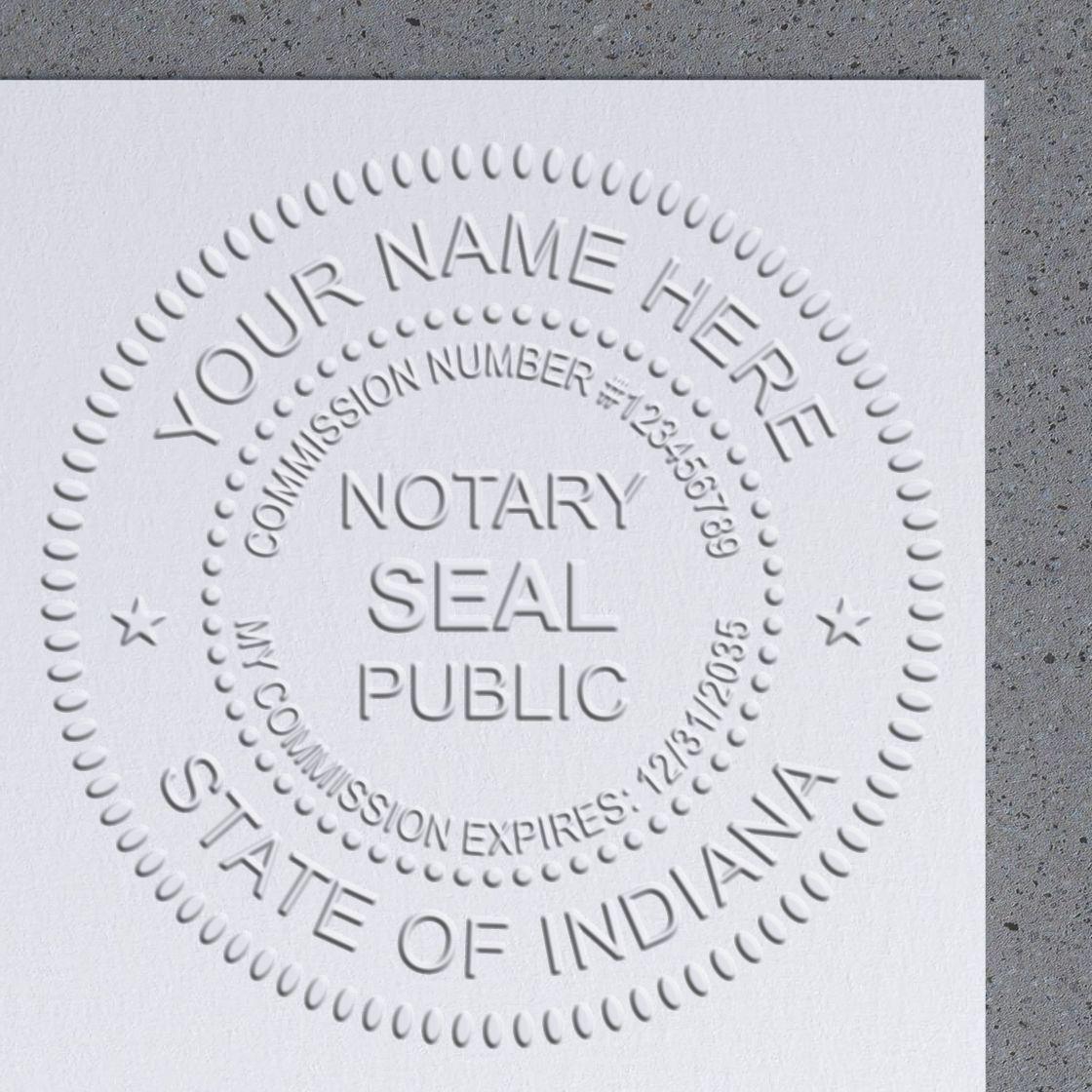
Are you an Indiana notary public looking for the ideal Indiana notary stamp and seal to elevate your professional presence? Having the right tools makes a world of difference when you perform notarial acts. From the crisp imprint of your notary stamp to the distinctive look of your seal, each element helps confirm the authenticity of your service. In the following sections, you will discover how to choose the best stamp and seal, maintain them properly, and project a confident, trustworthy image.
Embrace Your Notary Role
Stepping into the notary position is more than officiating signatures. You carry a significant responsibility to verify identities and protect against fraud, ensuring that legal documents stand on solid ground. Your notary commission reflects the trust conferred by the state of Indiana. By having a reliable Indiana notary stamp and seal, you showcase readiness and compliance with regulations, while letting signers know you take your role seriously.
When you first become a commissioned notary in Indiana, you promise to uphold integrity and accuracy. The right notary supplies reinforce this commitment. They also demonstrate a polished approach that helps clients feel secure. Whether you work in a law office, a bank, or offer mobile notary services, your notary stamp and seal are indispensable partners in your day-to-day tasks.
Identify Key Stamp Requirements
Before you pick a specific notary stamp, you will want to confirm the essential details the stamp must carry. In Indiana, notary stamps generally include your name as it appears on your commission, the words “Notary Public,” and "State of Indiana." Because these elements are essential for validity, you need to make sure your chosen stamp design aligns with the state’s guidelines.
Beyond these mandatory details, consider choosing a stamp that is easy and convenient to use. Opt for a model that yields a clear imprint each time, minimizing the chance of smudging or incomplete stamping on important documents. Traditional wood-handled stamps require a separate ink pad, while self-inking stamps come with built-in ink pads that automatically transfer ink to the stamp surface. Both options can meet Indiana’s legal requirements, so it really comes down to which method feels the most comfortable.
Double-Check the Commission Data
- Verify your name matches your notary commission exactly.
- Confirm the accuracy of your commission number if applicable.
- Ensure the stamp includes the phrase “Notary Public” and “State of Indiana.”
By paying close attention to these small details, you reduce the risk of reordering an incorrect stamp or dealing with delays.
Pick Your Seal Style
Notary seals lend a unique professional flair, reflecting not just your authority, but also your personal taste. In Indiana, you are not strictly required to use a raised-emboss seal, but many notaries prefer them for the sense of official gravity they bring to documents. Alternatively, you can use an ink-based seal that leaves a crisp, visually distinct impression. Each method has its advantages.
An embossing seal physically raises the paper’s surface. It is often favored in certain legal contexts for its visually impressive, tamper-evident result. Meanwhile, an ink-based seal tends to be more consistent under various lighting conditions, since raised impressions can sometimes be hard to see in photocopies. Ultimately, your choice might boil down to personal preference, frequency of use, and the type of documents you handle most often.
Consider Your Usage Needs
- Embossing seals: Classic, tactile, and visually striking.
- Ink-based seals: Easily visible on copies, straightforward to apply.
- Hybrid approaches: Some notaries maintain both an embossing seal and an ink-based seal for different document types.
No matter which style you prefer, the key is ensuring consistent, professional results that enhance your notarial responsibilities.
Consider Stamping Materials
Your notary stamp and seal should be made of durable materials that stand up to repeated use. After all, if you are a busy notary public, you might handle several documents per day. Lightweight plastic stamps are budget-friendly and great for occasional usage, while metal or higher-grade plastic constructions offer sturdier options for high-volume stamping.
You can also select the size and shape of your stamp or embosser. If you handle larger documents, you might want a wider stamp surface to ensure maximum legibility. Smaller stamps are easy to store and travel with, but may not always produce the largest imprint. Whatever your requirements, you want a material and design that fit comfortably in your hand and keep you from experiencing strain or fatigue through frequent use.
Balancing Cost and Quality
- Plastic stamps: Affordable and light, great for beginner notaries.
- Metal stamps: More robust, ideal for heavy or daily usage.
- Hybrid plastic-metal stamps: Balanced in weight, often budget-friendly.
Selecting quality materials can help you save money over time. A well-made stamp can last for many years with proper maintenance.
Ensure Proper Maintenance
Even the most premium Indiana notary stamp and seal will need some routine care to perform at their best. Regular upkeep ensures uniform imprints and reduces the likelihood that you will prematurely replace your supplies. Maintenance practices vary depending on whether you use a self-inking model or a separate ink pad, as well as if you use an embosser or an ink-based seal.
For self-inking stamps, periodic re-inking is necessary, especially if you start seeing lighter imprints. Embossers can benefit from a quick check of the alignment and condition of the metal plates. If you find any bending or a worn surface, it might be time for a replacement or adjustment. Meanwhile, separate ink pads should be kept tightly sealed to retain moisture and replaced once their surface appears dried out.
Tips to Prolong Your Stamp and Seal
- Store your stamp in a cool, dry area between uses.
- Keep extra ink and replacement pads available for quick refills.
- Gently clean your embosser’s plates if they gather dust or debris.
A small investment in supplies and time can prevent many headaches, so maintain your tools diligently.
Find a Trusted Supplier
Sourcing a quality Indiana notary stamp and seal is simpler when you partner with a company that specializes in notary products. This is where Acorn Stamps stands out as a top supplier of Indiana notary stamps and Indiana notary seals. With stellar customer service and super fast turnaround, Acorn Stamps makes it easy for you to get your customized notary tools promptly. Best of all, they are family-owned and operated since 1964, marking 60 years of dedicated service.
Working with a reputable supplier like Acorn Stamps means you can count on high-quality materials, accurate imprint details, and designs that meet state regulations. Whether you are ordering a single set of supplies or equipping a team of notaries, you will benefit from their decades of experience and personalized guidance.
Why Choose Acorn Stamps
- Family-Owned and Operated Since 1964: A tradition of reliability.
- Quick Turnaround: Low wait times, so you can start stamping with confidence.
- Stellar Customer Service: Friendly, approachable staff ready to help.
Selecting an established supplier eliminates the guesswork, so you can check “purchase Indiana notary stamp and seal” off your to-do list with total confidence.
Enhance Your Professional Image
In the world of notarial work, appearances matter. A crisp, clearly legible Indiana notary stamp and seal underscores your high standards of professionalism. By investing in premium materials and a well-crafted design, you show anyone signing a document that you handle each transaction responsibly.
Consider putting some thought into the overall presentation of your notary station. Keep your stamp and seal in a tidy organizer on your desk, ready at a moment’s notice. If you travel to different signing appointments, store them in a secure pouch so they do not get scuffed or lost. Presentation is key. Treating your notary tools in a consistent, organized way will reinforce the care you bring to every transaction.
Suggestions for a Polished Setup
- Choose a designated carrying case for mobile services.
- Keep extra ink or a backup ink pad on hand to prevent downtime.
- Maintain a professional notary journal if state regulations recommend it.
Adhering to these simple organization tips will help you exude confidence and competence.
Frequently Asked Questions About Indiana Notary Stamp and Seal
Do I Really Need Both a Stamp and a Seal?
While Indiana laws typically require a notary stamp showing your name, state, and title, using a seal (especially an embosser) is often a matter of preference. Some notaries like the official look of a raised seal, particularly for legal or business transactions. If you only want to meet the legal minimum, a properly designed stamp should suffice.
How Often Should I Replace My Stamp and Ink Pad?
The lifespan of your notary stamp depends on frequency of use, storage conditions, and the type of stamp you selected. Self-inking stamps may last for several thousand impressions before needing a refill. Replace your ink pad when it begins producing inconsistent or faint images. Regular checks will help you catch wear and tear earlier, prolonging the life of your stamp.
Is a Certain Embossing Pressure Required By Law?
Generally, Indiana does not mandate a specific pressure for embossing seals. The key is a clear, legible impression that verifies the authenticity of your notarial act. If you are concerned about clarity, especially when documents are copied or scanned, consider pairing an embosser with an ink-based seal to ensure maximum visibility across all document types.
What Happens If My Stamp’s Information Changes?
If your legal name changes or you renew your notary commission under slightly different details, you will need to update your stamp accordingly. Continue to use only the stamp that reflects your current commission name and expiration date. An out-of-date stamp can lead to confusion, invalid transactions, or regulatory worries, so it is important to stay on top of any changes.
How Can I Safely Travel With My Notary Supplies?
When you provide mobile notary services, consider a dedicated pouch or case that securely stores your stamp and seal. Keep them in a cool spot in your vehicle to shield them from excessive heat. Additionally, ensure that you lock your supplies away if you leave your car unattended. By keeping them organized and protected, you maintain your professional readiness wherever your journey takes you.
Whether you are a new Indiana notary or a seasoned professional, selecting the right Indiana notary stamp and seal is a vital step in streamlining your practice. A carefully chosen, well-maintained stamp and seal set not only meets legal requirements but also supports the confidence and trust you aim to instill in every client. And with a partner like Acorn Stamps—family-owned, experienced, and committed to stellar service—you can feel good about every impression you make.