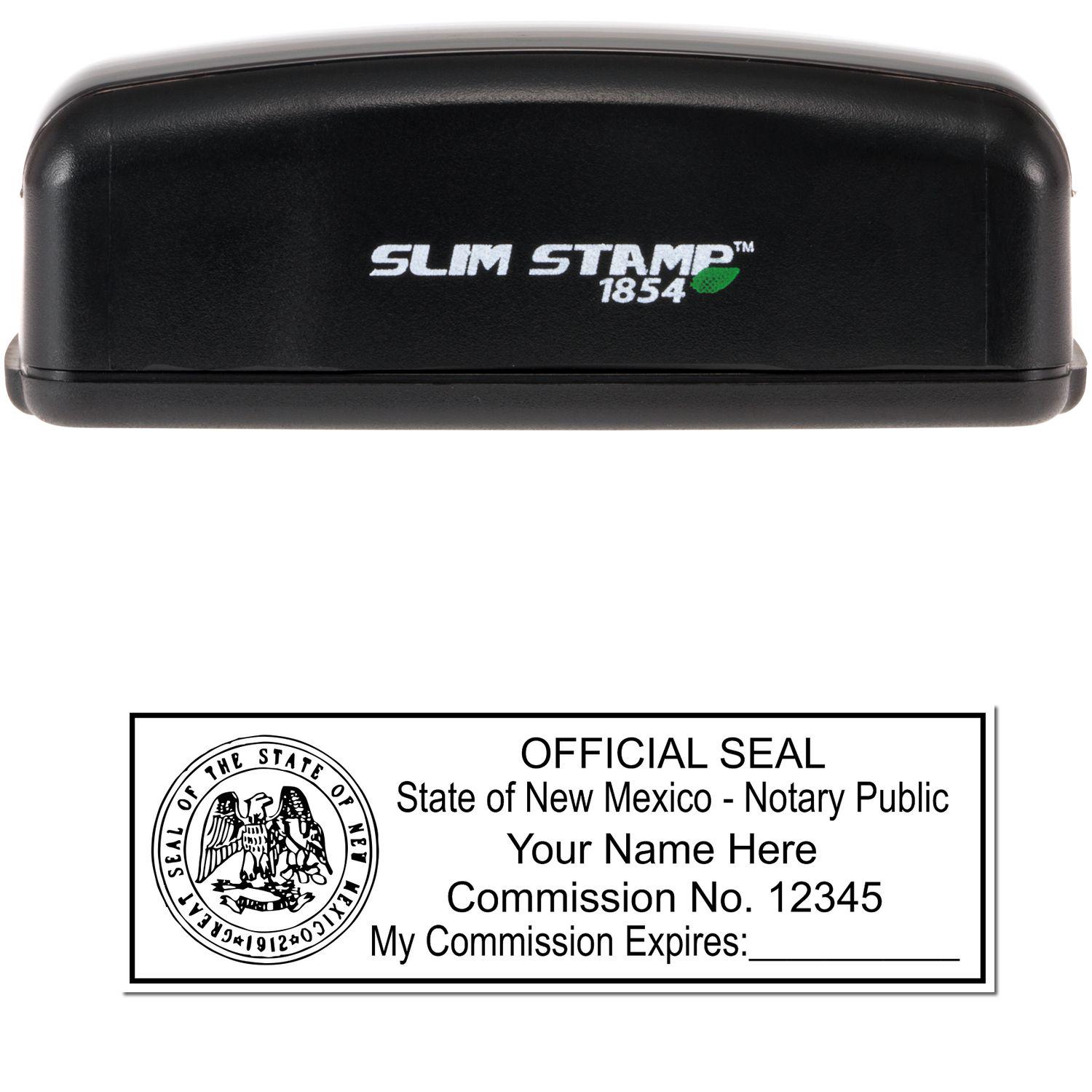
If you’re preparing to serve as a New Mexico Notary Public, one of the first steps is deciding on a reliable New Mexico notary seal. The right seal ensures your official documents are clearly authenticated and helps you fulfill your notarial duties with confidence. Whether you’re completely new to this process or simply looking to upgrade your current seal, this guide will walk you through everything you need to know. You’ll discover the key factors to consider, learn about different seal types, and find tips to keep your notary tools in excellent condition.
Understand the Role of a New Mexico Notary Seal
A notary seal verifies the authenticity and legitimacy of the transactions you oversee. When you place your seal on a document, you are effectively certifying the date, venue, and identity of the signer under your care. In New Mexico, your notary seal acts as a crucial piece of evidence should any legal questions arise in the future.
Your seal is more than a press or stamp. It’s a representation of your responsibility as a notary public. Each time you use it, you confirm that you followed the correct procedures — verifying signers, checking identification, and ensuring the individual is signing willingly. Because every notarization is part of an official record, your seal remains one of the most important tools in your professional toolkit.
How the Seal Protects You and the Public
- Establishes authenticity: A consistent, clearly stamped or embossed seal signals that you have conducted your notarial duties in line with state law.
- Prevents tampering: If a document is ever challenged, your seal can help verify that it has not been altered.
- Clarifies jurisdiction: It shows that the document was notarized under your authority as a New Mexico Notary Public, which can be especially important if the document crosses state lines or is used in court.
Follow State Requirements and Guidelines
Before you purchase or customize any new notary seal, it’s wise to familiarize yourself with the official guidelines set by the New Mexico Secretary of State. Requirements can evolve, so you’ll want the most up-to-date information on seal design, content, and usage restrictions.
- Verify mandatory seal elements: New Mexico typically requires at least your name and the words “Notary Public” or “Notarial Officer.” Some seals must include your commission number and commission expiration date.
- Check any color or shape restrictions: Many states, including New Mexico, allow either an ink stamp or an embosser. However, verify if there are rules about using certain ink colors or shapes.
- Keep track of commission details: For each term you serve, your notary commission might need renewal. Make sure you update your seal with the new expiration date to remain compliant.
Always remember that New Mexico notary laws can change. Periodically review the Secretary of State’s website or official publications to ensure your seal is always valid. If you have any lingering questions, you can reach out to professional notary associations or check with your local county clerk for clarity.
Choose the Right Type of Notary Seal
Today’s markets offer several variations on the traditional notary seal, from pre-inked stamps to classic embossers. Take some time to decide which type will best meet your needs for clarity, speed, and professional appearance.
Self-Inking Stamps
Self-inking stamps are a popular choice for notaries who need to deliver clear, repeatable impressions quickly. Their inbuilt ink pad re-inks the stamp each time, so you can work efficiently in higher-volume scenarios such as loan signings or estate closings.
Pros:
- Convenience — no separate ink pad required.
- Clean, consistent impressions many times in a row.
- Easy to store and carry.
Potential Considerations:
- Ink pads need periodic replacement or re-inking.
- The stamping surface must be flat for best results.
Pre-Inked Stamps
Pre-inked stamps are known for creating extremely crisp, dark impressions. They often last for thousands of impressions before needing to be refilled. If you want impeccable clarity on official documents, pre-inked stamps may be your best bet.
Pros:
- Highly detailed impressions.
- Large ink capacity.
- Relatively silent operation (helpful in quieter offices).
Potential Considerations:
- Slightly pricier than self-inking options.
- Ink replacements might be brand-specific and require the correct refill ink.
Embossers
Embossers create a raised imprint on paper that is unmistakably official. Some New Mexico notaries prefer embossers for a more traditional or elegant look, especially on certificates and official letters.
Pros:
- Tamper-evident raised impression.
- Professional and timeless appearance.
- No ink pad required.
Potential Considerations:
- Some documents may not have enough space for an embossed seal.
- Raised impressions can be difficult to photocopy, which might pose challenges if you need to scan copies.
Below is a quick comparison table for easy reference:

Decide on Personalization Options
Once you have narrowed down the type of seal that suits your daily notarial tasks, it’s time to consider how you want it personalized. Beyond your name and commission details, you may have options for shaping the layout, customizing font styles, and selecting specific ink colors (if you choose an ink stamp).
- Font Style: Choose a font that is easy to read while maintaining a professional look. Script fonts, for example, can seem elegant but might be harder to decipher when stamped or embossed.
- Layout and Spacing: Ensure your seal’s text is well-spaced to prevent letters from blending. Optimal spacing also makes your seal easier to read in photocopies or scans.
- Color Options: Black ink is the most common, but blue or purple ink may also be acceptable if permitted. Keep official guidelines in mind here. The goal is clarity rather than flair.
- Personal Preference: If you want a more personalized look, some providers offer mild design variations or decorative borders, but be sure any additional elements remain within your state’s rules.
Consider Supplier Reputation and Quality
Choosing the right supplier is as important as choosing the seal itself. A notary is expected to produce professional, reliable impressions, and a poor-quality seal can undermine your efficiency and image. That’s why it helps to work with a proven supplier you can trust.
Why Supplier Choice Matters
- Durability and Materials: A top-grade seal will stand up to repeated use without wearing out or producing smeared impressions.
- Customer Service: Quick turnaround times, easy reorder processes, and responsive communication can save you a lot of stress in the long run.
- Compliance Expertise: Reputable suppliers keep up to date on state regulations and will ensure your seal meets New Mexico requirements before shipping it out.
Acorn Stamps: A Trusted Partner
When you’re looking for a proven supplier of New Mexico notary seals, Acorn Stamps is a name to know. Family owned and operated since 1964, they have over 60 years of service under their belt. That foundation translates into expertise you can count on. Whether you need a self-inking stamp, a sturdy embosser, or any accessories, Acorn Stamps offers:
- Stellar customer service that can answer your questions about meeting New Mexico notary seal requirements.
- Super fast turnaround, so you can finalize your notary commission paperwork and get to work quickly.
- A range of products built to last, ensuring your seals look sharp on every document you notarize.
Properly Use and Maintain Your Notary Seal
Owning a New Mexico notary seal means more than keeping it in a drawer until you have a signing. Proper usage and care are essential to maintain your professional image and prolong the life of your seal.
Best Practices for Using Your Seal
- Test Impressions Periodically: Especially if you have a new stamp or embosser, practice on scrap paper to confirm it’s leaving a clear, legible imprint.
- Place It Correctly on Documents: Aim for a clear area, typically near or below your signature, where the seal can be easily seen without overlapping text.
- Follow Each Document’s Instructions: Some legal documents may specify a particular location for notary impressions. Double-check to ensure compliance.
- Respect the Sequence: Remember to confirm the signer’s identity, fill out the notarial certificate, then place your seal as the final endorsement.
Maintenance Tips
- Storage: Keep your seal in a clean, dry place to protect the stamping surface or embosser components from dust and moisture.
- Re-Inking: Periodically check the ink level if you have a self-inking or pre-inked stamp. Re-inking before ink fully dries prolongs the life of the internal pad.
- Replacement Parts: Some seals might need fresh rubber dies or embossing plates over their lifetime. Opt for replacements made by the original supplier for consistent quality.
- Security: You’re responsible for safeguarding your notary seal, so store it in a locked drawer or container to minimize unauthorized use.
By treating your seal well, you’ll avoid messy impressions, smudges, and potential rejections of notarized documents. Plus, a well-maintained seal helps uphold your reputation as a detail-oriented and reliable notary.
FAQs About the New Mexico Notary Seal
Below are five of the most frequently asked questions about procuring and using a New Mexico notary seal. These answers should help you feel more confident about purchasing, personalizing, and maintaining your notary tool.
Do I Need a Public Record of My Notary Seal?
In some states, you must file or record an impression of your seal with local authorities. Check the New Mexico Secretary of State’s guidelines to see if this is required. It may vary based on county regulations or updated legislation.
Can I Use a Seal from Another State?
Generally, your seal must reflect the jurisdiction where you hold your notary commission. If you move to a different state or transfer your commission, you’ll need a new seal that meets that state’s requirements.
How Often Should I Replace My Seal?
There’s no strict rule on how often to replace your seal, but you should do so if it no longer produces crisp, clear impressions or if your commission information changes. Inked stamps typically last thousands of impressions, while embossers can work indefinitely if you keep them clean and aligned.
Are Electronic Notary Seals Allowed in New Mexico?
Electronic notarization has become more common, but each state has different rules. If you plan to provide online or remote notarizations, verify whether you need a specific digital certificate or specialized software. An e-seal may be part of that setup, but it’s separate from your physical seal.
Where Can I Purchase a High-Quality Seal?
If you want dependable products that meet New Mexico’s requirements, you can’t go wrong with a trusted supplier. For over 60 years, Acorn Stamps has been dedicated to providing top-notch new mexico notary seals, notary stamps, and outstanding customer service to match. They prioritize fast turnaround and will work with you to ensure your seal meets every detail of your commission.
By staying informed about your responsibilities and choosing a high-quality New Mexico notary seal, you’ll be set to carry out your duties confidently. From verifying signers’ identities to stamping documents that might end up in court or overseas, your seal tells the world that you take your position seriously. With a knowledgeable supplier, proper maintenance, and firm adherence to state rules, you’ll have all the assurance you need for years of successful notarizations. Remember, a dependable seal is more than a piece of equipment. It’s your professional fingerprint on every document you notarize — treat it well, and it will serve you faithfully throughout your commission.