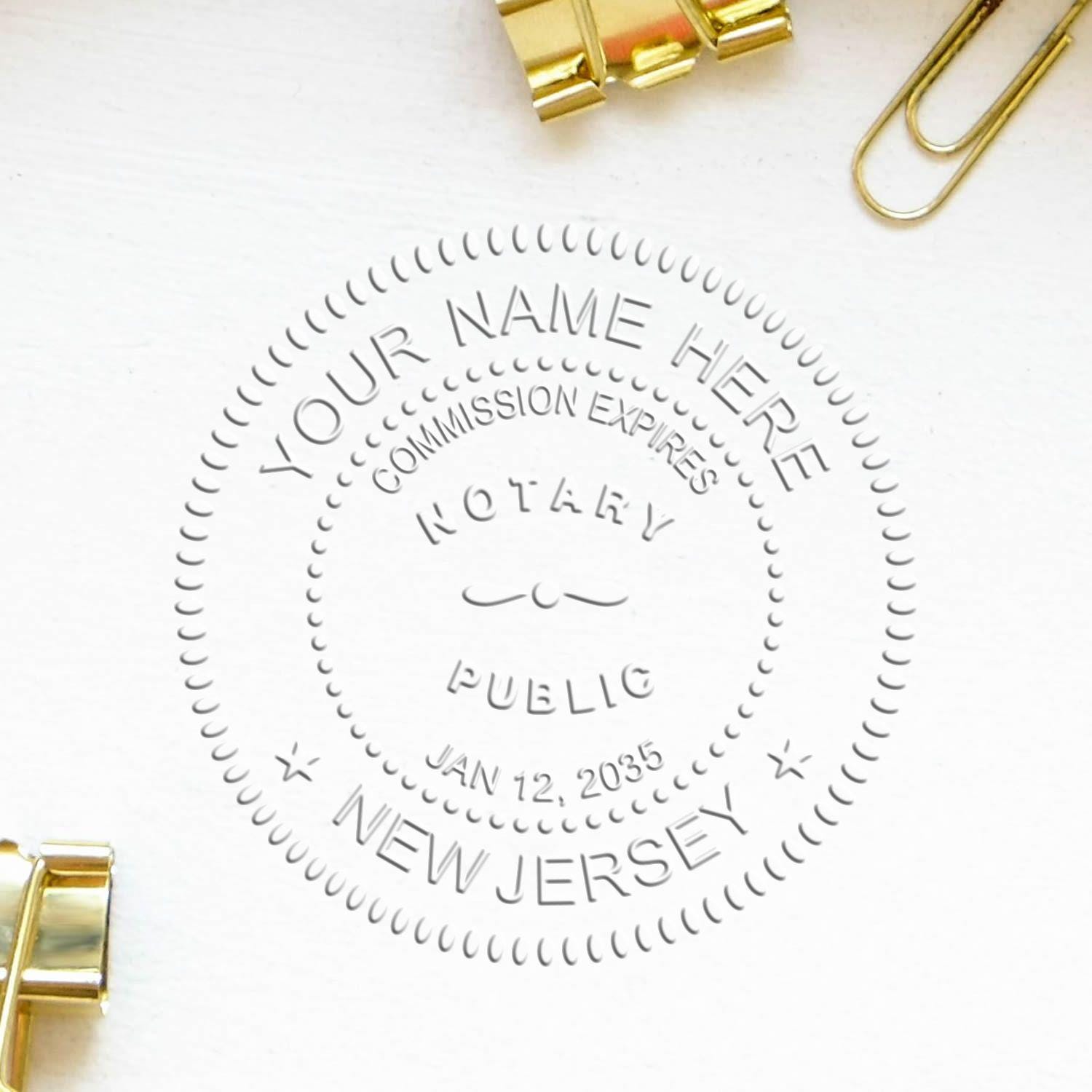
New Jersey requires specific guidelines for notary stamps and seals that you, as a notary public, must follow carefully. Understanding these requirements will help you avoid potential fines or penalties and ensure your notarizations stay valid. Below is a comprehensive look at the new jersey notary stamp requirements, complete with best practices for selecting, using, and maintaining your notary stamp.
Understand The Notary Stamp’s Role
Before diving into the core specifications for New Jersey notary stamps, it helps to know why these stamps are so essential. As a notary public, you confirm the authenticity of signatures and identities in various legal matters. Your notary stamp (sometimes called a seal) is part of this official duty. It provides:
- A clear indication that you are authorized by the state to notarize.
- A visual record of the notarial act, which helps deter fraud.
- A consistent, traceable mark that adheres to state regulations.
When you press your stamp onto a document, you are effectively certifying that you checked the signer’s identity, followed the proper procedures, and recorded the act in your notarial journal. This is why the design and usage of your stamp must align with state-specific rules.
Identify The Basic Requirements
New Jersey law has a few key requirements for notary stamps. While regulations can change over time, the following basics generally apply:
- Stamp Information: Your stamp must contain your name, the words “Notary Public,” and “State of New Jersey.” The exact layout may vary, but these identifying details must be clearly legible.
- Legibility: Your stamp cannot be so small or overcrowded that it becomes illegible. If the imprint is difficult to read or smudged, you may risk invalidating the notarization or facing issues during recordkeeping.
- Consistency: The name on your stamp should match exactly the name on your notary commission certificate. If your commission reads “Jane R. Doe,” your stamp should not say “Jane Doe” or “J. R. Doe.” Always keep your name consistent to avoid confusion.
- Format: Although the state may allow either a stamp or an embosser, it is important to confirm the most recent guidelines. Many notaries choose ink stamps for clarity, while others prefer embossers for added security.
By ensuring these fundamentals, you’ll protect yourself from potential compliance issues and keep your documents official and trustworthy.
Know The Approved Layout And Ink Colors
Once you are sure of the basic information required on your stamp, you will want to pay attention to layout and ink color as well:
- Layout: New Jersey notary stamps are typically rectangular or circular. You can pick whichever shape you prefer, as long as it clearly displays your information. The text must be arranged so it does not overlap and is easy to read.
- Ink Colors: Although black ink is the most common choice because it often scans and copies best, some notaries opt for blue ink to provide a distinct contrast on documents. Either color is usually acceptable in New Jersey, but check the state’s official guidelines for updates and any new restrictions on ink color.
- Embossers: If you choose an embosser instead of an ink stamp, be mindful that embossment alone might be insufficient for documents that require photocopying. Some agencies may ask for a dark ink impression in addition to (or instead of) an embossed seal.
Different Types Of Notary Stamps
Your choice of notary stamp can help streamline your work. Below are some popular types of stamps you may encounter:
Self-Inking Stamp
- Contains an internal ink pad.
- Produces a clear, crisp impression without requiring a separate ink pad.
- Generally lasts through thousands of impressions before needing additional ink.
- Uses an ink reservoir inside the stamp body.
- Offers sharper and cleaner images than self-inking stamps, though refill ink can be a bit pricier.
- Often smaller in size and produces minimal noise during stamping.
Rubber Stamp With Separate Pad
- The traditional style, sometimes favored for its wide variety of ink colors.
- Requires a separate ink pad, which can be inconvenient if you need to travel frequently for notarizing.
- Costs tend to be lower, but keeping track of the pad can be tricky.
Embosser
- Presses text or an image into the page, creating a raised impression.
- Often used to impress a more formal, traditional feel on official documents.
- May be combined with ink or placed near an ink stamp for easier scanning.
Depending on your personal preference and the volume of documents you handle, one of these types may prove more efficient. Just remember to keep your stamp or embosser updated with current details if your commission changes.
How To Use And Maintain Your Stamp
Even the most carefully chosen notary stamp will lose its effectiveness if not used and maintained correctly. Here’s how you can make sure yours is always ready for a professional impression:
- Store Properly
Keep your stamp in its protective case or a clean, dry place away from direct sunlight. Excessive heat or moisture can degrade the ink and the rubber surface, leading to poor impressions.
- Keep It Secure
Only you, as the commissioned notary, should have access to your stamp. Never lend it out or let unauthorized people handle it. Some states impose steep penalties if your stamp is misused, even if you were unaware.
- Re-Ink Or Refill
Watch for signs of faint or incomplete impressions. Most self-inking and pre-inked stamps can be refilled. Use high-quality ink recommended by the manufacturer to ensure consistent clarity.
- Practice On Scrap Paper
Before you stamp an important document, do a quick test impression on a spare sheet of paper. This helps you catch any fading or issues so you can correct them before stamping official paperwork.
Replacing And Renewing Your Stamp
Your notary commission in New Jersey typically lasts for a set term, often five years. Once this term ends, or if your name changes, you must renew your commission or update your stamp to reflect your new information. Key points include:
- Renew Early: To avoid any gaps where you cannot legally notarize, begin the renewal process at least a few weeks before your current commission expires. Confirm the exact timeline with the New Jersey Department of the Treasury or other relevant agencies responsible for notary commissions.
- Name Changes: If you get married, divorced, or legally change your name, you must notify the appropriate state office and acquire a new stamp with your updated legal name.
- Disposal: Once your commission expires or you receive a new stamp, you’ll need to properly dispose of your old stamp to prevent misuse. Some notaries remove or destroy the rubber or metal plate, ensuring no one can produce unauthorized notary impressions.
Staying current with your commission and ensuring your stamp is valid are vital aspects of fulfilling your notarial duties without interruption.
Choosing A Trusted Supplier
Acquiring a quality stamp that meets all new jersey notary stamp requirements is a crucial step in building a reliable notary practice. With so many stores and online providers, you want to pick a supplier with a strong reputation and experience in fulfilling state-specific regulations.At Acorn Stamps, you will find:
- Expert craftsmanship according to New Jersey guidelines.
- Personal customer service, backed by a family-owned and operated legacy since 1964.
- Super fast turnaround times, ensuring you can notarize with confidence as soon as possible.
- A variety of stamp styles, from self-inking to pre-inked models, plus traditional embossers.
Because the company is deeply familiar with notary laws, you will have support in choosing the exact stamp layout and ink that best matches your specific needs. By selecting a trusted provider, you’ll save yourself the headache of returns or reorders and start your commission on the right foot.
FAQs On New Jersey Notary Stamp Requirements
Below are some commonly asked questions about new jersey notary stamp requirements to help clarify any lingering details.
Can I Use A Stamp I Bought For Another State?
No, you must use a stamp that reflects your active commission in the State of New Jersey. Even if the same vendor sells stamps for multiple states, you should not reuse or repurpose a stamp from an old commission or a different jurisdiction.
What Should I Do If My Stamp Is Lost Or Stolen?
First, report the loss to your local authorities or the appropriate state office. Then, arrange for a replacement stamp immediately. You are responsible for any notarial acts carried out with your official seal, so keeping it secure or reporting it stolen prevents unauthorized use.
Is An Ink Stamp Or Embosser Required By Law?
While many notaries in New Jersey opt for an ink stamp for clarity, some also use an embosser. The state may allow either, but check official sources for the latest specifics. When in doubt, an ink stamp is often the safest bet for scannable forms.
How Often Should I Update My Stamp?
You only need to get a new stamp if your legal name changes, your commission information changes, or your current stamp becomes worn beyond recognition. Each time you renew your notary commission, confirm that your stamp remains correct and legible.
Are There Any Penalties For Using An Outdated Or Incorrect Stamp?
Yes, you may face a penalty or be held liable for improper notarizations. Always use a stamp that matches your current legal name and active notary commission to avoid noncompliance with state regulations.
By following these guidelines, you will stay on track with the new jersey notary stamp requirements and maintain a professional image. Whether you choose a traditional embosser or a convenient self-inking stamp, the most important factor is ensuring it meets New Jersey’s regulations and consistently produces a legible, compliant impression. With the right tools and careful recordkeeping, you’ll serve your community as a reliable, confident notary public.