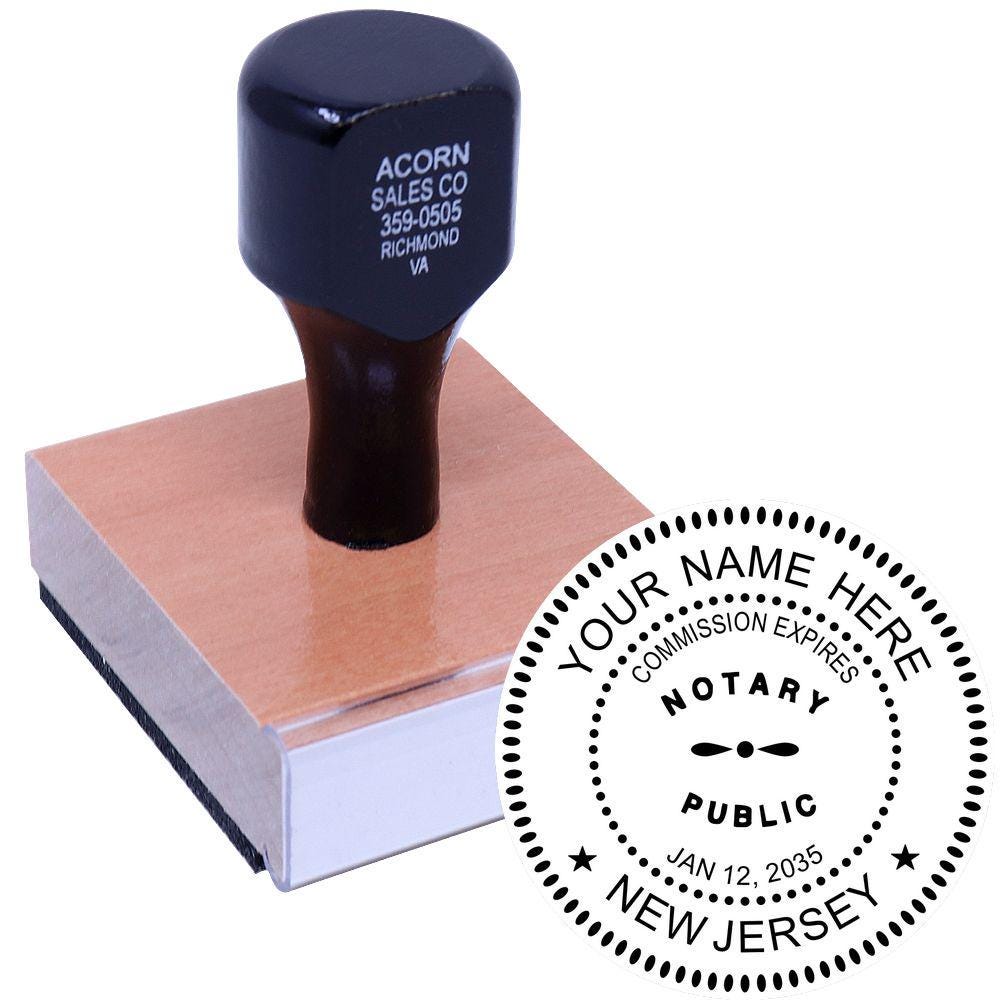
When you serve as a New Jersey Notary Public, having the right tools can make all the difference in your work. One key piece of equipment to consider is the “new jersey notary embosser.” This handy device not only lends a professional touch to your notarized documents but also ensures you meet state requirements. Whether you’re just starting your notary journey or looking to upgrade your existing seal, understanding the benefits of an embosser can elevate your notary game significantly. Below, you’ll find helpful insights into why an embosser is essential, how to use it properly, and what features to look for—along with answers to your most pressing questions at the end.
Understand the Role
Your New Jersey Notary Embosser serves a vital function in authenticating documents. When you press it onto paper, the raised impression indicates that you have witnessed or verified certain acts, such as signatures or sworn statements. Embossing provides an extra layer of security because it’s not just ink on the page—it’s a physical imprint that’s more difficult to replicate or tamper with. This official seal boosts credibility and reassures signers that you’re fulfilling your legal obligations as a notary.
Ensuring Compliance
As a notary in the Garden State, you must adhere to New Jersey laws that govern seals and notarization practices. An embosser gives you a quick, reliable method of leaving a distinct and compliant mark on each notarized document. By using an embosser clearly designated for your notary commission, you help avoid confusion, comply with legal requirements, and maintain public trust.
Enhancing Credibility
Clients often look for visual cues that confirm their documents are being handled properly. A raised seal conveys professionalism and builds confidence. The tactile feel of an embossed seal can also make your notarized documents stand out compared to a simple ink stamp.
Why You Need One
You might wonder why you should invest in a New Jersey Notary Embosser when an ink stamp can seem easier. The short answer is that the embosser offers durability, prestige, and a sense of tradition. While ink stamps are perfectly valid, many notaries prefer the added gravitas and tamper-resistance that come with an embossed seal.
Lasting Impressions
A notary embosser creates a raised imprint that can’t be easily altered or removed. Unlike ink, which can fade or smudge over time, an embossed seal remains intact for the life of the document. This longevity is especially important for official documents stored for extended periods, like wills, powers of attorney, or real estate transfers.
Professional Appearance
As you build your notary practice, a well-made embosser can help differentiate your service. When people see that crisp, raised seal, they’re reminded of your professionalism and attention to detail. If you often handle documents for businesses, government agencies, or high-profile clients, an elegant embosser can be a subtle statement of quality.
Added Security
Security is a top concern in any notarization. Because an embossed seal produces a physical impression, it reduces the risk of fraudulent reproduction. While it’s not impossible to forge, it’s more complex than duplicating an ink stamp, offering an extra layer of document protection.
Key Features To Note
Before purchasing a new jersey notary embosser, you’ll want to look for a few essential qualities. These can include build quality, ease of application, and compliance with state regulations.
Durable Construction
A strong frame made from metals like steel or brass ensures that your embosser will stand up to frequent use without bending or breaking. Look for steady handles that offer a smooth pressing motion, reducing hand strain. High-quality construction also means your embosser will remain precise over time, eliminating the chance of producing faint or uneven impressions.
Ergonomic Design
Consider how comfortable the embosser feels in your hand, especially if you perform multiple notarizations in a day. Some embossers feature padded grips or angled handles that require less force. This ergonomic design can be particularly helpful if you have small hands or deal with mild arthritis.
Proper Seal Diameter
New Jersey law usually spells out the type of seal you must use, including specific guidelines for border, text, and diameter. Make sure to confirm that the embosser you’re buying has the correct information and size. If you’re unsure, consult the state notary handbook or a reliable supplier like Acorn Stamps.
Clear Impressions
An embosser’s primary function is to leave a crisp, readable mark. Pay attention to the depth and clarity of the engraving. A well-etched die—the part that actually does the embossing—will produce a clean impression without tearing or creasing the paper.
How To Use It
Once you have the ideal notary embosser, you’ll want to ensure you use it correctly. Follow these straightforward steps to get a consistent, legally valid imprint every time:
Prepare the Document
- Review the document to confirm it’s complete, with all required text and signatures.
- Verify that the signer’s details are accurate and that you’ve witnessed or verified their identity appropriately.
Position the Embosser
- Open the embosser jaws and place them on the designated spot on the document. Typically, this area is near or directly below your signature line, but always follow any specific regulations New Jersey imposes on seal placement.
Press Firmly and Evenly
- Squeeze the embosser handles together with steady pressure. Avoid jerky or uneven force, as that can cause a partial or smeared seal.
- Check that the paper forms a distinct, raised imprint free from tears.
Final Inspection
- Verify that the notary’s name, commission number, commission expiration date, and any other required information appear clearly in the embossed area.
- Make sure there are no smudges or incomplete lettering.
Document Your Notarization
- Log the notarized act in your record book or notary journal.
- Store or deliver the document according to the client’s needs and any pertinent state guidelines.
Types of Embossers
Not all notary embossers are created equal. You’ll find different styles suited to various preferences, budgets, and usage levels.
Handheld Embossers
These compact tools are easy to carry, making them ideal if you travel often or provide mobile notary services. They occupy minimal space in your briefcase or bag. Handheld embossers are usually more affordable but can require a bit more hand strength to use regularly.
Desktop Embossers
Designed for high-volume or stationary use, desktop embossers sit firmly on a flat surface. They often have a lever mechanism to reduce the effort needed to create an imprint. This is useful if you handle hundreds of documents a month or prefer a more stable option. Keep in mind that desktop models can be bulkier and cost more than handheld versions.
Pocket Seals
If space is at a premium or you need maximum portability, a pocket seal might be your best choice. These small devices fold up for easy transportation. While they’re typically used for infrequent tasks or quick notarization jobs, they can still produce a crisp, professional mark.
Choose the Right Embosser
Now that you know the basic types, how do you choose the perfect one for your needs? Consider the following factors before making your purchase.
Usage Frequency
Think about how often you’ll be embossing documents. If you only notarize on occasion, a handheld model might suffice. But if you manage a busy practice, a sturdier desktop version can help save on hand strain and expedite your workflow.
Budget and Quality
Prices can vary, so try to balance cost with long-term durability. A cheap embosser may break after a few months, leading you to replace it sooner. This can cost you more in the long run. Look for an embosser from a reputable supplier like Acorn Stamps, which provides New Jersey notary seals and stamps known for their sturdy build and crisp impressions.
Comfort and Ergonomics
No matter how sleek a model appears, it won’t serve you well if it’s uncomfortable to use. If possible, test an embosser before you buy. Check handle grip, overall weight, and whether it fits your hand size. Ergonomic designs can significantly reduce fatigue.
Official Requirements
Always confirm that your chosen embosser meets New Jersey’s specific requirements. These rules typically concern diameter, border design, and text elements like your name, the state, and your notary commission details. Non-compliance risks invalidating your notarization, so it’s worth double-checking the fine print.
Where To Buy It
You have multiple options when it comes to purchasing a high-quality new jersey notary embosser. Local office supply stores may carry standard models, but you risk limited variety or items not fully aligning with New Jersey regulations. Online marketplaces can also be an option, yet it’s important to verify a product’s legality and authenticity before purchase.
A more dependable route is working directly with a specialized supplier, such as Acorn Stamps. As a family-owned and operated company since 1964, Acorn Stamps brings decades of expertise and a commitment to stellar customer service. Their notary seals, including those designed specifically for New Jersey, are known for durability, clarity, and quick turnaround. By partnering with a trusted source, you ensure your embosser meets the state’s standards and arrives ready to use.
Effective Notarization Tips
Having the proper notary embosser is only one part of offering a fully compliant and professional notary service. Here are a few additional tips:
- Keep a Notary Journal
In many cases, maintaining a notary record book or journal isn’t just recommended—it's a legal requirement. By logging each transaction, you provide a trustworthy record should questions arise later.
- Verify Your Commission Details
Double-check that your name, commission number, and expiration date match state records. If anything changes, order updated stamps and seals promptly so your documentation stays current.
- Store Your Embosser Securely
Whether you choose a handheld or desktop model, keep your seal locked away when not in use. This prevents unauthorized embossing that could compromise your credibility.
- Consistently Review State Laws
New Jersey’s notary requirements can evolve over time. Make a habit of revisiting the statute or official guidance to stay compliant. Consider subscribing to any New Jersey state email alerts or professional notary associations for updates.
- Offer Friendly, Helpful Service
Clients may be nervous about signing official documents. Put them at ease with a supportive, welcoming approach. Clearly explain each step of the notarization, and answer any questions they may have.
- Leverage Family-Owned Expertise
Sometimes you need personalized guidance about which embosser to buy or how to care for it. Family-owned businesses like Acorn Stamps pride themselves on offering hands-on support to new and experienced notaries alike.
Frequently Asked Questions
Below are five common questions many New Jersey Notaries have before committing to a notary embosser.
Do I Need an Embosser if I Already Have a Stamp?
Typically, you can use either a stamp or an embosser to validate documents in New Jersey, as long as it meets state requirements for size and content. However, some notaries prefer using both. An embosser adds a physical, raised seal that can be more difficult to replicate, offering extra security and a more professional look.
What Should My Embosser Include?
Most New Jersey notary embossers have your name, the words “Notary Public,” the state’s name, and possibly your commission expiration date. Check current New Jersey notary regulations or reach out to a trusted supplier like Acorn Stamps to confirm the exact format necessary.
How Long Does an Embosser Last?
A well-constructed model can last for many years with proper care. High-quality metal frames, such as those from Acorn Stamps, are designed to handle frequent use without losing clarity in their impressions.
Can I Travel With It?
Absolutely. Many notaries provide mobile services that require them to notarize a range of documents on-site. If you plan on traveling, consider a handheld or pocket embosser, which can fit comfortably in your bag without sacrificing performance.
Is It Hard To Replace the Die?
In most cases, you won’t need to replace the embossing die unless your commission details change or the die experiences damage. If you do need a replacement, many suppliers can create a new insert without requiring you to buy a brand-new embosser. Check in with Acorn Stamps for swift reproduction of your updated seal details.
By choosing a high-quality new jersey notary embosser and following best practices, you’ll be well-equipped to offer credible, professional notarization services. From ensuring proper document authentication to enhancing the look and feel of your paperwork, the right embosser can make an immediate impact on your notary business. And when you partner with a trusted family-owned provider like Acorn Stamps, you can feel confident that you’re getting a top-tier product and top-notch support. Here’s to taking your notary game to the next level!