Learn Why NJ Notary Supplies Matter
Having the right NJ notary supplies is essential for your day-to-day duties. Whether you’re notarizing legal documents, administering oaths, or certifying affidavits, high-quality tools can help you work efficiently while maintaining full compliance with New Jersey’s regulations. You’ll find that a few well-chosen items—like a reliable stamp, seal, and notary journal—not only simplify your workflow but also give clients and colleagues greater confidence in your work.
Understanding which supplies to keep on hand can feel overwhelming at first, especially if you’re new to the notary world. However, once you know the core essentials and how to use them, you’ll be able to provide accurate notarial services quickly and reliably. In this guide, you’ll discover how to choose the right notary stamp, how to incorporate a notary seal effectively, and how to maintain safe record-keeping habits, so you can focus on providing top-notch service to your community.
Choose The Right Notary Stamp
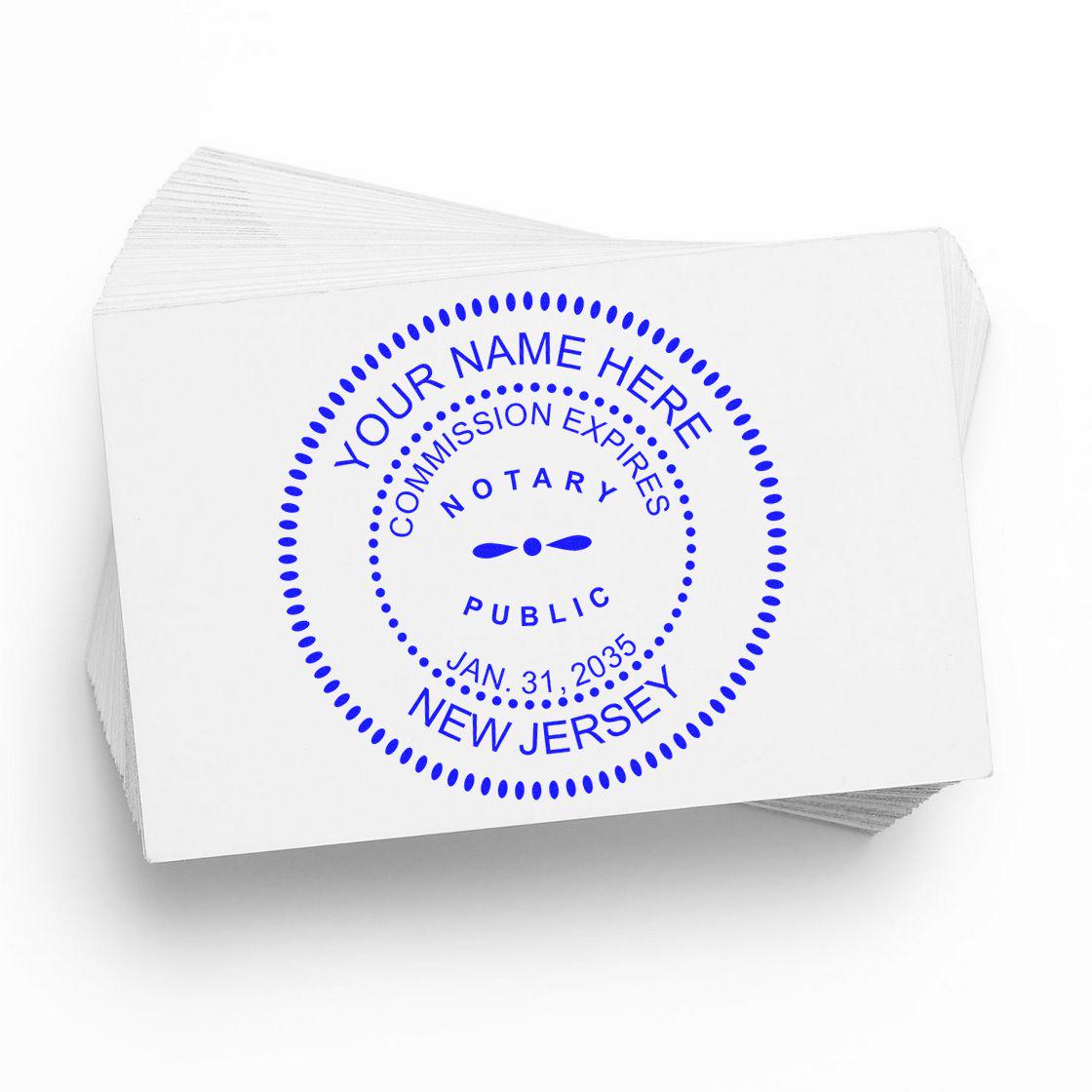
Your notary stamp is the tool you’ll likely reach for most often. A crisp, consistent impression not only makes your documents look professional but also helps ensure authenticity. In New Jersey, the law requires that you use a stamp or seal that includes specific details about your commission. By selecting a stamp that meets New Jersey’s legal guidelines, you’ll avoid potential issues with improperly stamped documents.
Consider Stamp Types
- Self-Inking Stamps: These carry an internal ink pad and automatically re-ink after each use. They save you time and produce clean, uniform impressions.
- Pre-Inked Stamps: Pre-inked models often deliver sharper impressions than self-inking units, thanks to their higher ink saturation. They can be a great choice if you notarize documents frequently throughout the day.
- Traditional Wood Handle Stamps: While these are more traditional and may feel classic, they require a separate ink pad. Some notaries enjoy the hands-on feel but find it slightly slower to use.
What to Look For
When shopping for your notary stamp, pay attention to its durability, ease of use, and quality of impressions. Since you’ll be stamping countless documents over your commission’s term, you want a product that stands up to regular wear and tear. Check for:
- Ergonomic design that’s comfortable to handle.
- Refillable or replaceable ink pads to prolong the life of your stamp.
- Clear lettering that meets the legal requirements for the State of New Jersey.
Add Precision With A Notary Seal
In New Jersey, you may choose to use a notary seal (embosser) in combination with your signature or stamp to provide another layer of security. Some notaries find that using both a stamp and an embosser helps distinguish official documents from mere copies or drafts.
How An Embosser Works
A notary seal embosser raises a permanent impression on the paper, physically altering it so that the mark can be felt to the touch. This raised mark signifies that you properly verified the identity and authenticity of the document’s signer. Because seals can’t be easily replicated with simple photocopying, they add a layer of tamper-resistance that benefits both you and the signer.
Choosing The Right Seal
If you decide to incorporate a seal, consider an embosser with a comfortable grip and the ability to produce clean, sharp impressions without requiring intense hand pressure. Some modern embosser designs feature a lever-based mechanism, making them easier to use repeatedly. Make sure the device includes all necessary New Jersey notary details, such as your name and commission information, to remain in compliance with state guidelines.
Maintain A Detailed Notary Journal
Keeping a thorough and well-organized notary journal is more than just a best practice. In several states, it’s a legal requirement—and even in New Jersey, it greatly enhances your record-keeping and protects you against potential disputes. Your journal can serve as proof that you performed each notarization properly and with full authorization.
What To Record
Each time you notarize a document, note the:
- Date and time of the notarization.
- Type of document (e.g., affidavit, contract).
- Signer’s name, address, and identification details.
- Method of identification used (driver’s license, passport, etc.).
- Signer’s signature and your own official notary signature.
These details create a clear paper trail, protecting you if any questions arise about the authenticity of a notarization.
Journal Format Options
Some notaries are most comfortable with a traditional bound paper journal, which can serve as a tangible record of their work. Others opt for an electronic notary journal, especially those who prefer digital archiving systems. As long as your entries are secure, accurate, and readily accessible, you’ll uphold the essential record-keeping standards.
Organize And Protect Your Notary Tools
Your stamp, embosser, and journal should be treated as valuable professional tools. Taking good care of them helps maintain the quality of your impressions and ensures your practice follows legal guidelines. While it’s tempting to leave your notary kit out on a desk for quick access, there are safer and more efficient ways to store your items.
Secure Storage Solutions
- Lockable Drawer or Cabinet: Keep your stamp and seal in a locked compartment to prevent unauthorized use. A lockable space also offers protection from damage or theft.
- Marked Cases or Pouches: You might store your notary tools in a dedicated case labeled with your name. This prevents mixing them up with office supplies.
- Minimal Exposure to Heat or Sunlight: Stamps and ink pads can degrade over time if exposed to extreme temperatures or direct sunlight. Keeping them in a cool and dry place prolongs their lifespan.
Maintenance Tips
Along with storing your supplies properly, it’s wise to clean them occasionally based on the manufacturer’s instructions. Wiping away ink residue and dust ensures your stamp and seal will continue to deliver crisp, professional impressions.
Partner With A Trusted Supplier
When it comes to NJ notary supplies, choosing a reliable source is as important as selecting the right type of tool. You want to be sure that your stamp, seal, and other items accurately reflect the requirements for a New Jersey notary public and that they’re built to withstand intensive use.
We recommend working with a supplier like Acorn Stamps, a family-owned business serving notaries for 60 years. By focusing on exceptional customer service and a super-fast turnaround, Acorn Stamps makes it easy for you to get everything you need quickly. Their stamps and seals are specifically designed for New Jersey notaries, ensuring you’ll stay compliant and professional throughout your commission. You can also benefit from:
- Personal guidance via customer support.
- High-quality materials that reduce wear and tear.
- Convenient reordering options to keep your tools fresh.
With a reputable provider, you’ll sidestep the hassle of guessing whether your supplies meet New Jersey rules. Plus, you’ll have a helpful resource to contact whenever you have product questions or need a quick replacement.
Frequently Asked Questions (FAQ)
What Are The Must-Have NJ Notary Supplies For Beginners?
You’ll need a properly formatted New Jersey notary stamp, a detailed notary journal for record-keeping, and an embosser if you choose to add a raised seal. These items help you fulfill your responsibilities and demonstrate your professionalism to clients.
How Often Should I Replace My Notary Stamp?
Your stamp can last for thousands of impressions. However, you should replace it as soon as you notice faint or uneven stamping, or if the legal information on the stamp is no longer readable. Regular maintenance, such as cleaning the ink pad and reinking if possible, can extend its life.
Can I Use A Notary Seal Without A Stamp In New Jersey?
While you may choose to use a seal, you also need a notary stamp that meets specific state requirements. Seals alone typically don’t reflect all the necessary details for a New Jersey commission. Using both can offer an additional layer of security for your notarized documents.
What Should I Do If My Stamp Or Seal Is Lost Or Stolen?
If your notary seal or stamp is misplaced or stolen, take immediate action. Notify the relevant authorities, update your record-keeping, and arrange for a replacement as soon as possible. This swift response helps prevent potential misuse of your notary tools.
Why Choose Acorn Stamps For NJ Notary Supplies?
Acorn Stamps focuses on high-quality materials and precision manufacturing to ensure consistency in every impression. As a family-owned business with 60 years of experience, they understand the demands of New Jersey notaries. Their super-fast turnaround and supportive customer service make it easy for you to keep your supplies up to date, so you can focus on providing accurate, punctual notarizations.
By gathering the right NJ notary supplies, setting up a robust system for record-keeping, and partnering with a trustworthy supplier, you’ll make your notary tasks smoother, faster, and more reliable every day. When your tools are working as hard as you are, you can continue to serve your community with confidence and efficiency.