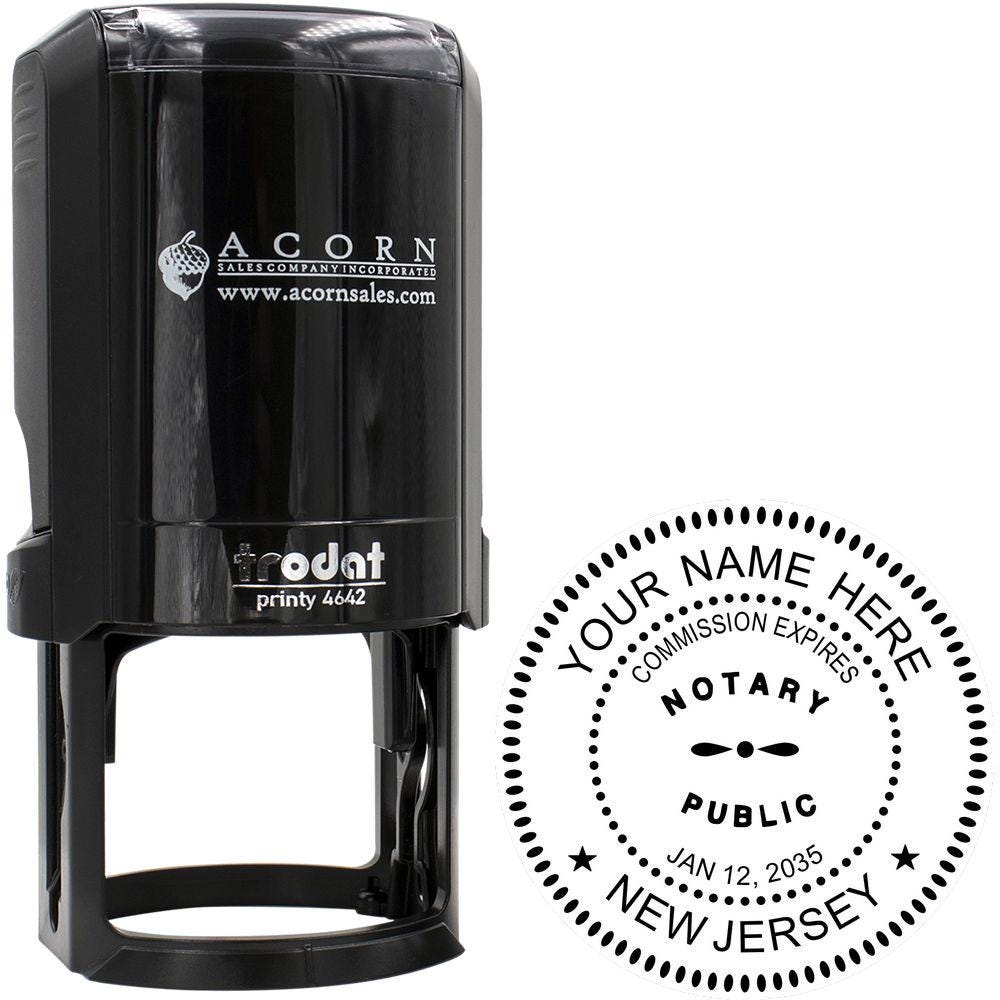
New Jersey offers a unique and rewarding opportunity for notaries. As a notary public in this state, you know that proper documentation, accurate record-keeping, and official seals are essential parts of your role. One of the most important tools you need is a reliable New Jersey notary stamp. When you have the right stamp in your hands, you can fulfill your duties confidently, reduce the risk of errors, and preserve the trust of those who rely on your services.
Understand Your Notary Role
A New Jersey notary public is more than just a stamp-and-seal provider. Your commission involves serving as an impartial witness to signatures, administering oaths, and verifying identities. In many ways, you add a vital layer of security to legal, financial, and official documents. By carrying these responsibilities, you help prevent fraud and ensure transactions run smoothly.
Why Your Role Matters
- You deter fraud: Your notarial act confirms that the signer is who they claim to be.
- You add credibility: Official notarization increases the legitimacy of contracts, affidavits, and other legal documents.
- You protect parties involved: With your impartial validation, you help both signers and recipients trust the legality of the document.
Understanding your responsibilities is the first step toward selecting the right New Jersey notary stamp. When you’re clear about your role, you can make an informed choice that best supports your notarial tasks.
Fulfill New Jersey Requirements
Every state has its own set of rules, and New Jersey is no exception. Although specifics can vary, you typically need to ensure your notary stamp meets the guidelines set forth by the New Jersey Department of the Treasury and the laws governing notaries in the state.
Common Regulatory Points
- Mandatory Stamp or Seal: New Jersey requires notaries to use an official stamp or seal that includes their name, the words “Notary Public,” and the name of the state.
- Legibility: The stamp impression must be clear enough to read the text. Blurred or incomplete stamps can lead to legal complications or the rejection of a document.
- Consistency with Your Commission: The details on your stamp need to match the details on your notary commission, including your name and commission number if required.
While these points outline general practices, always check the official New Jersey government resources or consult a legal advisor for the most up-to-date rules. By ensuring your stamp is compliant, you avoid unnecessary stress and protect the validity of your notarizations.
Select The Right Stamp
Your New Jersey notary stamp is a direct reflection of your professionalism and diligence. With so many options available, choosing the right one can feel overwhelming. However, focusing on a few critical factors will simplify your decision.
Self-Inking vs. Rubber Stamps
- Self-Inking Stamp: This type has a built-in ink pad. It’s quick, efficient, and often less messy than traditional stamps. If you have multiple signings throughout the day, a self-inking stamp can save time.
- Traditional Rubber Stamp: Some notaries prefer the classic rubber stamp. You’ll need to press it onto a separate ink pad each time. While it can be more budget-friendly, it may be less convenient if you handle many documents daily.
Size and Design
New Jersey regulations don’t always specify a particular shape, but you’ll find circular and rectangular options for notary stamps. The size you choose should create a clear impression without taking up too much space on documents. Consider your document types—legal, real estate, or business forms—and pick a stamp size that fits well in the typical notary block area.
Durability Matters
Your stamp should last through hundreds of impressions. Consider metal or heavy-duty plastic construction. It’s worth investing a little more up front to avoid replacing your notary stamp prematurely. Stamps that feature comfortable grips can also reduce hand fatigue. If you’re planning to notarize for extended sessions, you’ll appreciate a design that’s easy on your wrists.
See Why Quality Counts
Not all notary stamps are created equal. Opting for a high-quality New Jersey notary stamp isn't just about spending money, it’s about making sure every impression you make upholds your reputation.
- Professional Appearance: A crisp impression looks polished on official paperwork. Smudged or illegible marks could raise questions about the validity of your notarizations.
- Reliability: Inferior quality stamps may break or produce inconsistent impressions. Every time you stamp a document, you’re making a permanent mark, so quality should never be compromised.
- Timeliness: High-end stamps generally require fewer re-inks, ensuring you can streamline your workflow. This efficiency keeps you on schedule, especially during busier times.
By choosing a top-tier notary stamp, you demonstrate your commitment to professionalism and accuracy in every signed and sealed document.
Trust Acorn Stamps
Selecting the right vendor can make a world of difference in your notary experience. Acorn Stamps is a top supplier of New Jersey notary stamps and New Jersey notary seals, offering a variety of products to fit your individual style and preference.
Why Choose Us
- Family Owned and Operated Since 1964: With 60 years of service under our belt, our legacy speaks to our reliability. We value relationships and personal attention, something our customers have come to trust.
- Stellar Customer Service: We believe in making your shopping experience as straightforward as possible. Our experts are available to answer any questions, from ensuring stamp compliance to guiding you through available customization options.
- Super Fast Turnaround: We understand timing matters. Whether you’re renewing your commission or starting out as a brand-new notary public, our efficient process guarantees you receive your order promptly.
- High-Quality Guarantee: Every stamp is built to last. We use durable materials and precise manufacturing methods so you can rely on your stamp for clear, consistent impressions.
At Acorn Stamps, you are more than a transaction. You’re part of a notary community. We’re here to support you through every stage of your notarial journey.
Maintain Your Stamp
Caring for your notary stamp is the next important step after purchase. A poorly maintained stamp can lead to unreadable imprints, ink leaks, or a shortened lifespan. Proper maintenance not only saves you from messy mishaps—it also ensures your New Jersey notary stamp performs at its best.
Simple Care Tips
- Store Properly: Keep your stamp in a clean, dry place. Exposure to extreme heat or sunlight could damage the rubber and dry out the ink faster.
- Re-Ink Regularly: If you’re using a self-inking stamp, follow the manufacturer’s guidelines when adding ink. Use only the recommended ink type to avoid clogs or blotches on the stamp pad.
- Clean the Impression Surface: Gently wipe the stamp die (the engraved surface) with a soft cloth if you notice ink buildup. Avoid harsh chemicals as they may degrade the rubber.
- Test Before You Stamp: Especially if your stamp has been sitting unused for a while, try a test impression on scrap paper. This step helps confirm the stamp is aligned and sufficiently inked.
Spotting Wear and Tear
Even with the best care, your stamp will eventually show signs of wear. If the stamped impression starts fading, the borders are smudging, or there are small cracks in the stamp die, it may be time for a replacement. Regularly inspecting your stamp for early signs of damage will ensure you never risk an illegible seal on official documents.
Frequently Asked Questions
Can I Use A Notary Stamp From Another State In New Jersey?
Generally, no. Your notary commission is tied to the state that grants it. Using a stamp from another state in New Jersey could create confusion or invalidate the notarization. Your New Jersey notary stamp should reflect your name, the words “Notary Public,” and the state of New Jersey to comply with local regulations.
Do I Need Both A Stamp And A Seal Embosser?
New Jersey primarily requires a notary stamp, but some notaries like an embossed seal for added formality. While not always mandatory, an embosser can provide a raised impression. If you choose an embosser, ensure it includes the same up-to-date information as your stamp.
How Long Does A New Jersey Notary Stamp Last?
The lifespan depends on the stamp’s build quality, frequency of use, and storage conditions. A well-maintained, high-quality stamp can last for thousands of impressions. Eventually, all stamps wear out. Periodic checkups help you know when it’s time to replace or re-ink.
What Happens If My Stamp Impression Is Unreadable?
An unreadable stamp can lead to document rejection by the receiving agency. If a stamped document is questioned, you might need to re-notarize (assuming the signing date is still valid) or issue a separate certificate. Keeping your stamp in good condition and testing it regularly prevents these issues.
Can I Customize My New Jersey Notary Stamp’s Design?
New Jersey has specific requirements regarding the information on your notary stamp. Within those guidelines, you can choose from various shapes, sizes, and slightly different layout designs. You can also pick the style—self-inking or traditional. Just make sure the final look satisfies state regulations and remains legible.
Selecting the right New Jersey notary stamp is a critical part of your professional journey. Your stamp reflects your commitment to accuracy, diligence, and ethical practices. Whether you’re updating your existing stamp or buying one for the first time, invest the time and care to choose a stamp that meets New Jersey regulations and matches your workflow.
At Acorn Stamps, we’re more than ready to help you find the perfect solution. As a family-owned business with six decades of experience, we’ve guided countless notaries like you toward a stamp that stands the test of time. With great customer service, super fast turnaround, and top-notch materials, we’re confident you’ll appreciate the difference a quality stamp can make. After all, every signature you notarize is an opportunity to make your mark—let’s ensure it’s done right.