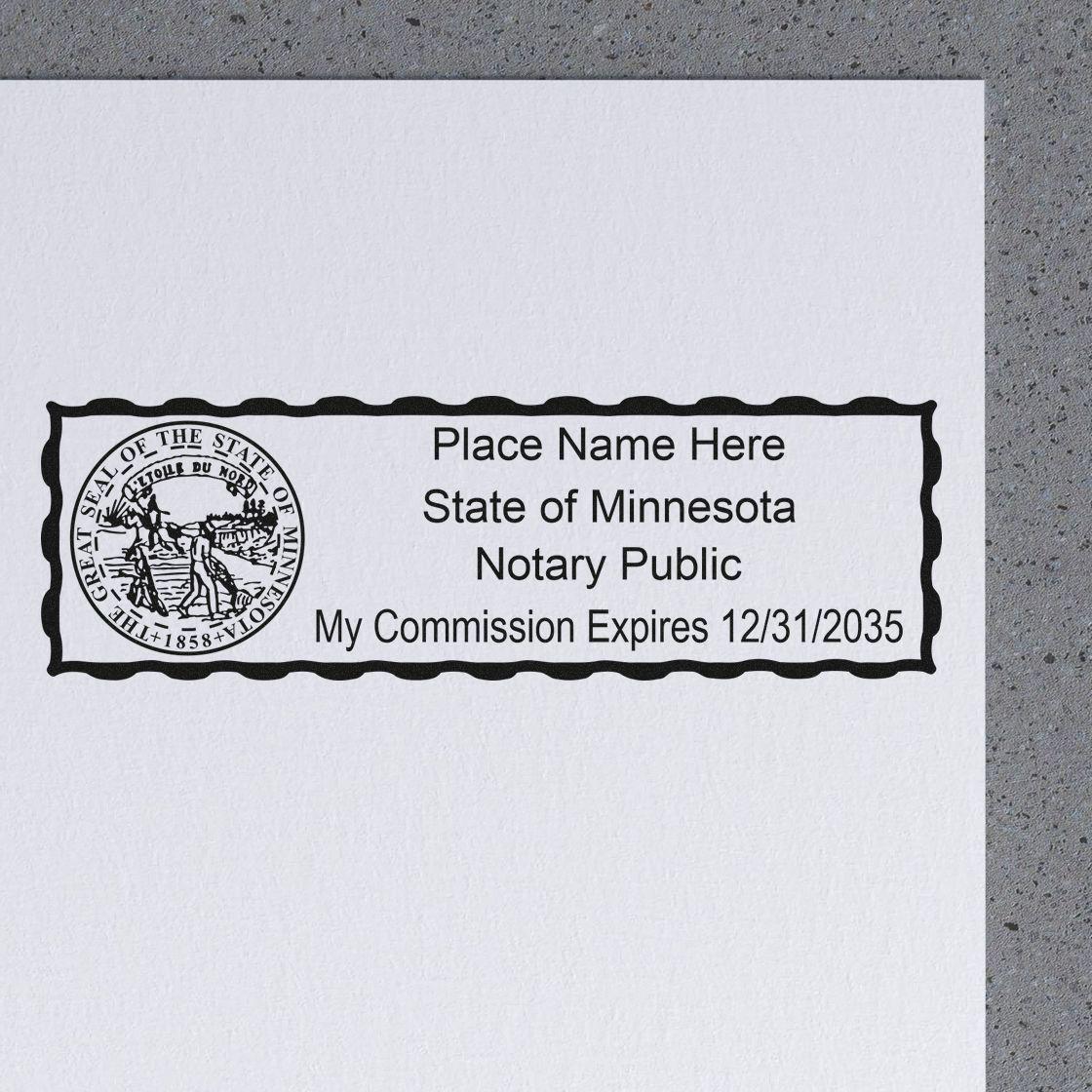
Whether you have just received your Minnesota Notary Public commission or you have been renewing it for years, understanding the role of a Minnesota notary embosser can make your job smoother. This essential tool helps you leave a distinct, raised impression on notarized documents. Below, you will find what you need to know before you invest in an embosser, including helpful tips on maintenance, ease of use, and where to purchase one that meets Minnesota’s specific guidelines.
Understand the Minnesota Notary Embosser
A Minnesota notary embosser is a handheld device designed to crimp or emboss paper with a seal. This raised seal often complements your notary stamp, making your notarized documents even more secure and difficult to alter. While some states require embossers by law, Minnesota offers them as an optional—yet valuable—addition to your notarial toolkit. The embossed impression typically contains text such as your name, the words “Notary Public,” and details identifying your commission. It provides a visual and tactile seal, which can enhance credibility when you present notarized paperwork. Minnesota laws do not mandate an embosser, but many notaries prefer the added authenticity it brings to documents. In professional settings like mortgage, legal, and financial services, an embosser can strengthen confidence in your notarial acts.
Know Why You Need One
Although Minnesota does not explicitly require an embosser, you might find it useful for several reasons:
- Added Professionalism: An embossed mark can appear more official, especially on contracts or affidavits.
- Anti-Fraud Measures: Raised impressions are harder to duplicate than ink stamps alone.
- Customer Assurance: Clients, attorneys, and financial institutions often appreciate the extra step you take to confirm authenticity.
An embosser is also beneficial internally. You maintain your reputation by providing clear, unambiguous notarial seals every time you stamp and emboss important documents. If you serve clients who frequently handle sensitive paperwork—like real estate deeds, legal agreements, or banking documents—the additional security of an embosser can help you stand out.
Identify Key Features to Consider
The best Minnesota notary embosser for you depends on factors such as how often you notarize documents, your physical comfort with the device, and the appearance you want for your seal. Here are a few elements to keep in mind:
- Seal Impression Clarity
Look for an embosser that creates a crisp, raised impression. Smudged or half-engraved marks can cause confusion or lead to rejected documents. Reading product reviews or speaking with other Minnesota notaries can help you gauge clarity and reliability.
- Ergonomic Handle
If you anticipate notarizing numerous documents daily, opt for an embosser with a comfortable handle. Some devices can strain your hands or wrists if you repeatedly apply significant pressure, so look for models labeled as “ergonomic” or “easy-grip.”
- Durability and Metal Construction
Sturdy metal parts typically ensure longer-lasting performance than plastic elements. Well-made embossers can easily serve you for years, particularly if you maintain them properly and avoid forcing the device onto thick or improperly aligned papers.
- Compactness and Portability
If you often travel between client offices or to signing locations, you may benefit from a smaller, lightweight embosser that fits in a briefcase or notary bag.
- Customized Seal Design
Minnesota law outlines what your notary seal should include, usually your name, the words “Notary Public,” and “Minnesota.” However, some manufacturers also allow for personalized text or design touches, as long as you comply with state requirements.
Distinguish Different Embosser Types
Before you purchase, take time to learn about the various types of embossers available. Here are the main categories you will come across:
Handheld (Pocket) Embossers
These compact devices are perfect if you need portability. Handheld embossers are typically smaller, easy to slip into a bag, and lightweight. If you make occasional on-site visits or notarize documents out of your home office, a pocket embosser can be more convenient. However, keep in mind that you may need a sturdy flat surface to press down effectively, and the handle grip might not be as comfortable if you are embossing numerous pages at once.
Desk Embossers
Stationary or “desk” embossers come with a base that stays on a flat surface. They are generally larger and heavier than handheld options, but they often require less force to create the seal. If you regularly notarize high volumes of paperwork in one location, a desk embosser can reduce hand fatigue and deliver a consistently clear impression.
Specialty Embossers
Some embossers are designed for unique paper sizes, special color foils, or thicker parchment. If your notary duties involve legal documents with heavier paper stock—like certain real estate deeds—you might look into an embosser that can handle higher paper thickness without damaging the device or producing incomplete impressions.
Properly Use Your Embosser
No matter which style you select, proper usage is key to achieving a clear, legally acceptable seal. Here is how you can ensure accurate embossing every time:
- Align the Document Correctly
Position the paper so that the words and notary seal are oriented correctly when you press down. Misalignment can lead to upside-down or sideways impressions.
- Place the Embosser Firmly
Make sure the jaws of the embosser—where you slot the paper—line up exactly on the area where the seal must appear. This precision reduces partial or incomplete impressions.
- Apply Steady Pressure
Squeeze the embosser handle carefully. Pressing too lightly can produce a faint seal, while pressing too hard could rip or crinkle the paper. If you are new to embossing, practice on scrap sheets first.
- Avoid Overlapping Stamps
If your notary stamp is already on the document, try to leave enough space for the embosser so the raised impression does not blend or overlap with your inked seal.
- Check the Result
Always check the embossed imprint after you complete it. If the seal is illegible or incomplete, you may need to emboss again—or continue with an ink stamp if Minnesota’s guidelines allow that for clarity.
Maintain Your Embosser Long-Term
A well-maintained Minnesota notary embosser is a solid investment that can last for years. Proper care not only ensures legible impressions but also helps you comply with legal requirements for notary seals. Remember that your embosser and any notary tools bearing your name are your responsibility, so treat them with care. Here are some ways to preserve your tool:
- Clean the Metal Plate
Remove any specks of dust or small paper fibers from the male and female plates of the embosser. You can use a soft cloth or small brush to clear debris to keep impressions crisp.
- Store Properly
Keep your embosser in a protective case or wrapped in a soft cloth when not in use. Dust, moisture, or direct sunlight can deteriorate metal parts or cause rust over time.
- Avoid Punching Thick Materials
Embossers generally work well with single sheets of standard or slightly thick paper. Using an embosser on thick cardstock or multiple sheets at once might damage the device and produce uneven or faint impressions.
- Regular Inspections
Check your embosser periodically for signs of wear, such as a weakened spring or misaligned plates. Address minor issues early to prevent sloppy seals or the need for a full replacement.
Where to Shop With Confidence
When you are ready to purchase a Minnesota notary embosser, look for a reputable supplier that emphasizes high-quality products and knowledge of Minnesota’s notarial regulations. You want durable materials, precise engraving, and a support team you can turn to if you have questions. That is where Acorn Stamps can help. Family owned and operated since 1964, Acorn Stamps has 60 years of experience providing Minnesota notary stamps and seals. You will find a range of options, from compact pocket embossers for working on the go to sturdy desk embossers built for frequent use. You can also count on excellent customer service and super fast turnaround times—two hallmarks of Acorn Stamps’ longstanding commitment to professional notaries. Here are a few reasons you might choose Acorn Stamps for your next purchase:
- Top-tier metal embossers that create clean, raised impressions.
- Knowledgeable staff ready to guide you through Minnesota’s specific notary requirements.
- Plenty of customizable options, from handle shape to embossing plate size.
Additionally, established suppliers like Acorn Stamps often stand by their products with warranties or satisfaction guarantees, providing you added confidence in your purchase decision.
Find Answers to Common Questions
Below, you will find five frequently asked questions that can further clarify how a Minnesota notary embosser fits into your work and your legal obligations.
Do I Need an Embosser If I Already Have a Notary Stamp?
In Minnesota, an embosser is not strictly required if you already have a valid notary stamp. However, many notaries add the embosser for an extra layer of authenticity that helps deter fraud. The raised impression can also reassure clients, lending a professional touch to the documents you notarize.
How Do I Handle Incomplete Embossings?
If your embosser fails to create a clear seal—perhaps due to misalignment, inadequate pressure, or an issue with the plates—it is best to re-emboss on a different part of the document. Make sure the section of paper you choose is free of any other stamps or text. If the document is cluttered, consider adding a notarial certificate page and embossing there.
What Size Impression Should I Get?
Most Minnesota notary embossers typically offer an impression size around 1⅝ to 2 inches in diameter. Verify that you purchase one meeting state guidelines or recommended sizes. Larger seals can look more prominent on documents, but a smaller embosser might be easier to carry around. Check product specifications and consider your space needs on commonly notarized documents.
Is an Embosser Mandatory in Minnesota?
No. Minnesota law acknowledges a notarial ink stamp as sufficient for performing notarial acts. However, an embosser serves as a strong supplement, especially for legal or financial documents that demand heightened security. If fraud prevention or professional appearance is a priority, an embosser is worth considering.
How Long Do Embossers Typically Last?
A quality metal embosser from a trusted supplier can last for many years—often outliving the length of your notarial commission. Regular maintenance, including occasionally lubricating the hinge if needed and cleaning the plates, can prolong its lifespan. Avoid stamping on surfaces that are too thick or textured to prevent unnecessary wear and tear.
By investing in a Minnesota notary embosser, you can enhance the appearance and security of the documents you seal, giving both you and your clients added peace of mind. If you are looking for expert guidance and a variety of reliable products, consider exploring the extensive selection available through Acorn Stamps. After all, a dependable notary embosser not only strengthens the trust clients place in you, but it also serves as a testament to your commitment to accuracy and professionalism—even long after the ink dries.