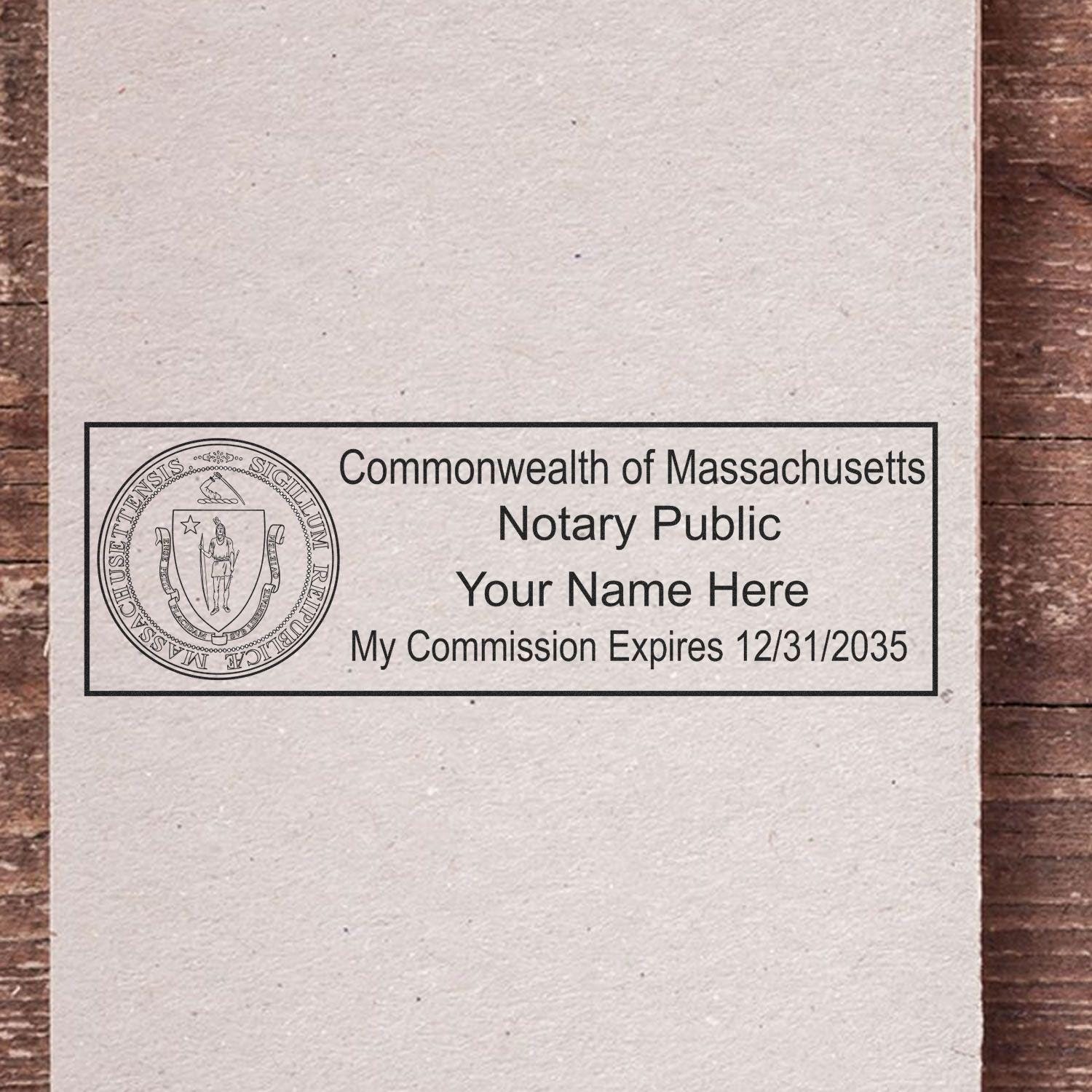
Understand Your MA Notary Seal Requirements
If you are preparing to start your journey as a Massachusetts Notary Public or renewing your existing commission, your MA notary seal will be one of your most essential tools. The seal is more than just a formality. It is an official mark that highlights the notarized document’s authenticity and provides legal validity. When you apply your seal, you reinforce the trust that signers and other parties place in you as a notary.
Having the right seal assures all parties that the document has been handled according to state guidelines. This attention to detail can protect you, your clients, and the broader public from misunderstandings or fraudulent claims. Because Massachusetts has its own specific requirements, you want to make certain that you comply with all relevant regulations about your seal’s layout and usage. In Massachusetts, most notaries use some combination of a stamp and an embosser. While some states allow a wide variety of seals, Massachusetts typically has guidelines on the information your seal should include (like your name and the words “Notary Public”). It’s always a good idea to confirm this information before placing your order, so you know you have accurate commission details at the ready. This guide will walk you through the different seal types you can consider, how to use them correctly, and the best ways to keep your seal in good condition. You will also learn about Acorn Stamps, a top supplier offering Massachusetts notary stamps and seals designed to meet your exact needs. By the end of this overview, you will be confident in choosing the right seal and staying organized every time you make a notarial imprint.
Explore Massachusetts Notary Seal Types
While you may see references to “stamps” and “seals” used interchangeably, they can refer to different tools. The broad categories in Massachusetts include embossers, self-inking stamps, and pre-inked stamps. Each type offers certain benefits that can fit different working styles, so it is worth knowing the advantages.
Consider An Embosser
The classic image of a notary seal is often an embosser that crimps and raises the paper surface. Many Massachusetts notaries like to use embossers because they create a distinctive raised impression. An embossed seal is difficult to replicate or tamper with, which contributes to document security.Advantages:
- Creates a physically raised seal that is easy to spot.
- Adds a professional and traditional touch to documents.
- Harder to alter or forge because of the raised texture.
Potential Drawbacks:
- Requires more pressure.
- Not always clearly visible when photocopied.
- Can be harder to use on multiple pages or large documents.
If you prefer equipment that underlines your professional status in a visually strong way, an embosser can be a good fit. You will need to practice applying consistent pressure, so every impression is readable. In the event you frequently notarize documents for official or ceremonial use, an embosser can lend a regal flair.
Opt For A Self-Inking Stamp
Self-inking stamps have a built-in ink pad that re-inks after each impression. With just a quick press, you can apply your notary seal onto the document, eliminating the need to pause and ink up. For high-volume notary work, this speed and efficiency can save you a surprising amount of time over the course of a day.Advantages:
- Quick, one-step stamping.
- Crisp impressions if properly maintained.
- Minimal mess compared to traditional stamp pads.
Potential Drawbacks:
- Ink can dry out if you go long periods without using the stamp.
- May need periodic replacement of the internal ink pad.
If you plan to serve a broad range of clients in various settings, being able to make a seal impression in moments can be a real advantage. Self-inking stamps are often favored for their convenience and reliability.
Try A Pre-Inked Stamp
A pre-inked stamp, sometimes called a flash stamp, holds the ink within the die itself rather than in a built-in pad. When pressed, the ink transfers directly. This design often results in a sharper, more detailed impression—plus, the stamp is very quiet to use.Advantages:
- Ultra-crisp impressions
- Quiet operation
- Smaller body size since no separate pad is required
Potential Drawbacks:
- Re-inking can be more involved
- Slightly more expensive initially
These stamps tend to have a longer life between re-inks, making them ideal if you want consistently clear imprints. Between self-inking and pre-inked stamps, you will find that the technology is comparable, but you may see subtle differences in the stamp’s detail and feel.
Use Your Notary Seal Correctly
Once you have decided which notary seal is best for your preference and workload, it is essential to use that seal properly. Not only does a disciplined approach protect you, but it also assures the signer that you are following the specific rules for Massachusetts.
Verify Your Commission Details
Before ordering your seal, double-check your legal name, commission date, and any additional information that the state requires. Then, when your seal arrives, make sure it reflects that information exactly. Using a seal that does not match your official commission can lead to confusion or even the rejection of notarized documents. You can keep a reference note in your notary journal or an easily accessible file. This small step helps you avoid any slip-ups, especially if you manage multiple commissions or keep multiple seals on hand.
Placement And Impression Guidelines
When you apply your MA notary seal, you typically need to place it near the notary certificate wording, so it is clearly associated with your signature. In many cases, you will place the seal after you sign and date. However, the exact format can depend on the document’s layout, so confirm that your seal is easy to see and not covering any critical text.
- Make sure the seal is readable, with no smudging or blurry edges.
- Avoid stamping over signatures, stamps, or official text.
- Practice one or two test impressions on scrap paper before sealing an important document.
If you choose an embosser, keep in mind that the raised seal might be harder to read on copies. To alleviate this, you could use an inked seal first, then add an embossed impression to enhance security. This two-seal technique not only looks professional but also keeps your documents easy to scan.
Choose Acorn Stamps For Your Massachusetts Notary Supplies
When it comes to finding a reliable partner for your Massachusetts notary stamp or seal, you want to work with a company that understands notary requirements and aims to make your life simpler. Acorn Stamps sets itself apart by offering a combination of quality, speed, and service that you do not always find in the notary supply world.
Family Owned And Operated
Acorn Stamps is proud to be family owned and operated since 1964, bringing you over 60 years of dedicated service. This longstanding presence in the industry reflects a deep commitment to ensuring notaries get the products they need, as well as the peace of mind that comes from meeting your state’s requirements.
Because the company has been around for decades, you benefit from a level of experience and attention to detail that is hard to match. Whether you are new to the field or have been a notary for years, Acorn Stamps has seen it all and can provide advice tailored to your specific questions.
Stellar Customer Service And Fast Turnaround
In addition to understanding the legalities of Massachusetts notary work, Acorn Stamps is ready to help you if you have any concerns or special requests. Using your MA notary seal effectively can sometimes raise last-minute questions, but you can expect prompt responses that speak directly to your needs.
- Orders shipped quickly: You can count on super fast turnaround so you can start notarizing confidently.
- Customized options: Whether you want a self-inking stamp, a sleek pre-inked stamp, or a classic embosser, you can explore various designs and styles.
- Friendly support: The Acorn Stamps team genuinely wants to see you excel as a notary, and it shows in every interaction.
With a supplier like Acorn Stamps on your side, you can focus on getting your notarial duties done with no worries about the reliability of your seal.
Maintain Your Notary Tools
Your notary seal (and any complementary stamps) will serve you for years, provided that you give them the care and upkeep they need. Quality seals and stamps can handle plenty of wear and tear, but a few preventative steps channel longevity and ensure consistently clear impressions.
- Store your seal in a protective case when not in use. This shields it from damage, sunlight, or dust accumulation.
- Re-ink your self-inking or pre-inked stamp as soon as you notice impressions becoming faded or uneven. Use recommended ink supplies to avoid damaging the internal mechanism.
- Gently clean your embosser die or stamping surface if you see any buildup. Debris can degrade the crispness of your impressions over time.
- Inspect your seal periodically. If you see worn areas or warping, it may be time to order a replacement before you experience any issues.
You can also keep a backup seal on hand if you frequently circulate documents, especially for high-volume notary tasks. Having a spare ensures you are never caught off guard by a worn-out stamp in the middle of notarizing an important transaction.
Frequently Asked Questions (FAQ)
Below, you will find answers to some of the most common queries that Massachusetts notaries have about their seals and stamps. If you ever feel unsure about any aspect of your MA notary seal, do not hesitate to seek additional guidance from trusted resources or from the helpful staff at Acorn Stamps.
What Information Should My Massachusetts Notary Seal Include?
It typically must contain your legal name and the words “Notary Public” or “Notary Seal.” Some seals also include the name of the state or commission details. Always confirm current Massachusetts guidelines to ensure you have exactly what you need.
Am I Required To Have An Embosser, Or Can I Just Use A Stamp?
Massachusetts does not explicitly mandate an embosser. A rubber stamp that follows state guidelines is generally acceptable. However, many notaries opt to have both, since an embossed seal gives a document a distinctive professional mark that is harder to forge.
How Often Do I Need To Replace The Ink In My Stamp?
This depends on usage. If you notice the imprint is too light or inconsistent, it is time to add fresh ink or replace your ink pad. Self-inking and pre-inked stamps each have specific re-inking methods, so follow the instructions that came with your chosen seal.
Can I Start Using My Notary Seal Right After I Receive It?
Yes. Once your commission is approved and you have a seal that matches your official credentials, you can start performing notarizations right away. Just make sure all your seal details align perfectly with your commission certificate.
Why Should I Work With Acorn Stamps Instead Of Another Supplier?
Acorn Stamps offers a powerful combination of experience, stellar customer support, and quick turnaround times. Because the company has been family owned and operated since 1964, you benefit from more than six decades of knowledge and consistent dedication to Massachusetts notaries. You can expect reliable products and a personalized touch that is often missing elsewhere.
By understanding the importance of your MA notary seal, exploring your options thoroughly, and maintaining your tools for long-term success, you will ensure that every document you stamp or emboss stands up to scrutiny. Working with a trusted partner like Acorn Stamps can make that process even smoother, so you can take pride in providing a top-notch notarization experience for every signer.