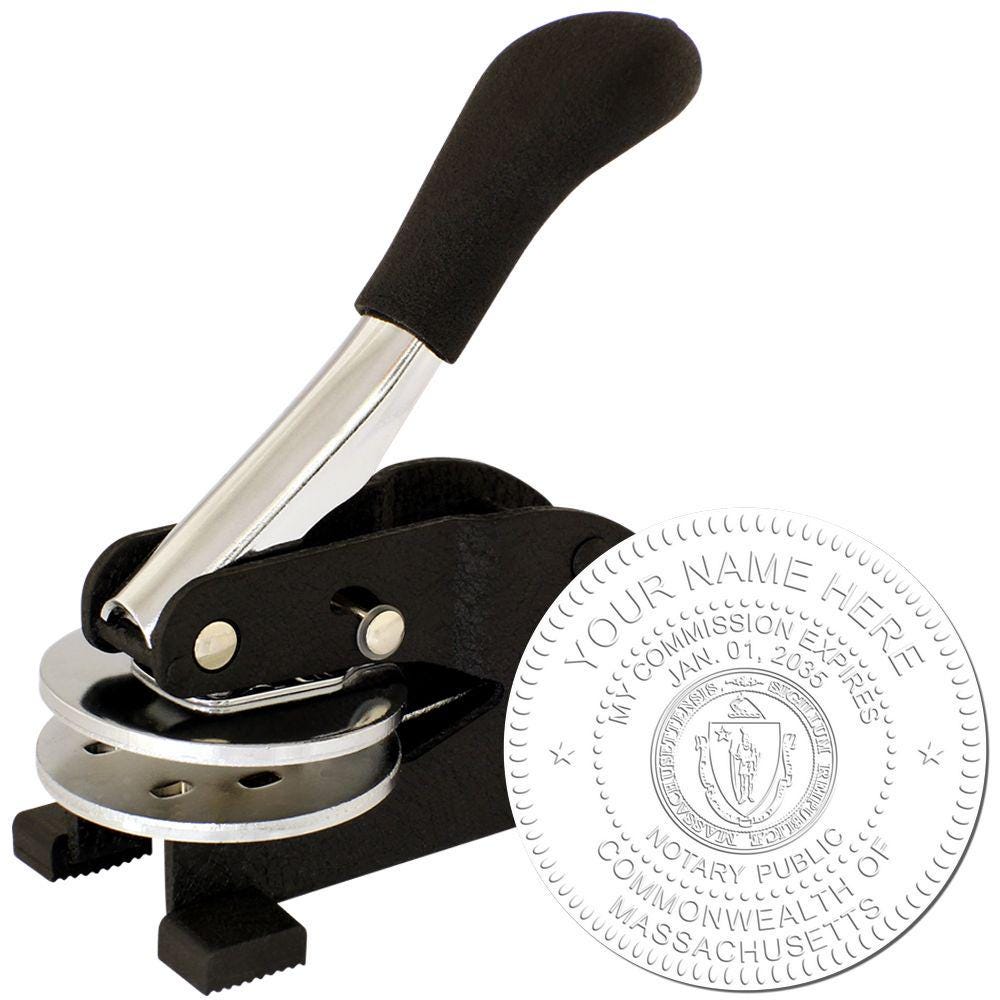
When you serve as a notary public in Massachusetts, your work can be both rewarding and detail-oriented. One item you can’t do without is your Massachusetts notary public stamp. From verifying signatures to officiating critical documents, a reliable stamp ensures you carry out your duties with clarity and authority. Whether you’re preparing for your notary commission or looking to update your existing stamp, understanding everything from regulations to best practices will help you make an informed choice.
Below, you’ll find an in-depth guide on how to select, use, and maintain a Massachusetts notary public stamp. You’ll also learn why Acorn Stamps, a family-owned and operated business since 1964, is a trusted name for quality notary supplies across the state.
Understand The Massachusetts Notary Public Stamp
A notary public stamp is more than just a piece of rubber that leaves an impression on paper. It’s an official seal documenting your authority as granted by the Commonwealth of Massachusetts. When you place your stamp on a document, you’re endorsing its authenticity, verifying that the person who signed it did so willingly and that their signature is valid.
The Role Of A Massachusetts Notary Public
As a Massachusetts notary, your responsibilities may include administering oaths, attesting to signatures, and verifying the identity of signatories for various legal forms. Your obligations can arise daily. For instance, you might stamp mortgage papers, affidavits, or business contracts that require an official notary signature for verification. Each time you use your stamp, you’re fulfilling the promise of integrity and honesty that keeps important transactions running smoothly in the state. By law, you are required to use a valid stamp that meets Massachusetts standards. The stamp not only confirms your commission and the expiration date of that commission but also acts as a visible hallmark of your credibility. This simple tool helps maintain a paper trail of important legal documents, making them recognized in courts and government offices.
Why Your Stamp Matters
Your Massachusetts notary public stamp is one of the primary ways to establish that you have properly notarized a document. Without it, a document could be considered incomplete or invalid, putting legal transactions at risk. The presence of a clear notary impression helps protect both you and the consumer by showing that the proper procedures were followed. When your stamp is consistent and easily legible, it minimizes the chance of disputes about a document’s authenticity. In short, the stamp is a symbol of your professional standing, so choosing a high-quality one is essential. A crisp impression that includes all mandated details—your name, the words “Notary Public,” “Commonwealth of Massachusetts,” and the expiry date of your commission—helps you maintain professionalism and reliability in your notarial acts.
Select The Right Stamp Style
Once you appreciate the significance of your Massachusetts notary public stamp, the next step is choosing a type of stamp that suits your workflow and meets legal requirements. Your decision often comes down to personal preference and your own day-to-day usage patterns.
Self-Inking Vs. Pre-Inked Stamps
You’ll commonly see two main categories: self-inking and pre-inked stamps.
- Self-Inking Stamps: Contain an internal ink pad that re-inks the die after every impression. They offer a relatively high number of impressions before re-inking is required. Self-inking models often come in plastic or metal cases, making them lightweight yet sturdy for frequent use.
- Pre-Inked Stamps: These use an ink reservoir behind the stamp face. They usually require slightly more pressure to make a clear imprint but can produce sharper, more reliable impressions. Because they need no external ink pad, pre-inked stamps tend to last a long time before requiring more ink.
As a notary, you might handle multiple documents in one sitting, so it’s important to choose a stamp you find comfortable. Self-inking and pre-inked versions both meet Massachusetts standards as long as the imprint is legible.
Traditional Wooden Handle Stamps
If you prefer something more classic, a traditional wooden handle model may suit your style. Although they require a separate ink pad, many notaries enjoy the tactile feedback and simplicity wooden stamps provide. Wooden stamps can produce excellent quality impressions, but they might not be as convenient if you travel frequently or notarize documents outside of your primary office.
Key Features To Consider
Regardless of the type you select, there are a few universal features to seek in your stamp:
- Legibility: Every impression must be clearly visible. If any part of the stamp becomes blurred or missing, your notarial act may be questioned.
- Durability: Frequent stamping can cause wear and tear, so opt for a model built to last.
- Ease Of Re-Inking: Make sure you can easily manage the re-inking or ink-refilling process, so you don’t face delays.
- Comfort: Stamps with ergonomic handles can help prevent hand fatigue if you conduct multiple notarizations each day.
Follow Massachusetts Regulations
Every state has its own set of notary laws, and Massachusetts is no exception. Complying with these rules ensures your stamp remains valid and that each act you perform remains legally sound. While your stamp is the crux of your notarial operations, it’s also important to understand how your stamp fits into the broader legal context.
Seal Vs. Stamp: What’s The Difference?
Massachusetts permits the use of both notary seals and notary stamps. In many instances, the term “seal” is used in regulations, but the official marking can be placed by either an embossed seal or an inked rubber stamp. If you prefer an embossed seal, be aware that some documents might require clarity in photocopying—an inked impression often scans and copies better, while a raised embossed stamp can be less visible unless highlighted or shaded.
A “seal” might also refer specifically to the circular device that leaves a raised impression. By contrast, a “stamp” typically places ink on a page. Both methods are permissible, but most notaries choose an inked stamp for everyday efficiency. In practice, you might use a notary embosser for more ceremonial or formal occasions, while your Massachusetts notary public stamp is a go-to tool for general tasks.
Guidelines On Stamp Usage
When you use your Massachusetts notary public stamp, pay attention to:
- Clear Visibility: Avoid stamping over text or lines on the document to prevent obscuring vital information.
- Correct Positioning: Stamping near your signature and notary certificate is best. This keeps all critical details in one place.
- Expiration Date Details: Massachusetts law often requires your stamp to include your commission expiration date, so double-check that it’s always accurate.
- Record Keeping: Be sure to log each notarization as required. A journal of your acts can be instrumental if any dispute arises later.
Ensure Proper Ink And Maintenance
Even the finest stamp will fail if ink levels are low or if it’s not stored properly. Putting in a bit of time for maintenance can save you from the embarrassment of a faint or partial impression.
Positioning And Pressure
You’ll want to apply firm, even pressure to achieve a sharp impression. Place the stamp on a flat, hard surface. If you use it on a soft or uneven surface, you risk distorting the impression. When you’re new to stamping, consider practicing on scratch paper until you perfect your technique. The goal is to press straight down, reducing smudges or half-inked marks.
Storage And Replacement Tips
Here are a few best practices to keep your stamp in working order:
- Cap Or Lock The Stamp: Most self-inking and pre-inked models have a cap or lock position to protect the stamping surface. This prevents accidental contact that can wear down or dirty the stamp face.
- Keep Away From Heat And Sunlight: Prolonged exposure to direct sunlight can cause the ink to dry out faster and might degrade stamp materials.
- Check Ink Levels Regularly: Keep a small bottle of appropriate refill ink handy. Refill your stamp as soon as you notice any fading.
- Replace When Warped: If repeated use has warped the surface or if the die details are no longer crisp, it’s time for a new stamp.
Rely On Acorn Stamps For Quality
When you’re looking for a reputable supplier for your Massachusetts notary public stamp and seal, Acorn Stamps is here to help. With a legacy of 60 years, we have earned the trust of notaries and professionals across the Commonwealth.
Family Owned Since 1964
Acorn Stamps takes pride in being family-owned and operated. Our story dates back to 1964, and we’ve maintained our dedication to quality craftsmanship ever since. Each stamp we produce is made to withstand the repeated use that notarial work demands. This heritage of service means you benefit from a commitment to best practices, product reliability, and personalized care.
Stellar Customer Service And Fast Turnaround
When your commission letter arrives, you don’t want to wait weeks for your new stamp to come in. That’s why Acorn Stamps prioritizes quick turnaround times, so you can start notarizing documents sooner. If you have questions about Massachusetts guidelines or simply want to decide between a self-inking and pre-inked model, our experienced team is on call to walk you through your options. We also understand the importance of confidence in your supplies. Our staff is prepared to help you choose the most suitable ink type, demonstrate how to refill it, and ensure all the essential details appear on your stamp impression. With Acorn Stamps, you get more than a product—you get a supportive partnership that lasts the entire time you serve as a notary public.
FAQs
Below are five common questions we receive from Massachusetts notaries about their notary stamp. If you have additional questions or concerns, feel free to consult official state guidelines or reach out to Acorn Stamps directly.
How Do I Know My Stamp Is Compliant With Massachusetts Law?
Look for a stamp that clearly displays your name, the words “Notary Public,” “Commonwealth of Massachusetts,” and your commission expiration date. It’s also wise to confirm that the design and layout adhere to the guidelines set by the state. If in doubt, you can check with the Massachusetts office overseeing notaries or speak with us at Acorn Stamps.
Can I Use An Embossing Seal Instead Of An Inked Stamp?
Yes. Massachusetts notaries are allowed to use either an embossed seal or an inked stamp. However, an inked stamp typically delivers more clarity, especially when documents are scanned or photocopied. If you use an embossed seal, consider also providing a separate inked impression for important forms to ensure legibility.
What Happens If I Need To Update My Name Or Commission Expiration Date?
You must obtain a new stamp reflecting your updated information. Using an outdated stamp could lead to rejection of documents and potentially challenge the legality of your notarial acts. In some cases, you might also need to report changes to the state. Always verify you are following current Massachusetts guidelines before stamping documents.
How Often Should I Clean My Stamp?
A periodic cleaning ensures your stamp remains in top condition. Wiping it gently with a lint-free cloth can remove debris and old ink residues. Avoid using harsh chemicals that might damage the stamp’s surface. If you’re unsure about the right cleaning solution, ask a knowledgeable supplier such as Acorn Stamps for guidance.
Is Travel With My Massachusetts Notary Public Stamp Allowed?
Yes. If you conduct off-site notarizations, you can certainly take your stamp with you. Just be mindful to keep it in a protective case or locked position to avoid accidental impressions. Remember, you’re responsible for the security of your stamp. Misuse by unauthorized parties can lead to legal complications.
By paying close attention to your choice of stamp, staying mindful of Massachusetts regulations, and keeping your equipment in good form, you can confidently oversee every notarization. When you’re ready for a stamp that matches your dedication to public service, Acorn Stamps offers top-quality options—backed by decades of expertise and a genuine commitment to making your work seamless.