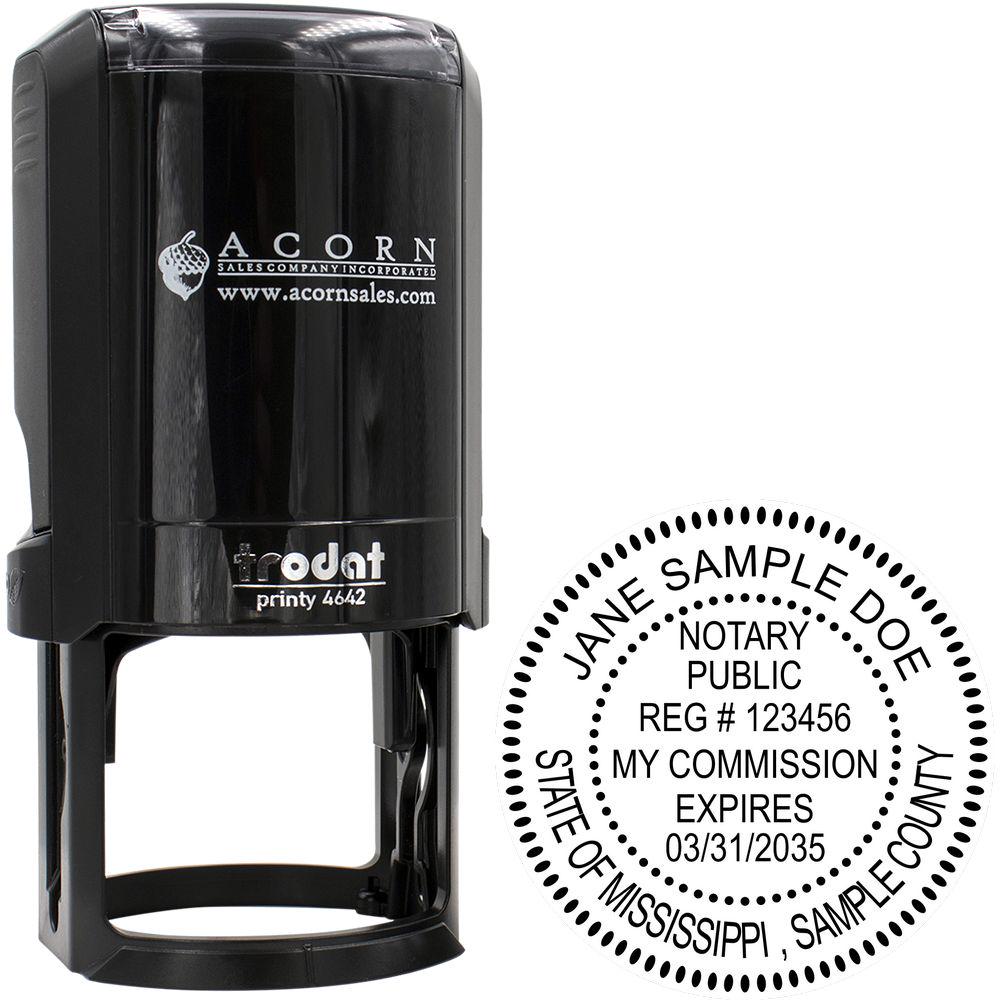
Selecting the right Mississippi notary stamp is an essential step in your notarial journey. Whether you’re just starting or looking to replace an old seal, finding a reliable stamp that meets state guidelines can help protect the integrity of your notarial acts. In the sections below, you’ll discover tips on everything from legal requirements to design preferences so you can feel confident in your choice.
Explore Mississippi Notary Requirements
Understanding the specific obligations of Mississippi notaries is key to confidently choosing a stamp or seal. In Mississippi, notaries public must make sure their stamps conform to current state regulations, and that each impression is clear and legible.
Key Requirements to Note
- Must include your name as it appears on your commission.
- Many stamps also include the words “Notary Public” and “State of Mississippi.”
- Bright, bold ink is recommended for clarity on photocopies or scans.
You can find the specific rules by reviewing official Mississippi notary guidelines. With state requirements in mind, you’ll be equipped to pick a stamp that aligns with legal standards.
Pick the Right Stamp Type
Notary stamps in Mississippi come in different formats. Although the standard self-inking stamp remains popular, you can also consider other types, such as pre-inked and traditional rubber stamps. Each style offers its own advantages.
Self-Inking Stamps
Self-inking stamps carry ink inside a built-in pad, which re-inks the stamp die every time you press it. This style:
- Offers clean, consistent imprints.
- Reduces the risk of smudging since the ink is always in place.
- Saves time, letting you move from one document to the next quickly.
Pre-Inked Stamps
If you prefer razor-sharp impressions, pre-inked stamps use an ink reservoir within the stamp’s design.
- Produce crisp, detailed imprints that may appeal to notaries who deal with formal documents.
- Generally last longer before needing a refill.
- More compact in size, often resulting in a smaller storage footprint.
Traditional Rubber Stamps
For those who enjoy a classic approach:
- Require a separate ink pad.
- Often cost-effective but can be more prone to smudging if not used carefully.
- Useful if you want to vary ink colors by swapping out pads.
Explore your usage patterns before deciding which stamp type suits you best. If you perform a high volume of notarizations, a self-inking or pre-inked stamp may be the most efficient choice.
Identify Key Quality Factors
Your notary stamp is essential for authenticating documents, so quality can’t be overlooked. Inferior stamps often yield blurred or partially missing impressions, which might raise doubts about the legitimacy of your notarization.
Durability and Materials
Look for stamps made of sturdy plastic or metal. Cheap materials can break when used frequently or stored in less-than-ideal conditions. High-quality cases help protect the impression surface from wear and tear.
Ink Longevity
If you’re performing a large number of notarizations, you should pick a stamp with an extended ink supply. Selecting stamps from a trustworthy provider usually means they’re designed to produce a significant number of quality impressions before running dry.
Crisp and Legible Impressions
There’s nothing more frustrating than a stamp that produces fuzzy or incomplete designs. Make sure the text is clear and that edges are sharp. This is particularly important if your impression includes detailed elements like the state seal.
Consider Layout and Design
Mississippi requires that your stamp’s text meet specified guidelines, but you typically have some flexibility in the layout. A clean, professional appearance promotes trust and uniformity across documents.
Font Size and Style
Choose a legible font size and style that is easy to read, leaving no room for misinterpretation of names or commission details. Some fonts are more decorative, but readability is your priority for legal documents.
State Seal or Optional Art
Depending on your preferences, you might add a standard state seal or a simplified emblem. While some states require a specific design, Mississippi mainly mandates clear text. If you choose to incorporate an emblem, ensure it doesn’t interfere with legibility.
Shape and Impression Area
Rectangular stamps are a popular choice, but round shapes are also widely used. The main consideration is space. Too little space can make the text feel cramped, while a large impression might not fit on smaller documents or designated areas.
Prepare Additional Seal Essentials
Although many Mississippi notaries rely on a notary stamp alone, you could benefit from having a separate notary embosser or seal. While not always mandatory in Mississippi, an embosser adds another level of authenticity to documents, particularly those used interstate or overseas where embossed seals are often expected.
When to Use an Embosser
- If a document recipient specifically requests a raised seal.
- For ceremonial or formal documents where you want a more traditional look.
- When ensuring maximum security of notarized paperwork.
Maintaining Your Seal
- Keep your seal and inked stamp in a safe, dry location to prevent damage.
- Check the impression surface regularly for wear, as even a small scratch can affect clarity.
- Re-ink or replace pads according to manufacturer instructions.
Trust a Reliable Supplier
Selecting a dependable source for your Mississippi notary stamp can make a significant difference. Accuracy is non-negotiable, and you deserve a provider that is attentive to your needs and prompt in delivery.
Why Choose Acorn Stamps
Acorn Stamps is a family-owned business that has proudly served notaries like you since 1964, more than 60 years of commitment to quality. We specialize in Mississippi notary stamps and seals, and our expertise ensures you’ll receive:
- Stellar customer service that addresses your individual needs.
- Super fast turnaround times, ideal for anyone with urgent stamp requirements.
- High-quality impression materials, reducing the risk of smudges or fading.
You can feel confident knowing your stamp will arrive fully compliant with Mississippi’s regulations and ready for immediate use.
Additional Perks of Working With Acorn Stamps
- Expert guidance: Whether you’re ordering your first notary stamp or need a replacement, our team is here to help.
- Customizations: If you need a particular design or size, let us know and we’ll do our best to accommodate.
- Quality assurance: We carefully test each stamp before shipping, ensuring accurate, crisp imprints.
Trust, service, and attention to detail define our approach, so you can focus on serving your clients and community with confidence.
Review Common Questions
Below are some frequently asked questions about Mississippi notary stamps and seals, along with straightforward answers that can guide you in making your decisions.
What Must Appear on My Mississippi Notary Stamp?
You should include your full name as it appears on your notary commission, along with the words “Notary Public” and “State of Mississippi.” This ensures clarity and compliance with state regulations.
Is a Seal Embosser Required in Mississippi?
Mississippi does not strictly mandate a raised seal embosser. However, you may choose to use an embosser for added formality or when a document recipient requests it.
How Often Should I Replace My Stamp’s Ink Pad?
Replacement frequency depends on how many notarizations you perform. If you notice faded or blotchy impressions, it might be time for a new pad or re-inking. Always follow the stamp manufacturer’s guidelines.
Does My Stamp Need to Match My Commission Name Exactly?
Yes. Your legal name on the stamp must exactly match the name listed on your notary commission. Failure to match these details could lead to rejected documents or disciplinary measures.
How Many Stamps Should I Keep on Hand?
Many notaries choose to have a backup stamp for emergencies. If you handle a high volume of notarizations, an extra stamp ensures you’re never stuck without a working tool should one break or run out of ink.
You’re now armed with insights into selecting a Mississippi notary stamp that fits your needs and meets state requirements. By focusing on clarity, durability, and compliance, you’ll be ready to safeguard the important records you notarize.
Whether you decide on a self-inking, pre-inked, or traditional rubber stamp, choosing a reputable supplier like Acorn Stamps can help you start your notarial duties on the right foot. Let us handle your stamping essentials, so you can dedicate your energy to serving your local community.