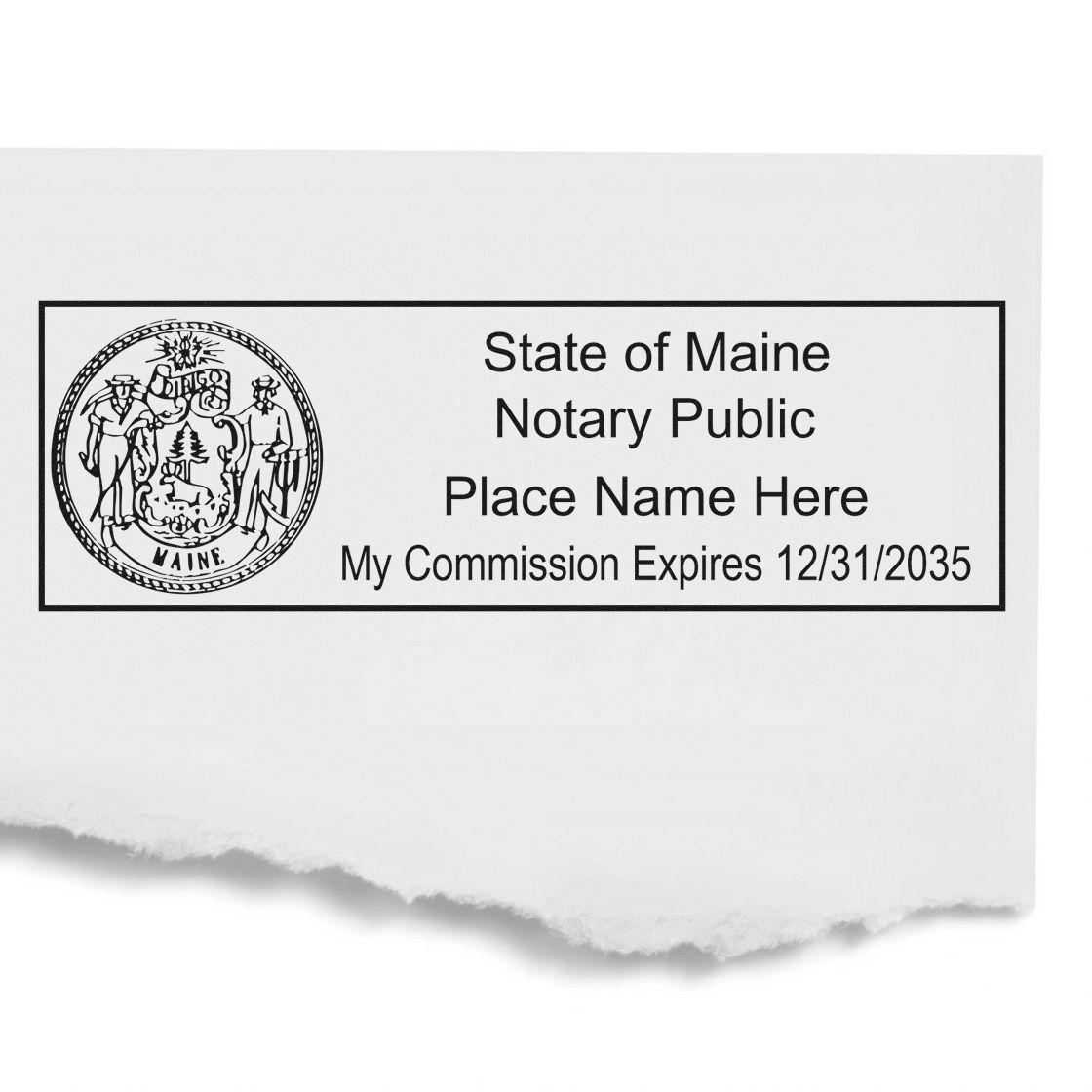
Understand Maine Notary Stamp And Seal
If you are a Maine Notary Public, your Maine notary stamp and seal are two of the most essential items in your professional toolkit. They allow you to authenticate important documents, protect against fraud, and affirm that a signature is genuine. When you apply your stamp and seal, you confirm your commitment to upholding the integrity of public office. Whether you are new to notarial work or looking to refresh your knowledge, understanding these basic tools is fundamental to ensuring every document you notarize carries legal weight.
Stamp And Seal Basics
- The notary stamp typically features your commission name, your status as a Notary Public, and sometimes your commission expiration date.
- The notary seal is often an embosser that creates a raised impression on paper. Some notaries use only a stamp, while others use both a stamp and an embosser seal, depending on personal preference and local regulations.
- Both tools are custom-made to reflect your exact notarial credentials and must comply with state guidelines.
Why They Matter
- Preventing Fraud: The notary stamp and seal help prevent the circulation of fraudulent or altered documents by providing a clear, official verification.
- Establishing Authority: These symbols show that you are authorized by the state of Maine to perform notarial acts.
- Meeting Legal Requirements: In many cases, courts and organizations require notarized documents. Failing to use a proper stamp or seal could invalidate an otherwise binding agreement.
Choose The Right Supplier
Selecting a reliable supplier for your Maine notary stamp and seal is an investment in your peace of mind. You want to trust that your seal meets Maine’s regulations and that any customized details, like your name and commission number, are accurate.
Consider Acorn Stamps
A top choice for Maine notary stamps and Maine notary seals is Acorn Stamps. Family owned and operated since 1964, Acorn Stamps has been providing notary professionals with dependable products for over 60 years. They focus on:
- Stellar Customer Service: Friendly and knowledgeable assistance, whether you are buying your very first stamp or renewing your commission materials.
- Super Fast Turnaround: Quick production and shipping to ensure you have your components ready for your next notarial act.
- Quality Craftsmanship: Each stamp or embosser is built to last and can produce clean, consistent impressions over time.
Why Quality Matters
- Professional Appearance: A clean, easy-to-read stamp impression or embossed seal looks professional and helps maintain your credibility.
- Long-Term Durability: Stamps and seals made from quality materials are more resistant to wear and will save you from constant replacements.
- Accuracy and Compliance: Working with an experienced supplier ensures that the design follows state guidelines for layout and text.
Know When To Use Your Stamp And Seal
You will rely on your Maine notary stamp and seal for various official acts, but it is critical to understand exactly when each tool is required. The state of Maine mandates precise rules for using your notarial instruments, especially on legal documents ranging from affidavits to property deeds.
Common Uses
- Acknowledgments: When an individual acknowledges signing a document voluntarily and appears before you in person.
- Oaths and Affirmations: These are used when a signer must swear (or affirm) that the statements in a document are true.
- Jurats: In a jurat, the signer swears in your presence that the document's contents are accurate, and you must witness the signature.
Combining Stamp And Embosser
Many notaries in Maine prefer using both a stamp and an embosser. This dual approach adds an extra layer of authenticity and can make the document appear more official. While Maine does not always require both, it can be beneficial when documents are going out of state or need to withstand additional scrutiny.
Maintain Your Tools
Just like any professional equipment, your Maine notary stamp and seal require regular care. Proper maintenance not only extends their lifespan but also ensures that your impressions remain crisp and legible.
Stamp Care Tips
- Re-Ink Regularly: Many self-inking stamps allow you to add ink when impressions start to fade. Always use ink types recommended by the manufacturer.
- Store Properly: Keep your stamp in a clean, dry place away from direct sunlight. Excessive heat or moisture can degrade the ink pad.
- Clean the Surface: If the stamping surface collects dust or debris, use a soft cloth or gentle brush to remove any buildup.
Seal Care Tips
- Check The Embossing Dies: Some embossers have removable dies that may need a light cleaning when impressions become unclear.
- Avoid Excessive Force: Using more pressure than necessary can damage the seal and the paper.
- Protect It Between Uses: If your seal comes with a protective case, store it carefully to prevent dents or misalignment.
Stay Compliant With Maine Requirements
Although the notarial process is fairly straightforward in Maine, certain regulations do apply. You are partly responsible for understanding these requirements and keeping your notarial acts above board.
Key Compliance Points
- Recordkeeping: While Maine does not always require a notary journal, maintaining one can protect you if a document’s legitimacy is ever challenged.
- Commission Information: Ensure that your name, the words “Notary Public,” and “State of Maine” are clearly visible on your stamp or seal.
- Renewal Procedures: Your notary commission must be renewed before it expires. Verify the specific renewal deadlines and submit necessary paperwork on time.
- Personal Responsibility: Never let anyone else use your stamp or seal. Keep them secured, as you are ultimately responsible for everything notarized under your name.
Penalties To Avoid
Failing to comply with Maine rules can lead to penalties, such as fines or suspension of your commission. Double-check your documents, follow the proper procedures, and always keep your notarial equipment under your personal control.
FAQs About Maine Notary Stamp And Seal
How Do I Know If My Stamp Or Seal Is Approved For Maine?
In Maine, you are responsible for ensuring that your stamp and seal meet state requirements. The best way is to work with a reputable provider like Acorn Stamps, who can confirm that your commission information is correctly engraved and that the design aligns with Maine law.
Do I Have To Use A Seal Embosser If I Already Have A Stamp?
Maine does not strictly require both. However, some attorneys, government agencies, or out-of-state recipients prefer to see a raised seal for added authenticity. Using both a stamp and a seal can give your documents an extra layer of formality and credibility.
Can I Use A Self-Inking Stamp For All My Notarial Acts?
Yes, you can use a self-inking stamp as long as it meets Maine’s legal guidelines on size, format, and text. Self-inking stamps are popular for their convenience and clean impressions.
How Long Will My Notary Seal Last Before Needing Replacement?
The longevity depends on how often you use it and how well you maintain it. With proper care and maintenance, high-quality seals from a trusted supplier like Acorn Stamps can last for years before the dies or mechanism wear out.
What Should I Do If My Stamp Or Seal Is Lost Or Stolen?
Report the loss or theft immediately to the appropriate authorities and to Maine’s commissioning office. After that, order a replacement as soon as possible. You may also need to file a statement outlining the circumstances to protect yourself from potential misuse.Your Maine notary stamp and seal can simplify your role as a Notary Public and solidify your professional standing.
By choosing a dependable supplier, using your notarial tools correctly, and following maintenance best practices, you ensure that every document you notarize is protected by the highest level of credibility. With companies like Acorn Stamps offering stellar customer service, fast turnaround, and reliable craftsmanship, you will have peace of mind knowing your vital notary supplies are in good hands.