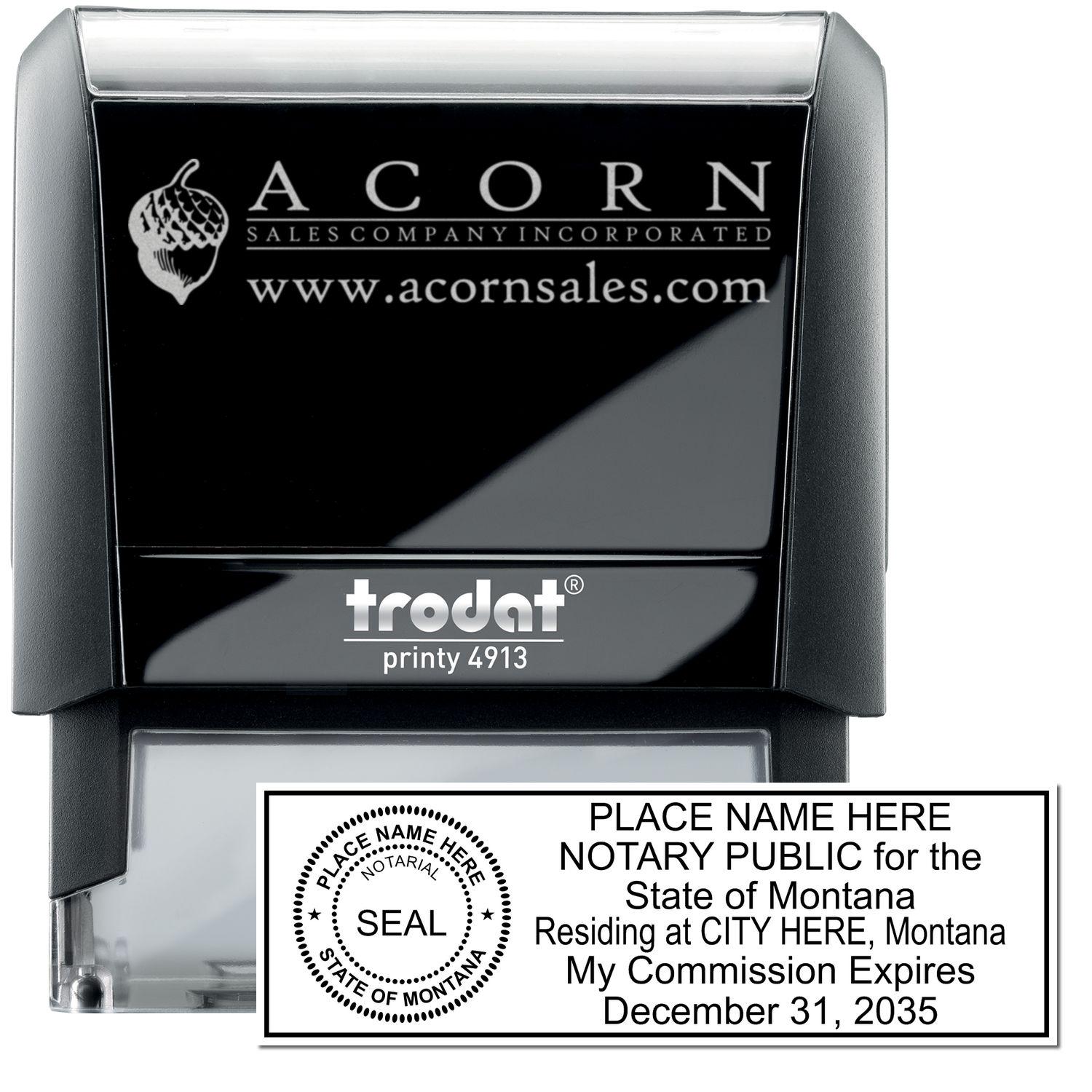
Looking for the right Montana notary supplies to help you fulfill your obligations as a notary public? Having proper tools on hand can make your job easier, ensure legal compliance, and boost your confidence every time you notarize a document. Whether you are new to the profession or have years of experience, selecting the best stamps, seals, and accessories makes a tangible difference in your daily tasks. In this guide, you will explore the core items you need, learn how to follow Montana’s regulations, and discover tips for caring for your notary supplies. By the end, you will know exactly what to get, where to get it, and how to use it to provide efficient, professional service.
Recognize Key Notary Essentials
As a notary public in Montana, it is your responsibility to verify signatures, administer oaths, and prevent fraudulent activity. To do this effectively, you need tools you can trust. While the notary supply list can look extensive at first, you can break it down into a few core categories to make it more approachable.
- Notary Stamp or Seal: In Montana, you must emboss or stamp official documents with a unique notary seal that meets state guidelines.
- Record-Keeping Journal: A journal (physical or electronic) is crucial for consistently documenting each notarial act.
- Additional Accessories: Items like ink refills, protective cases, or replacement embossing plates can help you maintain a smooth workflow.
When you recognize the importance of each item, it becomes easier to understand why Montana notary supplies are more than just office extras. They protect you and the public you serve by establishing authenticity. Investing in quality materials reduces the risk of errors and ensures longevity, so you are not scrambling to replace faulty products midway through your commission.
Choose Your Ideal Stamp
Selecting the right notary stamp is key to smooth and professional notarial acts. In Montana, notary stamps should include specific information, such as your name, the words “Notarial Seal,” the words “State of Montana,” and any other mandated components. This information tells the world that the document you have stamped is authentic and certified by a legitimate public official.
Types of Notary Stamps
- Self-Inking Stamp
Contains an internal ink pad and re-inks automatically after each impression.Often preferred for efficiency and reduced mess.Good choice if you handle a high volume of documents daily.
- Pre-Inked Stamp
Offers crisp, clear impressions with minimal effort.The ink is stored in the die, so you replace it less often.Has a lifespan of thousands of impressions before needing a refill.
- Traditional Rubber Stamp
Requires a separate ink pad.Typically more budget-friendly, but not as convenient for high-volume tasks.When choosing your notary stamp, consider how often you perform notarizations and whether portability is important. For example, if you travel frequently to meet clients, a compact self-inking stamp may be your best option. If you mostly work in an office and prefer extremely sharp imprint quality, a pre-inked model might suit you better.
Select A Dependable Seal
Some Montana notaries may prefer using an embosser in addition to or instead of an ink stamp. A notary seal embosser leaves a raised impression on the document for a distinctive, tactile confirmation of your authority. The impression indicates that the document is an officially notarized file, boosting its authenticity.
Key Considerations For Seals
- Seal Size: Make sure the embosser diameter meets Montana’s size regulations.
- Comfort And Portability: Handheld embossers are easier to carry to off-site appointments, while desk embossers can handle larger batches of documents.
- Lever Strength: You want an embosser that is comfortable to squeeze, especially if you notarize multiple pages in a single session.
You might decide to have both a notary stamp and an embosser on hand. The stamp is quick and easy for fast-paced notarizations, while the embosser can deliver a more traditional, impressive appearance. Having both ensures you are prepared for any request that comes your way.
Gather Other Must-Have Tools
In addition to your main stamp or seal, you will likely need a few complementary items to stay organized and compliant. While these may seem small, they play a big role in making your day-to-day tasks more manageable.
- Notarial Journal Or Record Book
Montana encourages detailed record-keeping of each notarial act.A sturdy journal can protect you if you are ever questioned about a previous notarization.Look for a layout that makes it easy to note names, dates, types of documents, and any ID details.
- Ink Refills And Replacement Pads
Even the best stamps run out of ink eventually. Having backup refills reduces downtime so you can keep working without interruption.Make sure to choose an ink brand and color that meets Montana’s guidelines (dark, readable ink).
- Storage Case Or Pouch
A dedicated case keeps your stamp and seal protected from dust, heat, or any potential damage.If you offer mobile notary services, a secure pouch helps prevent ink leaks and accidental impressions while traveling.
- Privacy Guard
Some notaries use privacy guards to protect the personal information recorded in their journals. You can place a simple sheet of cardstock over previous entries while a new client signs, preserving confidentiality.A well-chosen set of tools streamlines your workflow and builds confidence in your professional image. When you present yourself as prepared and competent, your customers will be more at ease, recognizing they are working with someone who prioritizes thoroughness and accuracy.
Follow Montana Notary Rules
Montana has specific rules and requirements concerning how you fulfill your duties. Before using any notary stamps or seals, make sure you are familiar with all relevant guidelines. Taking time to understand state regulations will help you avoid pitfalls and ensure that every act you perform stays within legal boundaries.
Understanding Key Requirements
- Commission Certificate: You must hold an active commission from the Montana Secretary of State. Keep track of your commission expiration date to avoid lapses in licensure.
- Required Elements On The Stamp: Include your name, the phrase “State of Montana,” and the words “Notarial Seal.” Double-check the official guidelines to ensure you have the correct information.
- Journal Entries: While Montana law may not require you to keep a journal for all notarizations, it is strongly recommended. It is wise to record the signer's details, date, time, and the type of notarial act performed.
Staying Up To Date
Rules and regulations can change, so be sure you keep abreast of any new legislation regarding notarial practices. Sign up for email updates from the Montana Secretary of State’s website or consider joining professional notary associations at the state or national level. These organizations often send alerts when changes affect stamp design, notarization procedures, or required record-keeping protocols.
Maintain And Care For Supplies
Ensuring your Montana notary supplies remain reliable and functional requires consistent care. New notaries might be surprised to find how long a stamp or embosser can last if maintained properly. Good maintenance helps you avoid blurred impressions, ink leakage, or mechanical failures.
Practical Maintenance Tips
- Clean The Stamp: If you notice any ink residue blocking edges or letters, gently wipe it away with a damp cloth. Avoid soaking the stamp in water because it can damage the internal elements, especially in self-inking or pre-inked models.
- Store In A Cool, Dry Place: Extreme temperatures can degrade stamp ink or cause metallic embossing components to rust. A moderate environment extends your supplies’ shelf life.
- Replace Consumables Promptly: Always keep spare ink refills, embossing plates, or replacement pads on hand. Replacing these components quickly will save you from unexpected downtime.
- Test Impressions Regularly: Every few days, make a test impression in a scrap notebook. This way, you can immediately catch any weakness in ink saturation or malfunctions in the embosser.
Maintaining your notary tools not only helps your business run smoothly but also reflects your professional standards. Clients will feel more comfortable and trusting of a notary whose stamp impressions are crisp and whose materials are always in good condition.
Trust Acorn Stamps For Quality
With so many options available, you might wonder how to choose a reliable supplier for your Montana notary stamp, seal, and accessories. One option preferred by many notaries across Montana is Acorn Stamps, a family owned and operated business that has proudly served customers for 60 years, since 1964. It is known for its stellar customer service, super-fast turnaround time, and commitment to high-quality craftsmanship.When you work with Acorn Stamps, you can expect:
- Expertise In Montana Notary Regulations: You will get products designed to meet the state’s specific requirements.
- Reliable Materials: Each stamp, seal, or accessory is built with durable components to endure frequent use.
- Personalized Support: If you are not sure what you need, you can count on prompt and helpful guidance.
- Fast Delivery: Their process is streamlined to ensure you do not wait long to begin using your supplies.
Choosing Acorn Stamps not only simplifies the process but also gives you peace of mind that everything you purchase will match Montana’s standards. That means fewer chances of misprints, compliance issues, or product malfunctions. By investing in quality from the start, you set yourself up for success over the long term.
FAQs About Montana Notary Supplies
What Information Needs To Be On My Montana Notary Stamp?
Montana requires that your stamp or embosser include your notary name, the words “State of Montana,” and the words “Notarial Seal.” Additionally, you may need to include your commission expiration date. Always confirm any current requirements with the Montana Secretary of State’s office so you meet the latest specifications.
Can I Have More Than One Notary Stamp Or Seal?
Yes, you are allowed to own multiple notary stamps or seals. Some notaries keep a backup stamp to protect against wear and tear or use a smaller, portable stamp for off-site notarizations. Just make sure every device follows the guidelines for size and information.
How Do I Record My Notarial Acts?
While Montana might not require a journal for every type of notarial act, maintaining a consistent, well-organized notarial journal is strongly recommended. This record helps provide clarity in legal situations and protects you if the validity of a notarization is ever called into question. List details such as the date, type of document, signer name, and type of identification provided.
When Should I Replace Or Re-Ink My Stamp?
As soon as your stamp impressions start looking faint, it is time to refill or replace. If you use a self-inking stamp, easily swap out the ink pad or refill the reservoir. For pre-inked stamps, refill ink directly into the stamp’s body. Regularly testing impressions each week will help you catch any issues before they cause trouble in the field.
Where Can I Get High-Quality Montana Notary Supplies?
You can purchase from a variety of suppliers online, but choosing a reputable company is essential. Acorn Stamps is a family-run business with 60 years of experience and understands Montana’s notary requirements thoroughly. Their dependable products, fast shipping, and superior customer service set them apart as a top choice for Montana notaries.
By carefully selecting each piece of your notary toolkit, keeping track of your state’s requirements, and staying diligent about maintenance, you will be well prepared to serve the public’s needs. When you rely on a trusted supplier like Acorn Stamps, you sidestep the stress of faulty materials and gain confidence in your daily tasks. Making the right choices now helps you focus on delivering a smooth, professional, and compliant notarial experience every single time.