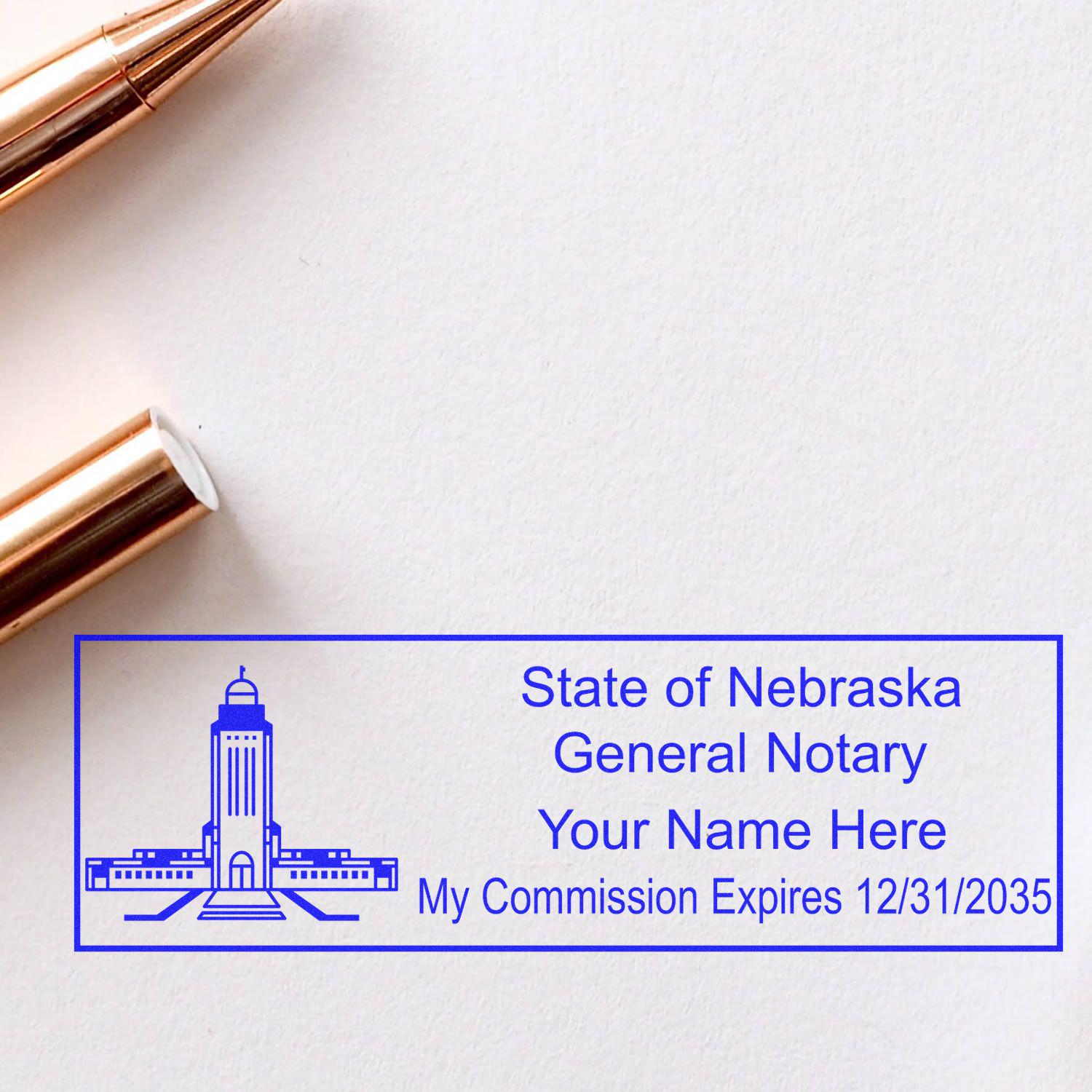
Understand Nebraska Notary Requirements
If you are preparing to serve as a notary public in Nebraska, it is important to familiarize yourself with the basics of Nebraska notary requirements. You will be authorized to administer oaths, take acknowledgments, and verify signatures, providing a vital service to individuals, businesses, and government entities. Meeting the state’s guidelines ensures you perform your role lawfully and maintain the integrity of the notarial process.
Nebraska’s notary regulations exist to safeguard both you and the public from fraud or misuse of authority. By following the necessary steps to secure your commission, use the proper seal, and keep accurate records, you demonstrate your commitment to professional standards. Whether you have just started the application process or you have been serving for years, reviewing these guidelines can help protect your clients and your own reputation. Fulfilling these requirements also helps ensure that the documents you notarize remain valid and easily recognized. Official transactions, such as affidavits, deeds, and power of attorney forms, rely on your expertise to verify their authenticity. When you are informed about the legal boundaries and responsibilities included in Nebraska notary requirements, you can more confidently provide dependable notarial services to your community.
Become a Commissioned Notary
Before you can begin performing notarial acts, you must obtain your official commission from the Nebraska Secretary of State. The application process involves a few essential steps designed to confirm your eligibility and preparedness.
Verify Your Eligibility
- You must be at least 19 years old.
- You need to be a resident of Nebraska or have a place of employment/practice in the state.
- You are required to demonstrate good moral character, meaning you should have no record of serious legal infractions that might undermine the public’s trust.
It is also beneficial to check if any additional county-specific guidelines apply to you. While state regulations form the broad framework, local authorities might have extra considerations you should address.
Apply for Your Commission
To apply, you typically file an application with the Nebraska Secretary of State, along with any required fees. Although application details can change, you generally need to:
- Complete and submit the application form.
- Pay the appropriate filing fee.
- Pass any mandated notary exam or training if required by the state.
Learning ahead of time which fees and forms you need can help you avoid delays. If you have questions, the Secretary of State’s official website is often the best starting place for up-to-date information.
Renew as Needed
Once you receive your commission, you must stay mindful of its expiration date. Nebraska commissions often last for a defined term, after which you need to renew. Failing to renew on time nullifies your notarial authority and puts you at risk of performing unauthorized acts.Set reminders well ahead of your expiration date to gather all required documentation and submit your renewal request. This strategy helps you maintain your lawful status and shaves off the stress of last-minute paperwork.
Use the Correct Notary Seal
After you have secured your commission, one of your first tasks is to obtain the essential notary tool: an official seal. Your seal or stamp provides a clear visual indicator that a document has been notarized in compliance with Nebraska law.
Choose a Reliable Supplier
Selecting a durable and compliant seal is central to your practice. This is where Acorn Stamps, a family-owned and operated business since 1964, truly shines. With 60 years of service providing Nebraska notary stamps and seals, Acorn Stamps aims to give you:
- Stellar customer service
- Super fast turnaround times
- Easy ordering processes that fit your schedule
Ensure the seal design you choose meets state requirements, typically including your name, the words “Notary Public,” and “State of Nebraska.” Quality matters. You want your seal to remain legible through consistent use, preventing any confusion about authenticity.
Know When to Update
Your seal’s design must match your official notary name exactly as it appears on your commission. If you have a name change during your commission term, you should update your seal promptly. Using an outdated or incorrect seal can invalidate notarized documents and potentially subject you to legal complications.
Regularly check your seal to make sure it is still producing a clear impression. If the imprint becomes faint, broken, or distorted, it is time for a replacement. Having a reliable seal is an ongoing responsibility, so plan for wear and tear, especially if you execute multiple notarizations each day.
Keep Accurate Records
Nebraska notary requirements underscore the importance of logging each notarization you perform. An organized record-keeping system serves as legal proof of your actions, offering protection if you face questions or allegations about a particular document.
Maintain Consistent Documentation
While Nebraska does not mandate an official notary journal for every circumstance, using one is considered a best practice. Keeping a journal helps you:
- Document the date, type, and description of notarized documents
- Note the form of identification presented (driver’s license or other valid ID)
- Record the signer’s signature and any additional remarks
This organized approach can defend you against claims of misconduct and supports transparent notarial acts. Even if the law does not strictly require it for every instance, a well-managed journal can only enhance your professional standing.
Secure Your Records
You are ultimately responsible for safeguarding your notarial records. Treat them as confidential and store them in a secure location to protect sensitive information. In the event of theft, damage, or loss, immediately notify the appropriate authorities to protect yourself and your clients from potential exploitation.
When your commission ends, your record-keeping obligations remain. Some jurisdictions set requirements for how long you must keep your records, typically several years. Verify the specific rules in Nebraska to avoid unintentional non-compliance.
Review Essential Best Practices
Operating as a Nebraska notary involves adhering to more than just the letter of the law. Your professionalism, preparedness, and commitment to ethical standards have a direct influence on the trust the public places in notarial acts.
Verify the Signer’s Identity
When you notarize a document, your first step should be verifying that the signer is who they claim to be. Acceptable forms of ID usually include:
- A current state-issued ID card or driver’s license
- A valid US passport
- Other government-issued identification with a photo and signature
If the signer lacks valid identification, you can sometimes rely on a credible witness personally known by you or the signer. However, rules for using witnesses vary, so check with the Nebraska Secretary of State for the exact requirements.
Confirm Willingness and Awareness
You are also tasked with ensuring the individual signing the document does so willingly and with a full understanding of its content. If you suspect coercion or mental incapacity, you should refuse to notarize. Protecting the integrity of each document further protects signers who might be unaware of the significance of their actions.
Maintain Impartiality
Your notarial role demands impartial judgment. If you have a personal stake in the document’s outcome, step aside to avoid conflicts of interest. For example, if you or your immediate family members are direct beneficiaries of a document, you should refer the signer to another notary.
Avoid Unauthorized Advice
While you hold a position of trust, you are not authorized to offer legal advice unless you are a licensed attorney. If a client raises questions about the content or legal implications of the document, recommend they consult an attorney. Steering clear of legal advice protects you and your client, preventing misunderstandings about your scope of legal expertise.
Protect Personal Data
In some notarizations, you may handle sensitive or personal information. Respect each signer’s privacy by minimizing the data you collect and store. Only retain the essential details that your record-keeping requires.
Frequently Asked Questions
Do I Need to Renew My Commission If I Move to a Different Nebraska Address?
Yes. Even if you remain in the state, you should update your official commission details with the Secretary of State if you change your address. Promptly notifying the state and adjusting your official paperwork helps ensure ongoing compliance with Nebraska notary requirements.
Can I Use an Electronic Seal Instead of a Traditional Rubber Stamp?
Nebraska does offer options for electronic notarizations, but specific rules and technology requirements apply. If you plan to notarize digital documents, ensure you follow updated state guidelines. Keep in mind, you still need a physical seal for paper-based transactions unless the law or your commission specifically states otherwise.
Are There Restrictions on When I Can Refuse to Perform a Notarial Act?
You have the authority to refuse notarization if you believe the signer is under duress, not competent to understand the document, or lacks proper identification. Always document your reasons to protect yourself from claims of misconduct. Remaining mindful of potential issues maintains the notarial process’s integrity.
What Happens If My Nebraska Notary Stamp or Seal Is Lost?
If your stamp or seal is misplaced, stolen, or damaged, notify the Secretary of State immediately. Replace it through a reputable supplier. Acorn Stamps can provide assistance so you can quickly return to your duties. Keeping accurate records of your seal usage helps verify proper handling and mitigate any risks.
Where Can I Find High-Quality Nebraska Notary Supplies?
Acorn Stamps is an excellent choice for Nebraska notary stamps, seals, and related supplies. Operating for 60 years and proudly family-owned and operated since 1964, Acorn Stamps offers stellar customer service and super fast turnaround. Whether you need a traditional desk seal or a pocket stamp, you can rely on top-notch quality to help you fulfill your notarial duties efficiently.
By educating yourself about Nebraska notary requirements, acquiring the right supplies, and adhering to best practices, you strengthen the credibility of every document you handle. Your service contributes to a dependable notarization system that benefits signers, businesses, and legal institutions across the state.